Renault Trafic classic vans for sale
The Renault Trafic is one of the most recognisable light vans from France, renowned for its versatility and robust engineering since 1980. Known for multiple badge-engineered versions, the Trafic remains a solid choice among classic light commercial vehicles for collectors and professionals alike.
Search results
Currently, there are no matching listings for your search.
Create search alert
Let yourself be notified as soon as a listing is published that matches your search filters.
Create listing
Do you have a Renault Trafic that you want to sell? Then create a listing now.
Create listingRenault Trafic listing references from Classic Trader
Below you will find listings related to your search that are no longer available on Classic Trader. Use this information to gain insight into availability, value trends, and current pricing for a "Renault Trafic" to make a more informed purchasing decision.
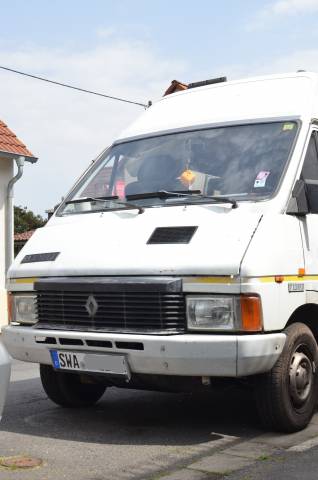
1984 | Renault Trafic I
Wohnmobil für Individualisten

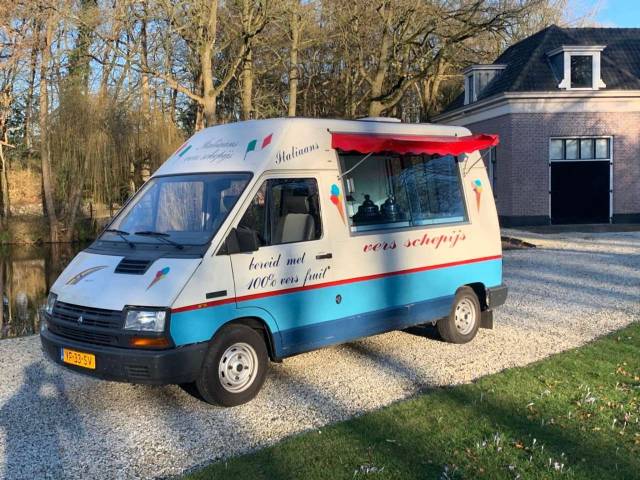
1989 | Renault Trafic I
Renault Trafic IJSCOWAGEN NL-auto 85.000km NAP #LEUK

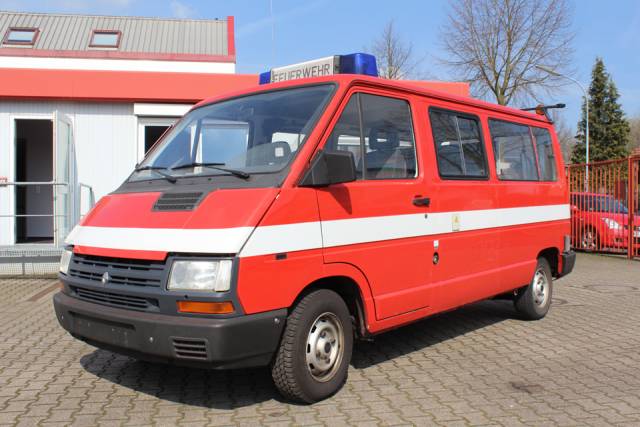
1993 | Renault Trafic I
MTW Renault
Create search alert
Let yourself be notified as soon as a listing is published that matches your search filters.
Create listing
Do you have a Renault Trafic that you want to sell? Then create a listing now.
Create listingRenault Trafic Classic Cars: Prices & Market Values
History of the Renault Trafic
Renault first introduced the Trafic in 1980, aiming to create a flexible and reliable light commercial vehicle tailored for European businesses and tradespeople. Over time, the Trafic established itself with practical design and functional load space. The lineage of the Trafic includes joint ventures with brands such as Opel/Vauxhall, Nissan, Mitsubishi and Fiat, resulting in the van appearing under different names but retaining its core Renault platform. Its enduring design and adaptability have made it a fixture on roads across Europe and beyond.
Model history
Throughout its history, the Trafic has seen several generations and facelifts. The original 1980 design featured a distinctive sloping nose and offered various body configurations, including panel van, minibus, and chassis cab. The model received a comprehensive update in the early 2000s, often referred to by collectors as "Phase II". These later iterations brought more comfort, safety features, and efficient engines. The Trafic frequently shared its underpinnings with the Vauxhall Vivaro and Nissan Primastar, further expanding its reach in the commercial vehicle segment.
Highlights of the Renault Trafic
The Trafic's flexibility is one of its standout features – thanks to multiple body shapes and layouts, it adapts to diverse needs, from cargo carriers to passenger minivans. The van’s reputation for durability and easy maintenance makes it a staple in fleets and among small business owners. The collaboration with multiple automotive brands speaks to the robustness of its core design, trusted enough to form the base for several rebadged versions.
Technical data
Special Editions and Collectible Models
The Trafic has been offered in various special editions over the years, primarily focused on business packages with enhanced equipment, unique colour options, or limited-run variants for specific markets. The real collectible value lies in early models, well-preserved Phase I vans, and any rare versions produced under alternate brands like the Opel/Vauxhall Vivaro or Fiat Talento.
Weak Spots and Common Issues
No specific known issues have been detailed in the current data. However, as with many commercial vehicles of this era, buyers should always check for structural rust, especially around the sills and underbody, and review service history for any recurring engine or transmission issues.
Engine and Performance, Transmission and Handling
The original Trafic was designed for utility over outright speed, favouring durability and load-lugging capability. Petrol and diesel engine options provided a good balance between economy and practicality, and most versions feature front-wheel drive for improved interior space and traction. More recent iterations (Phase II) offer enhanced ride comfort, greater efficiency, and additional safety features. - Renault Trafic Phase I: Recognisable for its early-80s design and highly modular layout.
- Renault Trafic Phase II: Appreciated for upgrades in comfort and efficiency, making it more appealing for long distances and daily commercial use.
- Vauxhall Vivaro/Nissan Primastar variants: Mechanically similar to the Trafic, valuable to collectors interested in badge engineering across brands.
Interior, Comfort, Exterior and Design
The Trafic is known for its functional and spacious interior, often equipped with easily washable materials and modular seating in passenger variants. Early models boast a distinctive, sharply angled front, while later versions move towards more aerodynamically optimised styling. Some Trafic vans feature sliding side doors, high roof options, or specific livery and details tailored to business clients. The accessories list includes partition walls, integrated roof racks, and custom-made storage solutions, adding further practical appeal.
Other relevant features
The Renault Trafic’s flexible platform made it popular for camper conversions, mobile workshops, and ambulances across Europe. Its enduring presence on the market is partly due to Renault’s robust parts network and support, making restoration and daily running more accessible for enthusiasts.
Summary
The Renault Trafic remains a strong option in the classic light van segment, combining sturdy French engineering with an adaptable body style and extensive brand alliances. Models are recognised for their reliability, practical design, and broad range of configurations. Strong demand figures and large share of market supply underline its continued importance for collectors and business-focused classic car enthusiasts alike.