Renault Primaquatre Classic Cars for Sale
The Renault Primaquatre, produced from 1931 to 1941, reflects the evolution of French mid-size automobiles before WWII. Available in multiple body types, including very rare cabriolets, these robust vehicles showcase the transition from pre-war engineering to streamlined designs, making them a distinctive piece of motoring history.
Search results
Currently, there are no matching listings for your search.
Create search alert
Let yourself be notified as soon as a listing is published that matches your search filters.
Create listing
Do you have a Renault Primaquatre that you want to sell? Then create a listing now.
Create listingRenault Primaquatre listing references from Classic Trader
Below you will find listings related to your search that are no longer available on Classic Trader. Use this information to gain insight into availability, value trends, and current pricing for a "Renault Primaquatre" to make a more informed purchasing decision.
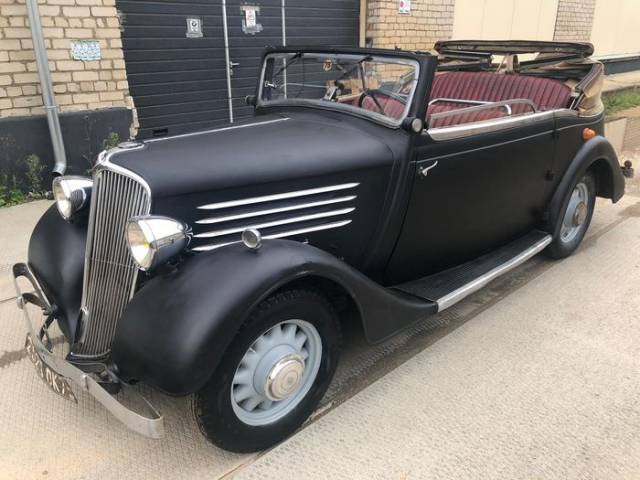
1934 | Renault Primaquatre

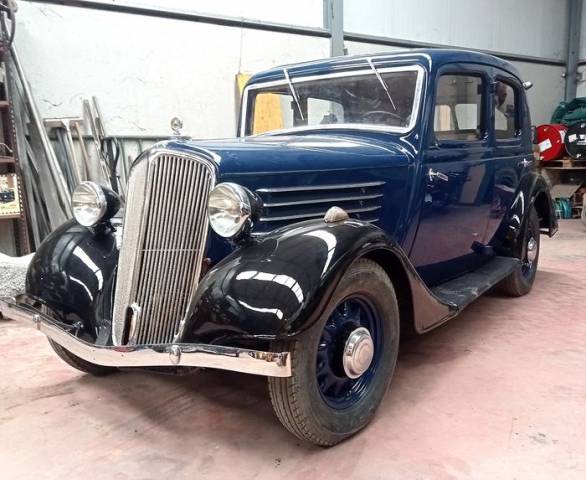
1935 | Renault Primaquatre
Create search alert
Let yourself be notified as soon as a listing is published that matches your search filters.
Create listing
Do you have a Renault Primaquatre that you want to sell? Then create a listing now.
Create listingRenault Primaquatre Classic Cars: Prices & Market Values
History of the Renault Primaquatre
The Renault Primaquatre was introduced in 1931 as a successor to the Type KZ and quickly established itself as a representative of the French mid-size sector of the interwar period. It was launched with a 2.1-litre four-cylinder engine and rear-wheel drive, initially recognised by its slanted grille and vertical bonnet louvers. Various body styles, from limousine to tourer to the rare cabriolet, reflected the diverse demands of the era. As the decade progressed, the Primaquatre underwent regular changes in chassis length, design tweaks, aerodynamic improvements, and engine upgrades. In 1935, the model was fundamentally revised as the Type ACL, with a larger 2.4-litre engine, longer wheelbase, and more streamlined bodywork. The car continued to evolve until series production ended in 1940/41, by which time it had spawned a variety of derivatives and had become the final model produced before Louis Renault's death.
Model History
The first Primaquatre models took over from the Type KZ and maintained its engine configuration until being gradually upgraded over several production phases between 1931 and 1935. Early models displayed strong evolutionary links to their predecessor, with the KZ6 marking the beginning of the Primaquatre lineage. Mid-decade, the Type ACL ushered in a host of changes: increased engine displacement, extended wheelbase, and reshaped ventilation elements. The range expanded to include limousines, cabriolets, coupés, and roadsters. By 1937, the car’s layout shifted again, with varying lengths and modifications to optimize comfort and drivability. 1940/41 marked the end of the series, with the Primaquatre indirectly replaced post-war by the Renault Colorale and Frégate, while a few prototypes hinted at continued technical ambition.
Highlights of the Renault Primaquatre
The Primaquatre stands out for its wide variety of body styles, ranging from commercial limousines to very rare cabriolets and sporty roadsters. Noteworthy are the matching numbers provenance of many examples—a detail prized by connoisseurs. Short overhangs, characteristic grille shapes, and frequent technical updates are central to the model’s identity. Original examples with complete mechanical specification, including period-correct four-cylinder engines and manual transmissions, are particularly valued. The availability of textile folding roofs with metal supports in cabriolets, as well as robust chassis construction, highlight the technical ingenuity and aesthetic flair of French automotive design leading up to WWII.
Technical Data
Special Editions and Collectible Models
Rare cabriolet versions, especially from the 1934 YN4 series, stand out within collector circles due to their scarcity and authentic period features such as matching-number drivetrains and intact textile roofs with metal frames. Coachwork variants and the Primaquatre Sport, identifiable by enhanced performance and potentially higher top speeds, also attract particular interest from enthusiasts.
Weak Spots and Common Issues
No major recurring factory weaknesses are documented, but restoration work is sometimes needed around clutch and brakes, reflecting typical wear for pre-war vehicles. Inspection of the chassis, floor, and boot for rust or previous repairs is recommended. Cars with original numbers and undamaged structures remain the most desirable.
Engine and Performance, Transmission and Handling
The Primaquatre’s naturally aspirated four-cylinder engines deliver a characteristically period-appropriate driving experience: modest but reliable power, transmitted via rear-wheel drive and a manual gearbox. Suspension design and longitudinal chassis layout provide both stability and comfort, while the most potent variants (such as the Primaquatre Sport) are capable of speeds up to 125 km/h—remarkable for the 1930s mid-size class. Handling varies between long- and short-wheelbase versions, with later designs optimising ride and steering control. • YN4 (1934): Notable for rarity and cabriolet layout. • Type ACL (1935–37): Improved engine and comfort, longer wheelbase. • Primaquatre Sport (late 1930s): Enhanced top speed and revised details.
Interior, Comfort, Exterior and Design
The Primaquatre’s design idiom is defined by its evolving grille forms—shifting from upright and angular to rounded and horizontal slats—plus the consistent presence of metal coachwork or textile-roofed cabs. Early models featured pronounced running boards, gradually omitted in later generations for a sleeker profile. Interiors were comparatively spacious, especially as the wheelbase increased in the mid-1930s, with straightforward dashboards and robust seats. The availability of multi-tone paintwork and chromed fittings, as well as practical solutions like separate boots and large doors, underscored the model’s role as a family as well as a business vehicle. Cabriolets included practical, folding textile roofs with metal frames, offering open-air motoring with solid weather protection.
Other Relevant Features
Several vehicles retain their complete original specification, enhancing their historic value. Many examples, especially cabriolets, have spent decades in private collections, ensuring good preservation. Original matching numbers between chassis and engine add to technical and historical integrity.
Summary
The Renault Primaquatre embodies pre-war automotive progression, marked by technical updates, abundant body variations, and robust build quality. Standing alone within Renault’s historic catalogue for this era—with a 100% share of the classic supply and demand for its code—it represents a unique blend of period charm and structural versatility, especially in rare cabriolet forms with original mechanicals.