- Car
- Rayton Fissore (1 offer)
Buy Rayton Fissore Classic Cars
Rayton Fissore classic cars bring Italian luxury thinking to a scarce, ladder-frame four-wheel-drive vehicle. Find Rayton Fissore offers on Classic Trader and buy with a close eye on provenance, structure and drivetrain condition.
Search results
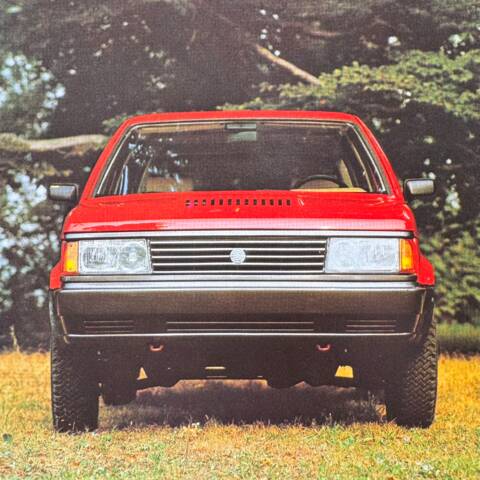

Rayton Fissore listing references from Classic Trader
Below you will find listings related to your search that are no longer available on Classic Trader. Use this information to gain insight into availability, value trends, and current pricing for a "Rayton Fissore" to make a more informed purchasing decision.

1985 | Rayton Fissore Magnum 4x4
Magnum 4x4, Vollrestauration


1991 | Rayton Fissore Magnum 4x4
1991 Rayton Fissore Magnum VIP 2.5 V6 – one of 120 Units!


1987 | Rayton Fissore Magnum 4x4


1987 | Rayton Fissore Magnum 4x4
Geländefahrzeug turbodiesel


1997 | Rayton Fissore Magnum 4x4

1987 | Rayton Fissore Magnum 4x4
Altro Altro Rayton fissore Magnum
Rayton Fissore history and heritage
Rayton Fissore is a small but distinctive name in the history of Italian specialist vehicles. Founded in 1976 by Fernanda Fissore and Giulio Malvino, the company did not develop into a broad manufacturer with a long catalogue of saloons, coupés and sports cars. Its significance instead rests on one unusually ambitious production vehicle: the Magnum, introduced in 1985. For a buyer, that concentration matters. A Rayton Fissore is not a badge to buy on reputation alone; it is a rare Italian luxury 4x4 whose individual specification, condition and documentation deserve patient examination.
The company’s name naturally recalls Carrozzeria Fissore, the coachbuilding business from Savigliano. The connection is real, but it should not be overstated. Carrozzeria Fissore was a separate company, while Rayton Fissore was the later venture of a member of the Fissore family. That distinction is useful when reading advertisements and histories. The Rayton Fissore story is not simply that of an old coachbuilder continuing unchanged; it is the story of a later specialist business applying Italian design and luxury ambitions to a capable four-wheel-drive platform.
The Magnum was presented in an era when the market for upmarket 4x4s was still forming. Its formula combined a substantial mechanical base with a body and cabin intended to feel more refined than a purely utilitarian off-roader. The result was a vehicle with an unmistakably Italian luxury-4x4 character: high seating, a commanding, squared-off presence and equipment that makes sense only when it works as intended. It was built on Iveco 4x4 mechanical foundations, not as a conventional passenger car adapted for rough ground.
In Europe, examples are commonly encountered with a 2.4-litre turbo-diesel engine. The vehicle also crossed the Atlantic under the Laforza name, with later Laforzas using petrol V8 power. The Laforza is therefore best understood as an export-market derivative of the Rayton Fissore Magnum rather than evidence of a second Rayton Fissore model family. Engine, equipment and detailed specification vary materially by year and market. A sensible buyer treats the chassis number and the actual vehicle in front of them as the starting point, rather than assuming that every example conforms to one online specification.
For the British collector, rarity is both the attraction and the discipline. A left-hand-drive Italian import can be an engaging alternative to familiar British luxury 4x4s, but it is not a casual purchase. The most rewarding cars will be those with a coherent identity, a sound structure, functioning four-wheel-drive hardware and a realistic plan for future parts and specialist support.
Highlights of Rayton Fissore classic cars
The defining attraction is the unusually direct meeting of two worlds. Underneath, the Magnum has the architecture expected of a serious off-road vehicle: a boxed ladder frame, rigid axles, selectable four-wheel drive and robust-looking driveline components. Above that foundation sits a body and interior conceived with a more luxurious, Italian-minded brief. It is this contrast, rather than a single glamour feature, that gives a Rayton Fissore its character.
The ladder-frame construction is important to both the driving experience and the buying decision. It separates the structural frame from body-related corrosion concerns, but it does not make corrosion irrelevant. The frame, body mounts, floors, sills, wheel arches and suspension locations all require inspection. A handsome cabin or fresh paint should never outweigh a poor view of these areas. On a scarce specialist vehicle, structural repair can quickly become an exercise in fabrication, research and time rather than a straightforward catalogue-parts job.
Four-wheel-drive hardware is another core highlight, provided it is demonstrably operational. The Magnum’s selectable system, transfer case, hubs, propshafts and differentials give the vehicle its purpose and should not be treated as decorative technical detail. A test drive that uses only normal road manners is incomplete. The buyer should establish what engages, how it engages, whether there are noises or vibration, and whether the vehicle returns correctly to normal operation. The condition of these systems has more bearing on a worthwhile purchase than a polished piece of wood trim or an optimistic description of “luxury”.
The common European turbo-diesel configuration offers a different character from later V8-powered Laforzas. It should be assessed as its own proposition, with attention to cooling, turbo-diesel fuel-system condition and general maintenance evidence. The later petrol V8 export cars illustrate how far the derivative moved into a separate market, but they should not be used to infer the specification or performance of an Italian-market Rayton Fissore. Asking a seller to identify the precise engine, its origin and its documentation is a basic safeguard, not pedantry.
Finally, scarcity itself is a defining feature. Current supply is exceptionally thin: market evidence cannot be treated as a stable valuation index, and a single advertised vehicle does not establish the “going rate”. That scarcity can appeal to collectors who want an unusual Italian 4x4, but it also means that body panels, glass, trim and interior-specific components should be researched before purchase. A complete, honest vehicle with an understandable history is generally a stronger prospect than a superficially impressive car with missing, damaged or untraceable specialist parts.
Rayton Fissore technical data
The following information describes the principal Rayton Fissore production vehicle and its known market context. It is deliberately a guide rather than a substitute for checking a particular car: detailed specifications and equipment changed by year and destination market.
This table intentionally does not invent power outputs, weights, dimensions, acceleration figures or production totals. Those figures are often repeated without sufficient context across specialist listings, while a low-volume vehicle may have been altered, repaired or re-engined during its life. For a purchase decision, the physical evidence is more valuable: compare the chassis and engine identity with the registration documentation, inspect the driveline, and record any deviations from the seller’s description.
The boxed ladder frame gives a Magnum a fundamentally different feel and restoration path from a unitary-bodied luxury vehicle. It also makes a proper inspection possible. A lift is strongly preferable. Look along the frame, at crossmembers and at every place where water, mud or old repairs may conceal deterioration. Then inspect how the body sits on its mounts and examine floors, sills and wheel arches independently. Corrosion in one area does not automatically prove failure elsewhere, but neither should a sound-looking frame be used to dismiss body corrosion.
Rigid axles and selectable four-wheel drive are durable concepts only when their associated components are maintained. Confirm the condition of propshafts and differentials, inspect the transfer case and hubs, and listen carefully for mechanical protest while the system is being used. Brake hydraulics, cooling and the fuel system deserve equal attention on a turbo-diesel example. Any car that has been standing for a long period should be approached as a recommissioning project until documented evidence proves otherwise.
Market overview and buying tips
The Rayton Fissore market is defined more by scarcity than by a dependable series of comparable sales. Available current market evidence is very limited; on 28 September 2026, the Classic Trader API returned one 2.4 TD listing. That is a useful indication of how infrequently cars appear, but it is not a price guide. An advertised figure is an individual seller’s asking price, shaped by condition, provenance, location, registration status and the seller’s view of rarity. It should not be presented as a market index or used to promise a future value.
For a UK buyer, the first question is often whether the car is already correctly registered in Great Britain. Many Rayton Fissores are Italian, left-hand-drive vehicles. Left-hand drive is not a defect; it is part of the car’s origin and may suit European touring. It does, however, affect everyday convenience, visibility on certain roads and the pool of potential future buyers. Be clear whether you are buying an already UK-registered car or importing from abroad, and make that distinction part of the price discussion rather than an afterthought.
For an import, establish the paperwork route before committing money. A buyer should ask for the foreign registration documents, proof of ownership, a clear chassis identity and the documents needed for the UK NOVA/V5C process. Do not rely on a verbal assurance that “the paperwork is easy”. Clarify which party will complete which step, retain copies of all documents and ensure that the vehicle description, chassis number and engine information agree. If a seller describes a car as UK registered, inspect the V5C details carefully and compare them with the vehicle itself.
The same documentary discipline applies to mechanical identity. Ask whether the engine is the expected unit, whether it has been replaced, and whether any changes are recorded. Since European Magnum and later Laforza specifications differ, a listing that loosely mixes their features should prompt more questions. A car can have a legitimate history of repair or modification, but it needs to be represented accurately. The buyer is not purchasing a nameplate; they are purchasing a particular chassis, body, engine and set of components.
Begin a physical inspection with the structure. Check the ladder frame, body mounts, floors, sills, wheel arches and suspension points for corrosion, accident damage, poor repairs and trapped dirt. Fresh underseal can be protection, but it can also obstruct a meaningful view. Look for consistent panel fit, examine mounting points and use an independent inspection where access or expertise is limited. The cost of correcting serious structural problems on an uncommon vehicle can be disproportionate to the purchase price because replacement-specific parts may not be waiting on a shelf.
Then test the four-wheel-drive system methodically. Verify the transfer case, hubs, propshafts and differentials rather than accepting that four-wheel drive “probably works”. A road test should include controlled operation of the selectable system where suitable and safe. Note reluctance to engage, unusual noise, vibration, leaks or difficulty returning to normal driving mode. The vehicle’s off-road engineering is central to its identity, and undiagnosed driveline faults can turn an affordable-looking car into a long technical project.
On a common European 2.4-litre turbo-diesel example, inspect cooling, turbo-diesel fuel-system health and brake hydraulics. Check for a maintenance record that is specific rather than merely a folder of unrelated invoices. A cool-start assessment, observation of running temperature and examination for leaks give more useful evidence than a brief warm-engine demonstration. The seller should also explain any warning lights, non-standard switches or electrical work. These cars can carry numerous luxury functions, and each should be tried: switches, instruments, ventilation, lighting, windows, locks and any fitted convenience equipment.
Parts planning is a decisive part of buying well. Before a deposit, identify sources for consumable mechanical items and ask how body, glass, trim and interior pieces would be obtained if needed. A vendor who can show previous sourcing, specialist contacts or a useful stock of spares adds practical confidence, although it does not replace inspection. Conversely, absent glass, incomplete trim or inoperative luxury equipment should be valued as a sourcing challenge, not dismissed as a minor cosmetic task.
There is no universal “best” Rayton Fissore. A collector seeking a distinctive, left-hand-drive Italian touring and event vehicle may value originality, completeness and a mature patina. An owner intending regular use may prioritise a dependable cooling system, correct brakes, working electrical equipment and a proven transmission and four-wheel-drive system. In either case, pay for evidence: clear photographs of the underside, documents that make sense together, a chassis number you can inspect and an honest account of outstanding work.
The Rayton Fissore driving feel
The appeal of driving a Rayton Fissore lies in its deliberate contradiction. From the driver’s seat it presents the elevated, substantial outlook of a traditional four-wheel-drive vehicle. Under the body is a ladder frame, rigid axles and selectable four-wheel drive; these are physical, mechanical qualities rather than marketing language. Yet the Magnum was conceived with a luxury ambition that differentiates it from an austere working vehicle.
On British roads, a left-hand-drive example asks the owner to be attentive and to accept its continental origin rather than trying to disguise it. The driving position and long bonneted presence make the car feel purposeful, while the Italian luxury-4x4 idea gives it a different social character from a familiar rural utility vehicle. It is likely to be most enjoyable when driven within the expectations of its design: unhurried touring, deliberate control use and an owner who appreciates unusual engineering as much as outward appearance.
Its best qualities depend on condition. A quiet, correctly functioning transmission and driveline allow the driver to appreciate the vehicle’s substantial mechanical foundations. Noises, vibration, ineffective braking, cooling concerns or uncertain four-wheel-drive engagement change that experience immediately. That is why a test drive matters so much. A Rayton Fissore should feel like a coherent vehicle, not merely an attractive body over a collection of unanswered questions.
The turbo-diesel European character and the V8-powered Laforza derivative should not be conflated. They can offer very different responses and maintenance needs. For a Magnum buyer, the pleasure comes from understanding the actual specification and enjoying the particular car honestly, rather than expecting it to reproduce the experience of a later export-market V8.
Design, coachwork and identity
Rayton Fissore’s design identity is tied to a coachbuilding lineage without reducing the car to a nostalgia exercise. The Fissore surname gives the project an Italian design resonance, but the relationship must be stated accurately: Carrozzeria Fissore in Savigliano was separate from the later Rayton Fissore enterprise. The Magnum is consequently interesting not because it can be casually described as a continuation of that coachbuilder, but because it gives a specialist Italian answer to a luxury 4x4 brief.
Its body is particularly effective when seen as a counterpoint to the chassis. The squared, substantial form suits the boxed ladder frame and rigid-axle engineering, while the interior ambition lifts the vehicle above a purely functional off-roader. This mixture is the reason originality matters. Trim, glass, body fittings and electrical luxuries may be difficult to replace, so a complete example communicates more than visual care: it preserves the design idea that made the vehicle unusual in the first place.
When examining paintwork, look beyond shine. Panel alignment, evidence of corrosion at wheel arches and sills, the condition of the floors and the relationship of the body to its mounts are all part of the design’s survival. A well-presented Rayton Fissore should retain both its Italian visual confidence and the structural honesty required of a four-wheel-drive vehicle.
Export identity and collector context
The Laforza export name adds an interesting international dimension. It shows that the basic concept could be recast for North America, including later petrol V8 applications, but it also creates opportunities for confusion in listings. A UK buyer should read every advertisement carefully: is it a European Magnum, an imported Laforza, or a vehicle whose description has blended the two? The answer affects engine expectations, parts research, documents and the honest way the vehicle should be represented in the future.
The small scale of the marque makes ownership more collaborative than ownership of a high-volume classic. Specialist knowledge, careful records and previous owners’ parts contacts can be unusually valuable. Keep a file of chassis and engine information, registration papers, maintenance invoices, photographs of structural work and details of sourced components. That record supports the next service, the next repair and eventually the next sale.
For British ownership, the sensible approach is measured rather than speculative. Establish LHD suitability for your own use, resolve the NOVA/V5C documentation route where relevant, and do not compromise on structural condition merely because another example may not appear soon. Scarcity rewards patience only if the chosen car has a viable future.
Summary: buying a Rayton Fissore
To buy a Rayton Fissore is to choose a very scarce Italian luxury 4x4 with a clear central model, the 1985 Magnum, rather than a broad marque with endless comparable examples. Its Iveco-based mechanical foundations, boxed ladder frame, rigid axles and selectable four-wheel drive give it genuine technical identity. Its Italian body and luxury ambition make it memorable.
Choose the individual vehicle, not an assumed market value. Confirm chassis and engine identity, inspect the frame and corrosion-prone body areas, test every part of the four-wheel-drive system and assess cooling, fuel, brakes and electrics. For a UK import or UK-registered car, ensure the LHD status and NOVA/V5C documentation are fully understood. Find Rayton Fissore offers on Classic Trader, then buy only when condition, provenance and a realistic parts plan support the promise of this unusual collector vehicle.