Nissan Vanette classic cars for sale
The Nissan Vanette is a distinctive mini-van with a cabover layout, notable for its retro styling, versatile interior, and suitability as both a passenger and commercial vehicle. From well-preserved examples to original 1986 models with clever sleeping options, the Vanette offers a unique blend of practicality and charm seldom found in this segment.
Search results
Currently, there are no matching listings for your search.
Create search alert
Let yourself be notified as soon as a listing is published that matches your search filters.
Create listing
Do you have a Nissan Vanette that you want to sell? Then create a listing now.
Create listingNissan Vanette listing references from Classic Trader
Below you will find listings related to your search that are no longer available on Classic Trader. Use this information to gain insight into availability, value trends, and current pricing for a "Nissan Vanette" to make a more informed purchasing decision.
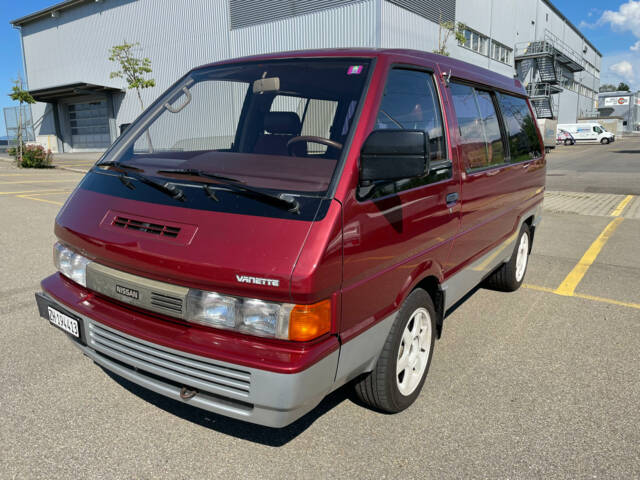
1988 | Nissan Vanette 2.4
Nissan Vanette C22

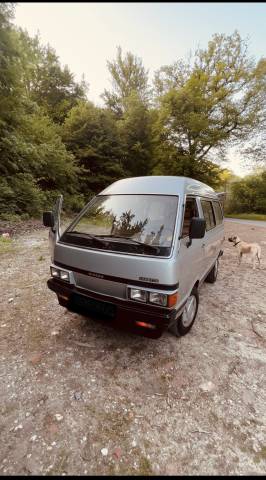
1986 | Nissan Vanette Cargo
MINI VAN Nissan Vanette I Traum-Oldtimer sucht neuen Besitzer

Create search alert
Let yourself be notified as soon as a listing is published that matches your search filters.
Create listing
Do you have a Nissan Vanette that you want to sell? Then create a listing now.
Create listingNissan Vanette Classic Cars: Prices & Market Values
History of the Nissan Vanette
The Nissan Vanette made its debut in 1978 as a cabover van and pickup, designed primarily for private owners seeking versatility and space within a compact footprint. Originally engineered by Nissan’s Aichi Manufacturing Division, early Vanette models addressed the demand for practical transport in urban Japan and beyond. During its production, the model underwent key changes: the first two generations focused on personal use, while later iterations moved towards commercial applications, designed and manufactured in collaboration with Mazda. The transition to Mazda's engineering, rebadged as Nissan, shifted the Vanette to be more aligned with the Mazda Bongo in its last generations. The phased replacement of some passenger-oriented Vanettes with the Nissan Serena in 1991 marked a significant chapter in the model's evolution.
Model History
Across its long production run from 1978 to 2011, the Vanette saw several generations, each adapting to new roles and markets. Early Vanettes (1978-mid 1980s) prioritised private transport and came with multiple engine and drivetrain options. In the 1990s, a strategic partnership with Mazda led to the latter generations being developed and built on the Mazda Bongo platform, with a renewed focus on commercial use. The Vanette replaced the old Sunny-Vanette, and in many international markets became a continuation of the Nissan Serena lineage. Each generation incorporated improvements in drivability, interface, and cargo handling.
Highlights of the Nissan Vanette
A key feature of the Vanette is its cabover design, maximising interior space while reducing overall length—a solution well suited to crowded urban environments. The model is noted for its flexible interior layout, including preserved original seating and even sleeping accommodation for two people in certain variants from the 1980s. The Vanette’s unmistakable retro look adds to its appeal, making it instantly recognisable among Japanese vans.
Technical data
Special Editions and Collectible Models
Some Vanette variants, particularly from the 1980s, are valued for original interiors and unique layouts—such as models offering built-in sleeping accommodation, making them popular among enthusiasts who value originality and clever function in a compact van. North American and European-market Vanettes with special trim or purpose-built conversion features may also be considered collectible, though production numbers for these were limited.
Weak Spots and Common Issues
Based on current data provided, there are no widespread weak spots or chronic issues documented for the Vanette model C220. However, as with any classic vehicle, it is advisable to inspect bodywork for rust, especially in older cabover vans, and to ensure the originality of interior fittings—especially in preserved 1980s examples.
Engine and Performance, Transmission and Handling
The driving experience of the Vanette is defined by its cabover configuration, delivering excellent visibility and a surprisingly tight turning radius for a van. Engines from the original and later Mazda-based series prioritised economy and reliability, with transmission choices typically limited to robust manual gearboxes and, in later years, practical automatics. Handling prioritises stability at urban speeds and simple operation—characteristics sought after for both classic passenger and commercial vans. A standout among enthusiasts is the 1986 Vanette mini-van with original interior and convertible sleeping space, exemplifying the era’s focus on both utility and lifestyle features.
Interior, Comfort, Exterior and Design
The Vanette is marked by an unmistakable cabover silhouette, compact yet highly accommodating inside. The preserved driver’s areas and original ceilings in classic examples indicate Nissan’s focus on comfort and practicality within a small space. Exterior styling features flat front panels and generous glass areas, contributing to retro aesthetics and expansive sightlines. Some models included unique design details—folding seats, convertible sleeping areas, and factory two-tone paints. Interior materials from the 1980s prioritise durability alongside the period look, often retained in well-kept examples today.
Other relevant features
The Vanette’s adaptability for light campervan conversions or as a promo vehicle distinguishes it even among classic vans, while its presence in both passenger car and commercial roles underscores its versatility.
Summary
The Nissan Vanette stands out in the classic car landscape for its space-efficient cabover architecture, practical and often original interiors, and a production run that bridged personal use and light commercial applications. Unique examples from the 1980s, preserved with original features and offering sleeping accommodations, remain particularly attractive to dedicated enthusiasts and collectors.