- Automobile
- Mazda
- Mazda 1300 (0 offerte)
Mazda 1300 classic cars for sale
The Mazda 1300 represents the compact class from Hiroshima's automotive history, combining reliable engineering with economical engines. This classic, part of the Familia series, stands out for its technical simplicity and practical everyday usability. Discover a model known for affordable maintenance and an enduring reputation among vintage small cars.
Risultati della ricerca
Attualmente non ci sono annunci corrispondenti alla tua ricerca.
Create search alert
Let yourself be notified as soon as a listing is published that matches your search filters.
Create listing
Do you have a Mazda 1300 that you want to sell? Then create a listing now.
Create listingMazda 1300 listing references from Classic Trader
Below you will find listings related to your search that are no longer available on Classic Trader. Use this information to gain insight into availability, value trends, and current pricing for a "Mazda 1300" to make a more informed purchasing decision.
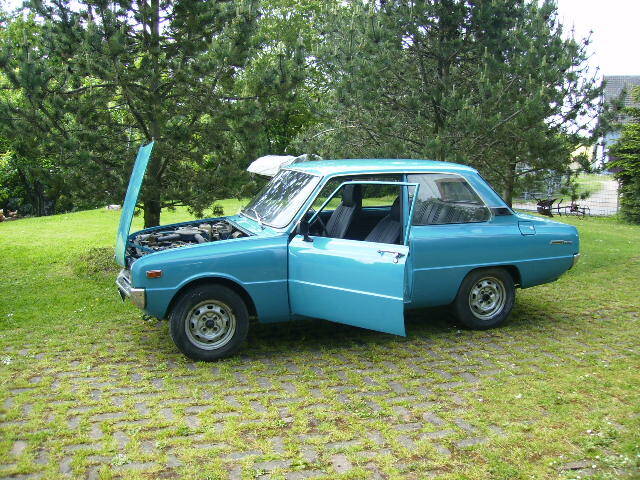
1975 | Mazda 1300
Limosime 2Tür
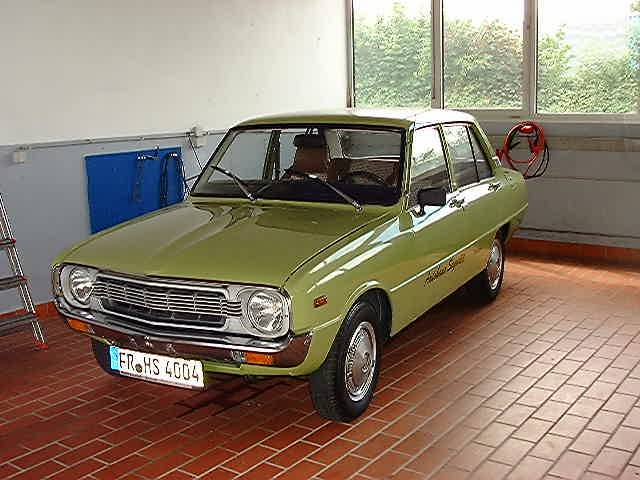
1976 | Mazda 1300
Mazda (Toyo Kogyo)
Create search alert
Let yourself be notified as soon as a listing is published that matches your search filters.
Create listing
Do you have a Mazda 1300 that you want to sell? Then create a listing now.
Create listingMazda 1300 Classic Cars: Prices & Market Values
History of the Mazda 1300
Launched as part of Mazda's Familia range, the Mazda 1300 debuted in the compact segment, serving as a practical solution for small families and urban drivers. It was introduced in the late 1960s as a successor to the smaller 800 and 1000 models, designed to appeal to a growing audience seeking an affordable, fuel-efficient car. Over several generations, the 1300 reflected Japan's approach to clever packaging and purposeful engineering. With exports under the Familia and 323 banners, the series helped Mazda build its international reputation as a manufacturer of robust compact cars.
Model history
The Familia line, which includes the 1300, started in 1963 and continued production until 2003. The 1300 itself saw several evolutions throughout its lifespan, adopting updates in body style, interior design, and mechanical specification. Initially available in saloon and estate versions, the 1300 exemplified Mazda's move into global export markets. Eventually, the Familia series gave way to the Mazda3/Axela in 2004, marking a transition towards more modern compact vehicles.
Highlights of the Mazda 1300
The 1300 distinguishes itself with a blend of straightforward mechanical construction and a practical, minimalistic aesthetic that typifies late-20th-century Japanese compacts. Owners appreciate the car’s light weight, good visibility, and easy handling, which made it a favourite for city use and daily commuting. Notably, both supply and demand for the 1300 account for 100% of Mazda’s classic car listings in this model series, reflecting a focused interest in this specific variant within the classic Mazda community.
Technical data
Special Editions and Collectible Models
There is limited information about officially designated special editions of the Mazda 1300. Most models retained a consistent specification aimed at affordability and practicality throughout their run, with only minor regional trim differences.
Weak Spots and Common Issues
Available documentation provides no details on typical weak spots or known issues for the Mazda 1300. As with any vehicle of this age, regular inspection of rust-prone areas, especially in the chassis and underbody, is recommended, along with a thorough check of engine, brakes, and suspension for wear due to age and use.
Engine and Performance, Transmission and Handling
The driving experience of the Mazda 1300 focuses on efficiency, durability, and agile urban handling rather than outright speed. Its modest engine output and manual gearbox provide a straightforward, analogue feel on the road. The lightweight body aids manoeuvrability, making it easy to park and control in dense city traffic. While not designed for dynamic thrills, the simplicity and direct feedback offer their own appeal to classic car fans. Notable models include saloon and estate body variants, each maintaining the series' characteristic mechanical layout and user-friendly operation.
Interior, Comfort, Exterior and design
The 1300 displays clear, angular lines typical of 1970s Japanese compacts, with a focus on maximising interior space within a modest footprint. The cabin is intentionally minimal, prioritising ergonomics and clarity over unnecessary luxury—making use of straightforward instrument clusters, durable fabrics, and easy-to-clean surfaces. Exterior design elements, such as chrome details or coloured hubcaps, varied slightly between markets but always served functional purposes. Optional extras and special colours were limited, staying true to the model’s pragmatic ethos.
Other relevant features
Mazda's engineering philosophy during the development of the 1300 prioritised reliability and ease of repair. Many original mechanical components remain available or easily serviceable by classic car specialists due to the vehicle’s simple design and shared parts with other Familia variants.
Summary
The Mazda 1300 epitomises practical Japanese engineering from the classic era. Its appeal lies in solid mechanics, ease of use, and its distinctive place within the evolution of compact family cars. As the sole perennial focus among classic Mazda listings, the 1300 remains a respected option for enthusiasts searching for authenticity and utility in a vintage package.