Mazda 626 Classic Cars for Sale
The Mazda 626, produced from 1970 to 2002, is a mid-sized saloon renowned for its versatility and reliability. With several generations offering different engines and body styles, the Mazda 626 stands out for its technological consistency and practical design. Scroll down to find the history and specifics of the Mazda 626 model series.
Search results
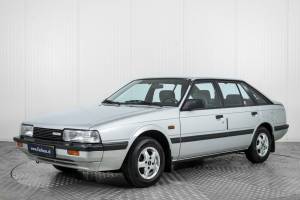
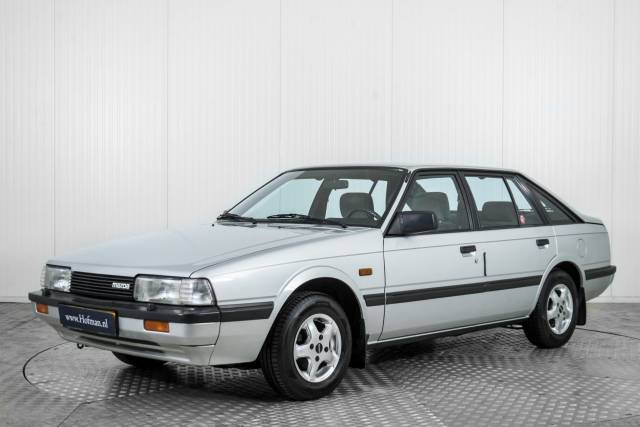
1983 | Mazda 626 1.6 LX
Mazda 626 HATCHBACK 1.6 GLX Wegenbelastingvrij .

Mazda 626 listing references from Classic Trader
Below you will find listings related to your search that are no longer available on Classic Trader. Use this information to gain insight into availability, value trends, and current pricing for a "Mazda 626" to make a more informed purchasing decision.
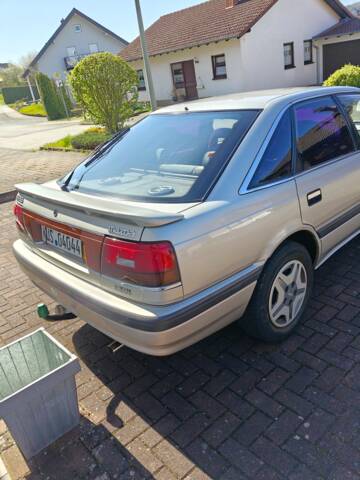
1988 | Mazda 626

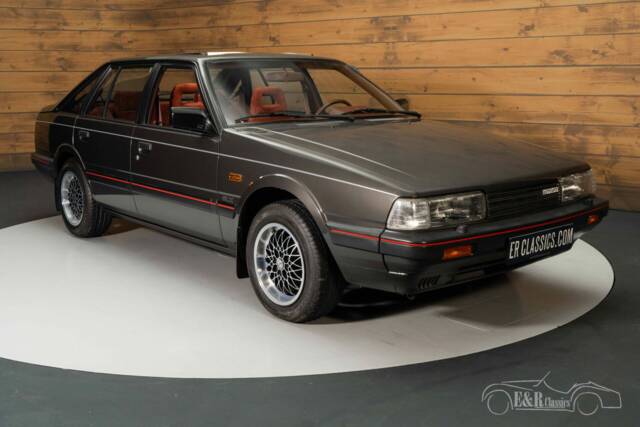
1987 | Mazda 626
Mazda 626 GLX | 1987 | Route 66 Auctions - For sale by auction. Estimate 6500 EUR
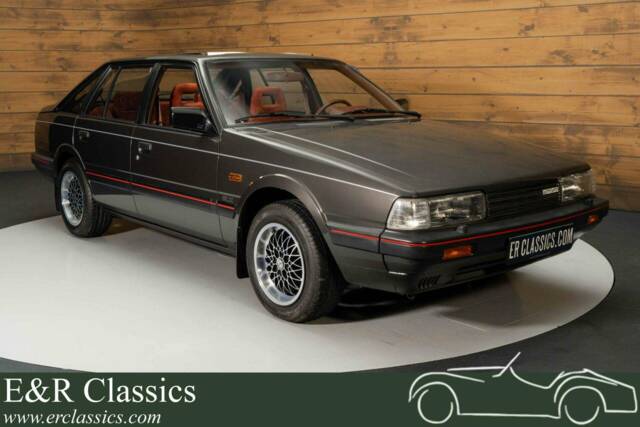
1987 | Mazda 626 2,0 GLX
Mazda 626
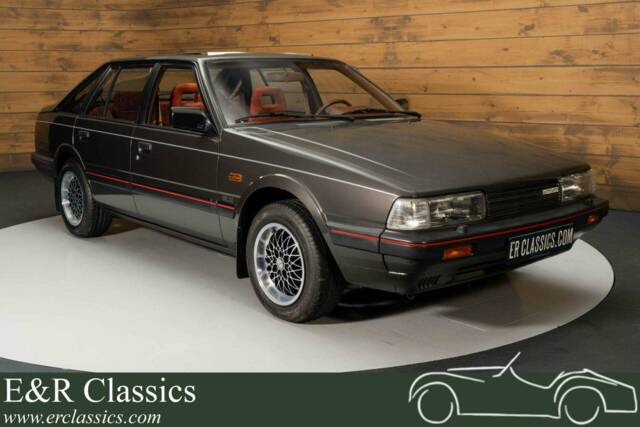
1987 | Mazda 626 2,0 GLX
Mazda 626 GLX | 240 KM | Nieuwstaat | Uniek | 1987
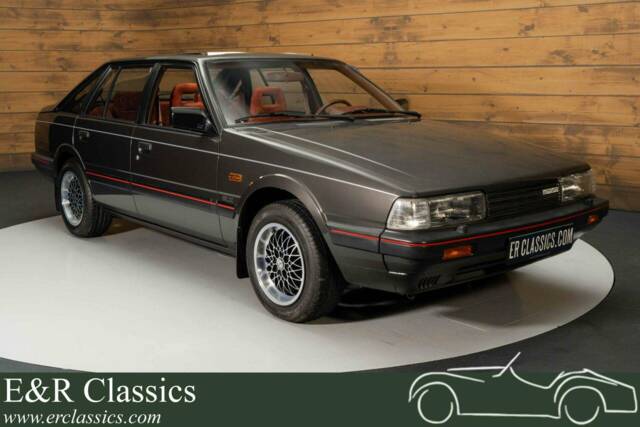
1987 | Mazda 626 2,0 GLX
Mazda 626 GLX | 240 KM | Nieuwstaat | Uniek | 1987
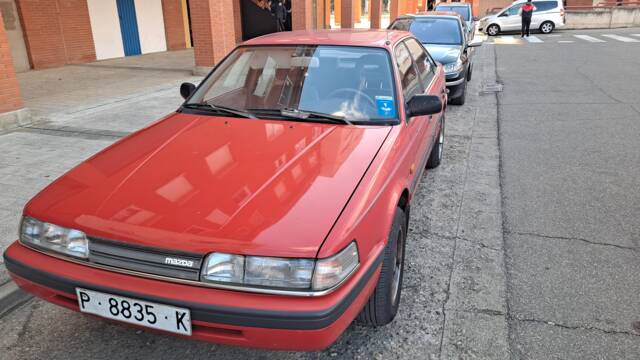
1989 | Mazda 626
1989 MAZDA 626

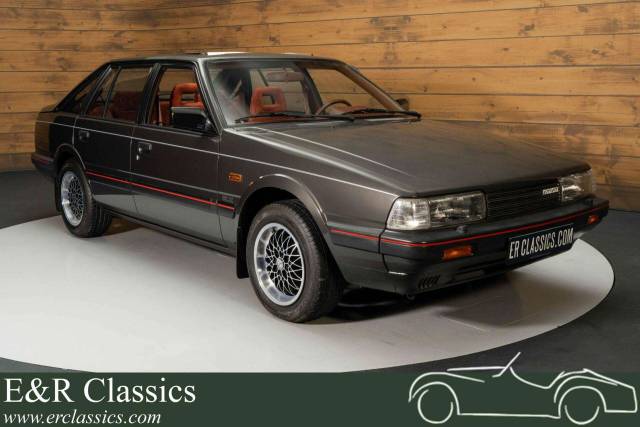
1987 | Mazda 626
Mazda 626 GLX | 240 KM | Nieuwstaat | Uniek | 1987
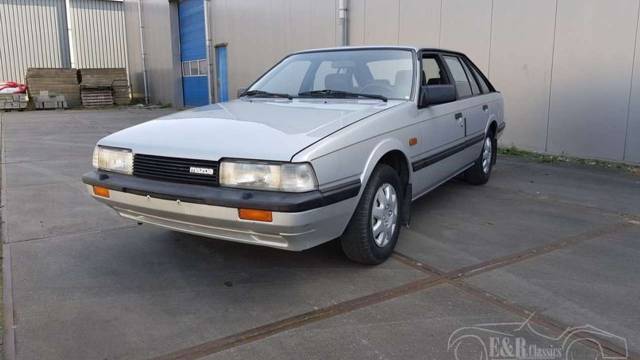
1988 | Mazda 626
Mazda 626 GLX | 67.567 km | 1988

1989 | Mazda 626
MAZDA 626 GLX 2000 12V COUPE 1989 ESEMPLARE UNICO IN ITALIA

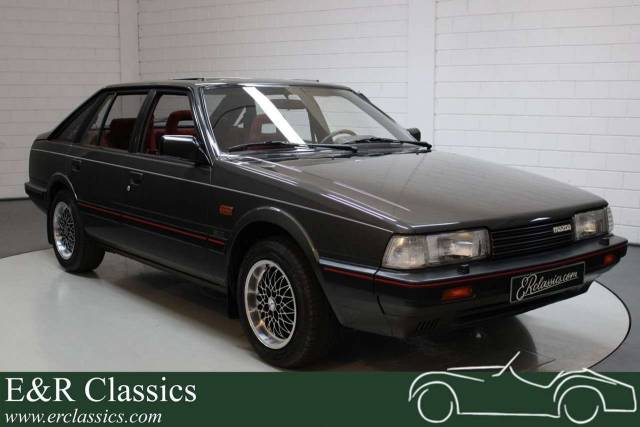
1987 | Mazda 626 2,0 GLX
Mazda 626 GLX 1987 aantoonbaar 186 kilometer
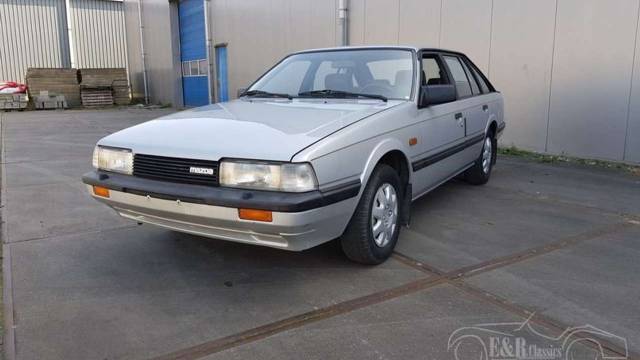
1988 | Mazda 626
Mazda 626 GLX | 67.567 km | 1988
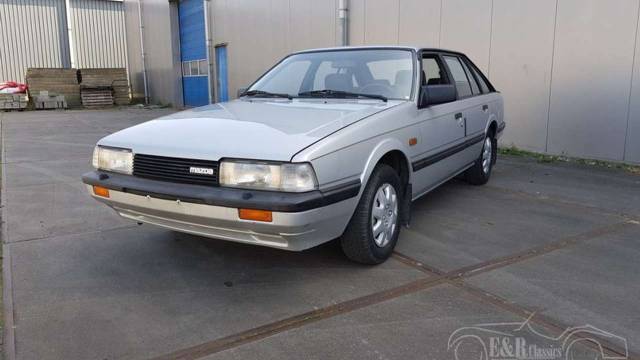
1988 | Mazda 626
Mazda 626 GLX | 67.567 km | 1988
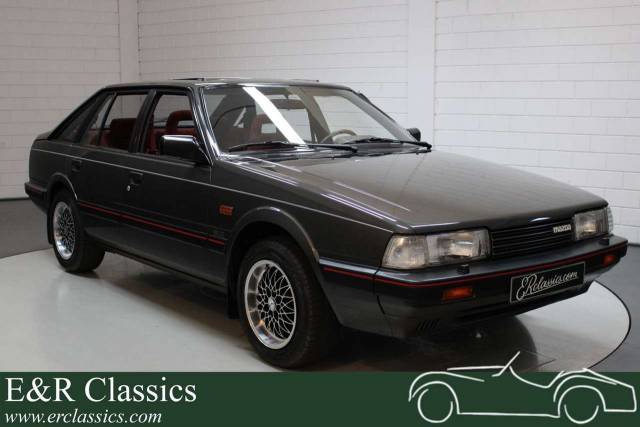
1987 | Mazda 626 2,0 GLX
Mazda 626 GLX 1987 aantoonbaar 186 kilometer
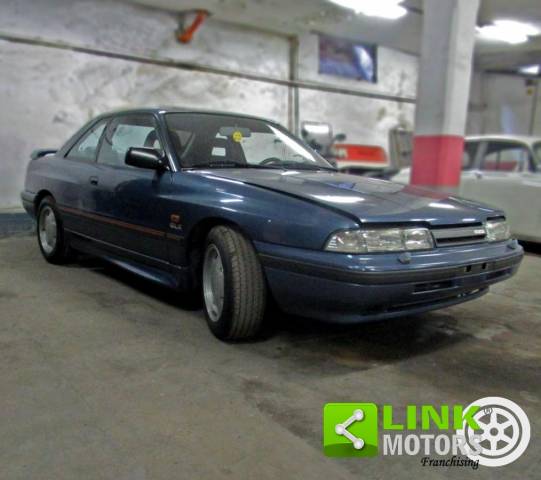
1989 | Mazda 626
MAZDA 626 GLX 2000 12V COUPE 1989 ESEMPLARE UNICO IN ITALIA
Mazda 626 Classic Cars: Prices & Market Values
History of the Mazda 626
The Mazda 626, known domestically as the Capella, entered the market in 1970 as a mid-size vehicle and soon became a core model in Mazda's international lineup. Developed over more than three decades, the 626 firmly positioned Mazda in the competitive mid-size segment against European and Japanese rivals. Notably, the 626’s platform served as the basis for other models, including the Ford Telstar and Ford Probe, thanks to Mazda’s collaboration with Ford. Over 4.3 million units were sold globally across various generations, testifying to its broad appeal and adaptability.
Model History of the Mazda 626
The 626 lineage began in 1970 with the first generation Capella. In Europe, the 626 badge appeared in the late 1970s and saw continuous evolution across multiple generations. Key model codes include the GD/GV (introduced in the late 1980s and characteristic for its solid construction) and GE (launched in the early 1990s, known for more aerodynamic styling). The 626’s enduring design led it to be succeeded by the Mazda 6 in 2002, but the older model’s engineering influences are still visible in later Mazda saloons. Its platform also underpinned Ford’s Telstar range and the Ford Probe coupé in select markets.
Highlights and Features of the Mazda 626
The Mazda 626 is well regarded for its robust build quality, straightforward technology, and strong everyday usability. Classic enthusiasts appreciate features such as the durable petrol engines, efficient diesel options in later years, and a wide range of body styles including saloon, hatchback, estate, and coupé. Accessories like original paintwork, alloy or steel wheels, factory-fitted tow bars, and detail options like xenon fog lamps reflect both utility and a touch of luxury for their time.
Technical Data for the Mazda 626
Special Editions and Collectible Models of the Mazda 626
Occasional limited editions, such as the GT Coupé, offer higher-performing engine specifications and sportier equipment. Other noteworthy details in currently listed models include original paint, optional summer and winter wheels with corresponding alloys or steel rims, factory-fitted towing hooks, and rare xenon fog lamps. These edition-specific features and extras increase their desirability among focused collectors.
Weak Spots and Common Issues for the Mazda 626
Mazda 626s are known for mechanical durability, particularly with proper maintenance. Common points to inspect include the state of the timing chain (Steuerkette) on later engines, possible wear on high-mileage suspension components, and age-related issues such as corrosion in underbody areas or electrical imperfections in models from the 1980s and 1990s. Buyers looking at vehicles with special features like electric accessories or xenon lights should confirm their full functionality.
Engine, Performance and Handling
The 626’s driving dynamics focus on balanced comfort, competent handling, and predictably responsive engines. The model series included reliable inline-fours—most popular were the 2.0-litre and 2.5-litre EGi petrols and durable diesels from later generations. The GT Coupé stands out for sportier road manners, supported by stiffer suspension and higher output. Transmission choices ranged from smooth-shifting manuals to practical automatics. Ride quality and correct steering effort are characteristic of each generation, making the 626 practical both for everyday use and for long distanced journeys. - Mazda 626 GT Coupé: Noteworthy for the more powerful engine and pronounced sporting character.
- Mazda 626 GD/GV: Recognised for robust construction and broad variety of engines.
- Mazda 626 GE: More aerodynamic design and modernised technology features.
Design, Interior and Accessories
The Mazda 626 evolved significantly with each generation: early models exhibit restrained 1970s saloon lines, while late-1980s variants (GD/GV) show more angular styling. The 1990s GE series features a rounded, aerodynamic body. Interiors are typically functional and well-laid out, emphasising durability over extravagance. Original paintwork and upholstery condition are prized among collectors. Accessories found in currently available cars include both alloy and steel wheels, optionally supplied summer and winter tyres, factory towing hooks, and advanced options such as xenon fog lamps. Equipment and accessories varied by trim level and market, with top trims offering more comfort or additional exterior detail.
Other Relevant Features
The Mazda 626’s reputation for low running costs, high parts availability due to shared platforms with Ford models, and its resilience against daily wear continues to appeal to classic car fans. Vehicles with a known ownership and service history often prove especially trouble-free over time.
Summary of the Mazda 626
For enthusiast drivers and collectors seeking a classic mid-size saloon with a proven track record, the Mazda 626 offers a compelling mix of mechanical reliability, usability, and availability. With over 81% of classic Mazda listings and nearly 92% of search demand in the classic sector focused on the 626, this series clearly stands out in its segment.