Mazda RX-7 Classic Cars for Sale
The Mazda RX-7, a defining Japanese sports car produced from 1978 to 2002, is famed for its lightweight Wankel rotary engine, rear-wheel drive, and distinctive pop-up headlights. With its unique engineering and character, the RX-7 appeals to purists and enthusiasts looking for an agile, high-revving classic that stands out from conventional sports coupés.
Search results
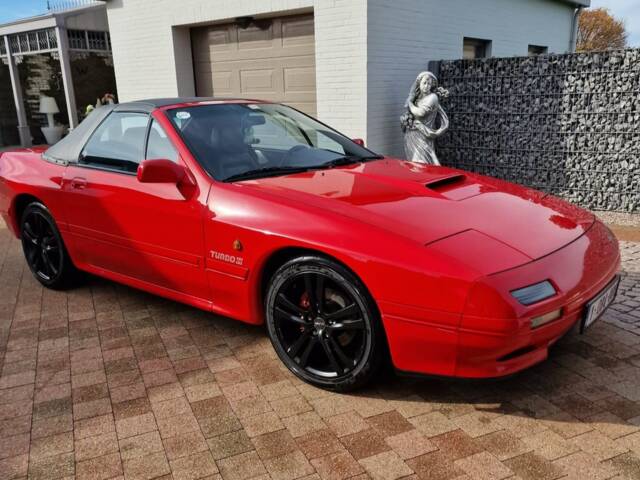
1988 | Mazda RX-7 Turbo
Mazda RX-7 Cabriolet | 1988 | Route 66 Auctions - For sale by auction. Estimate 6600 EUR

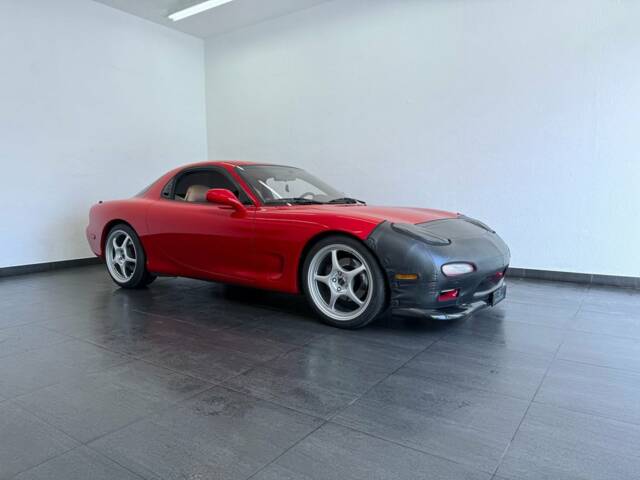
1993 | Mazda RX-7
MAZDA Twin Turbo

Mazda RX-7 listing references from Classic Trader
Below you will find listings related to your search that are no longer available on Classic Trader. Use this information to gain insight into availability, value trends, and current pricing for a "Mazda RX-7" to make a more informed purchasing decision.
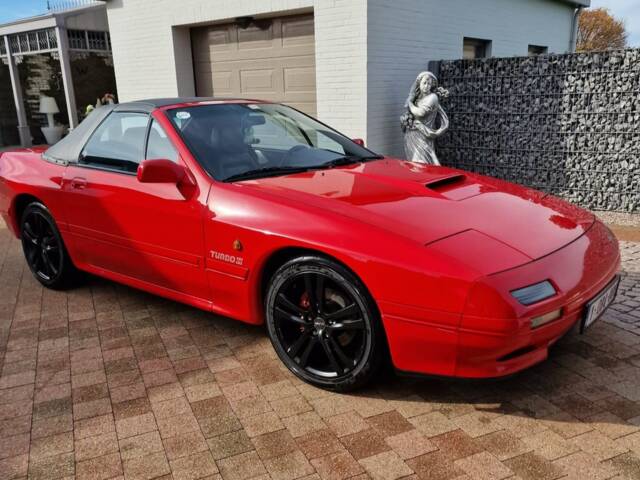
1988 | Mazda RX-7 S
Mazda RX-7 Cabriolet | 1988 | Route 66 Auctions - For sale by auction. Estimate 6600 EUR
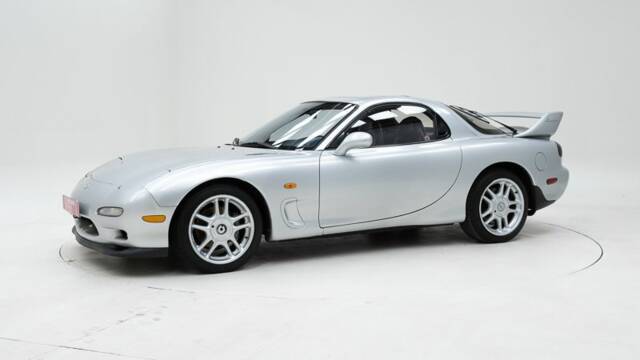
1992 | Mazda RX-7
1992 Mazda RX7 '92

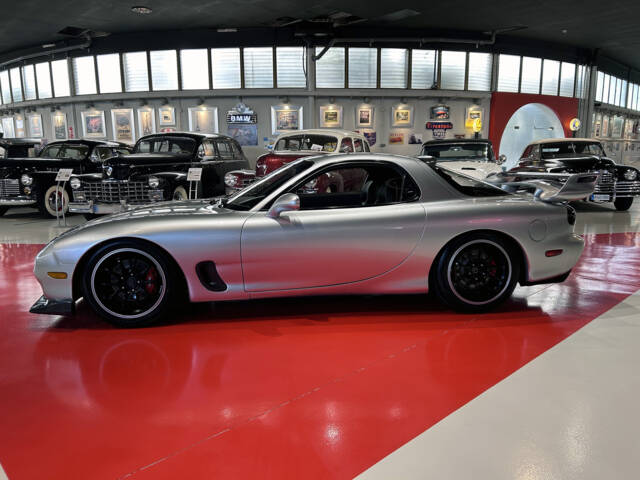
1992 | Mazda RX-7

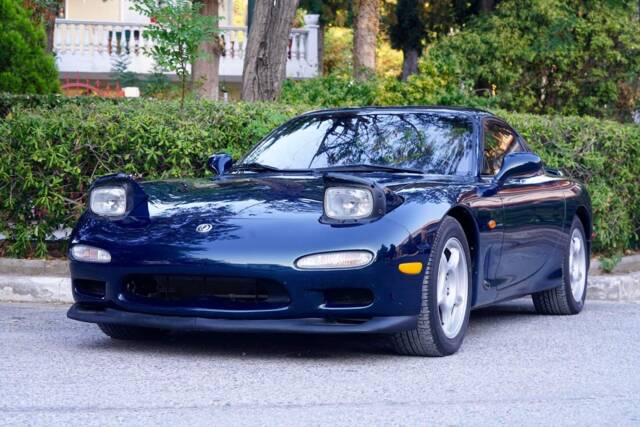
1993 | Mazda RX-7
Mazda RX-7 FD – 30,723 km – Completely Original – Collector Condition

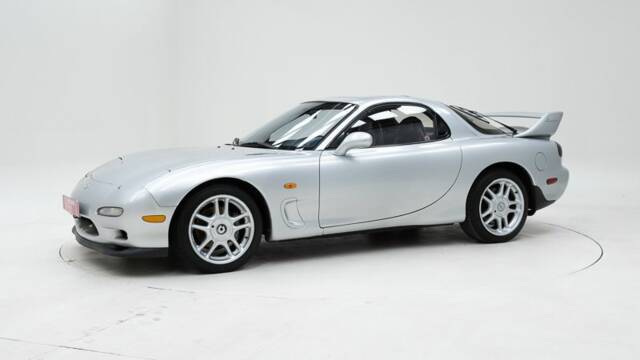
1992 | Mazda RX-7
1992 Mazda RX7 '92
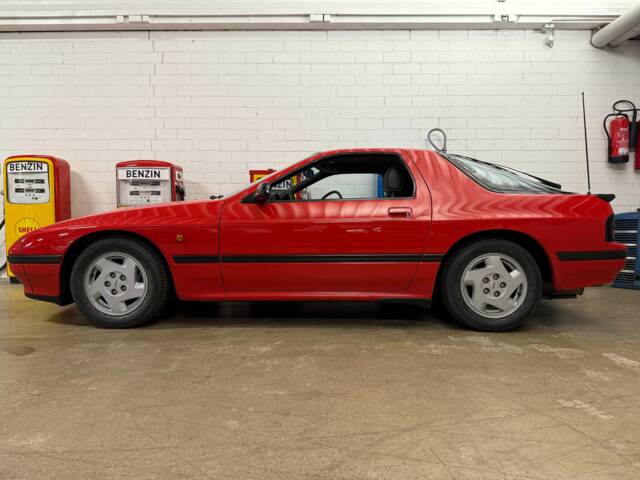
1987 | Mazda RX-7 Turbo
Mazda RX-7
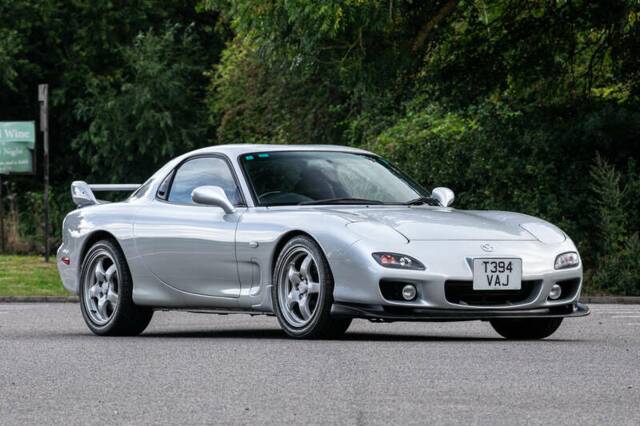
1999 | Mazda RX-7
1999 Mazda RX-7 FD RS

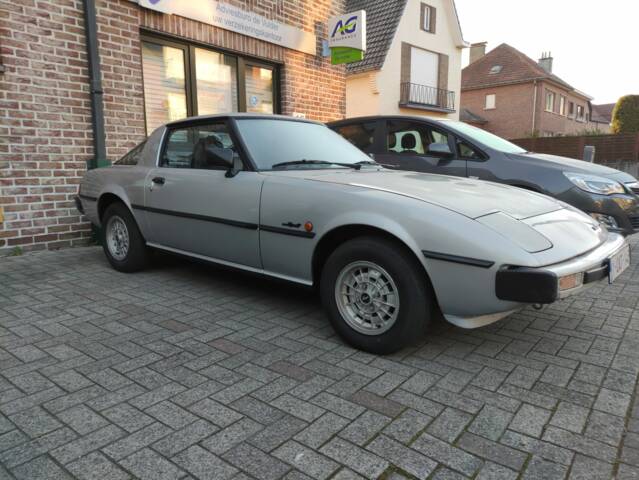
1980 | Mazda RX-7
Mazda RX-7 | 1980 - For sale by auction. Estimate 6450 EUR
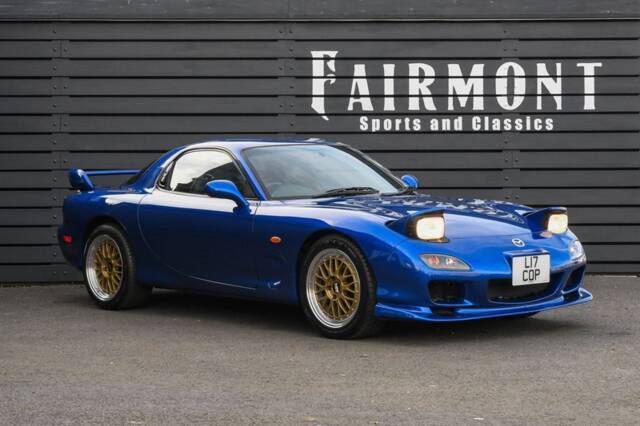
1999 | Mazda RX-7
Mazda RX-7 Type-RS
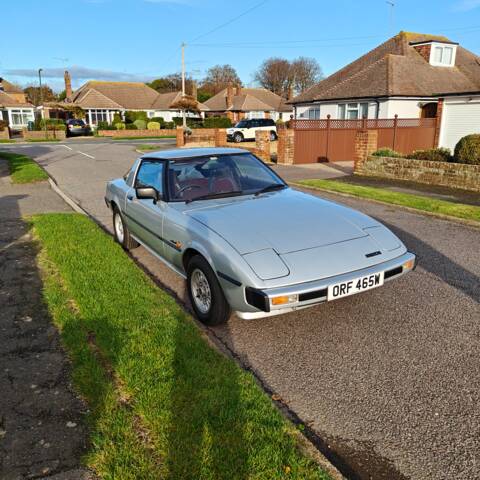
1980 | Mazda RX-7
Mazda RX7 series 1, Gen 1 (SA22) registered 1980 (Road TAX and MOT exempt)
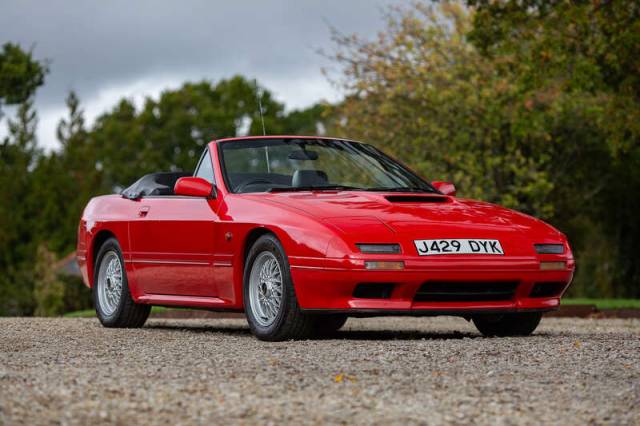
1992 | Mazda RX-7 Turbo
1992 Mazda RX-7 Turbo II Cabrio
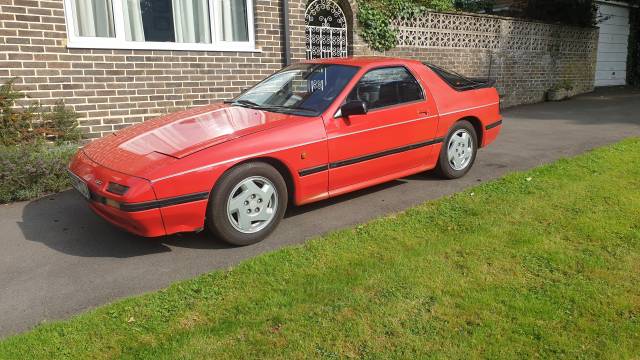
1989 | Mazda RX-7 S
FC egi
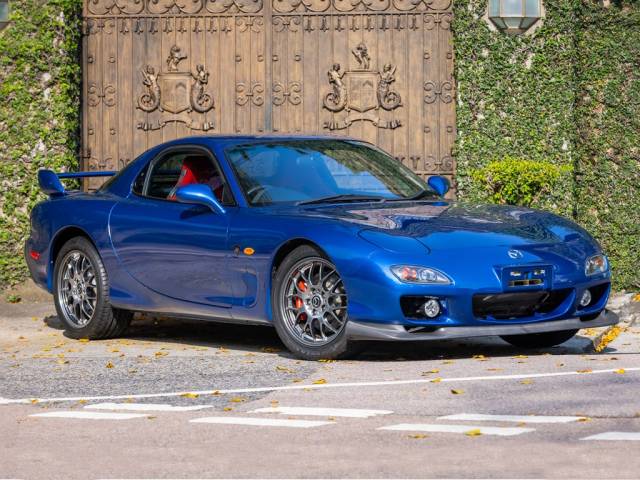
2002 | Mazda RX-7
2002 Mazda RX-7 Spirit R Type-A
Mazda RX-7 Classic Cars: Prices & Market Values
History of the Mazda RX-7
Manufactured between 1978 and 2002 over three generations, the Mazda RX-7 defined itself through rotary engine technology and a pronounced sporting identity. Initially intended as the successor to the Savanna RX-3, the RX-7 arrived during a pivotal time marked by the oil crisis, when alternatives to large-displacement engines gained favour. The car’s light construction and the use of a compact 1.1-litre rotary engine (SA-series) gave it dynamic advantages unrivalled in its class. Subsequent updates witnessed increases in power and refinement, from improved disc brakes to a stiffer chassis and higher build quality in the interior, especially with the FB and FC iterations. The third-generation FD, introduced in 1991, took this evolution to its zenith, employing twin-turbocharged rotary engines capable of up to 280PS (206kW) in its final form, and offering advanced handling capabilities. While the RX-7 was more exclusive in Europe, it achieved cult status in Japan and North America.
Model History
The RX-7 lineage began in 1978 (SA/SA22C), running until 1984, powered by a 12A rotary engine. In 1981, a facelift yielded greater power and minor feature upgrades. The FB model succeeded and was considerably more refined. The second generation, FC (1985–1991), introduced turbocharging, upgraded suspension, and more comfort features, further evolving the RX-7 into a sophisticated sports car. The third and final generation, FD (1991–2002), became the most powerful and technically advanced, featuring sequential twin-turbocharging with outputs up to 280PS. Notably, cabriolet versions appeared from the FC-series onwards, broadening the appeal. Production ceased in 2002, but Mazda’s rotary development continued with the RX-8.
Highlights of the Mazda RX-7
Key features of the RX-7 include the use of the Wankel rotary engine in all models, a lightweight chassis starting at just over 1,000kg, and a 50:50 weight distribution resulting in exceptional handling. Every generation came with pop-up headlights and a design optimised for aerodynamics. Distinct colours—like the rare 'Mach Green'—were available. Interior options ranged from original leather to various vinyl trims. The RX-7 was notable for maintaining a purist’s connection to the road and an unmistakable rotary sound.
Technical Data
Special Editions and Collectible Models
Numerous limited editions of the RX-7 exist, often featuring unique paint, interior finishes, and performance upgrades. Rare editions in Europe include models in 'Mach Green' and 'Sunbeam Silver Metallic'. The FC-generation saw a convertible option fitted with an electric soft-top. Japan-only special variants, often celebrating racing successes, remain highly sought after worldwide. Many RX-7s were also delivered with limited equipment packages, enhancing their exclusivity.
Weak Spots and Common Issues
The RX-7’s Wankel engine, though renowned for smoothness and high-revving character, requires attentive maintenance. Oil consumption is higher by design; regular checks are essential. Apex seal wear is a concern with older engines, especially those lacking meticulous service history. Cooling systems on turbo models are complex and demand careful checks for leaks and overheating issues. Many RX-7s have aftermarket modifications—originality can be an issue for purists, and attention to corrosion (especially in the sills and underbody) is warranted, particularly in European cars. Availability of spare parts remains good for early models, and original manuals and records often accompany well-preserved examples.
Engine, Performance, Transmission and Handling
The heart of every RX-7 is the lightweight rotary engine, producing a linear powerband and a distinctive driving experience. First-generation models offer lively acceleration, with the turbocharged engines of later FC and FD generations delivering serious performance thanks to Mazda’s pursuit of lightweight design and engineering innovation. A 50:50 weight balance, rear-wheel drive, and firm suspension permit agile handling and rewarding cornering behaviour. The FD in particular stands out for its advanced twin-turbo setup and race-derived braking system. - RX-7 SA22C (1978–1984): 1.1-litre 12A, ~105PS, reliable entry into rotary motoring
- RX-7 FB (1981–1985): Improved brakes and interior, 1.2-litre upgraded rotary
- RX-7 FC (1985–1991): Turbocharged 1.3-litre 13B, convertible available, higher comfort and safety equipment
- RX-7 FD (1991–2002): 1.3-litre sequential-turbo, up to 280PS, fastest/lightest handling in the lineage
Interior, Comfort, Exterior and Design
All RX-7 generations share classic coupe design cues: long bonnets, short overhangs, and pop-up headlights set beneath a crisply contoured front. Early models prioritised simplicity, lightweight materials, and a cockpit geared towards driving enthusiasts—often featuring leather or period vinyl seats in black, brown, maroon, or white. Steering wheels varied from three-spoke leather to more modern ergonomics in newer series. FC and FD models added comfort elements, such as electric windows, air conditioning and even cruise control on higher trims. The covertible FC offered open-air driving, while special alloy wheels and vibrant paint colours further enhanced the RX-7’s sporting image. Optional extras included sporty stainless exhausts, power mirrors and rare in-period accessories still sought by collectors.
Other Features
Classic RX-7s frequently come with full service history, manuals, and period accessories. The model achieved steady sales in Europe—especially the UK, Germany, and Benelux nations—and is widely traded globally. Many RX-7s qualify for historic tax status, increasing their appeal among enthusiasts. The model is also known for its recognised place in motorsport, having been actively used in racing and club events.
Summary
The Mazda RX-7 stands apart with its rotary engine, distinctive design, and agile chassis across three generations. Whether searching for a rare early SA, a turbocharged FC, or a performance-focused FD, the RX-7 offers a pure driving experience and a tangible link to the heyday of Japanese sports car innovation. Its enduring popularity and vibrant owners’ community ensure it remains a standout classic on both road and track.