Lotus Mark VI classic cars for sale
Introduced in 1952 by Colin Chapman, the Lotus Mark VI set new standards for lightweight engineering and motorsport accessibility. Delivered as a kit, owners could choose engine and gearbox combinations, making it a versatile entry into racing and club-level competition.
Search results
Currently, there are no matching listings for your search.
Create search alert
Let yourself be notified as soon as a listing is published that matches your search filters.
Create listing
Do you have a Lotus Mark VI that you want to sell? Then create a listing now.
Create listingLotus Mark VI listing references from Classic Trader
Below you will find listings related to your search that are no longer available on Classic Trader. Use this information to gain insight into availability, value trends, and current pricing for a "Lotus Mark VI" to make a more informed purchasing decision.
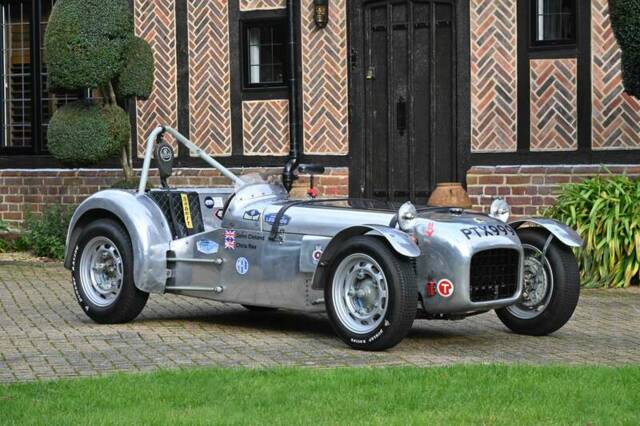
1955 | Lotus Mark VI
1955 Lotus Mk6 - Coventry Climax #74

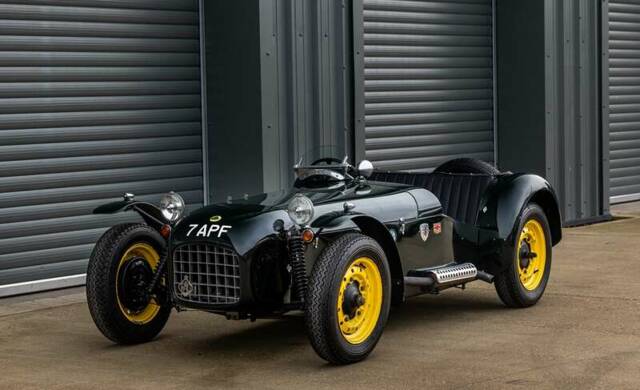
1956 | Lotus Mark VI
1956 Lotus Mk VI
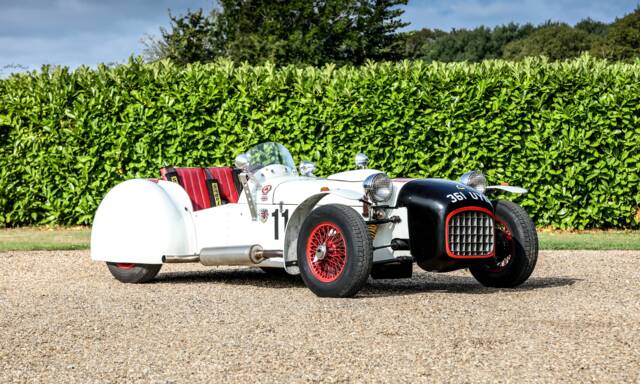
2014 | Lotus Mark VI
2014 Lotus VI Evocation
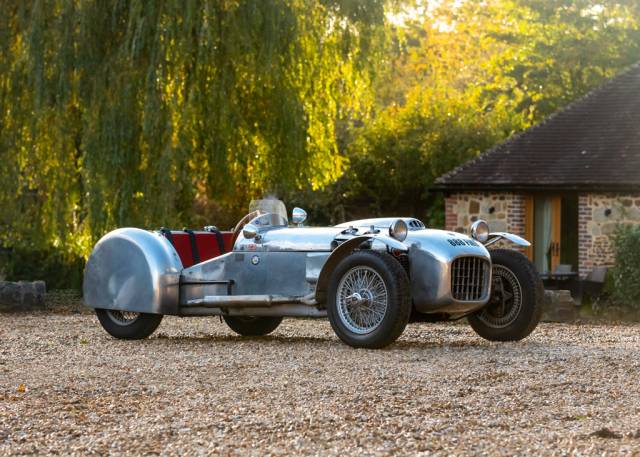
1955 | Lotus Mark VI
Lotus Mk. VI
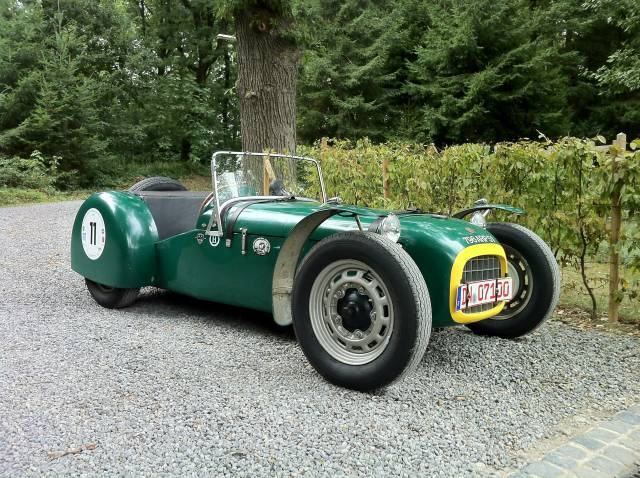
1955 | Lotus Mark VI
Sehr original. Registriert im Lotusregister und im Lotus Mark VI Buch.

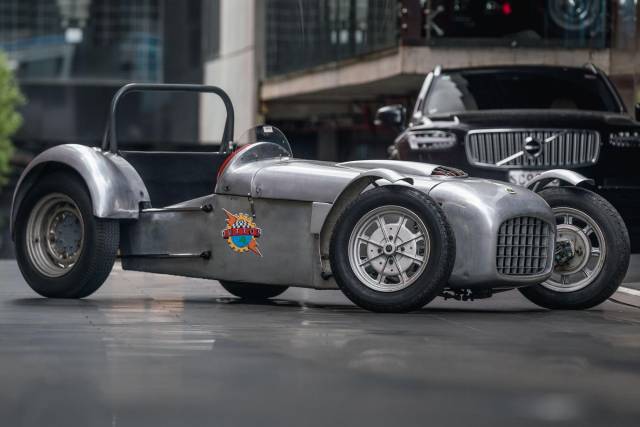
1954 | Lotus Mark VI
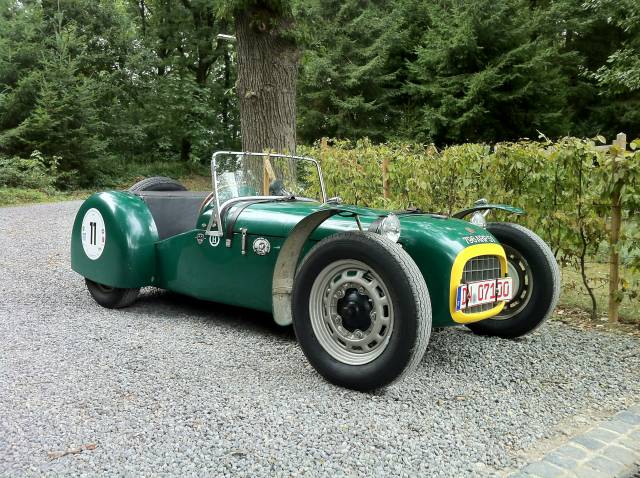
1955 | Lotus Mark VI
Auf den Spuren von Colin Chapman

1954 | Lotus Mark VI
Fait partie des 7 voitures construites par Colin Chapman.

Create search alert
Let yourself be notified as soon as a listing is published that matches your search filters.
Create listing
Do you have a Lotus Mark VI that you want to sell? Then create a listing now.
Create listingLotus Mark VI Classic Cars: Prices & Market Values
History of the Lotus Mark VI
The Lotus Mark VI marks the transition of Lotus from a builder of specialised trials and racing vehicles to a recognised manufacturer of production cars. Launched in 1952 by Colin Chapman, the Mark VI represented a significant leap in engineering and concept: its semi-spaceframe chassis combined robust rigidity with minimal weight, a configuration that set the template for later Lotus vehicles. The Mark VI’s kit format enabled motorsport enthusiasts to engage directly in the construction and tailoring of their own racing car, aligning perfectly with the DIY spirit of 1950s British car culture.
Model History
Preceding the Mark VI, Lotus’ output consisted primarily of bespoke trials and competition cars. The Mark VI, as the company’s production debut, laid the groundwork for the famed Lotus Seven which followed and established the basic engineering philosophies Lotus became known for. No direct successor was planned immediately, but the modular, customer-targeted kit idea persisted notably in subsequent Lotus models, maintaining Chapman’s vision of racetrack accessibility.
Highlights and Special Features
The most distinctive technical feature of the Mark VI was its semi-spaceframe chassis, which prioritised rigidity without unnecessary mass. The model’s kit configuration allowed enthusiasts to select their own engine and transmission, opening the field to a broad customer base and aligning the car for eligibility in diverse motorsport categories. This adaptability and hands-on approach to construction made the Mark VI both practical and profoundly influential in club racing circles.
Technical Data
Special Editions and Collector Models
Factory specials of the Mark VI are rare, as most models were individually configured by customers using the kit format. However, certain examples fitted with rare Coventry Climax engines or raced in significant events are known to command particular attention in historic motorsport circles due to their provenance and specific build history.
Weak Spots and Common Issues
As the Mark VI was often assembled by individual owners rather than at the factory, the quality of the build can vary significantly. Chassis corrosion can affect survivors, especially if original protection measures were neglected. Replacement of frame components or panelwork may be common. Given the variety of engines and gearboxes, mechanical issues depend on the chosen components, but regular inspection of all structural and running gear elements is vital for ongoing reliability.
Engine, Performance, Transmission and Handling
With its ultra-light semi-spaceframe and typically small-displacement, high-revving engines, the Mark VI set benchmarks for agility. The straightforward suspension layout promoted predictable handling and rapid feedback. Roadholding and steering response put the Mark VI at the forefront of clubman racers of its era, making it highly competitive in its classes and extremely rewarding for drivers focused on feel rather than outright power. Popular Mark VI builds have featured Coventry Climax engines, Ford side-valve inline-fours, and a variety of other period-appropriate units. Cars fitted with lighter, more powerful engines exhibit a particularly impressive power-to-weight ratio, enhancing their desirability in vintage racing and hillclimb events.
Interior, Comfort, Exterior and Design
Designed with minimalism at its core, the Mark VI’s aesthetic is firmly rooted in function. The bodywork typically presents the period’s classic racing silhouette: narrow, low-profile lines, exposed wheels, and basic cockpit instrumentation. Factory-supplied body panels were usually unpainted aluminium, though many cars received vivid British racing colours or personal touches. The cockpits were strictly purposeful—no carpets, basic bucket seats, and a clear focus on weight savings. No factory list of accessories or luxury fittings existed, but individual owners often tailored the finish, gauges, and switches to taste.
Other Noteworthy Features
The Mark VI’s modular approach to both chassis and powertrain components significantly influenced future Lotus models and the broader trend in clubman racing specials. The adaptability for various competitions, paired with its hands-on assembly ethos, ensured each surviving car has a distinct history, often reflected in period modifications, custom finishes, or competition successes.
Summary
The Lotus Mark VI was Colin Chapman’s bold vision of accessible motorsport realised in vehicle form: lightweight, adaptable, and remarkably participative for the buyer. Each Mark VI is a unique reflection of its original owner’s choices, from engine and gearbox to trim and competition use. Survivors today are often the result of careful restoration or well-preserved period builds, making every example a piece of motorsport and engineering history.