Lotus Eleven Classic Cars for Sale
The Lotus Eleven is a true engineering masterpiece of the 1950s, recognised for its uncompromising focus on lightweight design, advanced aerodynamics, and racing pedigree. Built in a very limited production run between 1956 and 1958, the Eleven set benchmarks for both performance and efficiency on the track, and still fascinates car enthusiasts and collectors today.
Search results

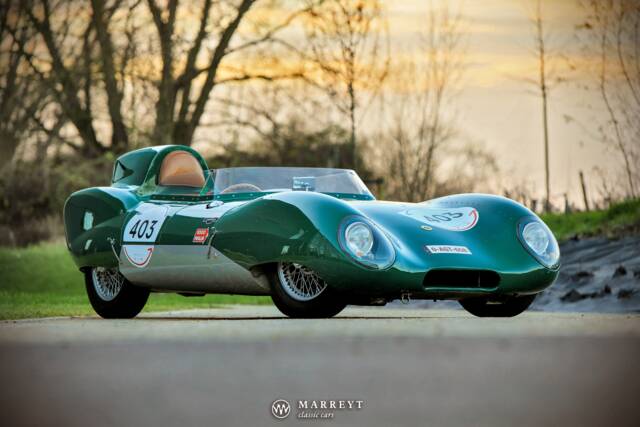
1956 | Lotus Eleven
Lotus Eleven S1 - Le Mans - 1.5L FWB - Mille Miglia Registro

Lotus Eleven listing references from Classic Trader
Below you will find listings related to your search that are no longer available on Classic Trader. Use this information to gain insight into availability, value trends, and current pricing for a "Lotus Eleven" to make a more informed purchasing decision.
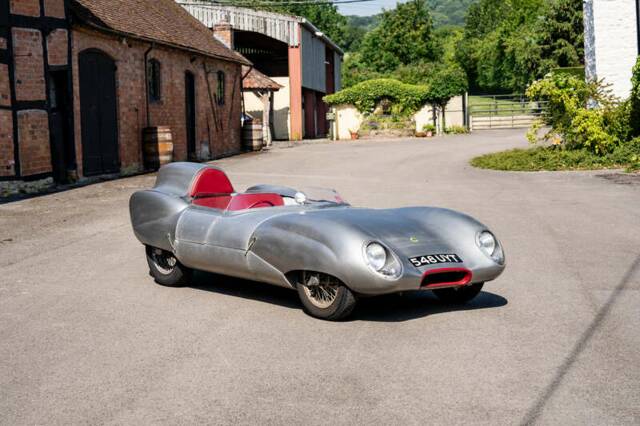
1956 | Lotus Eleven
1956 Lotus Eleven Le Mans

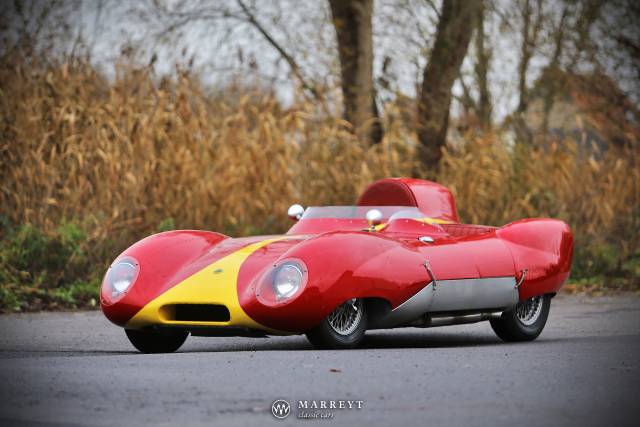
1956 | Lotus Eleven
S1 'Le Mans' - 1100cc - Matching - Full (race)history
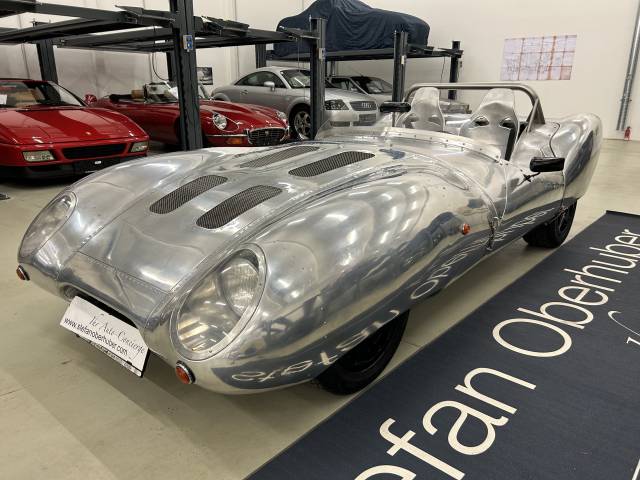
1958 | Lotus Eleven
Recreation based on a Caterham chassis

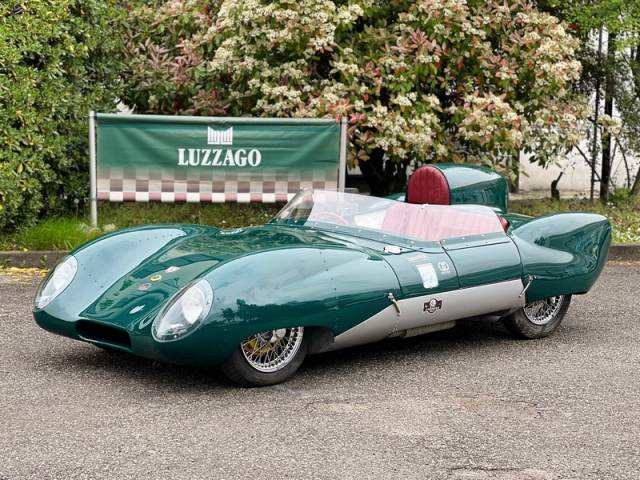
1957 | Lotus Eleven

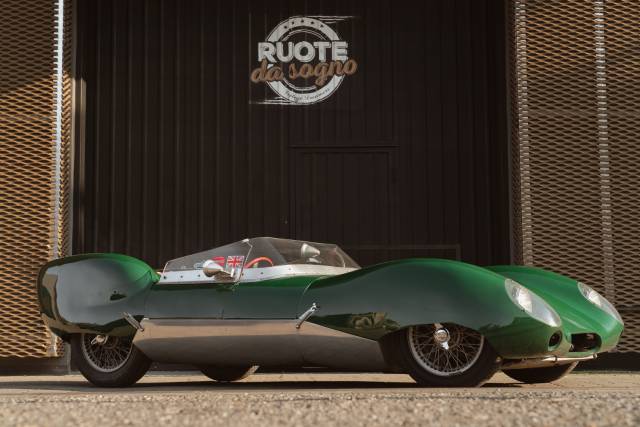
1959 | Lotus Eleven
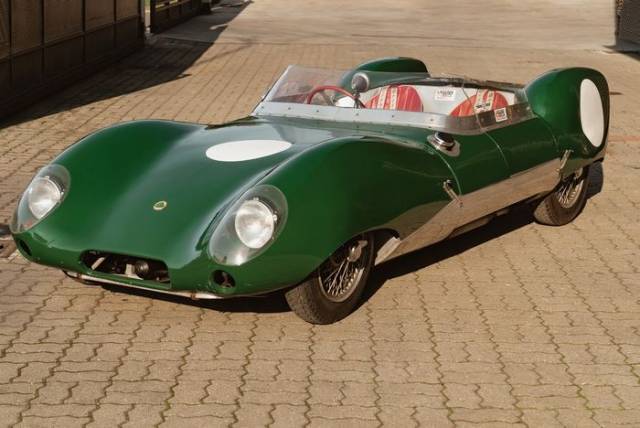
1958 | Lotus Eleven

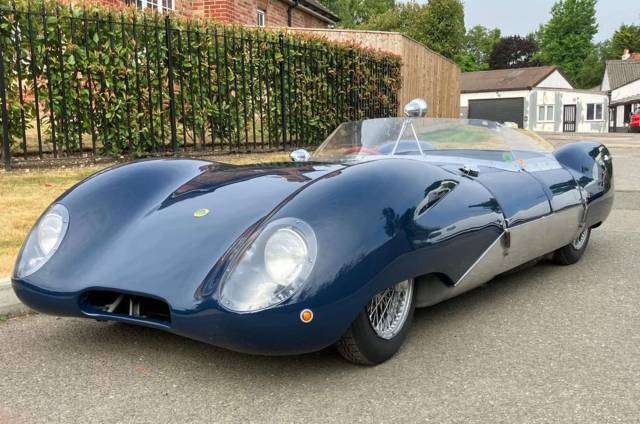
1980 | Lotus Eleven
1980 Lotus XI Recreation by Andrew Denton
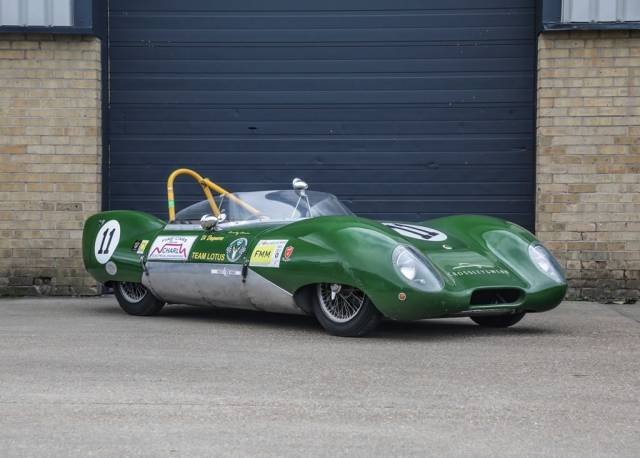
1980 | Lotus Eleven
Lotus Eleven Replica By Andrew Denton
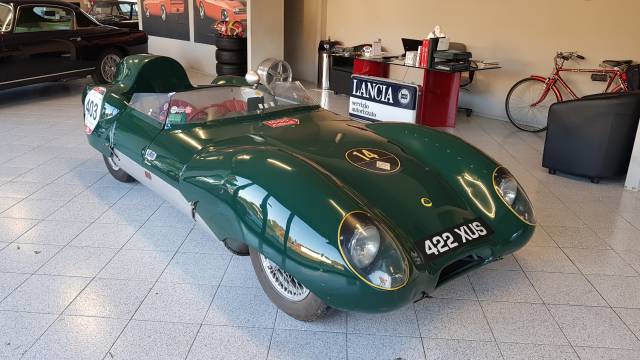
1956 | Lotus Eleven
Le Mans
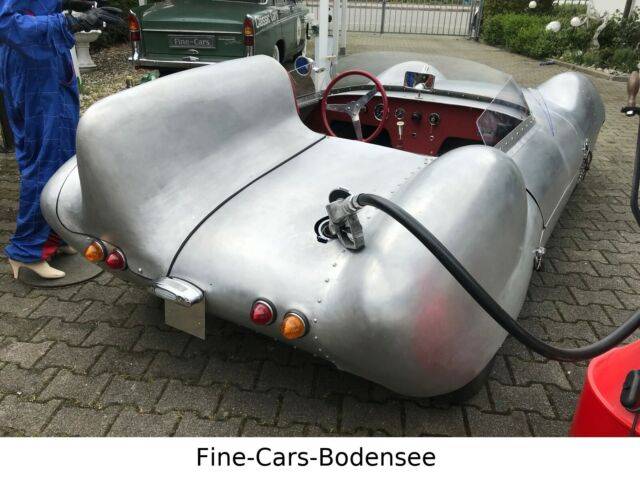
1960 | Lotus Eleven
Lotus Eleven voll-Aluminium restauriert extrem schnell

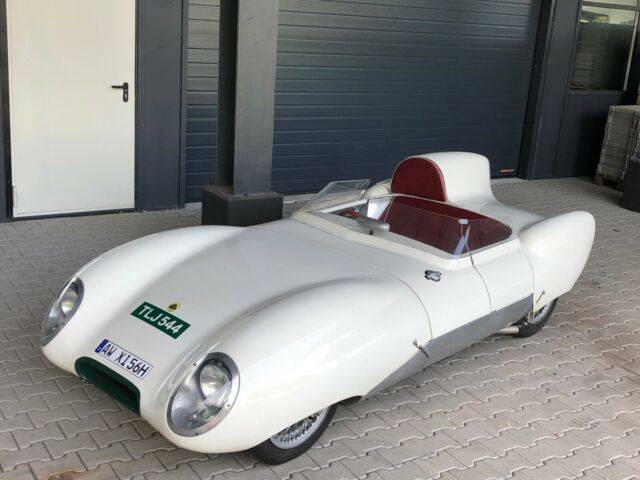
1956 | Lotus Eleven
Ex-Nigel Moores
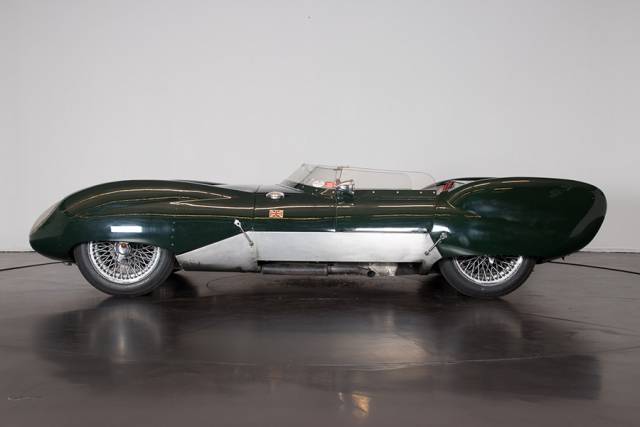
1956 | Lotus Eleven

1956 | Lotus Eleven
2-eleven originale no replica!!! matchin numbers
Lotus Eleven Classic Cars: Prices & Market Values
History of the Lotus Eleven
The Lotus Eleven was conceived and built from 1956 until 1958 by Lotus Engineering in the UK, a period marked by rapid innovation in motorsport. The Eleven’s aluminium body, engineered by Frank Costin, delivered exceptional aerodynamics for its era. Attached to a tubular spaceframe designed by Colin Chapman, the Eleven was lightweight, with some variants tipping the scales at about 490 kg. Initially, the front end used a typical Lotus wishbone suspension, later updated to double wishbones to improve handling and stability. Its motorsport record includes notable endurance feats, like covering 221 km in one hour at Monza while averaging just 8.7 litres per 100 km. With only around 270 produced, each Eleven carries its unique competition and ownership history.
Model History
The Lotus Eleven lineage comprises three main versions: the Le Mans, the Club, and the Sport. The Le Mans model featured a De Dion rear axle, disc brakes, and could be equipped with either a 1.1 or a 1.5-litre Coventry Climax engine. The Club version was a two-seater fitted with a live rear axle, drum brakes, and usually a lower-displacement Coventry Climax engine. The Sport version distinguished itself with a 1172cc Ford side-valve engine. Production ended in 1958, and Lotus introduced the Lotus 17 as the successor from 1959, of which only 23 units were made.
Highlights and Special Features
The Lotus Eleven is one of the most significant racing machines produced by Lotus, combining ultra-lightweight construction, advanced aerodynamics, and impressive motorsport credentials. The record at Monza, where Stirling Moss achieved an average speed of 229 km/h, demonstrates the Eleven’s efficiency and speed even with modest engine resources. Many chassis and bodyshells were crafted individually and feature elements like hand-riveted aluminium skins and highly specialised engineering solutions. Its limited series production and focused motorsport orientation distinguish the Eleven from most other classic Lotus models.
Technical Data
Special Editions and Notable Variants
The most celebrated version is the Eleven Le Mans, built for endurance racing with advanced hardware and available with both 1.1 and 1.5-litre Coventry Climax engines. Occasional references are made to 'Lotus 13' for late 1958 cars, but this was never an official designation. Due to homologation and event requirements, some GT-class Elevens were equipped with gullwing doors, making these particular models especially sought after by historic racing enthusiasts.
Weak Spots and Common Issues
Due to their hand-built nature, each Lotus Eleven may present unique quirks. The lightweight aluminium coachwork is prone to damage and corrosion if not cared for properly. The spaceframe chassis must be checked for signs of fatigue or previous repairs, especially if the car was used in motorsport. Mechanical components, particularly the Coventry Climax engines and early Lotus suspensions, require careful maintenance with an understanding of period race technology. Replacement parts for original components and specialised expertise are often necessary for restoration or upkeep.
Engine, Performance, Transmission and Handling
With a best-case power-to-weight ratio far beyond its contemporaries, the Lotus Eleven delivers a pure racing driving experience. Its minimal mass and refined aerodynamics allow remarkable cornering speeds and linear acceleration. The double wishbone front and De Dion rear suspensions in later versions provide nimble, predictable handling on the limit, and the mechanical layout rewards precision. Transmission is usually a manual close-ratio box, tailored for racing applications. Period tests and race records highlight fuel efficiency, high average speeds, and the vehicle’s dominance in 1.1-litre and 1.5-litre sportscar classes. • Lotus Eleven Le Mans (Coventry Climax, 1.1–1.5L, De Dion axle, disc brakes) • Lotus Eleven Club (Coventry Climax, lower output, drum brakes) • Lotus Eleven Sport (Ford side-valve, 1172cc, live axle)
Interior, Comfort, Exterior and Design
Frank Costin’s work on the Eleven’s form is defined by an uncompromising focus on aerodynamics, with a rounded ‘barchetta’ silhouette, low cockpit, and extended body panels to cover the wheels—intended to reduce aerodynamic turbulence and optimise downforce. The cockpit is minimal, strictly functional, with lightweight seats and essential instrumentation. Many bodies were hand-polished, and custom detail work is common. The right-hand drive layout, asymmetrical fairings, and unique windscreen design all contributed not only to aerodynamic gains but also to Lotus’ distinctive look in this era. Rare models featured gullwing doors to meet certain race series’ requirements.
Other Noteworthy Features
Many Lotus Elevens saw later modification or recreation, featuring alternative chassis (e.g., Westfield fibreglass replicas, Ford Sierra-based recreations) and non-original engines. This has created a vibrant aftermarket and international following, with ongoing interest in both period-correct restoration and faithful recreation projects. The Eleven’s eligibility for vintage motorsport and its continued eligibility for certain road registration scenarios underscore its enduring technical relevance.
Summary
The Lotus Eleven stands out as a lightweight, purpose-built racing car from the golden era of British motorsport. Its advanced aerodynamics, innovative chassis design, and racing success make it a reference for race engineering enthusiasts. With only about 270 units built between 1956 and 1958, each example has a unique story, and their presence on the classic market remains highly singular, reflected in exclusive supply and demand statistics. Whether as an original, a faithful recreation, or a rare road-registered example, the Eleven embodies the innovative spirit and technical prowess of Lotus in the 1950s.