Lotus Elite classic cars for sale
The Lotus Elite is a British engineering milestone, renowned for its innovative fibreglass monocoque chassis, lightweight construction, distinctive coupe styling, and a motorsport heritage with notable Le Mans successes. Both the 1957–1963 Type 14 and the later 1974–1982 Type 75/83 mark distinct eras in Lotus history, offering enthusiasts groundbreaking design and spirited performance.
Search results
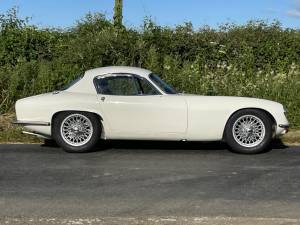
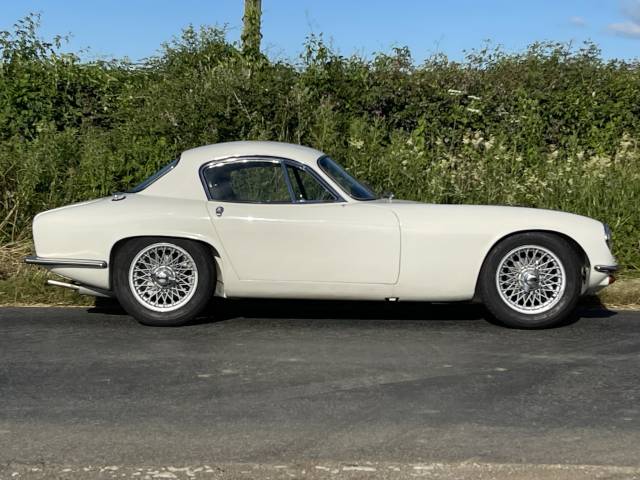
1962 | Lotus Elite S2
Lotus Elite Series 2

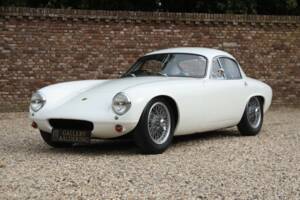
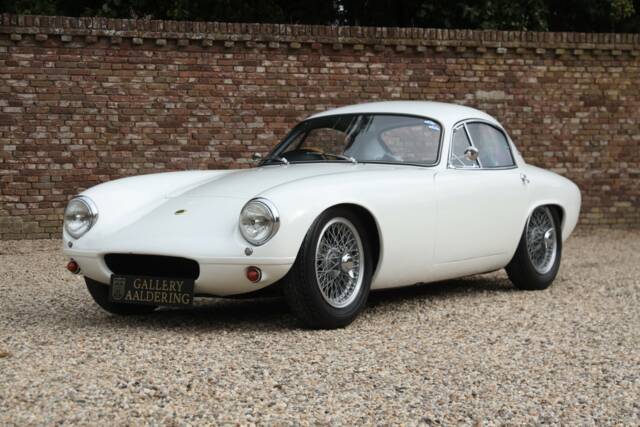
1961 | Lotus Elite S2
Lotus Elite Super 100 "The first built Super 100" Superb and extremely original condition, Comes with lot of racing history from new, The first built Super 100 - Confirmed in the Lotus Elite book by Dennis Ortenburger, Elite Super 100 - equipped with double Weber carbs - special exhaust manifold - ZF gearbox - Borrani wheels - long distance fuel tank and Monza filler cap, One of only five ever built

Lotus Elite listing references from Classic Trader
Below you will find listings related to your search that are no longer available on Classic Trader. Use this information to gain insight into availability, value trends, and current pricing for a "Lotus Elite" to make a more informed purchasing decision.
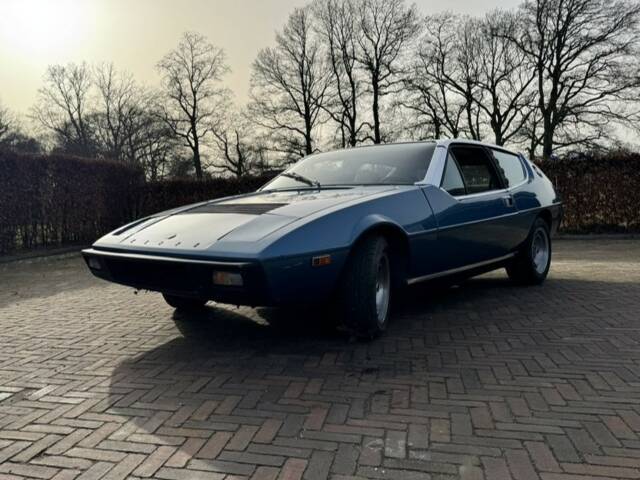
1973 | Lotus Elite (501)
Lotus Elite | 1973 | Route 66 Auctions - For sale by auction. Estimate 4500 EUR
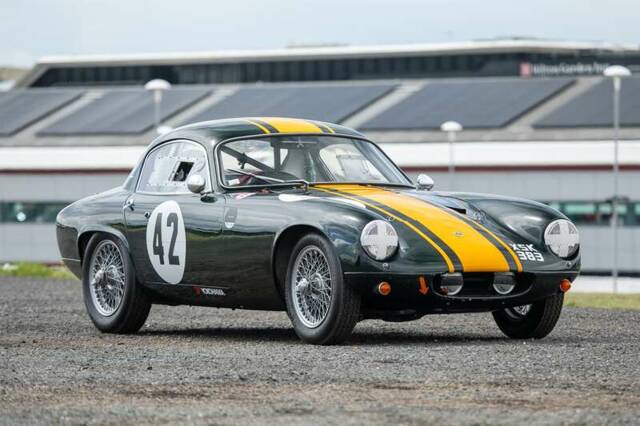
1961 | Lotus Elite S2
1961 Lotus MK14 Elite 'Super 95' FIA
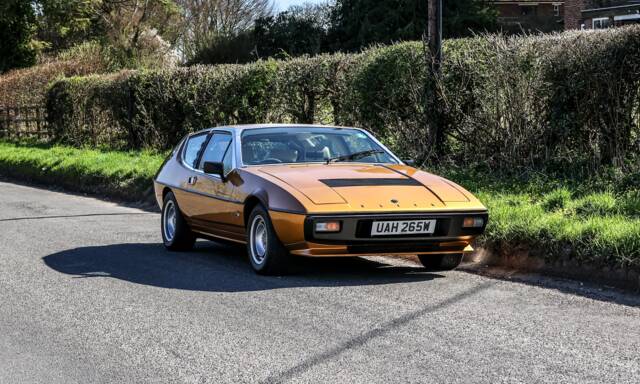
1981 | Lotus Elite S
1981 Lotus Elite S2.2 (Type 83)
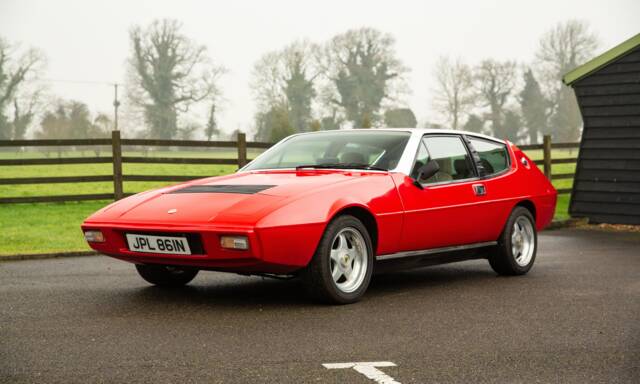
1975 | Lotus Elite (503)
1975 Lotus Elite 503
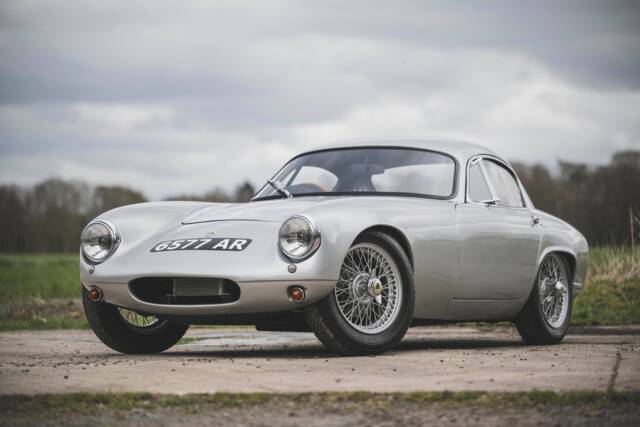
1960 | Lotus Elite
Wonderful Classic Lotus - Racing Heritage - Recent Recommission
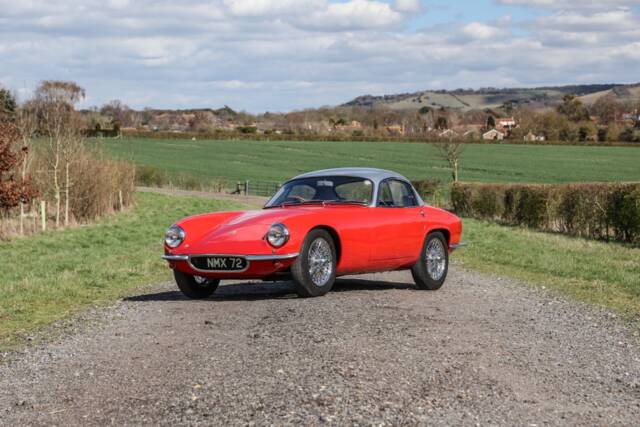
1962 | Lotus Elite S2
Lotus Elite S2
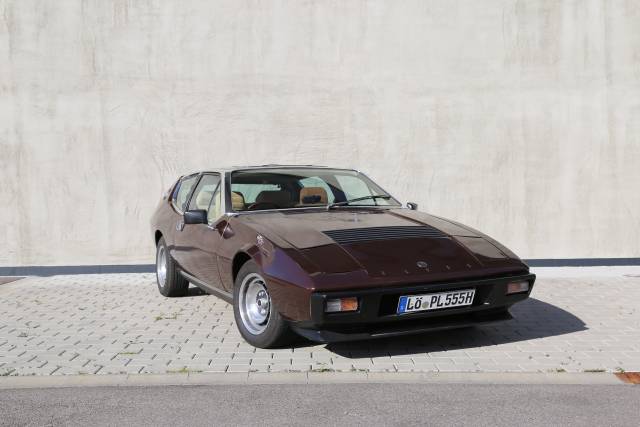
1979 | Lotus Elite (502)
Rechtslenker in braun metallic

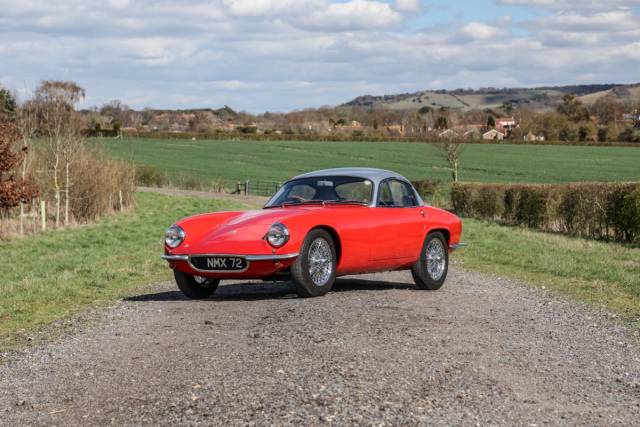
1962 | Lotus Elite
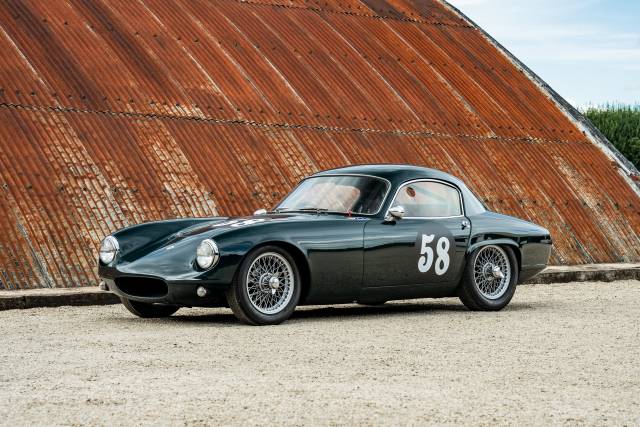
1961 | Lotus Elite S2
"R" Designation
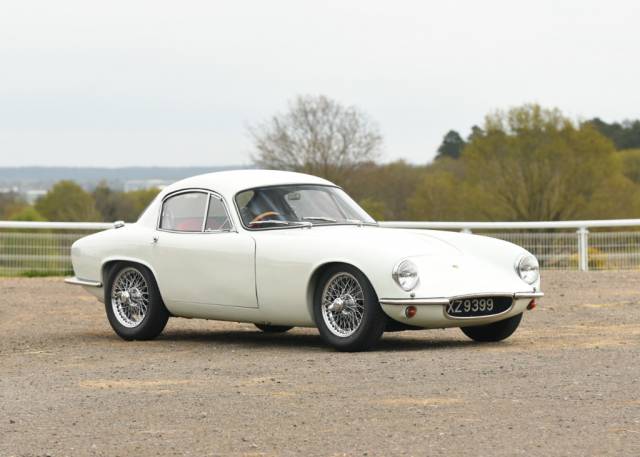
1961 | Lotus Elite S2
Lotus Elite (Type 14) Series 2
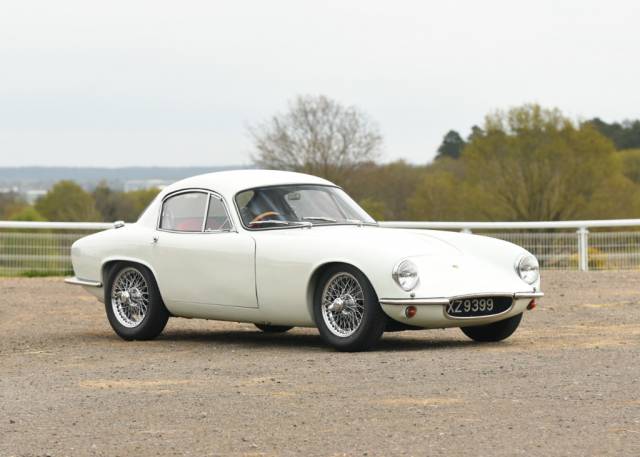
1965 | Lotus Elite
Lotus Elite (Type 14)
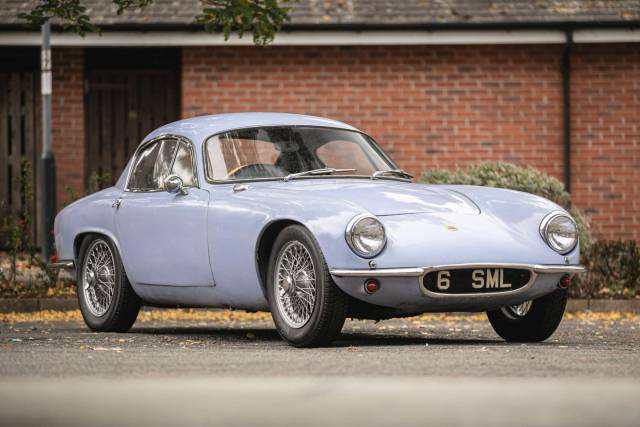
1958 | Lotus Elite
1958 Lotus Elite Type 14 - Chassis 008
Lotus Elite Classic Cars: Prices & Market Values
History of the Lotus Elite
The Lotus Elite emerged in 1957 as the Type 14, debuting at the London Motor Car Show. Designed by Peter Kirwan-Taylor and Frank Costin under the supervision of Colin Chapman, it was the first production car worldwide with a self-supporting fibreglass monocoque body. This bold move not only pushed technological boundaries in post-war Britain but also set a new benchmark for lightweight sports car design. The Elite was conceived as both a road and competition car, contributing to Lotus's growing racing credentials through endurance events such as Le Mans, where it achieved repeated class wins. Only 988 examples of the original Elite were produced before it was succeeded by the Lotus Elan. The Elite name returned in 1974 with the launch of the Type 75/83 shooting-brake, marrying practical four-seat accommodation with Lotus driving dynamics until 1982, when the Éclat succeeded it.
Model History of the Lotus Elite
The first Elite, Type 14 (1957–1963), was a pioneering 2-seater coupe focused on low weight and aerodynamic efficiency. Powered by a 1.2-litre Coventry Climax engine, it was available with various performance specifications and featured a 4-speed gearbox initially, later improved with ZF and Getrag units depending on variant and year. After ceasing production, the Elite was briefly absent until the 1974 launch of the Type 75/83 (Elite 503 series). This later Elite introduced a radical shooting-brake body style, independent suspension, fibreglass over a galvanised steel backbone chassis, and four practical seats. Later models saw the addition of automatic transmission options and more luxurious interiors, targeting an upscale clientele compared to the earlier pure sports orientation. The lineage concluded in 1982, giving way to the Lotus Éclat.
Highlights and Special Features
The Elite stands out as the first production automobile with a monocoque made entirely from fibreglass-reinforced plastic, resulting in a remarkably stiff and aerodynamic chassis weighing only around 684 kg for early variants. The original Type 14 featured an overhead camshaft engine at a time when this technology was scarce in British road cars. Mechanical highlights include all-round independent suspension, disc brakes front and rear, and lightweight aluminium Borrani wire wheels. Later Type 75/83 models introduced pop-up headlights, a 2.0L or 2.2L Lotus twin-cam engine, and a four-seat shooting-brake layout—rare among British sports cars of the era.
Technical Data
Special Editions and Collectible Models
Special Elites include the SE (from 1960), which added twin SU carburettors, a bespoke exhaust manifold, silver-painted roof, ZF gearbox, and Lucas PL700 headlights. The Super 95, Super 100, and Super 105 models are rare, lightly built for racing and produced in micro-numbers (e.g., only 5 of the Super 100 built). These versions frequently appeared in international motorsport, including multiple class wins at Le Mans.
Engine, Performance, Transmission and Handling
The original Elite, with its low kerb weight and 1.2-litre engine, delivered swift acceleration for its era, as well as remarkably nimble, balanced handling thanks to 50/50 weight distribution. The lightweight construction and fully independent suspension meant precise response, making the car a favourite among privateer racers in both road and track settings. The Type 75 introduced more power and practicality, with the 2.0 and later 2.2-litre engines providing stronger mid-range torque. A five-speed transmission (usually Getrag) became standard, with automatic transmissions available later. Acceleration for the Type 75, with around 155–160 hp, was quoted at 0–100 km/h in about 7.5 seconds—impressive for a four-seat coupe at the time. Notable Elites include the Type 14 (for its racing pedigree), SE models (performance upgrades), and the extremely rare Super 100; in later years, the Type 75/83 with Lotus’s 907/913 engines stands out for those preferring practicality with sporting performance.
Design: Interior, Comfort, Exterior, Accessories
The original Elite showcased an aerodynamically honed body by Peter Kirwan-Taylor and Frank Costin, with an innovative fibreglass monocoque and minimalist lightweight approach. Early cars emphasised simplicity and performance, offering only the essentials, although aluminium Borrani wire wheels and meticulous cockpit detailing set them apart. Later Type 75/83 models, by contrast, presented a larger shooting-brake form with pronounced lines, distinctive pop-up headlights, and a more luxurious four-seat interior with leather and wood accents. Special features included unique colours, fold-flat rear seats, and Monza-type fuel fillers on racing models. Factory options ranged from upgraded wheels to additional instrumentation, leather upholstery, and air-conditioning from 1974 onwards.
Summary
The Lotus Elite remains a landmark in British motoring, from the innovative and lightweight Type 14 coupe of the 1950s and 1960s to the practical yet sporty Type 75/83 shooting-brake of the 1970s. Its enduring appeal rests on its advanced construction, responsive handling, and rarity, especially in racing variants and special editions. It represents a significant chapter in Lotus history, offering enthusiasts both ground-breaking engineering and distinctive style.