Lotus 12 Classic Cars for Sale
The Lotus 12, introduced in 1957, marks a breakthrough as Colin Chapman's inaugural single-seater—a landmark in British motorsport history, now sought after by collectors and historic racers. With comprehensive eligibility for historic motorsport events and the possibility of restoration faithful to original drawings, the Lotus 12 embodies a piece of racing heritage.
Resultados de la búsqueda
Actualmente no hay anuncios que coincidan con su búsqueda.
Create search alert
Let yourself be notified as soon as a listing is published that matches your search filters.
Create listing
Do you have a Lotus 12 that you want to sell? Then create a listing now.
Create listingLotus 12 listing references from Classic Trader
Below you will find listings related to your search that are no longer available on Classic Trader. Use this information to gain insight into availability, value trends, and current pricing for a "Lotus 12" to make a more informed purchasing decision.
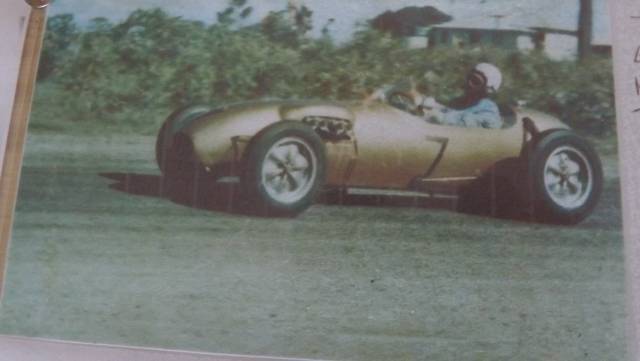
1957 | Lotus 12 Sabakat
FIA Registered Formula 2 Race Car
Create search alert
Let yourself be notified as soon as a listing is published that matches your search filters.
Create listing
Do you have a Lotus 12 that you want to sell? Then create a listing now.
Create listingLotus 12 Classic Cars: Prices & Market Values
History of the Lotus 12
The Lotus 12, unveiled in 1957, was an important milestone as the first single-seat racing car designed by Colin Chapman. It made its competitive debut at the 1958 Monaco Grand Prix and set new standards for lightweight engineering in British motorsport. Chapman’s approach focused on innovative engineering, which influenced Lotus’ future success in Formula One and Two. The Lotus 12's technical solutions—including the use of lightweight materials and ground-breaking suspension—set the blueprint for later models.
Model History
The Lotus 12 occupies a pivotal place at the beginning of Lotus racing car evolution. As its predecessor, Lotus drew on findings from its successful sports cars; as its successor, the Lotus 16 built upon the technical highlights and lessons learned with the 12. Production numbers were extremely limited, underlining the exclusivity of this series. The 12 also paved the way for Lotus' competitive streak in top-level single-seater competitions.
Highlights and Special Features of the Lotus 12
The Lotus 12 features a pioneering chassis concept by Colin Chapman and is recognised in the historic motorsport world, often eligible for international events thanks to approvals such as the FIA Historic Technical Passport or other historic log books. Restoration can be achieved precisely to the original Lotus specifications, enhancing value for collectors. The availability of a wide range of spare parts makes maintenance and active historic racing participation feasible.
Technical Data
Special Editions and Collectible Models
Although the Lotus 12 was produced in extremely small numbers, each car's provenance—a traceable history in Formula Two, Formula One, or significant historic events—can elevate its status among collectors. Some cars may have a documented racing logbook or certifications, making them especially significant within historic racing circles.
Weak Spots and Common Issues
No specific common weaknesses are documented, but, as with many racing cars from the 1950s, restoration to original specifications and correct maintenance of period-specific components are crucial. Sourcing authentic parts is supported by the surprising availability of spare parts, but attention to originality during restoration is essential for value preservation.
Engine, Performance, Transmission and Handling
The Lotus 12 set standards with its lightweight construction and independent suspension. The Coventry Climax FPF engine provided the pace while the bespoke transaxle gearbox aided handling dynamics. Track records from the car’s early competitive outings showed it was ahead of its time in handling and weight distribution—making it a rewarding experience on historic circuits. - Lotus 12 with Coventry Climax FPF engine and FIA Historic Technical Passport: offers full eligibility for international historic motorsport events.
Interior, Comfort, Exterior and Design
The Lotus 12’s design emphasises function above comfort—a pure single-seater cockpit focused on the needs of the driver and torsional rigidity. The slim, lightweight body shape announces its racing intent, with purposeful touches such as minimal instrumentation, exposed linked suspension, and refined aerodynamic lines. Use of period materials reflects the engineering standards of 1950s British motorsport. Accessories are usually limited to race-specific equipment.
Other Notable Features
The Lotus 12’s eligibility for historic racing is bolstered by the availability of important documentation such as the FIA HTP and CAMS historic log book. Vehicles may be found restored directly to Lotus factory drawings, ensuring full historic authenticity for international events.
Summary
The Lotus 12 stands as the foundation of Colin Chapman’s single-seater philosophy, merging innovative lightweight engineering with race-proven design. Limited numbers, combined with historic motorsport acceptance and thorough restoration possibilities, make this model a touchstone for dedicated collectors and racers who appreciate British motorsport history at its roots.