- Car
- Land Rover
- Land Rover Freelander (0 offers)
Land Rover Freelander classic cars for sale
The Land Rover Freelander, produced from 1997 to 2015, represents the brand's entry into the compact SUV segment. With its distinctive blend of off-road capability and everyday usability, it appeals to enthusiasts who appreciate robust engineering and practical features. Both first and second-generation models offer a broad mix of drivetrain options and technical solutions.
Search results
Currently, there are no matching listings for your search.
Create search alert
Let yourself be notified as soon as a listing is published that matches your search filters.
Create listing
Do you have a Land Rover Freelander that you want to sell? Then create a listing now.
Create listingLand Rover Freelander listing references from Classic Trader
Below you will find listings related to your search that are no longer available on Classic Trader. Use this information to gain insight into availability, value trends, and current pricing for a "Land Rover Freelander" to make a more informed purchasing decision.
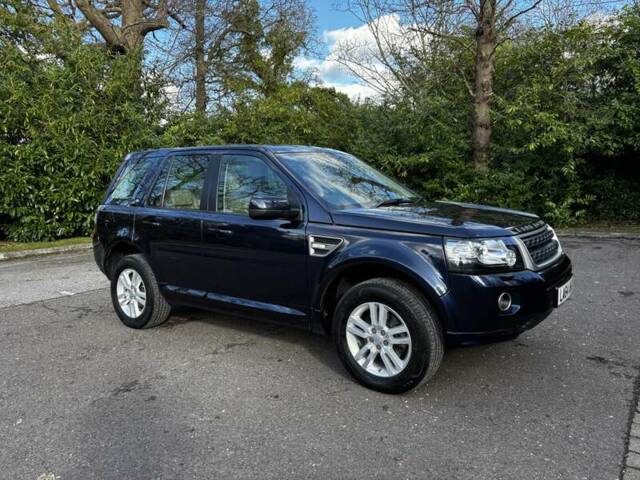
2015 | Land Rover Freelander TD4
2015 Land Rover Freelander 2 2.0 GTDi SE Petrol

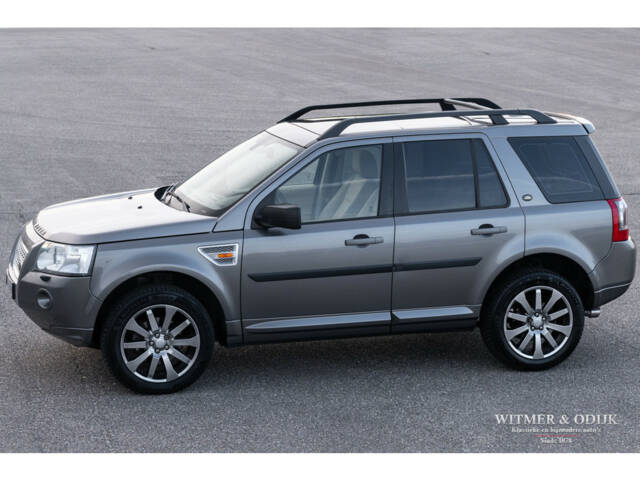
2008 | Land Rover Freelander i6
3.2 i6 HSE

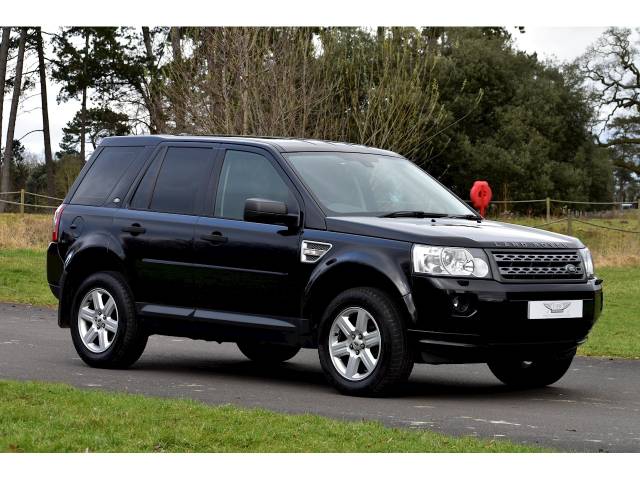
2012 | Land Rover Freelander TD4
Land Rover Freelander 2 TD4 GS
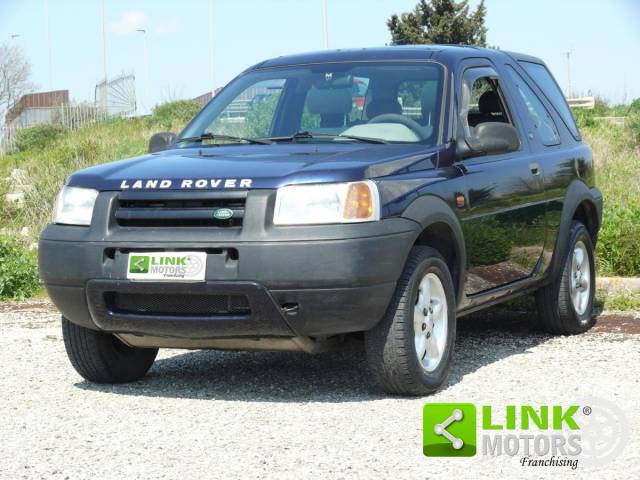
1999 | Land Rover Freelander 1.8
LAND ROVER - Freelander - 1.8 3p. Hardback

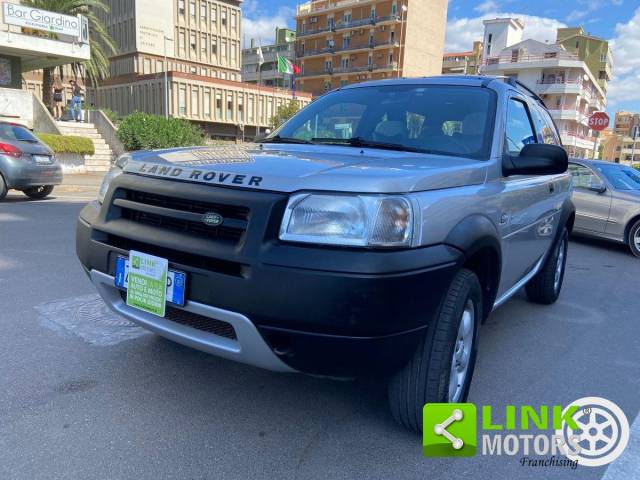
2001 | Land Rover Freelander 2.0 Di
LAND ROVER - Freelander - 2.0 Td4 16V 3p. Softback
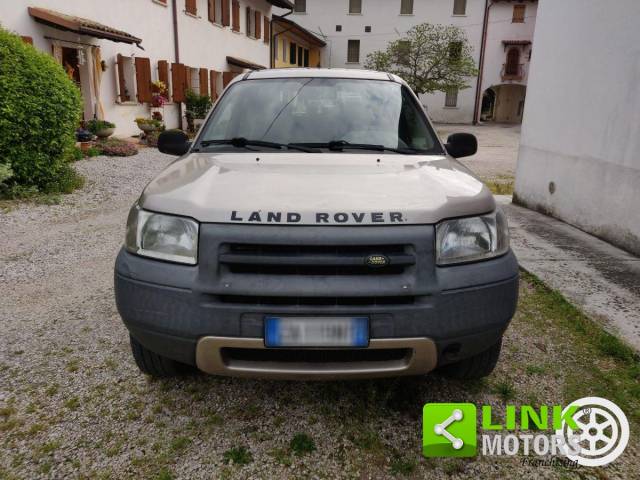
2001 | Land Rover Freelander 2.0 Di
LAND ROVER - Freelander - 2.0 Td4 16V 3p. Hardback TETTUCCIO RIGIDO
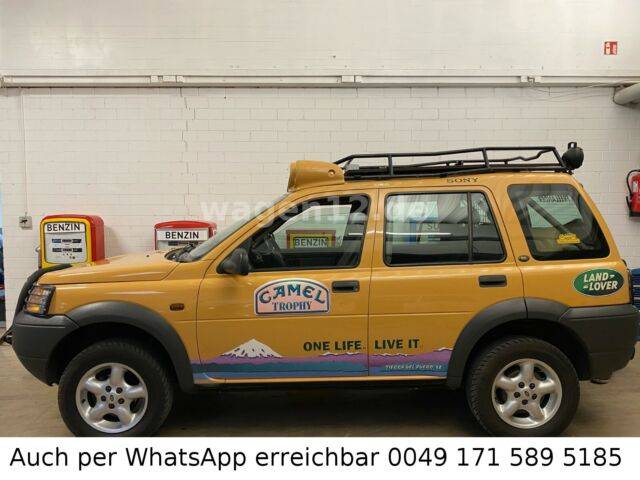
1999 | Land Rover Freelander 2.0 Di
Land Rover Freelander Camel Trophy

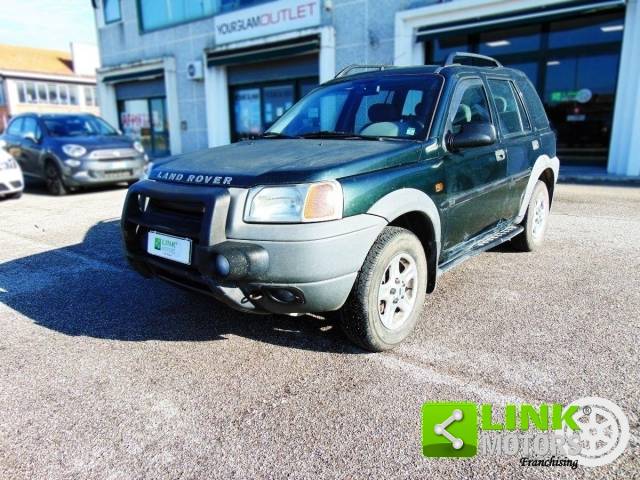
1999 | Land Rover Freelander 2.0 Di
Land Rover Freelander 2.0 TD Station Wagon, anno 1999
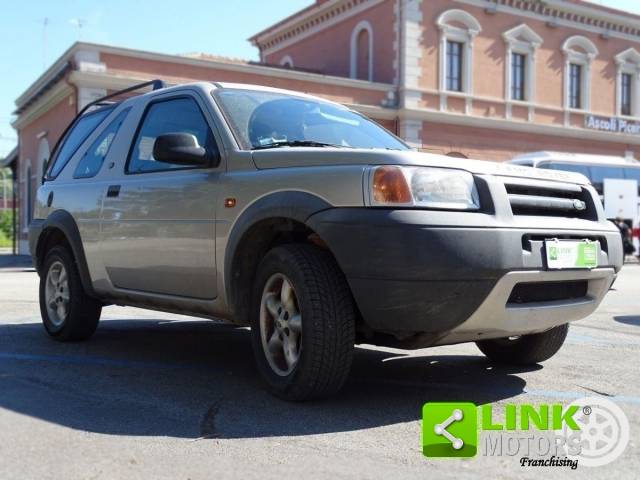
1999 | Land Rover Freelander 2.0 Di
Land Rover Freelander 2.0 TD 3P. Hardback
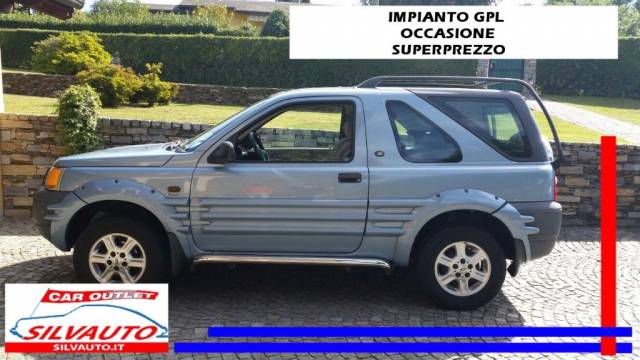
2000 | Land Rover Freelander 2.0 Di
Create search alert
Let yourself be notified as soon as a listing is published that matches your search filters.
Create listing
Do you have a Land Rover Freelander that you want to sell? Then create a listing now.
Create listingLand Rover Freelander Classic Cars: Prices & Market Values
History of the Land Rover Freelander
Launched in 1997, the Land Rover Freelander marked a departure from the iconic Defender and Discovery series by targeting the growing demand for compact SUVs. Developed under the BMW ownership era, the Freelander was designed as a more accessible and versatile Land Rover, expanding the brand’s reach beyond traditional off-roaders. The first generation introduced innovations such as the Hill Descent Control and independent suspension, setting new standards in its segment. In 2006, the second generation Freelander/LR2 featured redesigned bodywork, modernised interiors, and enhanced safety systems, maintaining a strong presence until production ended in 2015.
Model history
The first generation Freelander (project code LN) was produced from 1997 to 2006 and was available in both three- and five-door configurations, as well as with hard- and soft-top versions. It offered two-wheel and four-wheel drive systems, appealing to a wide range of buyers looking for a lighter, more urban-oriented Land Rover. In 2006, the Freelander 2 (project code LF) debuted, featuring significant upgrades in refinement, technology, and road handling. This model was marketed as the LR2 in North America and the Middle East. The Freelander 2 featured improved engines, advanced traction control, and more robust underpinnings, positioning it as a capable and comfortable compact SUV until its discontinuation in 2015. The Freelander line was succeeded by the Land Rover Discovery Sport.
Highlights of the Land Rover Freelander
The Freelander stands out due to its innovative approach to compact SUV design. Key features introduced with the model include permanent four-wheel drive systems in early models, Hill Descent Control for improved safety on steep declines, and practical interior layouts. The Freelander bridged the gap between urban usability and off-road capability, offering buyers vehicles that are at home both in city traffic and on unpaved terrain. The diversity of body styles, including three-door, five-door, and open-top versions in the first generation, gave buyers flexibility unmatched by competitors at the time. Later models refined these strengths with advanced electronics, more efficient powertrains, and an upgraded chassis for better road manners.
Technical data
Special Editions and Collectible Models
Special editions of the Freelander include models with unique paint finishes, upgraded interiors, or distinctive design elements. Notable examples are the HSE trim variants, which introduced features such as full leather upholstery, enhanced audio systems, and exclusive alloys. First-generation limited-run models were sometimes equipped with bespoke styling packages or commemorative badging, appealing to collectors searching for factory originality.
Weak Spots and Common Issues
Freelanders are known for certain mechanical and electronic issues. Early petrol engines, particularly the 1.8-litre K-series, can encounter head gasket failure and cooling system problems. Both generations are susceptible to issues with the transmission, especially the IRD (Intermediate Reduction Drive) unit in early models. Suspension bushings and rear diff mounts can wear prematurely, especially if the vehicle has been used extensively off-road. Electrically, window regulators, central locking, and immobiliser systems may develop faults. Access to specialised tools and technical knowledge is critical for proper maintenance, making well-maintained examples with documented histories especially desirable.
Engine and Performance, Transmission and Handling
The Freelander offered a balance between off-road capability and everyday drivability. Early models come equipped with permanent four-wheel drive and Hill Descent Control, allowing safe control on challenging terrain. Later, the Freelander 2 improved handling dynamics with an upgraded suspension setup and better-weighted steering. Diesel variants provide adequate torque for towing and rural use, while petrol engines offer smoother power delivery on the road. Manual gearboxes grant direct driver control, while automatic transmissions focus on comfort and convenience. Popular configurations include the first generation 2.0-litre diesel (excellent reliability and low running costs) and the post-2006 Freelander 2 TD4 for its blend of performance, refinement and efficiency. The three-door soft-top versions appeal to those seeking a distinctive, open-air driving experience.
Interior, Comfort, Exterior and Design
The Freelander's design reflects functional British utilitarianism, with influences from Land Rover’s traditional lines but tailored for a more lifestyle-oriented audience. Early interiors prioritise durability, offering rugged plastics and wipe-clean surfaces. Later models, particularly in HSE trim, provided enhanced comfort with leather seats, wood or aluminium inlays, and refined ergonomics. Exterior design elements include pronounced wheel arches, distinctive tailgate-mounted spare wheels (on the first generation), and robust bumpers designed for urban and off-road resilience. Factory options included heated seats, panoramic glass roofs, metallic paints, upgraded sound systems, and, on early three-door models, removable or folding soft tops. Specially trimmed editions, custom colour selections, and factory accessories like roof racks or bull bars reflect the Freelander’s adaptability.
Other relevant features
Land Rover Freelanders can require specialist service and diagnostics. Many independent workshops focus exclusively on Land Rover, Jaguar, and Aston Martin, reflecting the need for model-specific expertise. Use of factory-trained personnel is common, and specialist equipment may be necessary for servicing modern electronics.
Summary
The Land Rover Freelander occupies a unique space in the history of British off-road vehicles. It merges rugged engineering and daily practicality, offering distinctive versions across two generations. With broad model diversity, specialist support, and enthusiastic demand for early examples, the Freelander continues to be relevant for collectors and drivers seeking a classic compact 4x4 with authentic Land Rover credentials.