Lancia Musa classic cars for sale
The Lancia Musa stands out among classic compact MPVs with its practical Italian engineering, combining urban flexibility with distinctive Lancia flair. Built between 2004 and 2012, the Musa remains a sought-after model for enthusiasts looking for a unique combination of comfort, versatility, and understated design. Read more
Suchergebnisse
Zur Zeit sind keine passenden Inserate zu Ihrer Suche veröffentlicht.
Create search alert
Let yourself be notified as soon as a listing is published that matches your search filters.
Create listing
Do you have a Lancia Musa that you want to sell? Then create a listing now.
Create listingLancia Musa listing references from Classic Trader
Below you will find listings related to your search that are no longer available on Classic Trader. Use this information to gain insight into availability, value trends, and current pricing for a "Lancia Musa" to make a more informed purchasing decision.
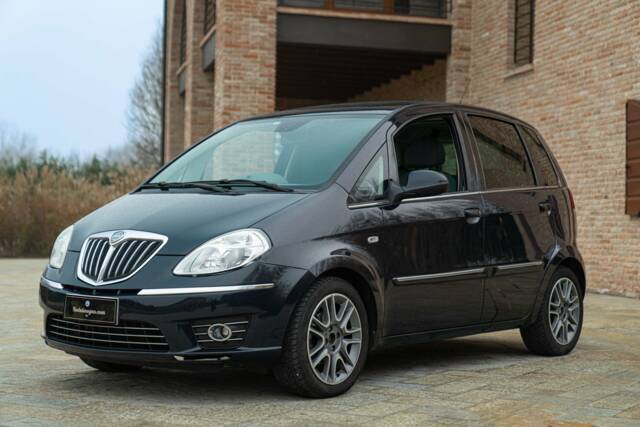
2010 | Lancia Musa 1.4 16V
Create search alert
Let yourself be notified as soon as a listing is published that matches your search filters.
Create listing
Do you have a Lancia Musa that you want to sell? Then create a listing now.
Create listingLancia Musa Classic Cars: Prices & Market Values
History of the Lancia Musa
Launched in 2004, the Lancia Musa was a fresh entry into the MPV segment, targeting drivers who valued functionality and comfort. Derived from the Fiat Idea but refined with Lancia’s emphasis on quality, the Musa gave a new interpretation to compact family transport. The model benefited from the solid foundations of the Project 188 platform, originally developed for the Fiat Punto, and quickly became recognised for blending space and a premium touch in a compact layout. Production ran until 2012, with total output reaching approximately 237,500 units, making it a defining vehicle of Lancia’s modern era.
Model History
The Musa utilised Fiat’s Project 188 platform, ensuring mechanical reliability with shared technology from the second-generation Punto. Its predecessor, in conceptual terms, can be traced to Lancia’s historical compact cars, but the Musa was the marque’s first dedicated MPV in the modern sense. There was no direct Lancia-branded successor after 2012, underlining the Musa's unique place in the brand’s line-up.
Highlights and Special Features
One of the Musa’s greatest qualities is its ability to deliver a high degree of interior comfort and practical space in a vehicle that remains manageable in city environments. Its collaboration with Fiat brought proven drivetrain components, while Lancia added elements such as upgraded cabin materials, improved noise insulation, and a more refined finish. The Musa's visual distinction – softer lines, elegant grille, and subtle chrome details – set it apart from the more utilitarian Fiat Idea. The model achieves 100% share within Lancia’s classic MPV supply and demand records, indicating it is the most significant and searched-for Lancia MPV in the marketplace.
Technical Data
Special Editions and Collectible Models
There is no widely-known limited edition or special version of the Lancia Musa that significantly changes its technical or historical standing, but certain trim lines offered more luxurious features or distinctive design details.
Weak Spots and Common Issues
While the Musa benefits from Fiat’s broadly reliable mechanicals, buyers should regularly inspect electrical components, particularly power windows and central locking, which can develop faults with age. Interior trim, due to its focus on comfort, should be checked for wear, especially on higher-mileage cars. As with all compact MPVs, suspension components might need attention on cars used extensively for city driving. Regular maintenance and careful checking of the service record are recommended.
Engine and Performance, Transmission and Handling
The Musa delivers a balanced performance geared towards comfort and urban usability. Its suspension is tuned for a supple ride, while the steering remains light, making manoeuvres easy in tight city spaces. Please refer to the technical data section for engine specifications, as Musa models are generally fitted with a range of small-displacement petrol and diesel engines, prioritising efficiency and reliability over outright speed. The most frequently encountered Musa models are those with Fiat’s Multijet diesel engine, appreciated for low running costs and good torque for everyday driving. Petrol options offer quiet operation, especially in urban commuting.
Interior, Comfort, Exterior and Design
Designed with an Italian sense of space and practicality, the Musa’s interior features flexible seating arrangements and high-quality materials unique for its segment. Soft-touch plastics, optional leather inserts, and a dash layout oriented towards comfort and usability underline Lancia’s approach. The exterior is distinguished by Lancia’s signature grille, subtle chrome accents, rounded headlamps, and harmonious proportions that give it a more elegant stance compared to the boxier Fiat Idea. Optional extras included panoramic roofs, upgraded sound systems, and premium upholstery choices.
Other Details
Thanks to its combination of Italian design cues and proven mechanical underpinnings, the Musa holds a reputation for being both characterful and dependable. Customisation options from new allowed original buyers to specify many details, which is reflected in the diversity of trims seen on the classic market today.
Summary
The Lancia Musa merges everyday usability with a level of design sophistication distinct from its competitors. A product of collaboration with Fiat, it carries the best traits of both brands, making it a sound option for enthusiasts seeking a classic compact MPV with Italian DNA and modern practicality.