Lagonda 12/24 Classic Cars for Sale
The Lagonda 12/24 is a prime example of British automotive engineering from the early twentieth century, renowned for its innovative technology and solid craftsmanship. This model stands out with its advanced features for its era and embodies the distinctive charm that made Lagonda a respected name among English car builders.
Suchergebnisse
Zur Zeit sind keine passenden Inserate zu Ihrer Suche veröffentlicht.
Create search alert
Let yourself be notified as soon as a listing is published that matches your search filters.
Create listing
Do you have a Lagonda 12/24 that you want to sell? Then create a listing now.
Create listingLagonda 12/24 listing references from Classic Trader
Below you will find listings related to your search that are no longer available on Classic Trader. Use this information to gain insight into availability, value trends, and current pricing for a "Lagonda 12/24" to make a more informed purchasing decision.
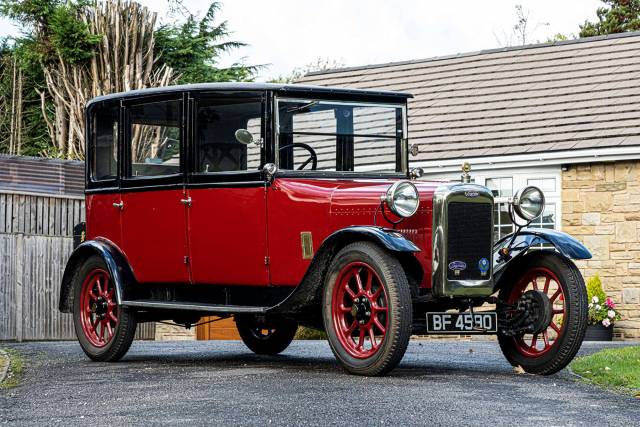
1925 | Lagonda 12/24
1925 Lagonda 12/24 S Saloon
Create search alert
Let yourself be notified as soon as a listing is published that matches your search filters.
Create listing
Do you have a Lagonda 12/24 that you want to sell? Then create a listing now.
Create listingLagonda 12/24 Classic Cars: Prices & Market Values
History of the Lagonda 12/24
Lagonda introduced the 12/24 in the immediate post-World War I years, targeting buyers seeking advanced engineering and a refined driving experience. The 12/24 signalled the brand’s move towards sporting vehicles, bridging the gap between utilitarian pre-war cars and the more ambitious models that followed. Available initially as both tourer and saloon, it played a pivotal role in establishing Lagonda’s reputation for robust, well-constructed, and advanced vehicles in the competitive British motor market during the 1920s.
Model History
The 12/24 succeeded Lagonda’s lower-powered pre-war offerings and marked a clear step up in terms of technology and performance. This series paved the way for the celebrated Lagonda 2 Litre and later six-cylinder cars of the 1930s. Part of Lagonda’s evolving lineup, the 12/24 captured the shifting demands of British motorists moving from simple transportation to vehicles offering more comfort, reliability, and mechanical innovation.
Highlights of the Lagonda 12/24
The Lagonda 12/24 distinguished itself with a 4-cylinder engine and a chassis designed to offer both comfort and responsive handling. Details such as overhead camshaft technology and comprehensive instrumentation were forward-thinking for the time. Buyers could order several body styles, reflecting the model’s flexibility and the era’s emphasis on bespoke luxury.
Technical Data
Special Editions and Collectible Models
The Lagonda 12/24’s appeal lies in its rarity and the period-correct body variations available, including tourers and limousines, often built to order. Cars with original coachwork or unique period accessories can be considered special, and models with racing history or documented provenance command special attention among connoisseurs.
Weak Spots and Common Issues
Given the advanced age of the Lagonda 12/24, attention to chassis integrity, engine wear, and the condition of the braking system is critical. Sourcing replacement components—especially for the overhead camshaft and unique Lagonda parts—can be challenging, requiring specialist knowledge. Electrical systems and early hydraulic components may also need careful inspection and expert attention during restoration or maintenance.
Engine and Performance, Transmission and Handling
The 1.5-litre four-cylinder engine gave the Lagonda 12/24 a responsive character for its class, matched to a precise manual gearbox that allowed for enjoyable driving by the standards of the 1920s. The robust chassis and advanced damping provided a surprisingly refined ride over period roads. Modern-day drivers will notice immediate differences compared to post-war cars but appreciate the engineering quality emblematic of British marques of that era. Within Lagonda's 12/24 series, open tourer models are particularly sought-after for their lighter weight and sportier handling compared to heavier saloon versions. Cars retaining original mechanicals are prized for authenticity.
Interior, Comfort, Exterior, and Design
Aesthetically, the Lagonda 12/24 is recognisable by its upright grille, elongated bonnet, and flowing fender lines. Interiors were typically tailored to customer specifications, with leather upholstery, wood dashboards, and well-executed instrumentation. The period approach to coachbuilding allowed buyers to choose from a wide range of paint colours and materials—some even opting for painted wire wheels or unique dashboard gauges. Accessories from the era, such as windscreen-mounted lamps or luggage racks, often add period-correct flair.
Other Features
Original registration, documented ownership history, or period modifications—such as rally equipment or bespoke coachwork—can increase the historic significance of a Lagonda 12/24. Vehicles used in period motorsport or those with known first owners from British society are sometimes of specific interest to collectors.
Summary
The Lagonda 12/24 holds a significant place in British automotive history, blending mechanical innovation, custom-built flair, and a rewarding driving experience. Its exclusive standing in the marketplace, combined with a high share of listings and interest, makes it a unique find for enthusiasts interested in early 20th-century engineering and craftsmanship.