Lagonda LG 6 classic cars for sale
The Lagonda LG 6 stands as a striking symbol of 1930s British engineering—rare, muscular, and elegantly designed. Offered in extremely limited numbers and meticulously documented, these vehicles combine powerful performance with aristocratic luxury, appealing to enthusiasts seeking authentic pre-war classics.
Search results
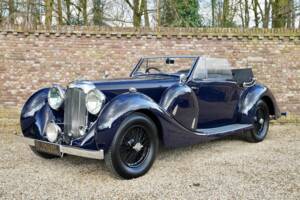
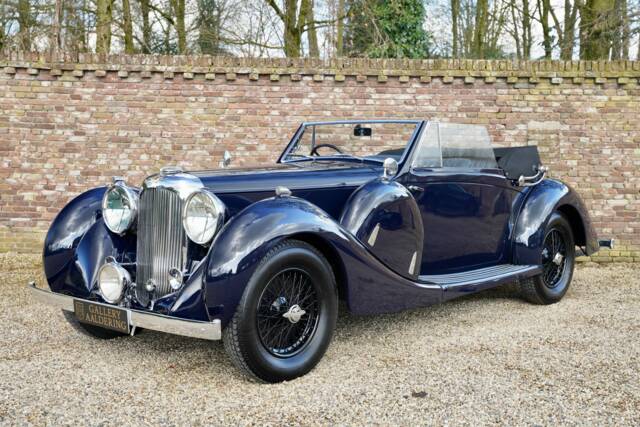
1939 | Lagonda LG 6
Lagonda LG6 4½ Litre Short Wheelbase Drophead Coupé Restored condition and maintained by a well-known Belgian Prewar specialist, Matching numbers Lagonda, First owner: Col.M.Mayhew - a pioneer motorist and racing driver of the heroic age, Around 30 examples of this model built, Offered with a fine history (file)

Lagonda LG 6 listing references from Classic Trader
Below you will find listings related to your search that are no longer available on Classic Trader. Use this information to gain insight into availability, value trends, and current pricing for a "Lagonda LG 6" to make a more informed purchasing decision.
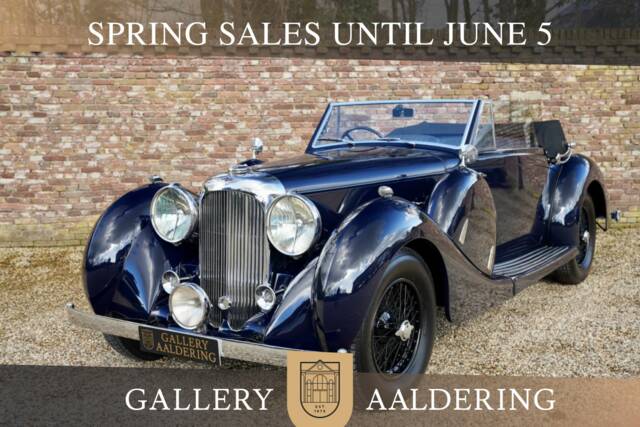
1939 | Lagonda LG 6
Lagonda LG6 4½ Litre Short Wheelbase Drophead Coupé PRICE REDUCTION Restored condition and maintained by a well-known Belgian Prewar specialist, Matching numbers Lagonda, First owner: Col.M.Mayhew - a pioneer motorist and racing driver of the heroic age, Around 30 examples of this model built, Offered with a fine history (file)
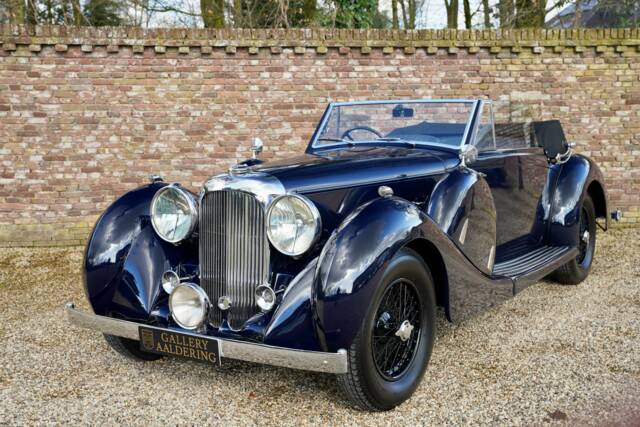
1939 | Lagonda LG 6
Lagonda LG6 4½ Litre Short Wheelbase Drophead Coupé Restored condition and maintained by a well-known Belgian Prewar specialist, Matching numbers Lagonda, First owner: Col.M.Mayhew - a pioneer motorist and racing driver of the heroic age, Around 30 examples of this model built, Offered with a fine history (file)
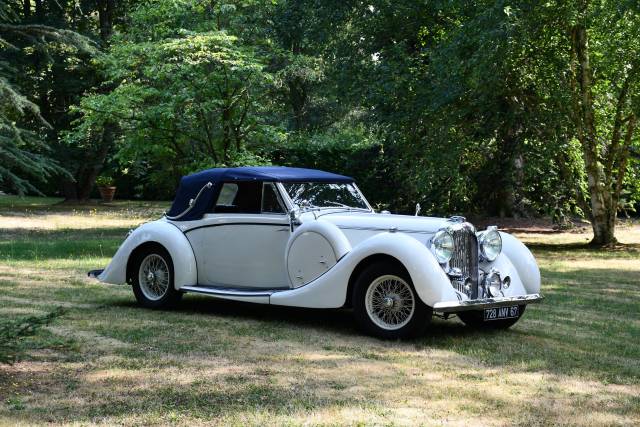
1939 | Lagonda LG 6

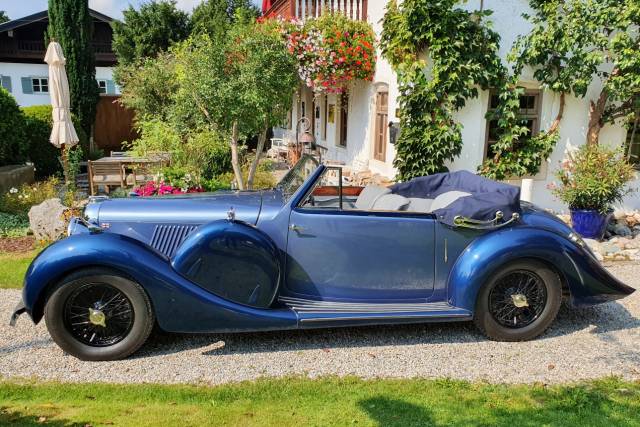
1938 | Lagonda LG 6
Drop-Head-Coupé

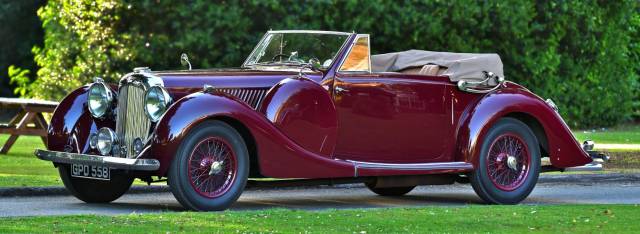
1938 | Lagonda LG 6

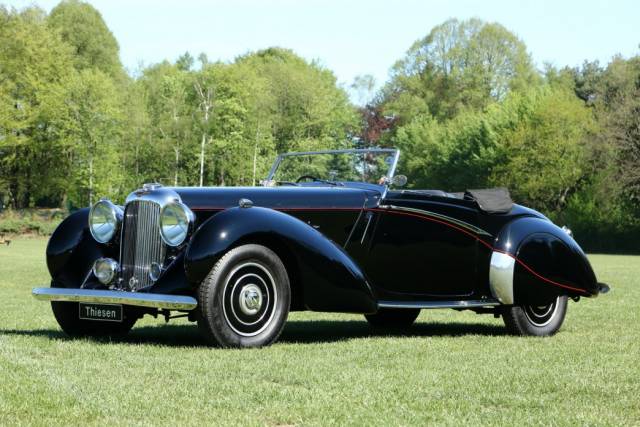
1939 | Lagonda LG 6
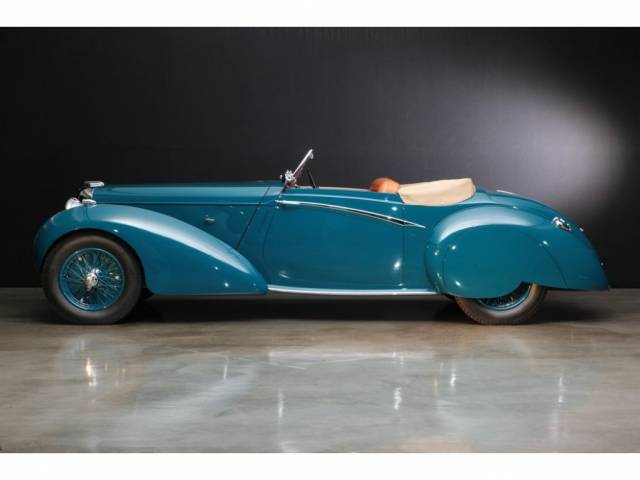
1938 | Lagonda LG 6
1938 Lagonda LG 6 Rapide Drop Head Coupe
Lagonda LG 6 Classic Cars: Prices & Market Values
History of the Lagonda LG 6
Founded by Wilbur Gunn in 1906, Lagonda quickly established itself as a powerhouse in luxury and sports cars. The LG 6 debuted at the 1937 London Motor Show, drawing immediate attention with its advanced engineering. Production started in 1938, with chassis and powertrain design handled by W.O. Bentley, aiming to perfectly blend sporting dynamics with opulent comfort. Coachwork by Frank Feeley lent the LG 6 its signature presence—grand, yet athletic. Production was tragically cut short in 1940 due to the outbreak of war and resulting steel shortages. Only 83 cars were made—67 on the long chassis, 16 on a short wheelbase—cementing the model’s rarity.
Model History of the Lagonda LG 6
The LG 6 succeeded the earlier Lagonda models, incorporating significant advancements in chassis and suspension. With a new independent front suspension system and a robust box-section frame, the LG 6 increased ride comfort and handling precision. As war loomed, production remained very low—just over 80 units in total, with several coachbuilt variations including Saloon, Tourer, Drophead Coupé, Sedanca de Ville and Rapide Coupé. Noteworthy is the comprehensive surviving documentation: many cars are accompanied by period sales brochures, photos, original correspondence, and records of post-war restorations. After 1940, Lagonda’s production shifted, making the LG 6 the apex of the brand’s pre-war lineup.
Highlights of the Lagonda LG 6
Distinctive for its limited production—only around 30 short wheelbase Drophead Coupés were built—the LG 6 delivers the commanding profile of a true sporting grand tourer of its time. Matching numbers are common, reflecting originality and authenticity highly valued by collectors. Superb restoration standards are the norm. Many LG 6s feature period-correct chrome, luxurious upholstery, and deep, lustrous paintwork. This car is eligible for the world’s leading historic events, including Goodwood Revival and Pebble Beach Concours d’Elegance. The aristocratic stance, exceptional documentation and scarcity contribute to its cult following.
Technical Data
Special Editions and Collectible Models
Most LG 6s are unique due to bespoke coachwork and very limited build numbers. Standout examples include the LG 6 Rapide Coupé, ordered as a one-off for a Birmingham businessman, and the Short Wheelbase Coupé 12334, which underwent several restorations and remains a highlight of the register. Of the few original cabriolets produced, only about 25 exist, further increasing their desirability.
Weak Spots and Common Issues
Given the LG 6’s advanced pre-war technology, buyers should pay close attention to the condition of the independent front suspension, hydraulic brake system, and chassis integrity—especially when considering potential war-related modifications or past restorations. Genuine “matching numbers” and a comprehensive paper trail are essential due to the rarity and value of original, unrestored cars. Sourcing period-correct parts and specialist expertise is mandatory for maintaining originality and function.
Engine and Performance, Transmission and Handling
Powered by a 4.5-litre Meadows inline-six engine, the LG 6 provides torque-rich performance suited for long-distance touring. Responsive twin carburettors and a four-speed manual transmission deliver flexible driving across a range of speeds. The advanced independent front suspension with long torsion bars reduces chassis flex and sharpens steering, while hydraulic brakes improve pedal feel and stopping power compared to contemporaries. The substantial mass is offset by the engine’s smooth power delivery, making high-speed cruising and spirited driving both feasible and enjoyable. Standouts include the Short Wheelbase Drophead Coupé for its rarity and focused chassis dynamics, as well as the Rapide variant, known for unique bodywork and provenance. Each model’s engineering detail is tailored to its original specification; matching numbers and period-correct features are particularly sought after.
Interior, Comfort, Exterior and Design
Frank Feeley’s coachwork defines the LG 6, with streamlined fenders, low-slung profiles, classic sweeping lines, and polished chrome detailing. Paint and interior options were typically bespoke, often finished in deep, rich lacquer paired with fine leather upholstery and wood trim. Exterior accessories such as spotlights, wire wheels, and bonnet mascots reflect period British luxury. The LG 6 interiors offer lounge-like comfort and attention to ergonomics, matched by high build quality. Drophead variants escalate the sense of occasion with retractable roofs and luxurious finishes.
Other Relevant Features
Documentation and provenance play a significant role in this model’s standing; surviving examples typically boast original records, restoration history, and a wealth of period memorabilia—factors which directly influence desirability and value. The LG 6 tradition continues in exclusive owner clubs and restoration workshops dedicated to period accuracy and preservation.
Summary
The Lagonda LG 6 encapsulates the peak of 1930s British car culture: technical sophistication, sporting intent, and aristocratic style. Its rarity, comprehensive documentation, unmatched pre-war engineering, and eligibility for global historic events secure its reputation among the best examples of its era. This is the reference point for collectors pursuing authentic pre-war luxury and craftsmanship.