Lagonda 3 Litre – Classic Car for Sale
The Lagonda 3 Litre stands as an exemplary piece of British automotive history, hand-built from 1930 with just a handful surviving today. From technical craftsmanship to luxurious interiors and rare configurations, the 3 Litre encapsulates pre-war engineering with sophistication. Unique features, restoration history and exceptional collector appeal make every surviving example noteworthy.
Search results
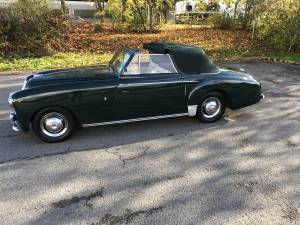
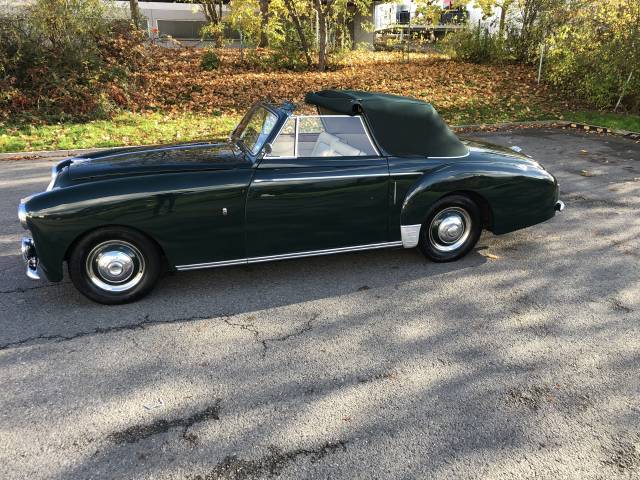
1954 | Lagonda 3 Litre MK I
3-position convertible

Lagonda 3 Litre listing references from Classic Trader
Below you will find listings related to your search that are no longer available on Classic Trader. Use this information to gain insight into availability, value trends, and current pricing for a "Lagonda 3 Litre" to make a more informed purchasing decision.
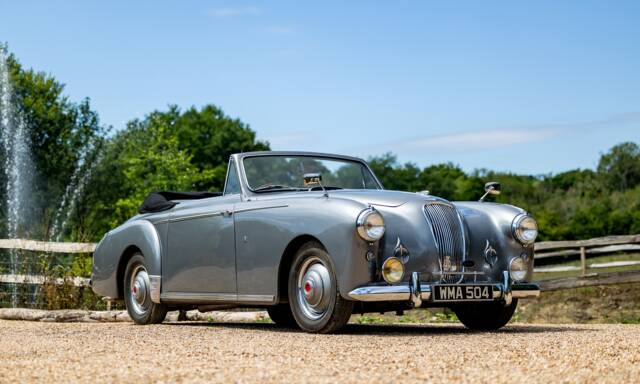
1955 | Lagonda 3 Litre MK I
1955 Lagonda 3 Litre by Tickford

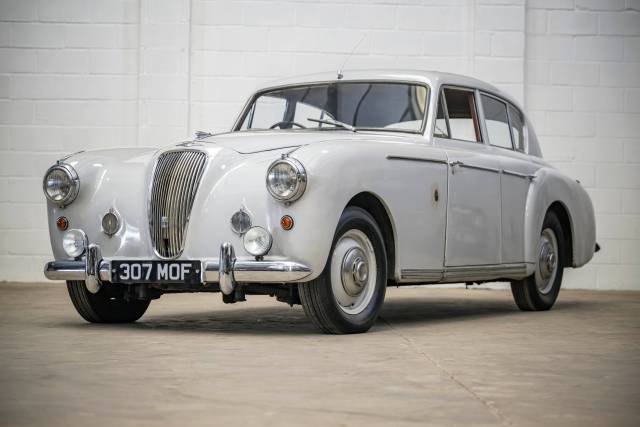
1955 | Lagonda 3 Litre MK I
Requires Recommissioning - Elegant and Advanced 50s Engineering
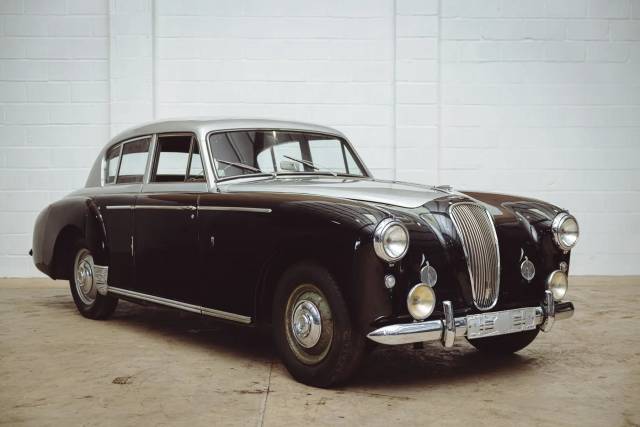
1956 | Lagonda 3 Litre MK II
Elegant 50s Luxury - Rare - Rewarding Project
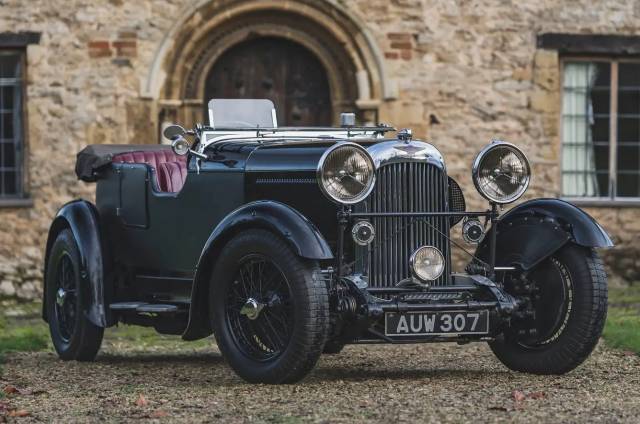
1933 | Lagonda 3 Litre
Unique Supercharged - Restored
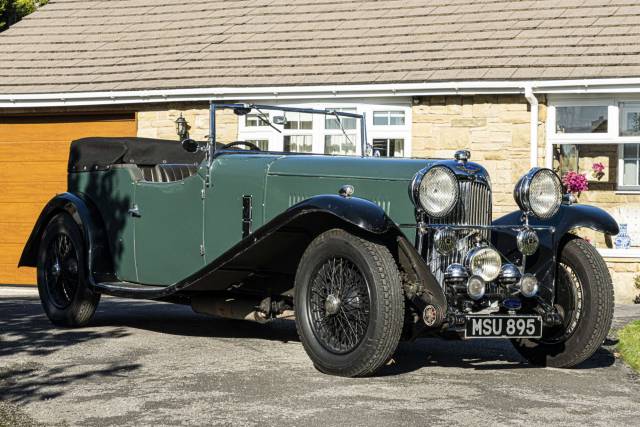
1934 | Lagonda 3 Litre
1934 Lagonda 3-Litre Tourer
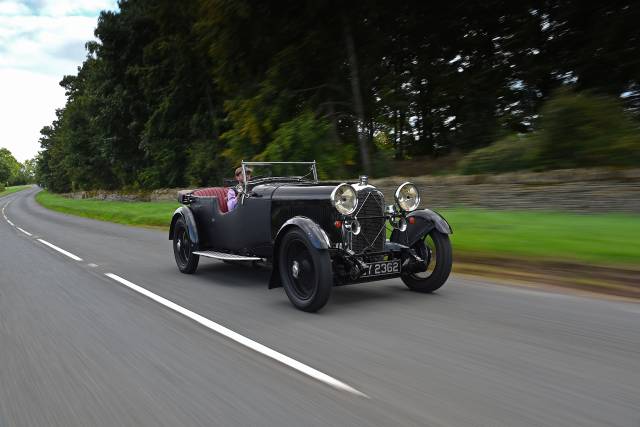
1932 | Lagonda 3 Litre
1932 Lagonda 3-Litre Tourer
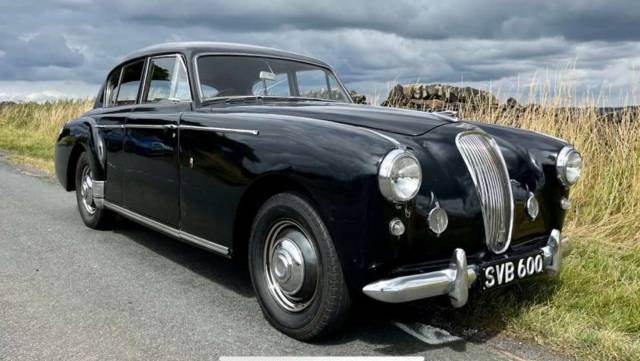
1957 | Lagonda 3 Litre MK II
1957 Aston Martin Lagonda 3.0 Series II Saloon
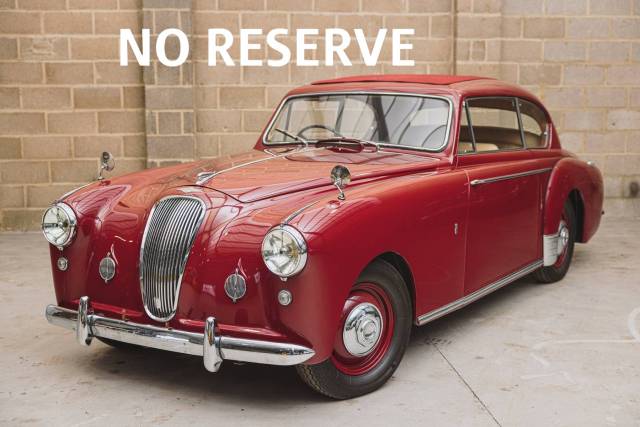
1953 | Lagonda 3 Litre MK I
Stunning Example - Well Looked After
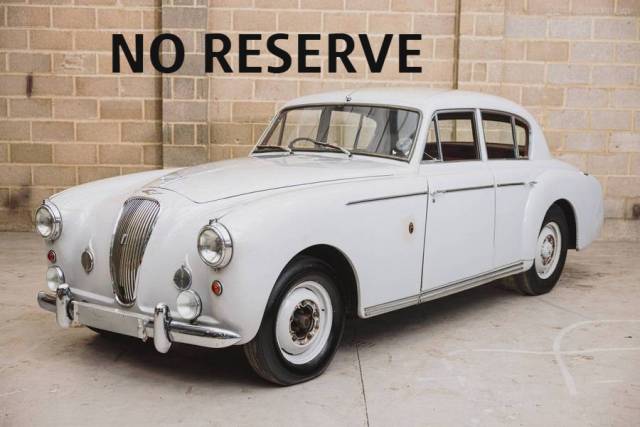
1955 | Lagonda 3 Litre MK I
Rare And Elegant - Recommission Required
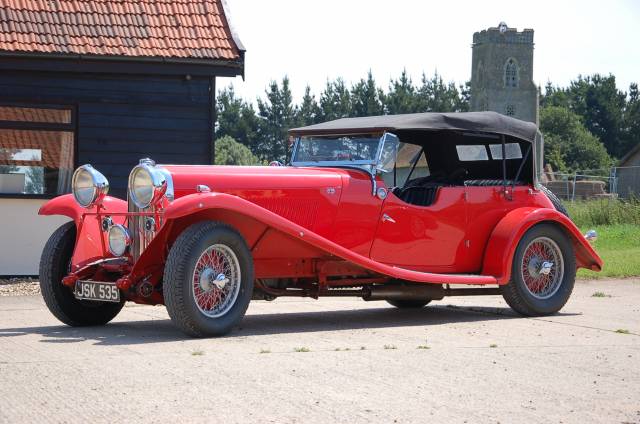
1933 | Lagonda 3 Litre
Lagonda M45 Tourer with a T8 Body
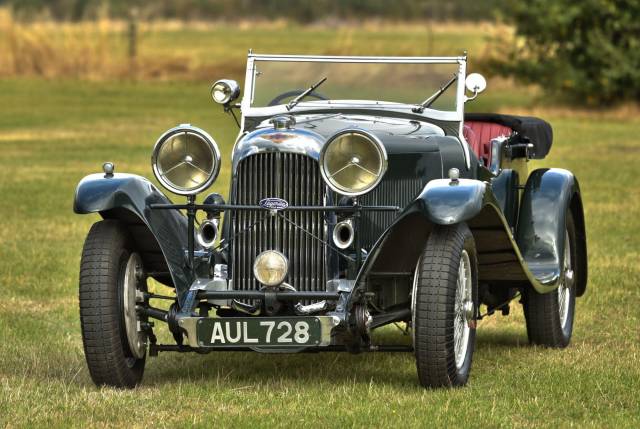
1933 | Lagonda 3 Litre
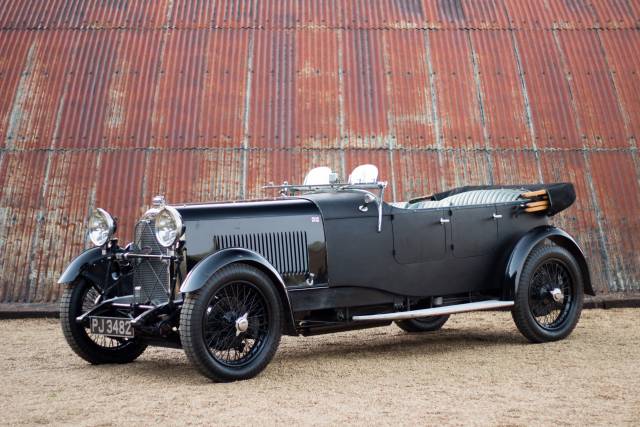
1932 | Lagonda 3 Litre
1932 Lagonda 3 Litre T2 Open Tourer
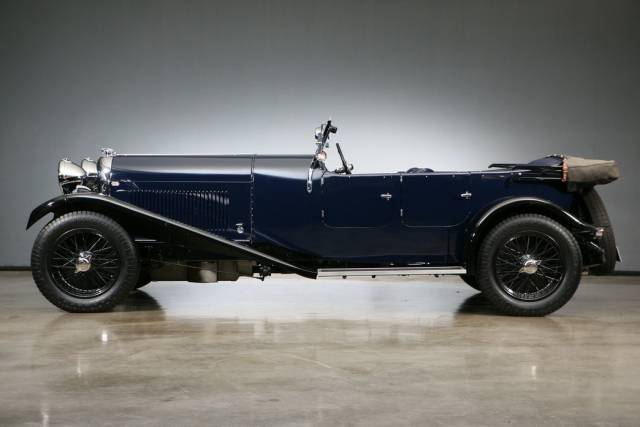
1934 | Lagonda 3 Litre
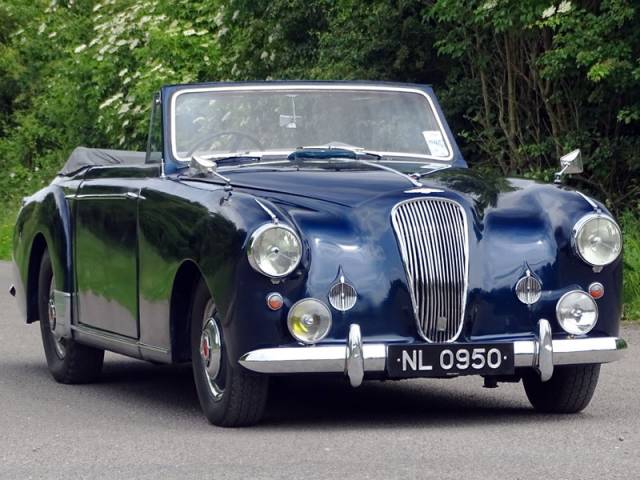
1953 | Lagonda 3 Litre MK I
For Sale by Auction 26/07/17 - Estimate 70000 - 90000 GBP
Lagonda 3 Litre Classic Cars: Prices & Market Values
History of the Lagonda 3 Litre
Introduced in the early 1930s, the Lagonda 3 Litre emerged from the renowned British marque founded by Wilbur Gunn in 1906. Renowned for high manufacturing standards and technical innovation, Lagonda became synonymous with luxury and performance before WWII. The 3 Litre marked a significant phase in Lagonda’s development, produced in extremely limited numbers. The model offered groundbreaking features for its era, including advanced mechanics and elegant interiors, further reinforcing Lagonda's reputation as a pioneer in British pre-war luxury automotive engineering. Production numbers remained low, with approximately 75 saloons and an even smaller number of open tourers. Only a modest portion retains original bodies today, as documented by enthusiast clubs.
Model History of the 3 Litre Series
The Lagonda 3 Litre succeeded earlier Lagonda touring models with enhanced power and refinement, establishing a new benchmark for the brand in the early 1930s. Its meticulous build quality and the adoption of both saloon and open tourer body styles distinguished the series within the Lagonda lineup. Later, the 3 Litre served as inspiration for subsequent, higher-displacement models such as the 4.5-litre Meadows-engined variants. Each configuration of the 3 Litre demonstrated the marque’s ongoing commitment to technical excellence and driver comfort during the pre-war period.
Highlights and Unique Features
The Lagonda 3 Litre is particularly valued for its ultra-low production numbers and high survival rate within the collector community—about 58 vehicles are registered according to club records. Typical features include the original waterproof Rexine roofing (the first of its kind), classic Smiths gauges, and nuanced details like the chauffeur’s lever and curtain mechanisms for rear-seat privacy. Interiors, predominantly finished in dark green leather with wooden dashboards, exemplified top-tier British craftsmanship of the time. Most importantly, originality and detailed restoration history are critical to value and desirability in today's market.
Technical Data
Special Editions and Collectible Models
Within the 3 Litre lineup, open tourer models stand out due to their particular rarity. Only a fraction retain their original bodywork, making them especially sought after among collectors. In addition, some vehicles feature period-correct accessories, certain body variations, and factory documentation including unique registration papers. Cars with fully preserved or expertly restored original features—such as the rare Rexine roof—are considered especially valuable in the classic car scene.
Weak Spots and Common Issues
No specific weak spots are provided in the currently available documentation. As with many hand-built British classics from the pre-war era, preservation of originality and the integrity of singular components such as the engine, interior fittings, and bodywork are essential. Enthusiast circles emphasise detailed maintenance records, proper restoration, and continued care with original materials.
Engine and Performance, Transmission and Handling
The 3 Litre engine was renowned for its blend of smoothness, reliability, and sufficient power, rivalled at the time only by larger Meadows units. While not a sports car in the contemporary sense, it offered superior touring capabilities, long-legged cruising, and quiet mechanical operation. The manual gearbox delivers period-correct engagement and ride quality remains comfortable, particularly in the saloon version. Enthusiasts value the model for its enduring usability on classic rallies and historic events. - Saloon (Limousine): Known for its balanced handling and luxury cabin.
- Open Tourer: Valued for its rarity and sporty open-air character. Both variants share the same durable mechanical layout, high-quality interior, and excellent period reputation.
Interior, Comfort, Exterior and Design
Designed for English taste and comfort, the Lagonda 3 Litre features a classic wooden dashboard outfitted with Smiths gauges, dark green leather upholstery, and a coach-built body—often with special options such as chauffeur levers or rear curtain mechanisms. The Rexine waterproof roof on surviving examples is a standout innovation of its time, highlighting the focus on durability and practicality. Original accessories such as driving lamps, custom luggage racks, and spare tyre holders are frequently present on well-preserved cars. The car's elegant lines, distinctive grille and bespoke coachwork make each example individual within the marque's tradition.
Other Relevant Features
Originality and documented restoration history play crucial roles in the provenance of each Lagonda 3 Litre. Bureaucratic elements such as early registration books and historic documentation demonstrate the long ownership chains and support high values. Some vehicles hold veteran status registration in their home countries, further underlining their authenticity and historical significance. Collector and club involvement ensures a well-maintained network for support and spare parts.
Summary
The Lagonda 3 Litre is a meticulously engineered, pre-war British classic with low production numbers and high collector interest. Survivors today are celebrated for their originality, luxury appointments, and technical sophistication. With a strong market presence and a broad enthusiast following, the 3 Litre remains one of the most distinctive classic British cars accessible to connoisseurs and collectors alike.