- Automobile
- Honda
- Honda CR-V (0 offerte)
Honda CR-V classic cars for sale
The Honda CR-V combines compact SUV practicality with reliable Japanese engineering. Since its debut in 1995, it has become a popular choice for those seeking versatile utility and robust performance. Discover all available classic Honda CR-V models and get insights into their development, technical data, and ownership experience.
Risultati della ricerca
Attualmente non ci sono annunci corrispondenti alla tua ricerca.
Create search alert
Let yourself be notified as soon as a listing is published that matches your search filters.
Create listing
Do you have a Honda CR-V that you want to sell? Then create a listing now.
Create listingHonda CR-V listing references from Classic Trader
Below you will find listings related to your search that are no longer available on Classic Trader. Use this information to gain insight into availability, value trends, and current pricing for a "Honda CR-V" to make a more informed purchasing decision.
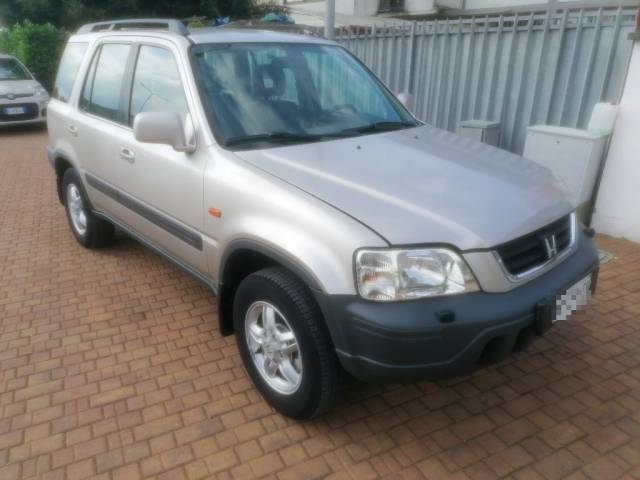
1998 | Honda CR-V RVSi

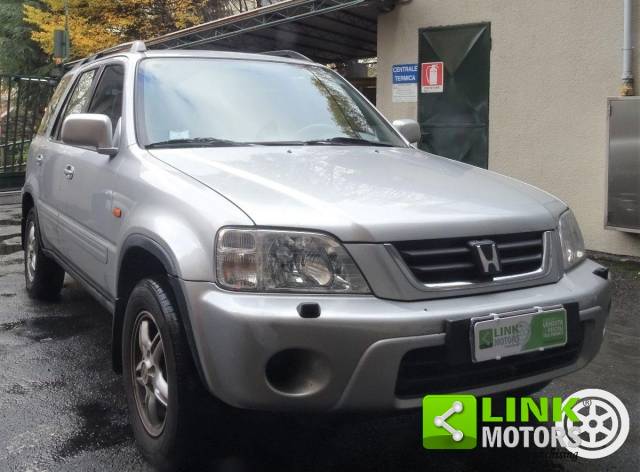
2001 | Honda CR-V RVSi
Honda CR-V 2.0 16V Rvsi
Create search alert
Let yourself be notified as soon as a listing is published that matches your search filters.
Create listing
Do you have a Honda CR-V that you want to sell? Then create a listing now.
Create listingHonda CR-V Classic Cars: Prices & Market Values
Origin and History of the Honda CR-V
Honda launched the CR-V in 1995 in response to the rising demand for compact crossover SUVs. Assembled on the Civic platform, the CR-V stood out for blending passenger car comfort with the raised driving position and versatile interior associated with SUVs. Developed as a roomy five-door model, it specifically targeted urban drivers needing extra cargo space and flexible seating, without the fuel-intensive heft of traditional 4x4s. The first generation set a new benchmark for the segment and established the CR-V as Honda’s global sales leader in SUVs.
Model History of the CR-V
The CR-V’s story starts with the RD series, introduced in 1995, carrying over Honda’s car-like handling from the Civic and infusing it with SUV features. The RE series followed, evolving the concept with updated styling and improved practicality. Each generation advanced in safety, convenience, and powertrain technology, keeping the CR-V at the forefront as the SUV segment rapidly grew. The early CR-Vs are immediately distinguishable by their upright stance and signature rear tailgate design, while later models introduced refinements in both appearance and mechanical underpinnings.
Highlights of the Honda CR-V RD and RE
The CR-V stands out due to its spacious cabin, configurable seating, and robust chassis developed on Honda’s proven Civic platform. The early RD series emphasised a high roofline and flat cargo space, making it exceptionally practical for everyday use and leisure activities. The RE generation refined these features and introduced more advanced safety and comfort elements.
Technical Data
Special Editions and Collectible Models
The CR-V line encompasses several limited and market-specific editions, particularly in later generations. However, among early RD and RE models, special releases such as certain trim packages or market-exclusive colours are more likely to interest collectors due to lower production volumes and unique equipment configurations.
Weak Spots and Common Issues
No explicit weak spots or recurring issues are noted in the provided data. However, prospective buyers should assess for conventional wear typical of 1990s and 2000s Japanese vehicles—specifically checking suspension bushings, possible rust on underbodies, ageing rubber components, and the functionality of the Real Time 4WD system if equipped.
Engine and Performance, Transmission and Handling
The CR-V was one of the first compact SUVs to deliver genuinely car-like handling thanks to its Civic-based suspension and low centre of gravity. The typical 2.0-litre engine (particularly in the RD series) is known for its longevity and ease of maintenance. Later RE models feature mild power increases and optimised gearboxes, improving drivability, especially when equipped with automatic transmissions. The Real Time 4WD system engages as needed, providing confidence on gravel and wet roads without sacrificing urban efficiency. - Honda CR-V RD (1995–2001): 2.0-litre 4-cylinder, ~128 PS, manual or automatic
- Honda CR-V RE (2001–2006): 2.0-litre 4-cylinder, updated transmission options
Interior, Comfort, Exterior and Design
Both RD and RE CR-Vs exhibit a consistently functional design language—upright windows, large cargo area, flat-folding rear seats, and a low loading sill. The interiors favour durable fabrics and practical layouts, with high rooflines enhancing ease of access. The dashboard ergonomics reflect Honda’s focus on intuitiveness, while special edition models sometimes offer exclusive upholstery or exterior paint choices. Accessories like picnic tables and hidden storage bins in the trunk were hallmarks of early models, emphasising everyday versatility and clever design over luxury.
Other notable features
Early CR-Vs are renowned for unexpected touches like the integrated rear picnic table and under-floor storage, highlighting Honda’s dedication to practical innovation. Owners also praise the visibility in all directions—an advantage of the simple, upright body design, especially valued among urban and suburban drivers. In some markets, all-wheel drive was standard, further broadening the model's appeal to varied climates and regions.
CR-V Overview
The Honda CR-V, since its debut, has maintained a reputation for reliability, flexible use, and practical engineering. Early RD and RE models in particular continue to generate interest among classic SUV enthusiasts for their no-nonsense approach to family transport and unique design features that distinguish them from their contemporaries.