- Car
- Honda (18 offers)
Honda Classic Cars for Sale
Honda stands out among classic vehicles for its unique blend of engineering precision, technical innovation, and motorsport roots. From record-setting engine designs to iconic sports and touring models, Honda’s classics remain highly respected among automotive connoisseurs.
Search results
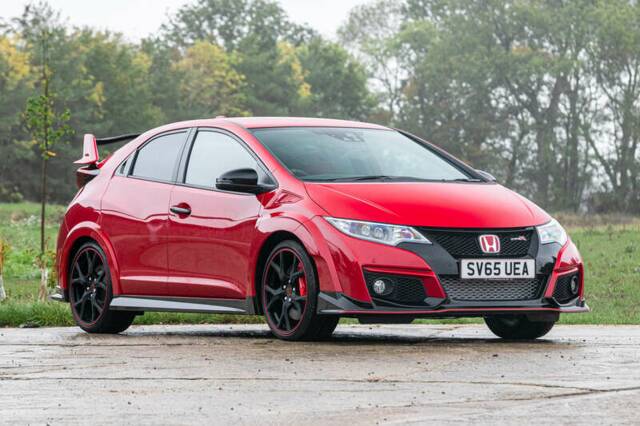
2015 | Honda Civic Type R
2015 Honda Civic 2.0 i-VTEC Turbo Type R GT (FK2) - ID plaque #R-00001 / 47 miles from new

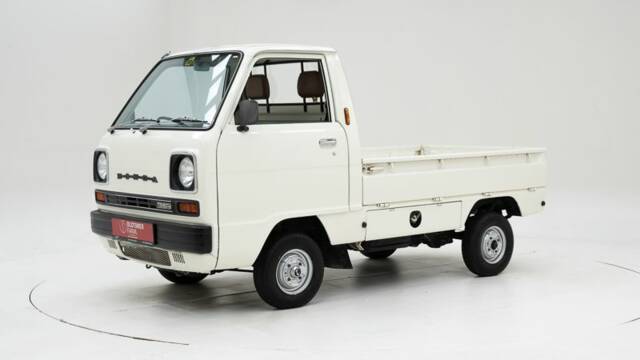
1980 | Honda Acty I
1980 Honda ACTY '80

Auctions ending soon

Loading…
Loading…
Loading…
Loading…
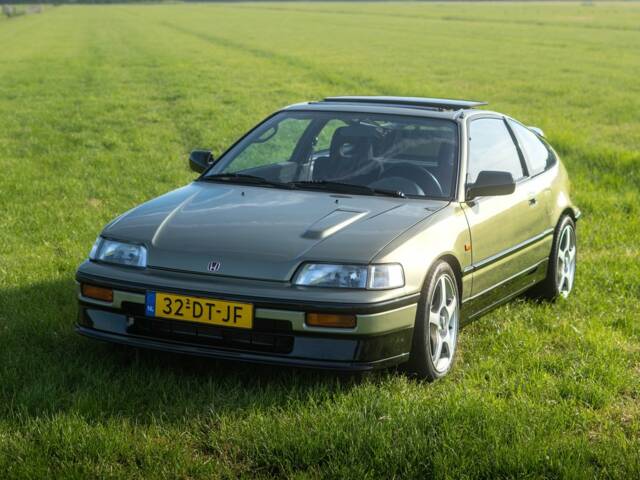
1991 | Honda CRX 1.6i 16V
Honda CR-X | 1991 | Route 66 Auctions - For sale by auction. Estimate 8100 EUR

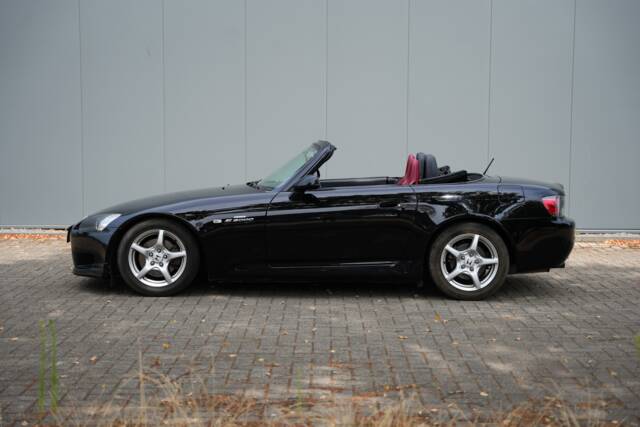
2000 | Honda S 2000
2000 Honda S2000 – 105,000 km – Black with Red Interior
Newsletter
The best Honda listings, straight to your inbox
Get hand-picked Honda listings, plus the best of cars, motorbikes, and auctions on Classic Trader — all in one place.
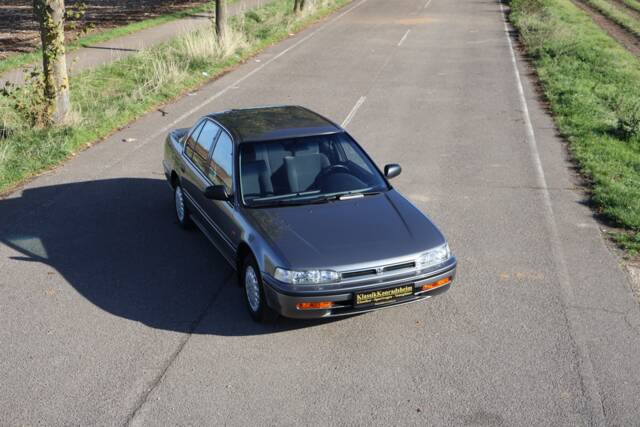
1993 | Honda Accord
1st owner 82tkm

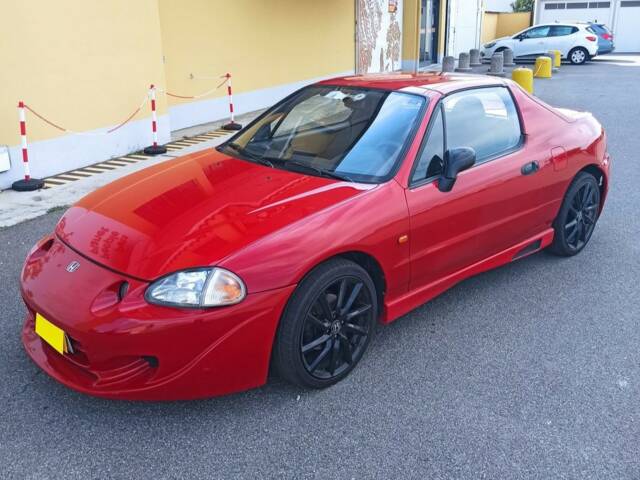
1993 | Honda CRX del Sol 1.6ESi
Honda CRX del Sol | Route 66 Auctions - For sale by auction. Estimate 4800 EUR
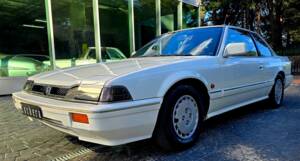
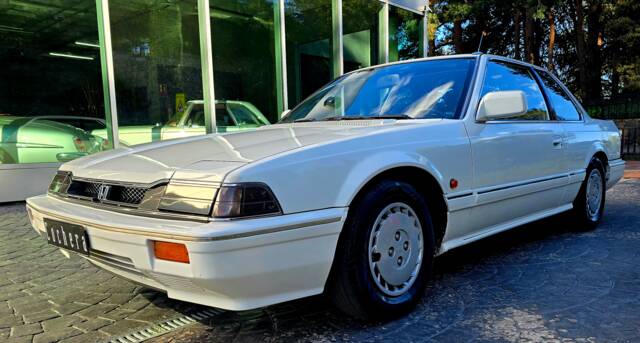
1986 | Honda Prelude
Honda Prelude SX Coupe Serie II EX 105CV 1800 cc 1987 Manual 5 speed co

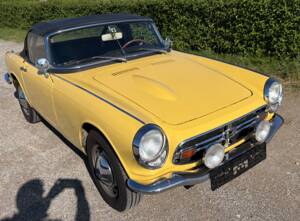
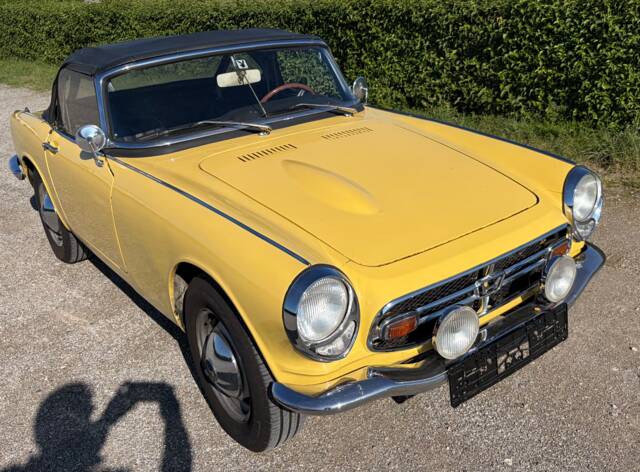
1969 | Honda S 800
Rare classic youngtimer
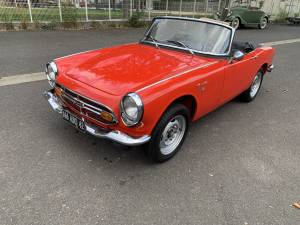
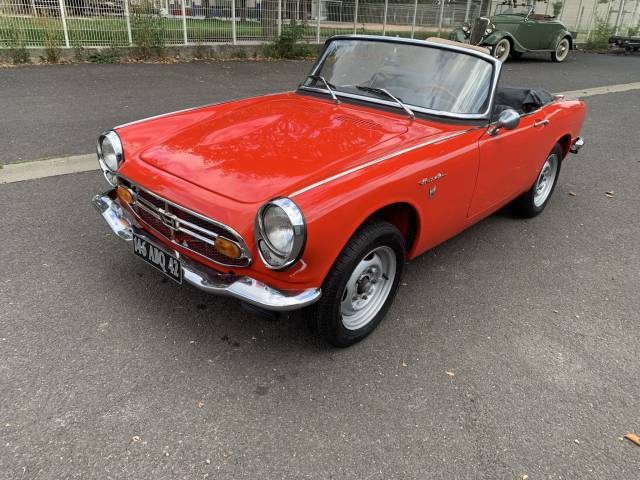
1970 | Honda S 800
HONDA S800 CABRIOLET

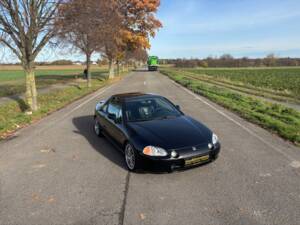
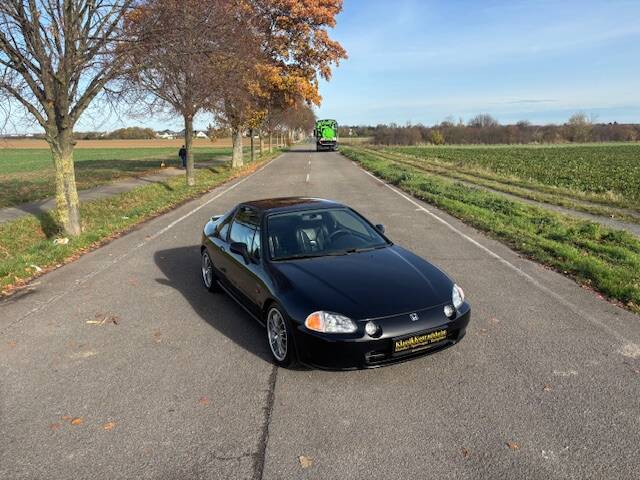
1997 | Honda CRX del Sol 1.6ESi
CRX Targa 1,6 ESi delSol
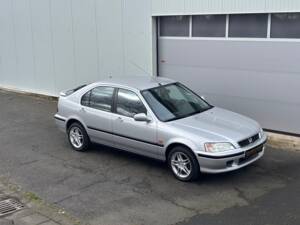
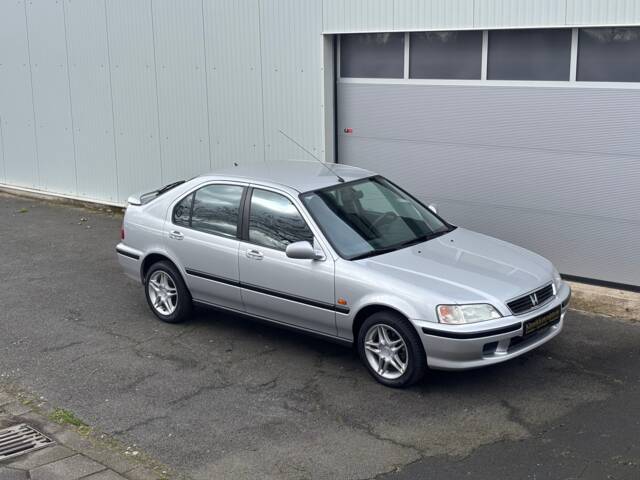
2000 | Honda Civic
HONDA Civic 1st owner 42k km
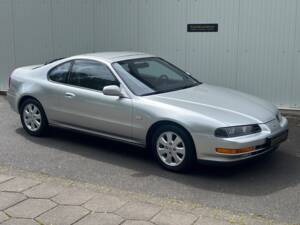
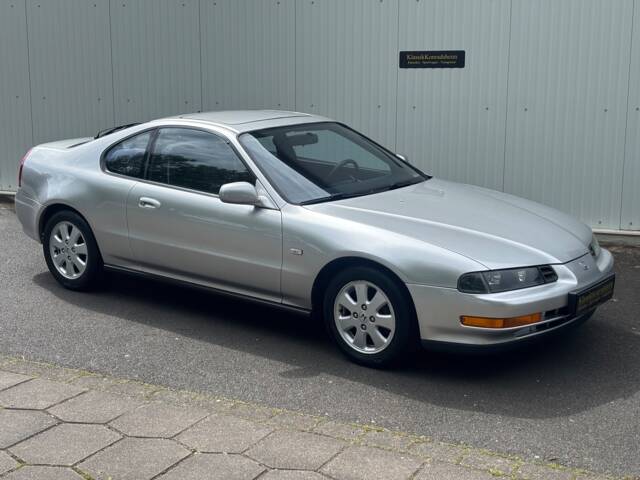
1993 | Honda Prelude
scheckheftgepflegter Prelude 2,0
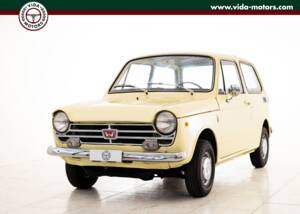
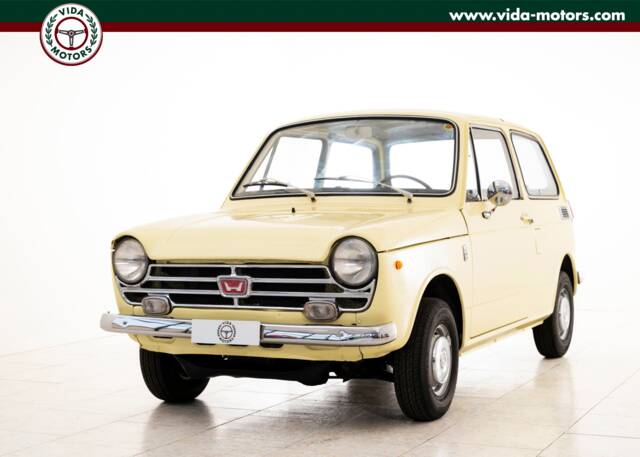
1970 | Honda N360
RARE VERSION * ORIGINAL INTERNS * ORIGINAL DOCUMENTS

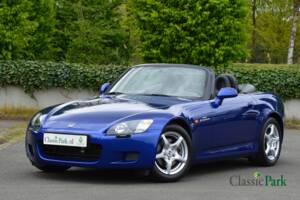
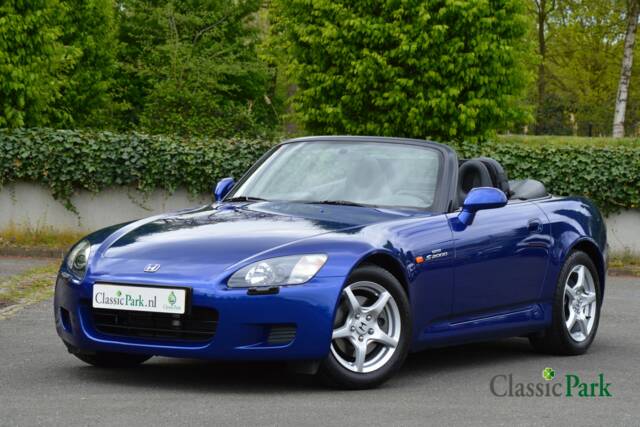
2000 | Honda S 2000
Honda S2000
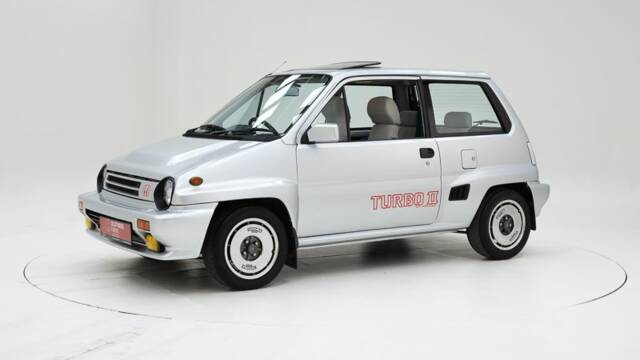
1984 | Honda City Turbo II
1984 Honda City Turbo 2 '84
History of Honda
Honda’s foundation dates back to September 1948, when Sōichirō Honda pivoted from bicycle engine manufacturing to building vehicles that would transform global mobility. In the post-war period, Honda rapidly advanced from Japan’s motorized bicycle pioneer into a multifaceted conglomerate producing passenger cars, motorcycles, boat engines, power tools, and even aircraft. Racing success played a major role: Honda became a regular at the pinnacle of motorcycle sport by the 1970s and amassed five consecutive Formula 1 championship titles from 1987 to 1991. Honda’s philosophy of independence with zero external investors led to ground-breaking engineering and a product range widely appreciated for technical reliability and innovation. The company’s expansion in the 1950s and 1960s laid the groundwork for an enduring global presence, driven by innovations such as the electric starter and subsequent technological leaps in every product segment.
Honda Model Series
Since releasing its first cars in the early 1960s (the T360 pickup and S500 roadster), Honda established a broad model portfolio over the decades. Its pioneering compact models, like the N360 and the Civic (since 1972), redefined standards for efficiency and usability, especially during the oil crises. The S-series sports cars, CRX coupés, Accord family saloons, Legend luxury vehicles, and motorcycle platforms such as the CB and GL Gold Wing lines, cemented Honda’s impact across market segments. In 1986, the Acura brand debuted for luxury models like the NSX, originally exclusive to North America and Hong Kong. Motorsport-oriented models, including the S2000 roadster and technologically advanced motorcycles—CB 750 Four, CBX 1000, and XRV 750 Africa Twin—remain central to Honda’s classic catalogue.
Highlights and Notable Features
Honda has consistently set benchmarks, thanks to innovations like VTEC (Variable Valve Timing and Lift Electronic Control), pioneering mass-produced aluminium chassis (as seen in the NSX), and a focus on precise, lightweight engineering. The NSX, for example, was developed with input from Ayrton Senna and featured an aluminium chassis alongside a V6 VTEC engine, electronic throttle control, and industry-leading balance. In motorcycles, the CB 750 Four made multi-cylinder performance accessible, while the Gold Wing series set standards for touring comfort. Precision, reliability, and day-to-day usability are the hallmarks across Honda's classic lineup.
Technical Data
Special Editions and Collectible Models
Among Honda’s classic lineup, several models stand out as collectible due to their technical features or limited production. The NSX-R (1992–1996, Japan only) focused on weight reduction (with deleted insulation and comfort equipment, unique sports seats, and special wheels) and enhanced suspension tuning, with only 483 units produced in this first run. The VFR 750R RC30 motorcycle was a homologation special designed for endurance racing, utilising advanced materials and components. S2000s (AP1/AP2) are notable for their high-revving naturally aspirated 2.0-litre engines, achieving record specific outputs for production models. The early S-series roadsters (S600, S800) are also highly sought after, being among the first sporting Hondas built for international markets.
Engine and Performance, Transmission and Handling
Honda’s classic cars and motorcycles are widely acknowledged for their balanced driveability and sophisticated, high-revving powertrains. The NSX, in particular, pairs its lightweight frame (1270–1370 kg) with a VTEC-equipped V6, achieving 0–100 km/h in around 6 seconds, and top speeds near 270 km/h. Its manual transmission is known for quick, precise shifting, and the double wishbone suspension ensures excellent feedback and poise. The S2000 offered class-leading specific output and a similarly engaging rear-wheel-drive setup. The CB 750 Four, a motorcycle highlight, made four-cylinder performance practical. In touring motorcycles like the Gold Wing series, Honda balanced smoothness and comfort for long-distance riding. - NSX (NA1/NA2): Mid-engined, V6, VTEC, lighter aluminium chassis, extremely precise handling, Honda reliability.
- S2000: Rear-wheel drive roadster, high-revving 2.0-litre/2.2-litre engines, manual gearbox, acclaimed chassis.
- Civic (early generations): Efficient, robust, front-wheel-drive compacts.
- CB 750 Four: Pioneering inline-four motorcycle.
- GL 1000 Gold Wing: Early flat-four motorcycles known for reliability and comfort on long journeys.
Interior, Comfort, Exterior and Design
Honda’s approach to design has always been function-driven with a focus on ergonomics. Sports models such as the NSX drew visual inspiration from the F-16 fighter jet, visible in the panoramic windscreen and driver-focused cockpit. The NSX featured high-quality leather, well-shaped sports seats, Targa and coupé roof options, and available Bose sound systems. Early Civics and S-series cars used clever packaging for spacious interiors in compact exteriors. On the bike side, the CB and Gold Wing series incorporated practical touches such as fairings, luggage options, and accessible controls. Special models like the NSX-R emphasized stripped-out interiors with minimal insulation, special Enkei wheels, and lightweight seats, prioritising driver engagement over outright comfort.
Other Features
Honda’s engineering legacy stretches beyond road vehicles, including aircraft and humanoid robotics (with ASIMO, introduced in 2000). Enthusiasts value Hondas for the thoughtful integration between performance, reliability, and everyday practicality—traits that have led to long-standing market appeal for both cars and motorcycles. Honda is also one of the few major automakers to maintain independence, which has helped foster a unique engineering and corporate culture.
Summary
Honda’s classics are revered for both engineering substance and cultural relevance. The lasting appeal of models like the NSX, S2000, Civic, and the Gold Wing motorcycle range is anchored in technical ingenuity—VTEC engines, aluminium construction, and innovative suspension systems—paired with everyday reliability. Honda classic vehicles cater to a broad collector and enthusiast base, offering unique options in both four-wheel and two-wheel segments, underlining Honda’s position as a cornerstone of Japanese automotive and motorcycle history.