Honda Civic classic cars for sale
The Honda Civic stands as a hallmark of precision engineering and evolutionary design, with a history spanning more than five decades. Renowned for agility, long-lasting mechanics and a remarkable span of model choices, the Civic has become a favourite for enthusiasts searching for both everyday usability and motorsport pedigree.
Search results
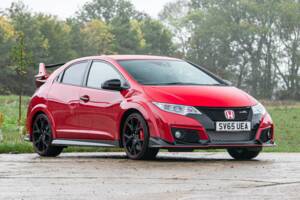
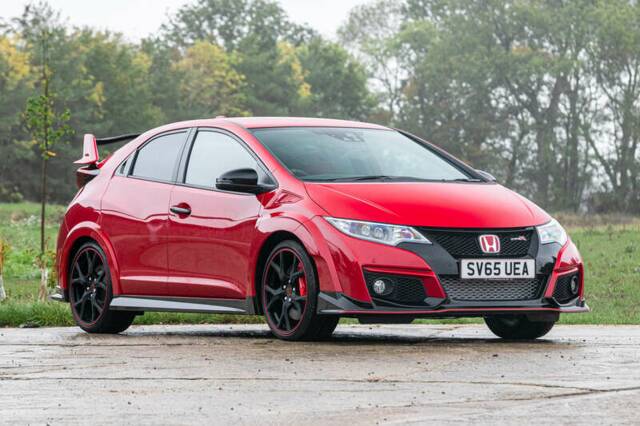
2015 | Honda Civic Type R
2015 Honda Civic 2.0 i-VTEC Turbo Type R GT (FK2) - ID plaque #R-00001 / 47 miles from new

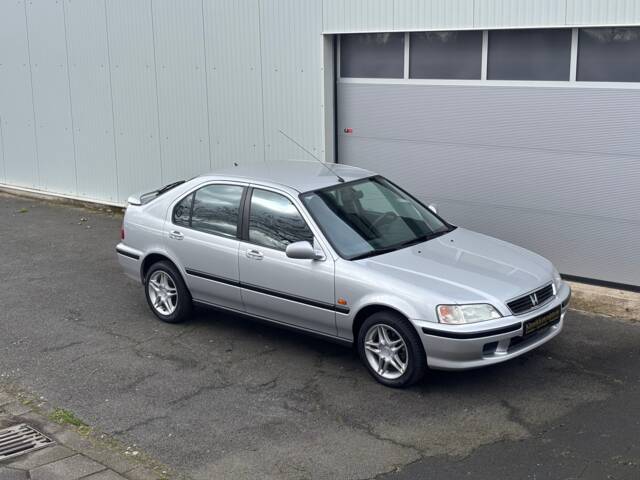
2000 | Honda Civic
HONDA Civic 1st owner 42k km

Auctions ending soon

Loading…
Loading…
Loading…
Loading…
Honda Civic listing references from Classic Trader
Below you will find listings related to your search that are no longer available on Classic Trader. Use this information to gain insight into availability, value trends, and current pricing for a "Honda Civic" to make a more informed purchasing decision.
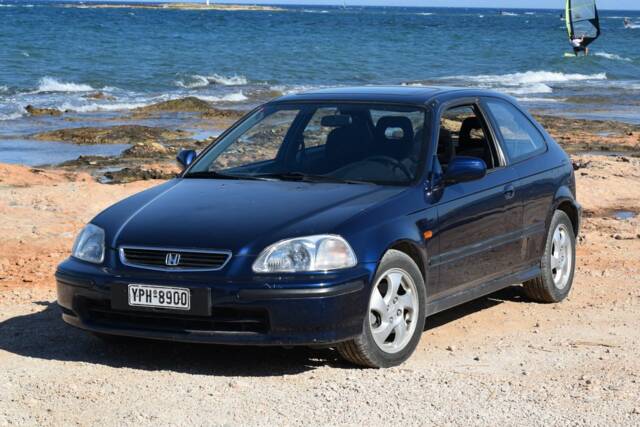
1997 | Honda Civic
Honda Civic VTi | 1997 | Route 66 Auctions - For sale by auction. Estimate 6000 EUR

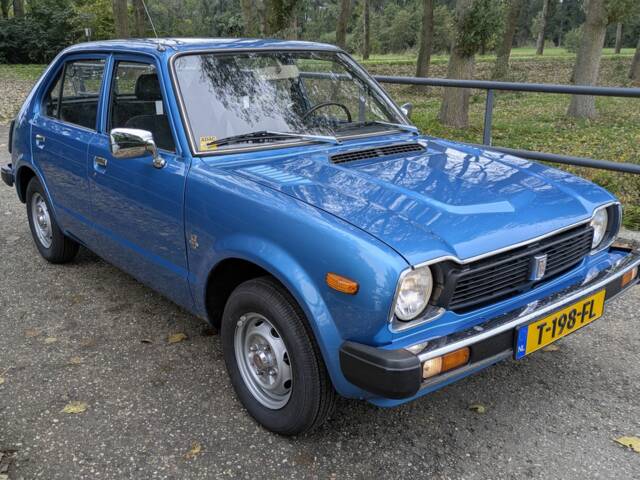
1979 | Honda Civic
Honda Civic | 1979 | Route 66 Auctions - For sale by auction. Estimate 4800 EUR
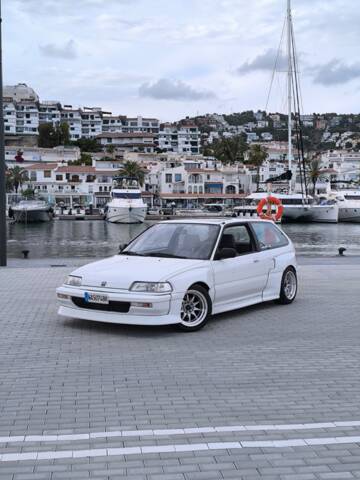
1991 | Honda Civic 1.6 16V
ED6

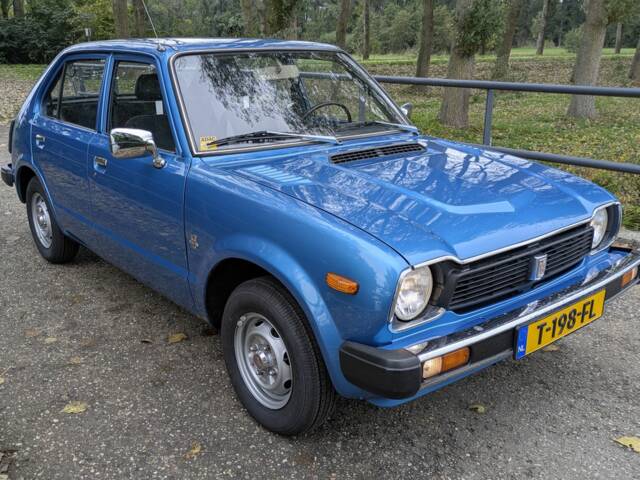
1979 | Honda Civic
Honda Civic | 1979 | Route 66 Auctions - For sale by auction. Estimate 5500 EUR
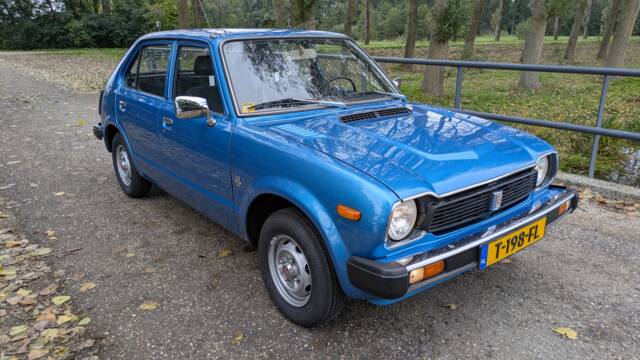
1979 | Honda Civic
Honda Civic 1979, Councours Condition, Original
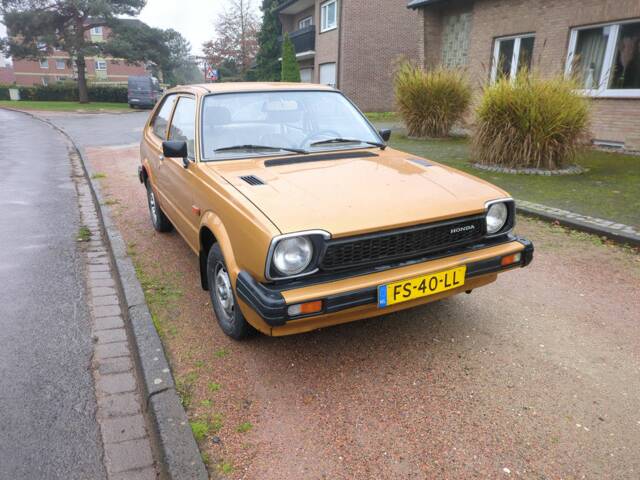
1980 | Honda Civic
Honda Civic | 1980 | Route 66 Auctions - For sale by auction. Estimate 3500 EUR
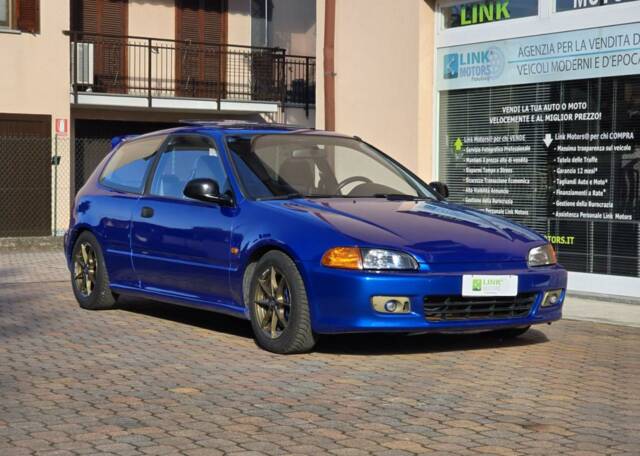
1993 | Honda Civic

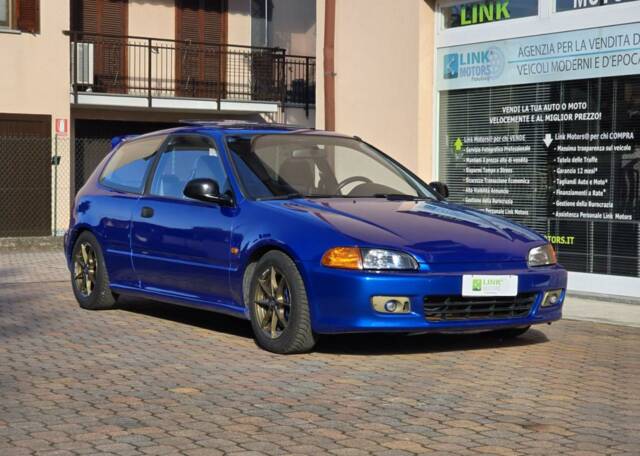
1993 | Honda Civic
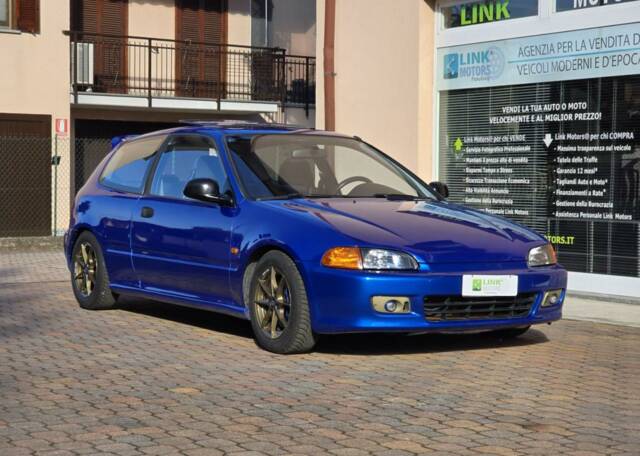
1995 | Honda Civic
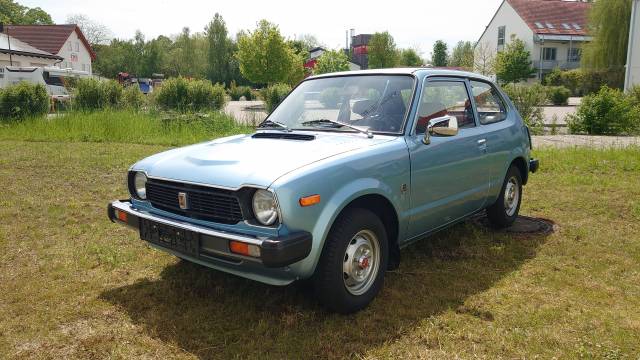
1979 | Honda Civic
Das Fahrzeug ist in einem gepflegten Zustand
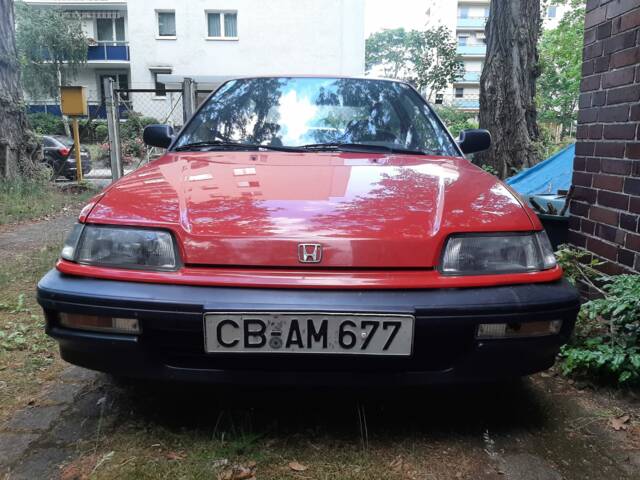
1991 | Honda Civic
Special Price
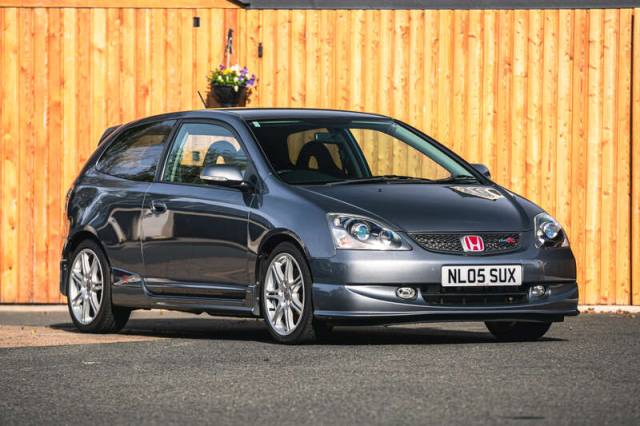
2005 | Honda Civic Type R
2005 Honda Civic (EP3) Type R - 17,000 Miles From New
Honda Civic Classic Cars: Prices & Market Values
History of the Honda Civic
Launched in 1972, the Honda Civic emerged as Honda’s answer to a global oil crisis, offering compact dimensions, impressive reliability and advanced technology for its segment. Initially available as a hatchback and later in saloon and estate forms, the Civic established Honda’s reputation for producing durable, versatile vehicles. Its mechanical layout featured front-wheel drive and compact, efficient engines, constantly refined across generations. By 2023, the Civic had seen over 27 million units produced and cemented its place in automotive history as a truly international model.
Model history of the Honda Civic
The Civic’s first generation (1972–1979) focused on small-displacement engines (1.2–1.5 litres) and practical body styles such as three- and five-door hatchbacks, as well as estates—although the estate was not available in Germany. Successive generations (1979–1983, 1983–1987, 1987–1991) saw a progressive shift towards advanced suspension layouts and diverse models, including the unique CRX coupe. Technical advancements included electronic fuel injection, multi-valve engines, and later, the introduction of the renowned VTEC variable valve timing system. Top-of-the-range models such as the 1.6i-VT (110 kW/150 hp) expanded the Civic’s sporting credentials. The Civic line evolved through the 1990s and into the 21st century—constantly refining drivetrain, safety, and comfort technologies.
Highlights of the Honda Civic
Multiple body styles (hatchback, sedan, coupe) and engine variations mark the Civic’s model range as especially broad. Developments like independent double wishbone suspension, lightweight aluminium block engines, and advanced VTEC valvetrains contributed to a mix of reliability and sportiness. Later generations were further defined by advanced safety, comfort, and digital features. The Honda Civic dominates both supply and demand on the classic car market: over 83.8% of all classic Honda listings are Civics, while buyer interest is even higher—Civic models account for 97.4% of all Honda enquiries, making it the most sought-after model in the marque’s classic lineup.
Technical data
Special Editions and Collectible Models
Notably, the Type R variants—such as EP3, FN2, and FC/FK chassis codes—are celebrated for their performance-oriented set-up, lightweight bodywork and high-revving VTEC engines. These limited-production models offer K20-series 2.0-litre engines producing up to 198 hp, unique styling cues like red accents and dedicated Type R badging, race-inspired Recaro sports seats, and specialist suspension tuning. Early CRX and GT versions are also regarded as cult classics within enthusiast circles for their compact, lightweight, and agile construction.
Engine and Performance, Transmission and Handling
Civics across the generations are praised for their refined, high-revving engines and driving precision. SOHC and DOHC engines with multi-valve heads and VTEC enable smooth power delivery, with later “Type R” versions offering substantial output for a compact platform. Modern suspension designs—most notably the double wishbone—ensure responsive steering and agility, a characteristic highly valued in Type R and CRX editions. Transmissions include slick-shifting manuals and smooth automatics. Braking, safety, and comfort systems improve significantly over time, matching increasingly sophisticated electronics and driver aids. - Honda Civic Type R EP3 (2001–2005): High-output 2.0 VTEC K20A engine, 200 hp, dedicated suspension, performance interior.
- Honda Civic FN2 (2007–2011): 2.0-litre i-VTEC, improved cabin tech and sporty setup.
- Honda Civic 1.6i-VT (ED7/EE9, 1989–1991): 150 hp, 1.6-litre DOHC VTEC, lightweight body, celebrated by racing enthusiasts.
- Honda CRX (various years): Coupe format, nimble chassis, hallmark power-to-weight ratio.
Interior, Comfort, Exterior and design
Civic interiors across generations combine functionality with ergonomic finesse. Early models favour durable velour and cloth upholstery, while Type R variants receive Alcantara or Recaro sports seats with signature red stitching and unique Type R emblems. Sporty leather-trimmed, height-adjustable steering wheels and prominent tachometers typify the driver-centric layout. Externally, the Civic blends practical shape—optimised for visibility and compactness—with angular lines. Later models receive metallic paints (Milano Red, Cosmic Grey, Alabaster Silver), factory-fit alloy wheels (up to 19-inch on select Type Rs), and body-coloured detailing. Accessories often include electric sunroofs, advanced climate control, optional navigation, and curtain airbags. Distinctive tailgate and Type R red badging set performance variants apart.
Other features
Later Civics feature effective rustproofing, extended electronics packages with ISOFIX, Bluetooth, and USB functionality, and safety gear including ABS, EBD, and multiple airbags. Multiple trim levels offer varying combinations of heated mirrors, power windows, split folding rear seats, and digital onboard computers. Spare parts are generally available, even for early generations, making restoration projects viable. European and Japanese production runs supply both left- and right-hand-drive layouts for worldwide markets.
Summary
For enthusiasts, the Honda Civic combines robust engineering, a wealth of engine and body options, progressive safety features, and proven mechanical reliability. High supply and demand on the classic car market reflect the model’s enduring appeal, especially among those searching for everyday usability with the option for high-performance variants. Whether as a classic hatchback, a sporting Type R, or a collectible CRX or GT, the Civic remains a reliable and rewarding choice within the world of classic motoring.