FIAT 8V classic cars for sale
The FIAT 8V – internally known as Tipo 104 – stands out as the only V8 sports car ever produced by FIAT, launched in 1952 and limited to just 114 chassis. With engineering by Dante Giacosa, a lightweight tubular chassis and ambitious coachbuilt bodies by Ghia and Zagato, the 8V is considered a technological outlier within FIAT's mostly small-car portfolio. Its rarity and Italian GT championship victories make it the benchmark for FIAT sports car enthusiasts.
Search results
Currently, there are no matching listings for your search.
Create search alert
Let yourself be notified as soon as a listing is published that matches your search filters.
FIAT 8V listing references from Classic Trader
Below you will find listings related to your search that are no longer available on Classic Trader. Use this information to gain insight into availability, value trends, and current pricing for a "FIAT 8V" to make a more informed purchasing decision.
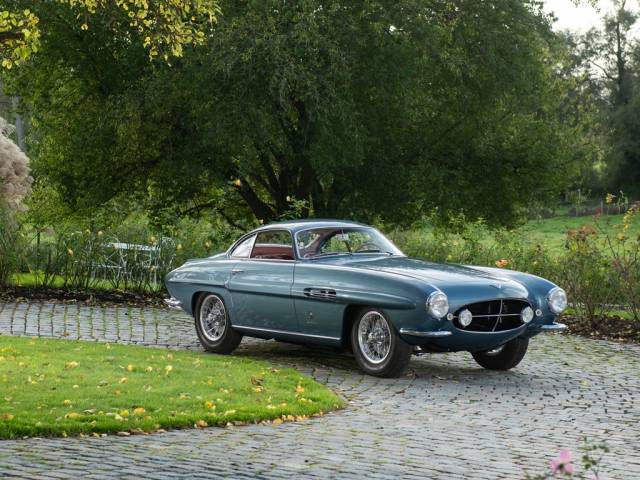
1953 | FIAT 8V Supersonic Ghia
1953 Fiat 8V Supersonic by Ghia

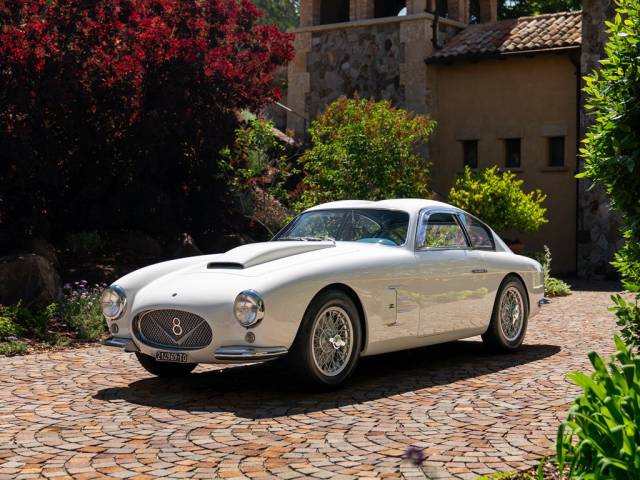
1953 | FIAT 8V
1953 Fiat 8V Berlinetta by Zagato
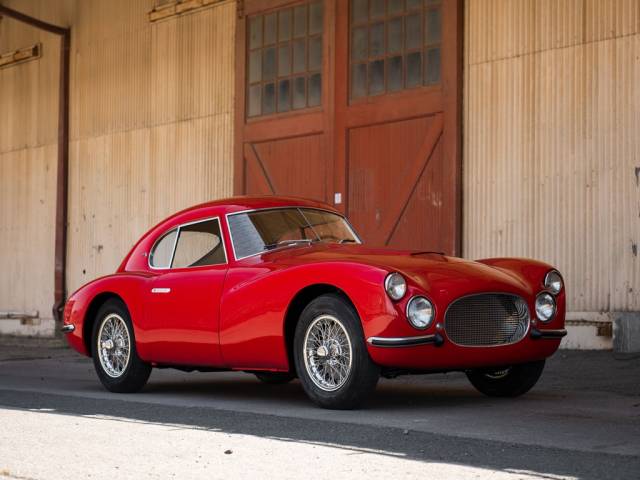
1954 | FIAT 8V
1954 Fiat 8V Berlinetta Series II
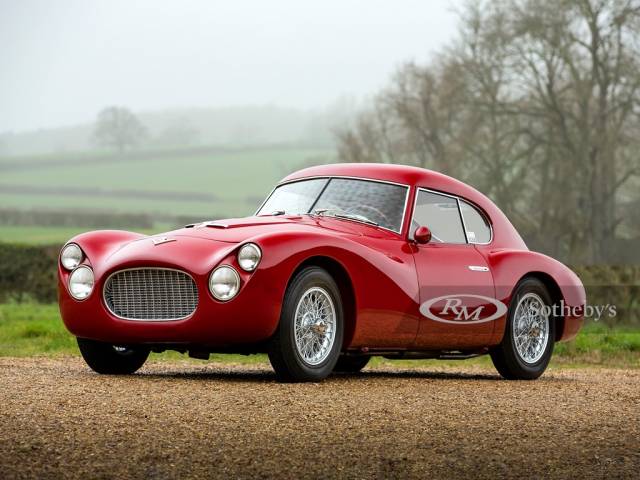
1954 | FIAT 8V
1954 Fiat 8V Coupé
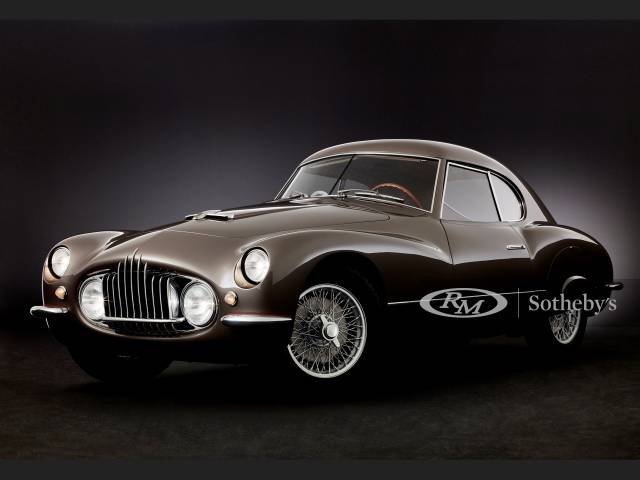
1953 | FIAT 8V
RM Sotheby’s St. Moritz auction - 17 September
Create search alert
Let yourself be notified as soon as a listing is published that matches your search filters.
FIAT 8V Classic Cars: Prices & Market Values
Introduction and history of FIAT 8V
Unveiled at the Geneva Motor Show in 1952, the FIAT 8V – colloquially called "Otto Vu" – marked a strategic departure from FIAT's tradition of compact vehicles, such as the Topolino or the 500. This sports coupe featured a compact, narrow-angle 2.0-litre V8 in a lightweight layout. The model was intended for both road use and motorsport, boasting individual suspension on all wheels, a tubular chassis, and a highly distinctive design. Only 114 chassis were built – each with a unique story.
Coachbuilding was central to the 8V's legacy: around 63 cars sported factory bodies designed by Fabio Lucio Rapi, while the rest carried bespoke bodywork from legendary ateliers such as Ghia and Zagato. Its architecture, developed under Dante Giacosa, blended a tubular frame with stressed steel for optimal stiffness and low mass. The model was versatile, permitted to enter prestigious rallies and races across Europe, including the Mille Miglia and Coppa Inter-Europa.
Model history
The 8V was a new chapter for FIAT, with no direct predecessor, and its impact outlasted its short production run. Of the 114 chassis built, there were two factory-produced series: the first (Series I) with 34 examples, and the second (Series II) with 29 cars, notable for double-stacked headlights. Ghia produced 15 bodies, including the renowned Supersonic; Zagato created approximately 32, with at least 25 lightweight Berlinettas designed for competition.
While FIAT never released a direct successor to the 8V, its influence is evident in Italian coachbuilding and small-batch sports car engineering of the 1950s. Many 8Vs received extensive competition upgrades over time, illustrating their racing focus.
Highlights of FIAT 8V (Tipo 104)
The FIAT 8V exemplifies the rare intersection of advanced engineering and bespoke Italian styling. Notable technical features include the narrow-angle 2.0-litre V8 with finned sump, forged crankshaft, tubular chassis, and independent suspension. Body variants range from Rapi’s factory versions to Ghia’s futuristic Supersonic and Zagato’s ultra-light Berlinettas with unique "Double-Bubble" roofs and racing adaptations.
The 8V’s motorsport credentials are remarkable: it won the Italian GT championship’s 2.0-litre division six years in a row (1954–1959). It readily competed in both domestic and international events, from rallies to concours.
Statistically, the 8V (manufacturer code Tipo 104) holds 100% of both FIAT 8V supply and demand listings on the market, underlining its unique status within the FIAT lineage and among all classic FIAT offerings.
Technical data
Special Editions and Collectible Models
Among the most renowned 8Vs are the Ghia Supersonic (14 produced), distinguished by its Jet Age-inspired, streamlined body penned by Giovanni Savonuzzi, and the numerous Zagato Berlinettas (around 25), famed for their lightweight construction, racing intent, and signature "Double-Bubble" roof. Each coachbuilt 8V, by nature of its individual design, is a unique collectible; however, Supersonic and Zagato variants command particular attention due to their rarity and motorsport achievements.
Weak Spots and Common Issues
Due to its hand-built nature and bespoke mechanicals, the FIAT 8V requires specialist maintenance. Parts availability, especially for the unique V8 engine, bespoke suspension elements, and body panels, can be a major issue. Vehicles often underwent numerous retrofits for competition or reliability, and restorations must be carefully vetted for authenticity. Attention is needed for the tubular chassis (potential corrosion) and any modifications from historic racing or restoration.
Engine and Performance, Transmission and Handling
The 8V’s 2.0-litre V8 generates impressive power for its time, channelling output through a standard 4-speed manual gearbox; racing alterations with 5 speeds were sometimes implemented. The car weighs under 1,000 kg, supporting agile handling assisted by independent suspension at all four corners. Its compact layout and chassis engineering resulted in effective weight distribution and a communicative, precise driving character. On the track, the car achieved consistent class victories thanks to robust performance and set-up flexibility.
Popular Models:
- Rapi-designed factory coupe: Balanced performance, suitable for both road and competition.
- Ghia Supersonic: Chosen for show and rally events, features striking aerodynamics.
- Zagato Berlinetta: Ultra-light, direct steering, designed for competitive motorsport, often equipped with racing adjustments such as lightweight seats, advanced dashboards and the iconic double-bubble roof. undefined
Interior, Comfort, Exterior and Design
FIAT 8V models are celebrated for their highly individual aesthetics. Rapi’s original design is marked by flowing forms and classic coupe proportions. Zagato Berlinettas incorporate major lightweight elements, including unique seating and dashboard designs, distinctive air intakes and the recognisable "Double-Bubble" roof. Ghia’s Supersonic expresses Jet Age optimism with a pronounced bonnet, waistline and subtle tail fins. Interiors ranged from minimalist competition layouts to more opulent trim, depending on the coachbuilder. Colours, materials and accessories typically varied from car to car, including period-accurate accessories tailored to the first owner’s wishes.
Other relevant features
Eligible for historic rallying, concours and classic racing events worldwide, the FIAT 8V enjoys a strong reputation among European collectors. Many examples have undergone sensitive restorations, sometimes incorporating discreet mechanical improvements for modern usability without compromising their originality.
Summary
The FIAT 8V, produced from 1952 with only 114 chassis made, stands as a rare milestone in Italian sports car history. With its innovative V8, advanced chassis design, and a vibrant legacy in both road and competition use, it attracts attention from collectors and motorsport lovers alike. Its numerous coachbuilt variants – particularly from Ghia and Zagato – and its championship pedigree secure its recognition in the classic car landscape, making each 8V a technically and aesthetically exceptional Italian automobile.