Ferrari 400 classic cars for sale
The Ferrari 400 combines discrete Italian gran turismo styling with V12 power and true four-seat comfort. Developed as a grand touring coupé, the 400 stands out for its everyday usability, rare automatic gearbox options, and refined luxury fit for effortless long-distance travel.
Search results
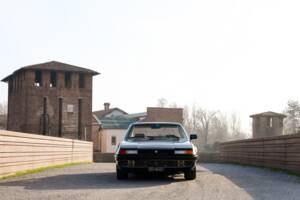
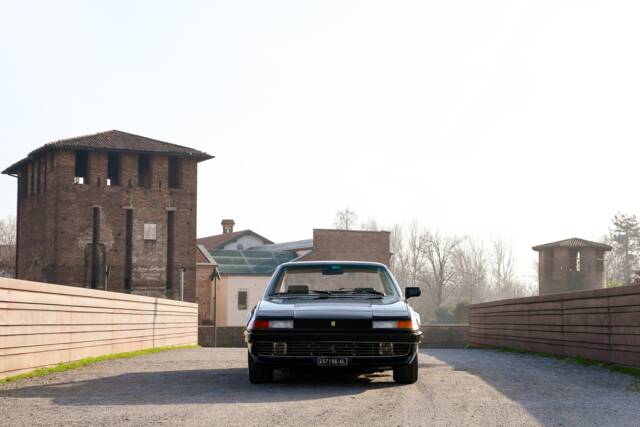
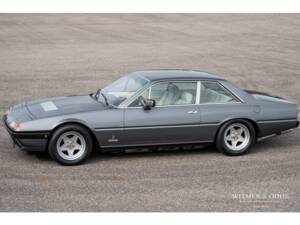
1977 | Ferrari 400 GT
ASI Targa Oro Certification - 1 of 147 examples produced - rare! Manual shift + carburators

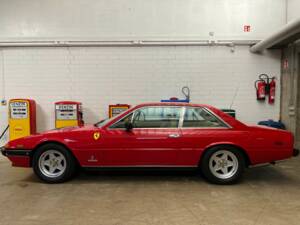
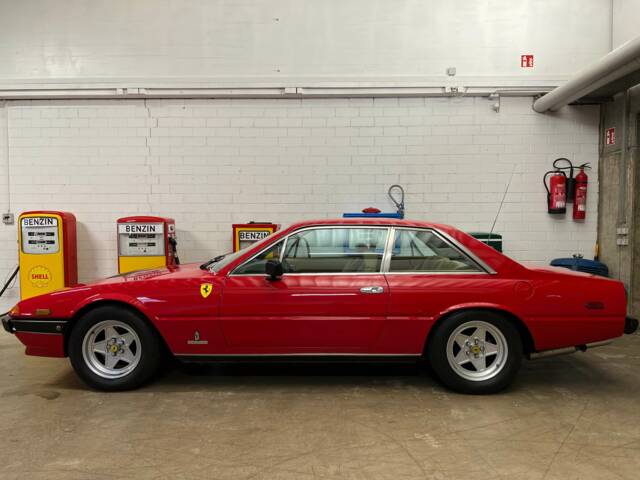
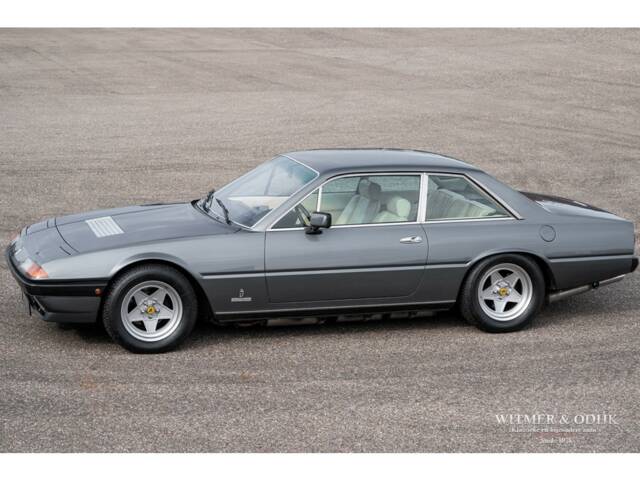
1982 | Ferrari 400i
Ferrari 400

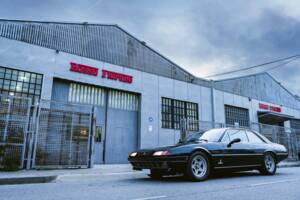
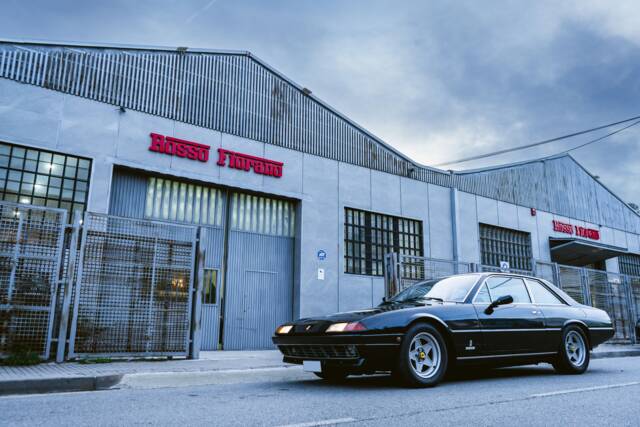
1980 | Ferrari 400i
Manual with Sunroof

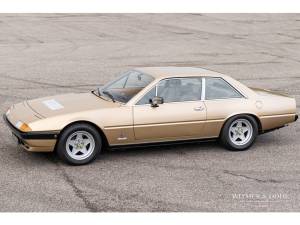
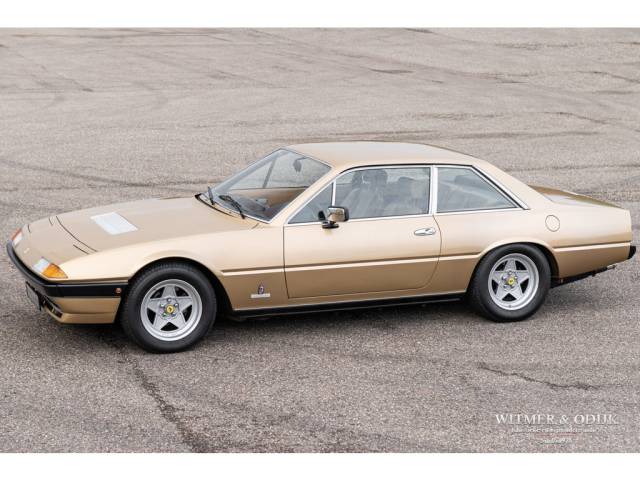

Newsletter
The best Ferrari listings, straight to your inbox
Get hand-picked Ferrari listings, plus the best of cars, motorbikes, and auctions on Classic Trader — all in one place.
Ferrari 400 listing references from Classic Trader
Below you will find listings related to your search that are no longer available on Classic Trader. Use this information to gain insight into availability, value trends, and current pricing for a "Ferrari 400" to make a more informed purchasing decision.
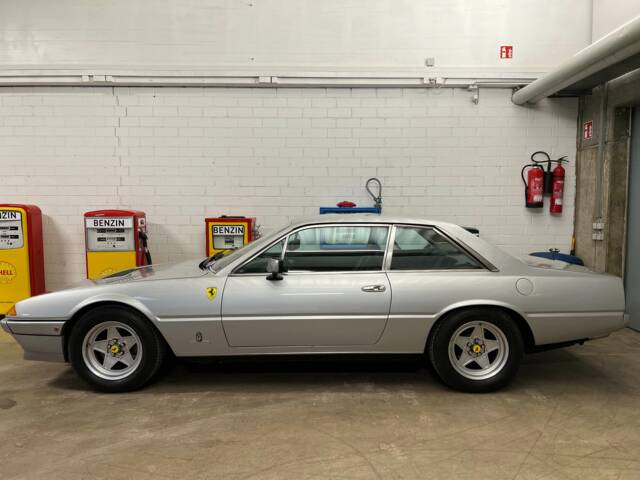
1980 | Ferrari 400i
Ferrari 400
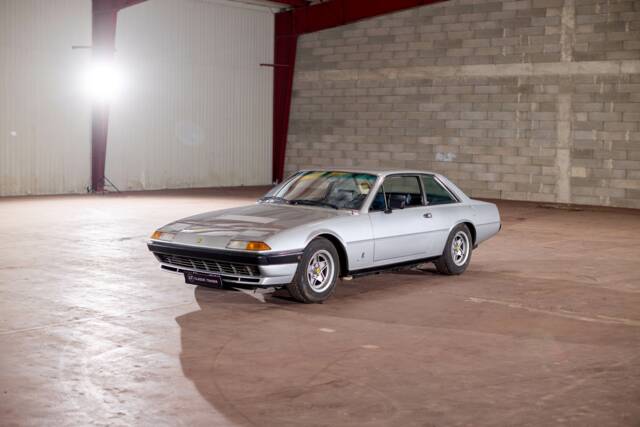
1979 | Ferrari 400 GT
1979 Ferrari 400 GT pre-production vehicle, factory-equipped with Bosch K-Jetronic and automatic transmission, Matching Numbers/Colors, 56,671 km

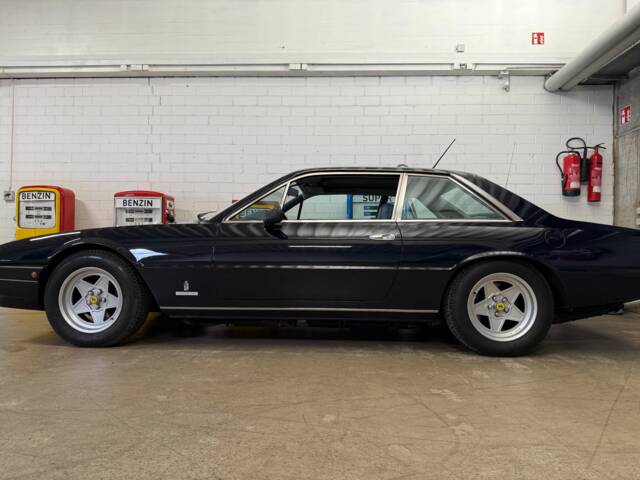
1982 | Ferrari 400i
Ferrari 400
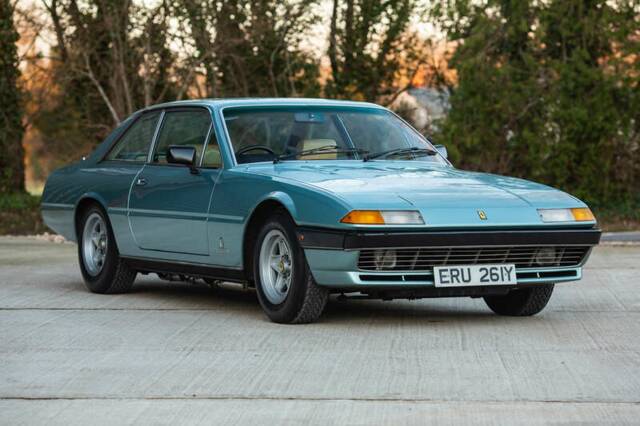
1980 | Ferrari 400i
1980 Ferrari 400 GTi - Manual

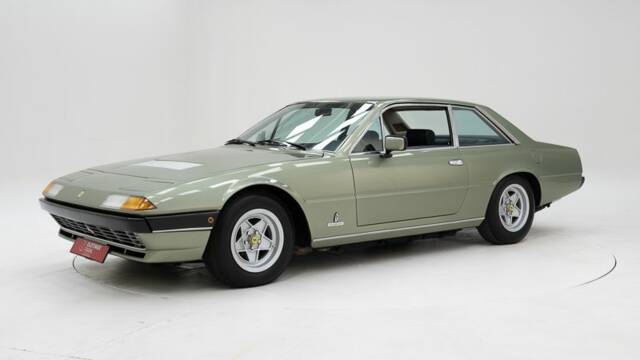
1982 | Ferrari 400i
1982 Ferrari 400i '82

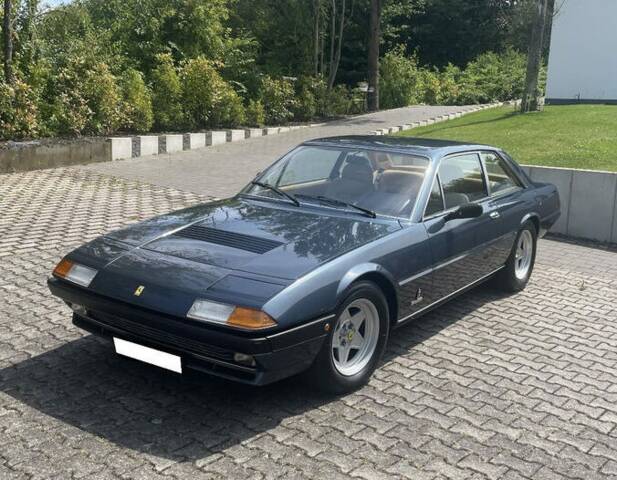
1984 | Ferrari 400i
Ferrari 400i | 1984 | Route 66 Auctions - For sale by auction. Estimate 29500 EUR
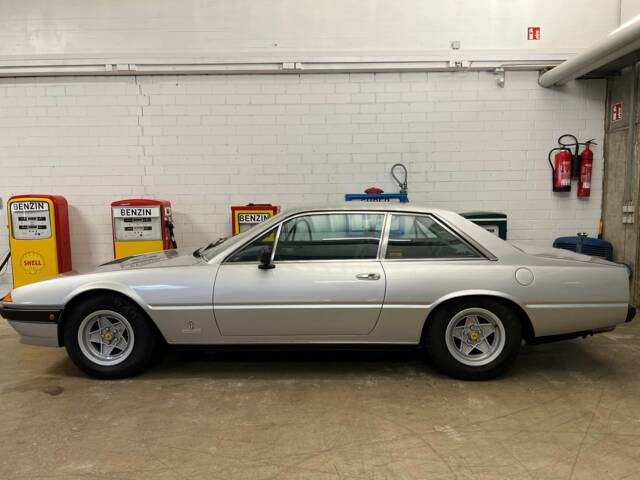
1978 | Ferrari 400 GT
Ferrari 400
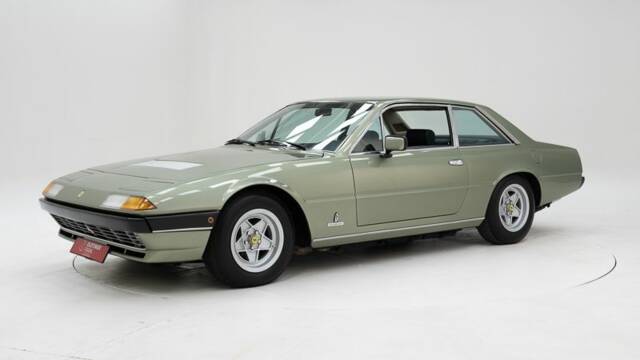
1982 | Ferrari 400i
1982 Ferrari 400i '82
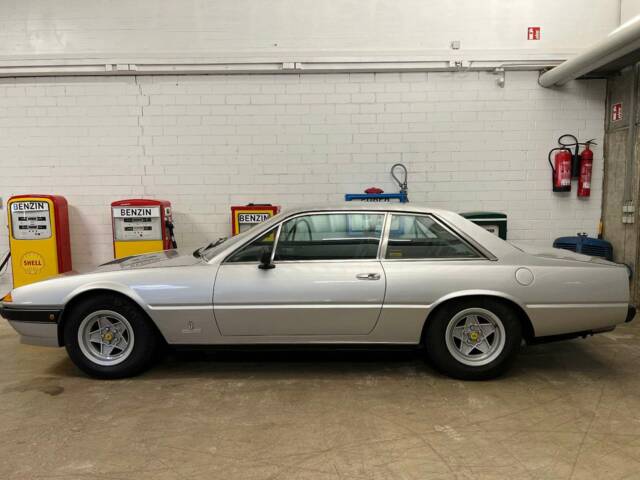
1978 | Ferrari 400 GT
Ferrari 400 Vergaser
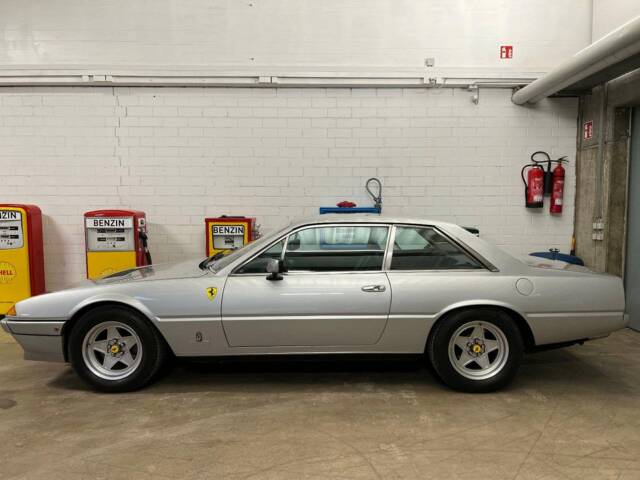
1980 | Ferrari 400i
Ferrari 400 i
Ferrari 400 Classic Cars: Prices & Market Values
The market value of Ferrari 400 classic cars is primarily determined by technical condition, originality and mileage, as well as rarity, history and documentation. A well-maintained, largely original vehicle with low, verifiable mileage and complete history including appraisals and documentation typically achieves significantly higher prices than a comparable vehicle with deferred maintenance, many modifications or unclear provenance.
Ferrari 400: Market Prices & Value Trends
Based on Classic Trader marketplace sales data from January 2021 to January 2026, the Ferrari 400 (including 400 GT, 400i and 400 GT/4 2+2 from the late 1970s to mid-1980s) shows a broadly stable to gently rising market, with most advertised values clustering more tightly in the last two years. Across Europe (notably Germany, Italy, the Netherlands, Belgium and Switzerland), the realistic mainstream price band now sits at roughly £45,000–£75,000, with condition, history and specification (manual vs automatic, injected 400i vs earlier carb cars) doing most of the work. Cheaper entries do appear, but they are often one-off, potentially condition-led outliers, while the highest figures around £90,000–£130,000 tend to reflect exceptional examples or repeated premium adverts rather than the typical transaction level. For today’s buyers this points to a relatively liquid, confidence-led niche: the 400’s understated Pininfarina styling, V12 grand touring character and increasing collector interest in 2+2 Ferraris are supporting values rather than driving sharp spikes.
History of the Ferrari 400
Launched at the Paris Motor Show in 1976, the Ferrari 400 succeeded the 365 GT4 2+2 and continued Ferrari’s tradition of refined grand tourers with four proper seats. The car retained the elegant Pininfarina design drawn by Leonardo Fioravanti, with a distinguishing angular silhouette, extensive glass areas, and a 2+2 layout that favoured practicality. The 400 represented a turning point as it was the first Ferrari offered with an automatic gearbox straight from the factory, catering to clients seeking comfort without sacrificing performance. This series ran until 1985 before passing the baton to the 412, marking one of Ferrari’s longest-lived model families.
Model history
The Ferrari 400 directly followed on from the 365 GT4 2+2, building on its predecessor’s platform and style. Two key variants defined the series: the 400 GT, available with a five-speed manual or a Borg Warner three-speed automatic (later replaced by a GM Turbo-Hydramatic), and the later 400i, which introduced Bosch K-Jetronic fuel injection in 1979. While carburetted 400 GTs could muster up to 340 hp, the injected 400i models started at 310 hp, later rising to around 315 hp after revisions in 1982. Across its production run, around 502 cars were produced as 400 GT and Automatic (1976–1979), and a further 1,306 as 400i (1979–1985). The line culminated in the Ferrari 412 (1985–1989).
Highlights of the Ferrari 400
Distinguished among Ferrari V12s for its elegant yet reserved Pininfarina styling, the 400 combines serious performance (up to 340 hp, 0–100 km/h in about 7–8 seconds) with an unusually high standard of comfort. The model was pioneering as Ferrari’s first with an optional automatic transmission and incorporated features such as self-levelling rear suspension, leather trim as standard, and options like dual-zone air conditioning and real wood dashboard inlays. Cromodora five-spoke wheels, Momo steering wheels, and a well-appointed interior underscored its GT brief for long-distance comfort. Notably, all Ferrari 400s listed on Classic Trader currently represent 100% of the Ferrari models available with this manufacturer code, reflecting its unique standing within the marque.
Technical data
Special Editions and Collectible Models
There were a few noteworthy special versions derived from the Ferrari 400 platform. One example is the unique ‘Meera S’ styled by Giovanni Michelotti in the 1980s, featuring innovations like quadruple windscreen wipers, camera mirrors, and a sunroof; only one such car is known to exist. The 400 series also offered rare bespoke options such as original BOSCH car phones, special paint finishes, and high-end radio or cassette setups from Blaupunkt, Becker, and Kenwood.
Engine and Performance, Transmission and Handling
The naturally aspirated 4.8-litre V12 delivers robust torque for relaxed cruising and brisk acceleration, with power varying from 310 PS (injected 400i) to 340 PS (carburettor 400 GT). The car sprints to 100 km/h in as little as 7 seconds, with top speeds around 240 km/h, depending on specification. Transmission options included a five-speed manual for purists and a three-speed automatic (Borg Warner, later GM Turbo-Hydramatic) – a nod to luxury-conscious buyers. The suspension setup, with independent wheels and self-levelling hydropneumatic rear axle, ensures composure over distance, while standard power steering and advanced (for the time) dual-zone climate contribute to the grand touring character. - Ferrari 400 GT: 340 PS, 5-speed manual, six Weber carburettors
- Ferrari 400 Automatic: 3-speed automatic, same V12 as GT
- Ferrari 400i: Bosch K-Jetronic injection, initial 310 PS, later 315 PS after 1982 revisions
Interior, Comfort, Exterior and Design
Leonardo Fioravanti’s Pininfarina design favours understated elegance, with clear edges, a wedge profile, and large windows ensuring excellent all-round visibility. The steel body sits atop a lightweight glassfibre floor. Inside, the 400 was lavishly outfitted: hand-stitched leather throughout (including, on some versions, the headlining and B-pillars), root wood or wood-look dashboards, and ample space for four adults. Accessories included Momo steering wheels, Vitaloni mirrors, original Blaupunkt radios, and a host of options like bespoke toolkits and even rare original BOSCH car phones. Factory paint colours predominantly included black, blue, silver, beige/crema, and various shades of red. Standard alloy wheels by Cromodora and quad ANSA exhaust finishers completed the look.
Other Noteworthy Features
The Ferrari 400 was produced exclusively in Maranello and was never officially exported to the US; existing right-hand drive cars in the US are all grey imports. Mechanical robustness benefited from the use of timing chains instead of belts, and items like self-levelling rear suspension and power steering were standard. The car came with comprehensive documentation, including the original toolkit, jack, and handbooks.
Summary
The Ferrari 400 embodies the discreet luxury and V12 performance of a proper Italian grand tourer, pairing elegant Pininfarina lines with genuine long-distance ability and a high degree of refinement. Its mix of rarity, unique features, advanced mechanics for the period, factory automatic transmission, and high comfort define it as a specialist’s Ferrari best suited for those who value understated exclusivity and usability alongside classic Maranello character.