DKW F102 classic car for sale
The DKW F102 marks the conclusion of DKW’s automotive era, representing Auto Union’s final two-stroke model made between 1963 and 1966. Distinguished by its rarity and originality, the F102 stands out as a technical bridge from the classic Auto Union lineage to what would become the Audi brand. period-correct details and original accessories frequently set surviving examples apart in today’s market.
Search results
Currently, there are no matching listings for your search.
Create search alert
Let yourself be notified as soon as a listing is published that matches your search filters.
Create listing
Do you have a DKW F102 that you want to sell? Then create a listing now.
Create listingDKW F102 listing references from Classic Trader
Below you will find listings related to your search that are no longer available on Classic Trader. Use this information to gain insight into availability, value trends, and current pricing for a "DKW F102" to make a more informed purchasing decision.
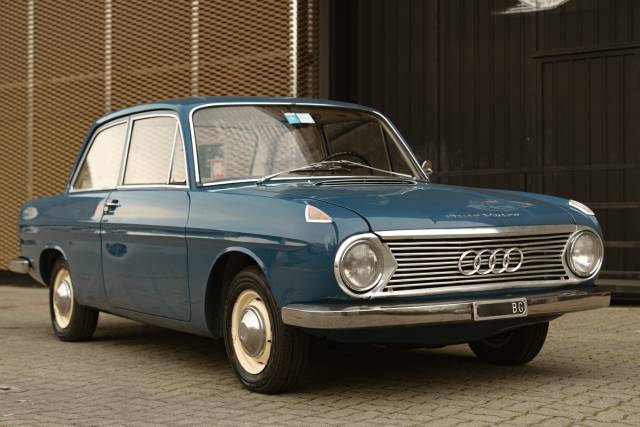
1966 | DKW F102
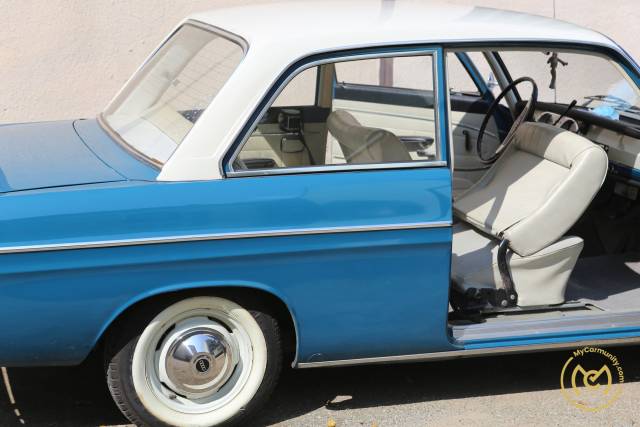
1965 | DKW F102
Very rare Audi, complete history, 2nd hand, engine overhauled, new MOT

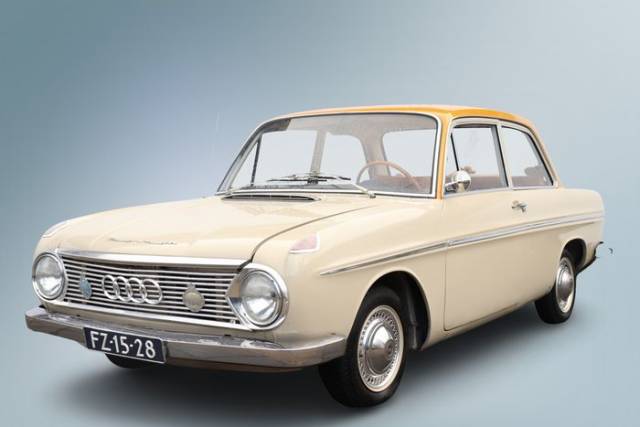
1965 | DKW F102

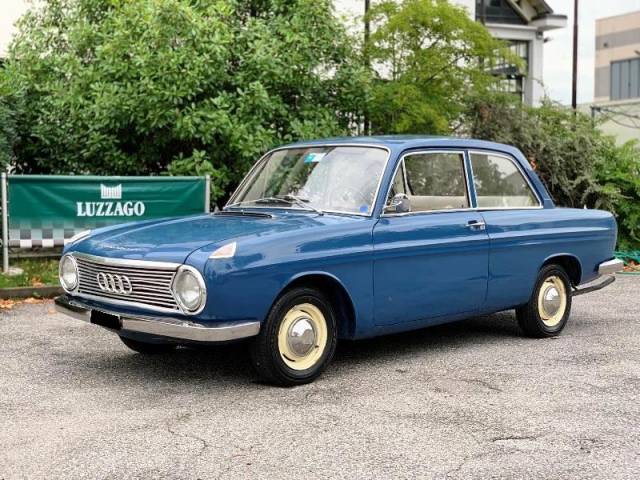
1966 | DKW F102
DKW Autounion F 102
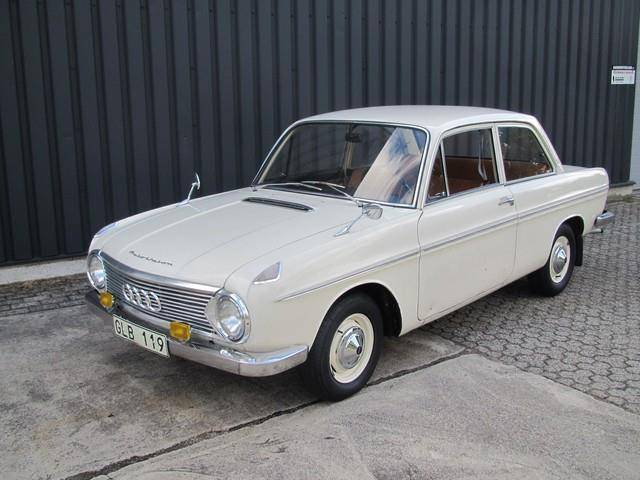
1964 | DKW F102
Oldtimer DKW Auto union F102
Create search alert
Let yourself be notified as soon as a listing is published that matches your search filters.
Create listing
Do you have a DKW F102 that you want to sell? Then create a listing now.
Create listingDKW F102 Classic Cars: Prices & Market Values
History of the DKW F102
Produced by Auto Union from August 1963 until 1966, the DKW F102 was the last DKW passenger car, closing the chapter on DKW’s long tradition of two-stroke engines in West German mass production. Succeeding the Auto Union 1000, the F102 encapsulated Auto Union’s post-war engineering trends, especially its commitment to front-wheel drive and advanced body construction. It was one of the final mainstream German vehicles to feature a two-stroke engine before technological changes forced a rapid pivot toward four-stroke designs, driven in part by emissions and efficiency concerns emerging in the mid-1960s.
Model history
The F102 succeeded the Auto Union 1000 and was integral to Auto Union’s transformation. While it retained the traditional front-wheel drive and layout, the F102 featured a more spacious and modern design. After Auto Union’s acquisition by Volkswagen, the model’s evolution led to the introduction of the Audi F103 series, initially marketed as the 'Auto Union Audi', which was soon renamed Audi 60 after 1966. Today, the F102 is commonly regarded as the direct precursor to the rebirth of the Audi marque.
Highlights of the DKW F102
Key identifying features of the DKW F102 include its original two-stroke powerplant, period-correct stainless steel bumpers, and extensive use of original trim and emblems. Particularly desirable examples feature rare factory accessories like a stainless steel sports exhaust and two-tone paintwork in pearlescent white and sea blue. The full original interior, original door and window seals, and even features like an original factory radio, complete an authentic package.
Technical data
Special Editions and Collectible Models
Specially configured F102 examples, especially those with rare two-tone paint, stainless steel bumpers, or full original documentation (service booklet, spare parts list, owner’s manual), are especially notable among enthusiasts. Additionally, models supplied with the original 'Pappbrief' registration document are particularly sought after by connoisseurs of German classics.
Weak Spots and Common Issues
As with most classic two-stroke DKWs, buyers should inspect for engine wear due to the lubrication characteristics of two-stroke units, as well as the condition of original rubber seals (especially door and window gaskets). Genuine examples may still show well-preserved underbody sections, but corrosion on bodywork and subframe can occur if maintenance has been inadequate. Age-related wear in seat upholstery and headliner materials, as well as moisture damage on the headliner, are to be expected.
Engine and Performance, Transmission and Handling
The DKW F102 delivers the kind of immediate torque and featherlight steering response for which two-stroke front-wheel-drive cars are known. Its handling, enhanced by lightweight construction, promotes agile city manoeuvring. The switch to a four-cylinder, four-stroke engine only arrived with its successor Audi F103, making the F102 the endpoint of its breed. The original specification included a three-cylinder two-stroke engine, powering the front wheels via a manual gearbox. Models distinguished by their rare colour combinations, full original accessories, or highly documented ownership histories are generally favoured by collectors. Technical standouts include those retaining all factory equipment and complete documentation from the original delivery.
Interior, Comfort, Exterior and Design
Inside, the F102 maintained practical Auto Union sensibilities, with grey cloth and imitation leather seats, period trim on the dashboard, and clear analog instrumentation. Externally, the car stood out with factory stainless steel bumpers, dual-colour paint options, and oversized 'Audi' branding on the boot lid, marking one of the earliest visible links between DKW and Audi. Accessories such as the original radio and preserved emblems add unique character to the surviving examples.
Other features
Factory-issued items such as the original manual, repair instructions, spare parts catalogues, and 'Pappbrief' vehicle registration papers represent valuable historical records for these cars. Fully documented provenance can help confirm authenticity and enhance collector interest.
Summary
The DKW F102 represents a rare convergence of post-war German automotive traditions and transition to the modern era, with every example traceable as the last true DKW from Auto Union. Its two-stroke heritage, unique styling elements, and status as a direct precursor to the Audi marque make it a fascinating proposition for enthusiasts of classic German engineering.