DKW 1000 Classic Cars for Sale
The DKW 1000 was a milestone in German post-war automotive engineering, recognised for its three-cylinder two-stroke engine, distinctive design and variety of body styles. A favourite among classic car fans for its robust construction, the DKW 1000 shines as both a usable classic and a collector’s piece for those seeking pure 1960s driving character.
Search results
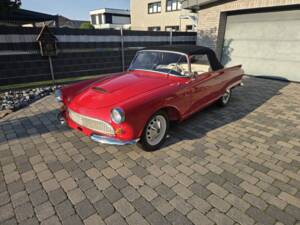
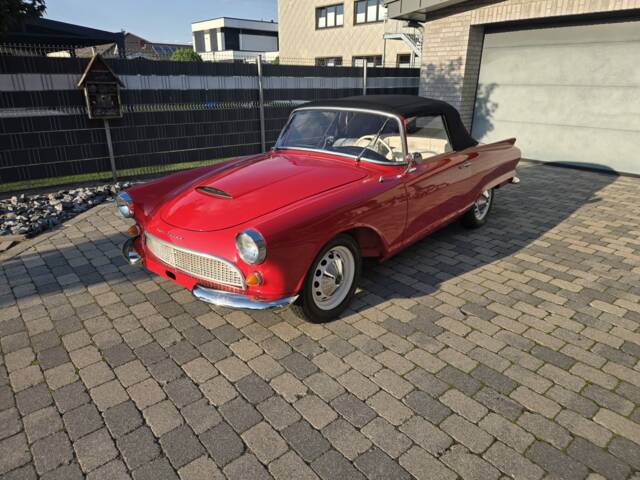
1962 | DKW Auto Union 1000 Special Roadster
DKW 1000 SP Roadster – Rarität

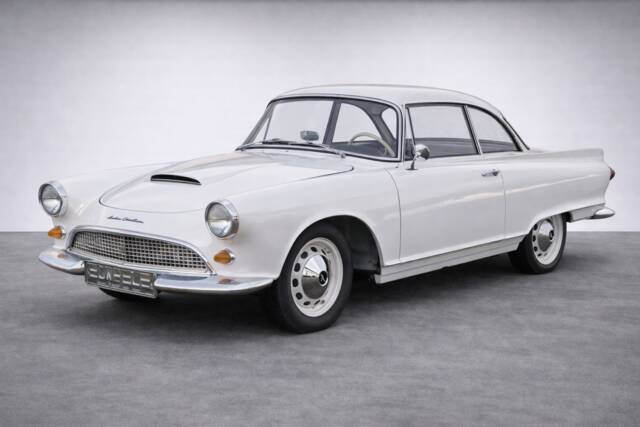
Auctions ending soon

Loading…
Loading…
Loading…
Loading…
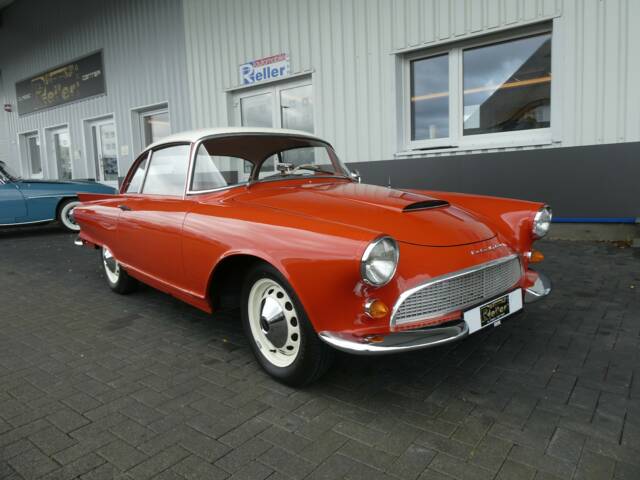
1960 | DKW 1000 SP
europäische Erstauslieferung
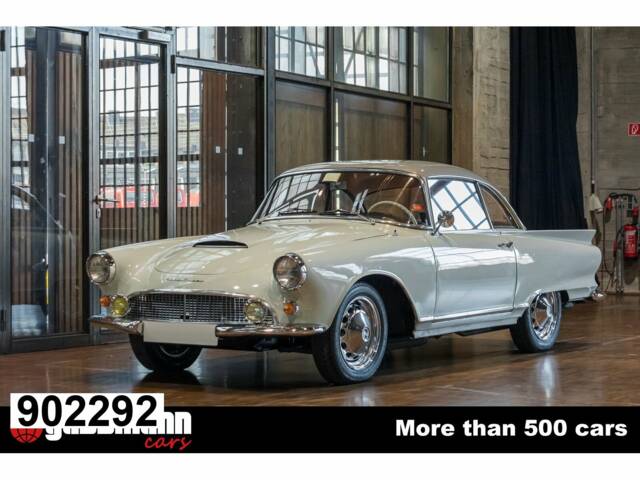
1962 | DKW 1000 SP
Auto Union / DKW 1000 SP
Newsletter
The best DKW listings, straight to your inbox
Get hand-picked DKW listings, plus the best of cars, motorbikes, and auctions on Classic Trader — all in one place.
DKW 1000 listing references from Classic Trader
Below you will find listings related to your search that are no longer available on Classic Trader. Use this information to gain insight into availability, value trends, and current pricing for a "DKW 1000" to make a more informed purchasing decision.
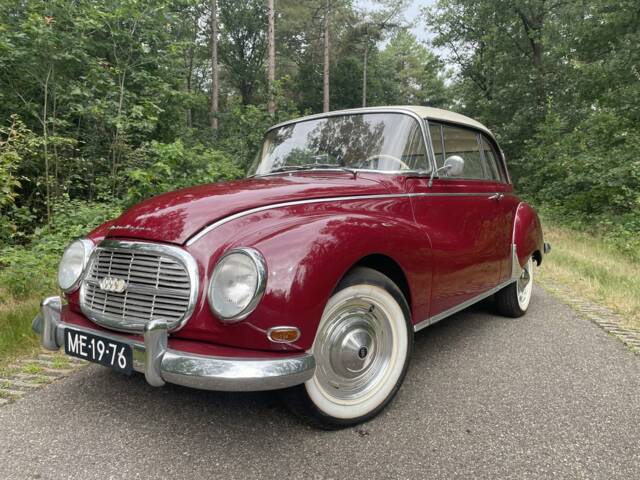
1963 | DKW Auto Union 1000 S
Auto Union 1000 Super | 1963 | Route 66 Auctions - For sale by auction. Estimate 13500 EUR

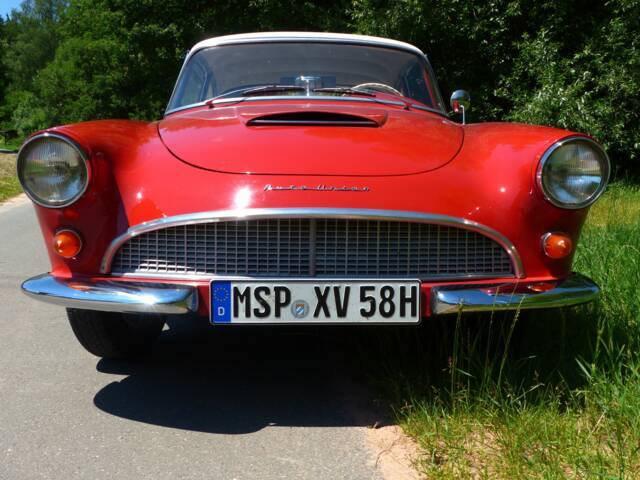
1958 | DKW Auto Union 1000 Spezial
Laut Wertgutachten 2021 Zustand 2 Gut
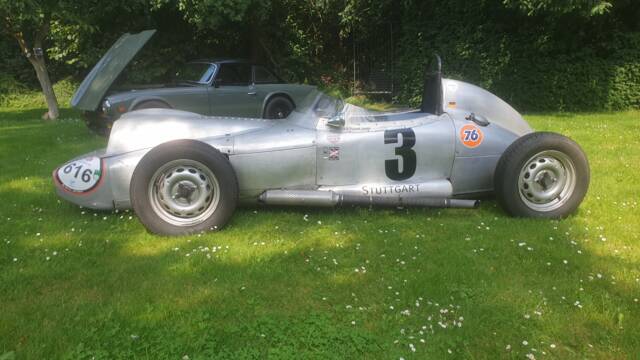
1960 | DKW Auto Union 1000
Seltener DKW Frontmotor Formel 3
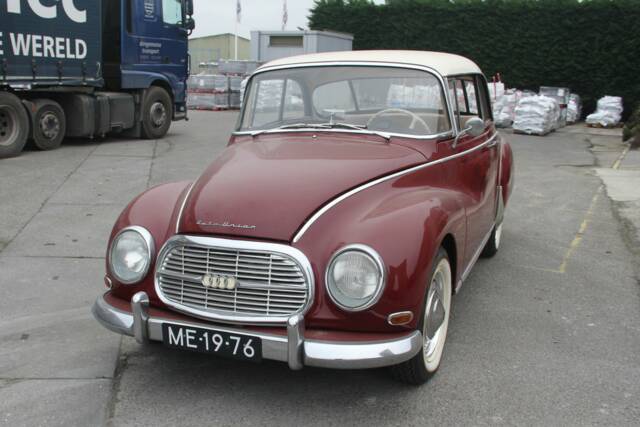
1963 | DKW Auto Union 1000 S
Auto Union 1000 Super | 1963 | Route 66 Auctions - For sale by auction. Estimate 7500 EUR
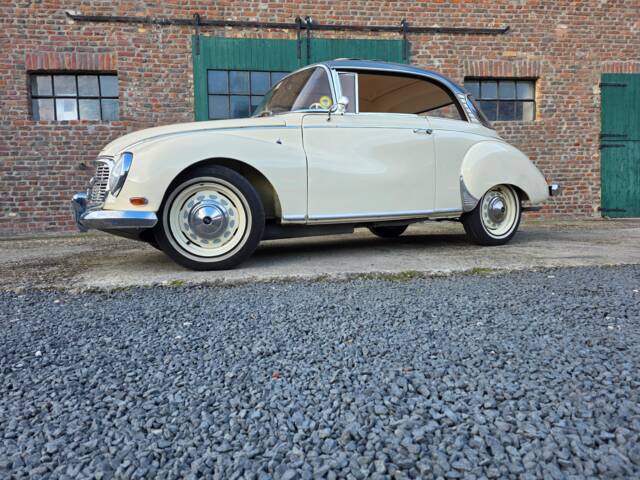
1962 | DKW Auto Union 1000 S de Luxe
Auto Union 1000 S Coupé de Luxe Faltdach DKW
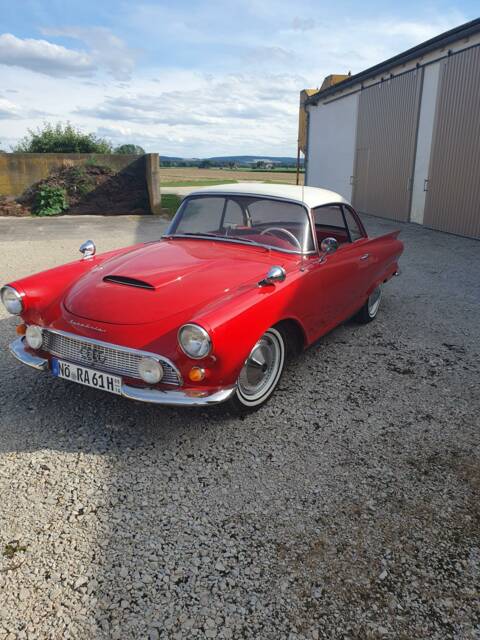
1962 | DKW Auto Union 1000 Spezial
Zuverlässiger DKW 1000 Spezial mit klassischer Optik und technisch einwandfrei
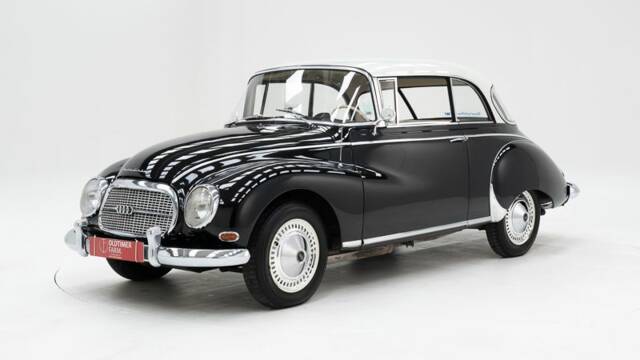
1960 | DKW Auto Union 1000 S
1960 Auto Union 1000 S '60

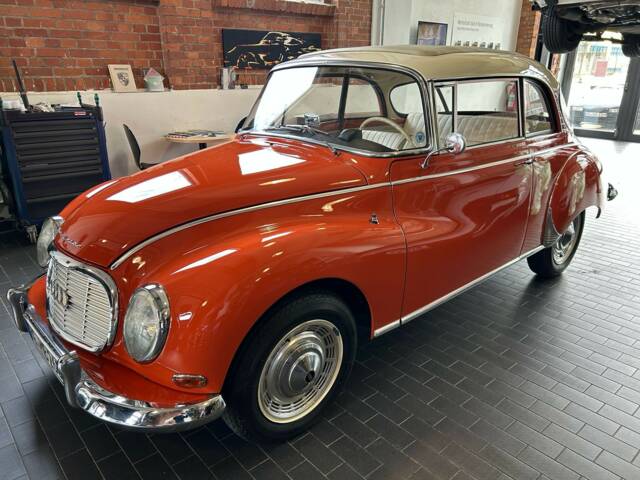
1961 | DKW Auto Union 1000 S
Umfangreich restaurierter DKW zum Verlieben
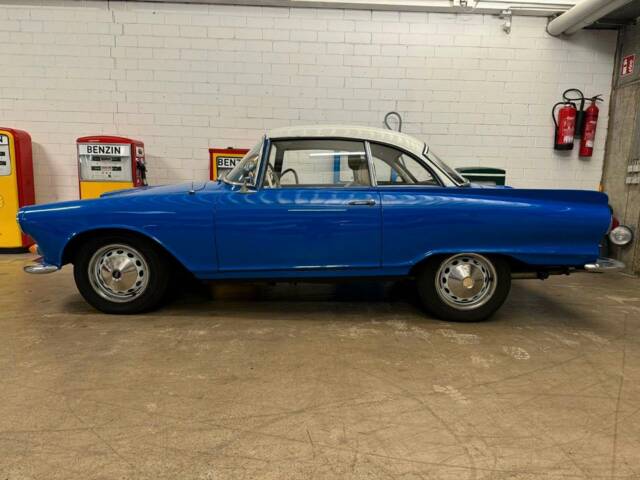
1962 | DKW 1000 SP
Audi 1000SP
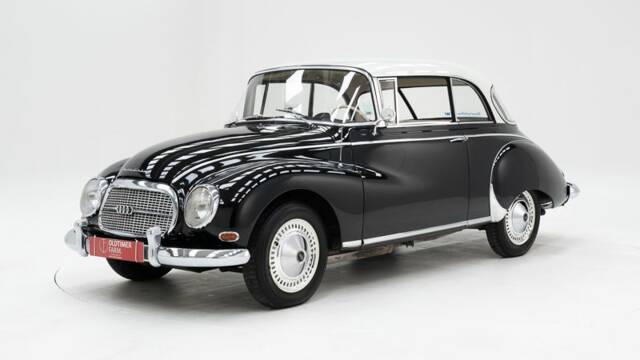
1960 | DKW Auto Union 1000 S
1960 Auto Union 1000 S '60
DKW 1000 Classic Cars: Prices & Market Values
The market value of DKW 1000 classic cars is primarily determined by technical condition, originality and mileage, as well as rarity, history and documentation. A well-maintained, largely original vehicle with low, verifiable mileage and complete history including appraisals and documentation typically achieves significantly higher prices than a comparable vehicle with deferred maintenance, many modifications or unclear provenance.
DKW 1000: Market Prices & Value Trends
Based on sales data from the Classic Trader marketplace, the DKW 1000 market (largely 1958–1965 cars such as the 1000 S, 1000 SP and “Spezial”/Special Roadster) shows a broadly stable to slightly firmer trend over the period from January 2021 to November 2025, with most recent asking prices clustering in the low-to-mid £20,000s. Ignoring clear one-off outliers at the extreme low end and a single very high-priced example, a realistic current market range sits at roughly £15,000 to £40,000, with the majority of driver-quality cars and well-presented restorations typically advertised around £17,000–£30,000. German and Benelux listings dominate the dataset, which fits the model’s traditional enthusiast base in mainland Europe. For buyers, this points to a niche but liquid market where condition, originality and body style drive value: rarer SP and Special Roadster variants tend to command a premium, while saloons and “Universal” estates trade more accessibly. The modest appreciation is consistent with growing interest in early Auto Union-era classics and the appeal of distinctive two-stroke heritage.
Introduction and history of DKW 1000
The DKW 1000, also branded as the Auto Union 1000, entered production in 1958 as the evolution of the successful DKW F94 and direct successor to the DKW 3=6. It was a product of Auto Union GmbH in Ingolstadt, at a time when the legacy of its four brands—Audi, DKW, Horch and Wanderer—was still strongly evident. The car responded to contemporary demands by offering a 981 cc three-cylinder two-stroke engine, delivering increased performance (up to 37% more power than its predecessor). The range included saloons, estates, coupés and convertibles, with the popular Coupé S standing out for its panoramic windscreen. Well over 170,000 units left the factory by 1963, after which the DKW 1000 was replaced by the F102 - though production continued in Brazil until 1967.
Model history
The DKW 1000 was available in several key variants over its production run. The initial saloon (limousine) was followed by luxury options like the Universal estate and the elegant Coupé and Roadster models, with the Coupé S integrating advanced features such as disc brakes on the front axle. Special trim variants included the 1000 SP and 1000 Spezial, both recognised for their sporting characteristics. The top Coupé S inherited a synchronised gearbox and a distinctive dashboard with vertical speedometer. The DKW 1000’s production moved from Düsseldorf to Ingolstadt and ended in Germany in 1963 but was produced in Brazil until 1967.
Highlights of DKW 1000
The DKW 1000 attracted attention at its 1957 International Motor Show debut with its bicolour bodywork, bright chrome details, and high-torque engine. Early models were known for their float axle rear suspension, handling that was above-average for a front-wheel drive two-stroke, and the inimitable two-stroke soundscape. The Coupé S, with its disc brakes and athletic design, earned the nickname “narrow-gauge Thunderbird.” Many examples retain their original Blaupunkt radios and period-correct interior upholstery.
Technical data
Special Editions and Collectible Models
The Auto Union 1000 SP stands out as the most desirable special edition. Built by Baur in Stuttgart from 1958 to 1965, only 5,004 examples of this coupé and roadster combination were made. The 1000 Spezial was launched as a sportier version, often called the 'Schmalspur-Thunderbird' for its American-inspired lines, adding exclusivity for enthusiasts focused on rare coachwork and dynamic styling.
Weak Spots and Common Issues
DKW 1000 models are generally robust and simple in construction. The steel body tends to resist significant rust if properly stored, but long-term dampness can lead to corrosion, especially in vulnerable undercarriage areas. Original two-stroke engines require careful lubrication and fresh two-stroke oil. Spare parts are widely available due to the car's mechanical simplicity, and interior materials such as fabric and vinyl can be restored using modern reproductions. The brake system, particularly in earlier drum-braked models, requires regular inspection. Electrical systems are basic but can suffer from age-related degradation.
Engine and Performance, Transmission and Handling
The characteristic three-cylinder two-stroke engine delivers lively acceleration at low weights, with up to 55 PS in high-performance models like the SP. The 4-speed manual transmission, usually with column shifter, provides direct, robust engagement. The rear swing axle and front-wheel drive layout result in surprisingly balanced handling for a 1960s compact, with reliable braking and good road holding thanks to the rigid chassis.
Popular models include:
- DKW 1000 SP Coupé – 981 cc two-stroke, 55 PS, front disc brakes, 140 km/h top speed.
- DKW 1000 S Limousine – 981 cc, up to 50 PS, synchronised gearbox, vertical speedometer.
- DKW 1000 Universal (Estate) – practical estate variant with robust underpinnings, typically 44 PS. undefined
Interior, Comfort, Exterior and Design
Signature features of the DKW 1000 include curved panoramic windscreens (notably on Coupé S), chromed hubcaps, two-tone paint finishes, and minimalist yet elegant dashboards. Interiors were available in a range of period-correct cloth or vinyl materials, often retained in surviving examples. Options included original Blaupunkt radios and plentiful Auto Union branding throughout the car. The 1000 SP in particular drew on American influences, earning fan recognition for its 'Schmalspur-Thunderbird' lines, rear fins, and wrap-around glass. Bodywork construction was robust, with attention to detail on chrome trim and colour-matched steering wheels and accents.
Other relevant features
Many DKW 1000s were delivered with special-market features for exports to Sweden, Austria and South Africa. Seatbelts—initially uncommon—were fitted in later years and retrofitted to many surviving examples. The model's simple servicing regime and broad club support make it an approachable classic for both extensively experienced collectors and classic car newcomers.
Summary
With its lively two-stroke engine, unmistakable period design, and practical engineering, the DKW 1000 embodies the optimism and ingenuity of post-war German motoring. Supported by high parts availability, an active enthusiast base, and a robust mechanical design, the DKW 1000 remains a standout for those seeking a classic with unique technology, engaging driving experience and authentic 1960s aesthetics.