Chrysler Series 75 – Classic Car Buyer's Guide
Manufactured in 1929, the Chrysler Series 75 stands out for its advanced engineering, distinctive style, and historic motorsport pedigree. This straight-six roadster attracted attention at historic races and remains a rare, technically forward classic featuring hydraulic brakes, manual gearbox, and a unique Red Head cylinder head for enhanced performance.
Search results
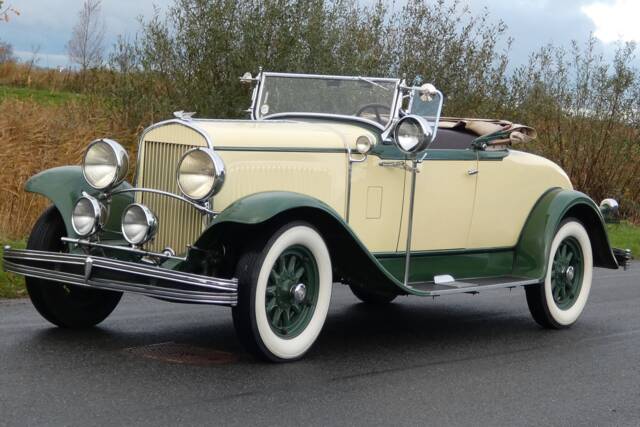
1929 | Chrysler 75 Special
Chrysler 75 Roadster 1929 , Mille Miglia

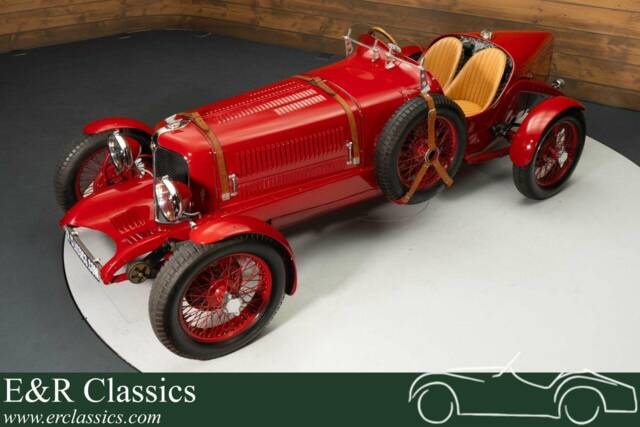
1929 | Chrysler 75 Special
Chrysler Special | Uitvoerig gerestaureerd | One-off | 1929
Chrysler Series 75 listing references from Classic Trader
Below you will find listings related to your search that are no longer available on Classic Trader. Use this information to gain insight into availability, value trends, and current pricing for a "Chrysler Series 75" to make a more informed purchasing decision.
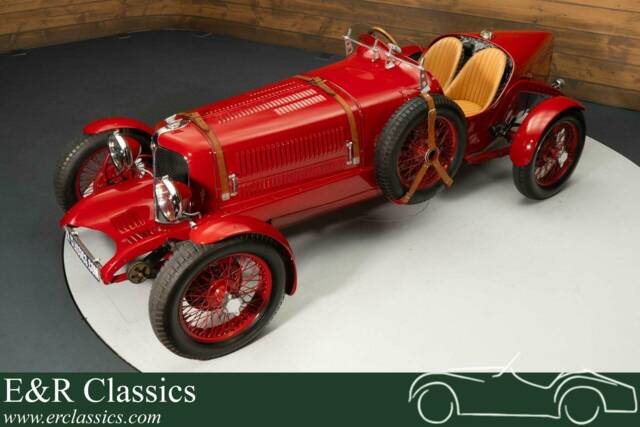
1929 | Chrysler 75 Special
Chrysler Baguet Special Cabriolet
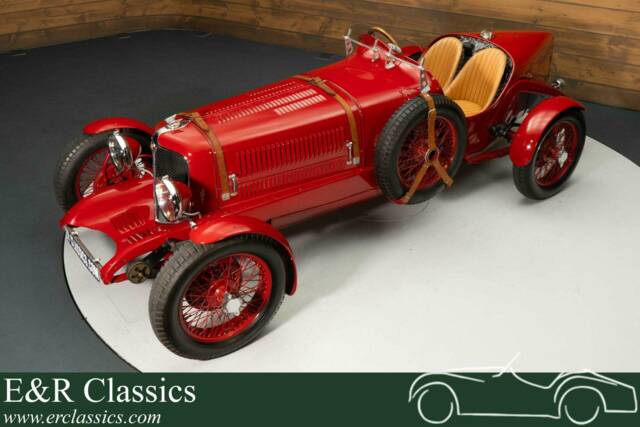
1929 | Chrysler 75 "Le Mans"
Chrysler Baguet Special Cabriolet
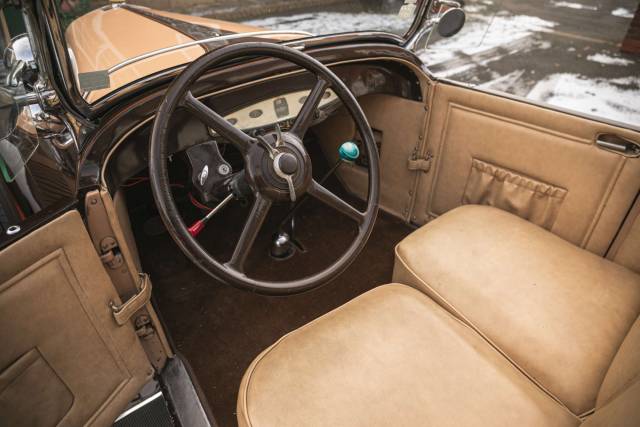
1929 | Chrysler 75 Special
1929 Chrysler Series 75 Roadster

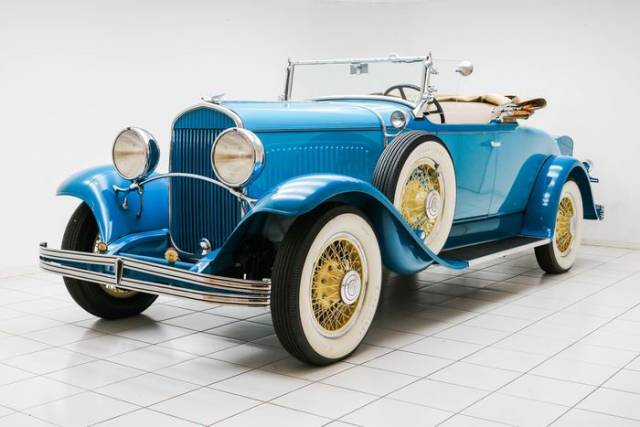
1929 | Chrysler 75 "Le Mans"
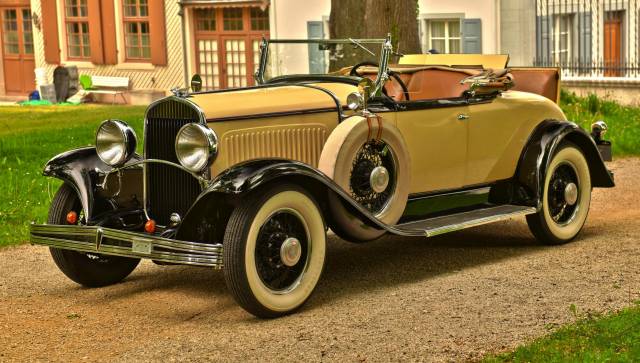
1928 | Chrysler 75 "Le Mans"
Chrysler Series 75 Classic Cars: Prices & Market Values
History of the Chrysler Series 75
The Chrysler Series 75 made its debut in 1929 as part of Chrysler's ambition to push into the upper-middle-class automobile market. It quickly gained recognition on European racing circuits, notably achieving a sixth overall position and third in its class at the 1929 24 Hours of Le Mans. The model also secured victories in prestigious events like the Mille Miglia, cementing its legacy as more than just a road car. Incorporating hydraulic brakes at a time when most competitors still used mechanical systems, the Series 75 demonstrated Chrysler's commitment to technical innovation.
Model History
The Series 75 succeeded earlier Chrysler models with continuous technical improvements, especially in engine performance and safety features. Its direct predecessors featured less powerful engines and mostly mechanical brakes. The 75 was replaced in subsequent years by Chrysler's more contemporary models as automotive design and engineering evolved. Today, the Series 75 is recognised on the classic car scene, especially in its rare Le Mans Roadster configuration.
Highlights and Special Features
One standout aspect of the Chrysler Series 75 is its advanced engineering for the time. The 4,078 cc straight-six with a Red Head cylinder head produces 86 hp—substantial output in 1929. Hydraulic brakes ensured effective stopping power, far ahead of many competitors. Extensive chrome trim, original dashboards and gauges, and eligibility for historic events like Le Mans Classic and the Mille Miglia make this model unique.
The use of high-quality materials—such as brown leather interiors, beige carpets, and distinctive turquoise or blue paint—also sets the Series 75 apart. Some examples are known to come with original documents and period accessories.
Technical Data
Special Editions and Collectible Models
The most notable Series 75 variant is the Le Mans Roadster, eligible for participation in the Mille Miglia and Le Mans Classic due to its achievements in period motorsport. Vehicles with documented race history or original paperwork are especially sought after and carry additional collector value.
Weak Spots and Common Issues
Hydraulic brakes, though advanced, require careful maintenance to avoid leaks or system failure—replacement parts can be challenging to source. The straight-six engine, particularly with the Red Head cylinder head, should be regularly inspected for head gasket integrity and proper cooling. Restoration work can vary in quality, so potential buyers should examine documentation and restoration photos where possible.
Engine, Transmission, and Driving Experience
The Series 75's 4,078 cc straight-six delivers 86 hp, resulting in lively acceleration by late 1920s standards. The manual transmission offers direct engagement with mechanical feedback. Advanced for its time, hydraulic brakes provide superior stopping power and inspire more confidence than most contemporaries lacking such technology.
Long-distance performance was proven in endurance races like the 24 Hours of Le Mans and the Mille Miglia, which showcased the model's reliability and driveability. Most surviving examples are thoroughly restored or overhauled, offering classic motoring with a unique mechanical character. - Chrysler Series 75 Le Mans Roadster (86 hp, eligible for historic events)
- Various body styles, often featuring distinctive colour schemes and authentic interiors
Interior, Comfort, Exterior, and Design Features
Designed with clear 1920s grandeur, the Series 75 features heavy use of chrome, original dashboards, and analog tachometers. Most cars sport turquoise or blue paintwork, finished off with period-correct brown leather seats and beige carpeting. The model’s dashboard and instrument layout reflect its competitive origins and period craftsmanship. Exteriors are often accentuated by detailed chrome fixtures, while interiors retain the luxury-standard trim of the day. Should you find factory accessories or period extras, such as travel kits or additional lighting, these further enhance the vehicle’s appeal.
Other Notable Features
Chrysler Series 75s offered on the market are frequently supplied with original documentation, making them especially appealing to collectors interested in provenance. Exempt from technical inspections in some countries (e.g., the Netherlands), the Series 75 can provide a more accessible entry into classic car events and historic driving experiences.
Summary
The Chrysler Series 75 embodies a rare blend of technical advancement and motorsport achievement from the late 1920s. With its potent straight-six, pioneering hydraulic brakes, and outstanding period craftsmanship, this model remains a true standout in the classic car sector—especially for those seeking eligibility for major historic racing events.