- Car
- Autobianchi
- Autobianchi Y10 (3 offers)
Autobianchi Y10 classic cars for sale
The Autobianchi Y10 stands out among classic superminis, being produced from 1985 to 1995 and incorporating features such as electric windows, central locking, and innovative roof options. Its compact size, unique suspension, and low cost of ownership have made it a favourite for city driving and classic enthusiasts.
Search results
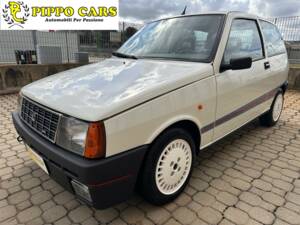
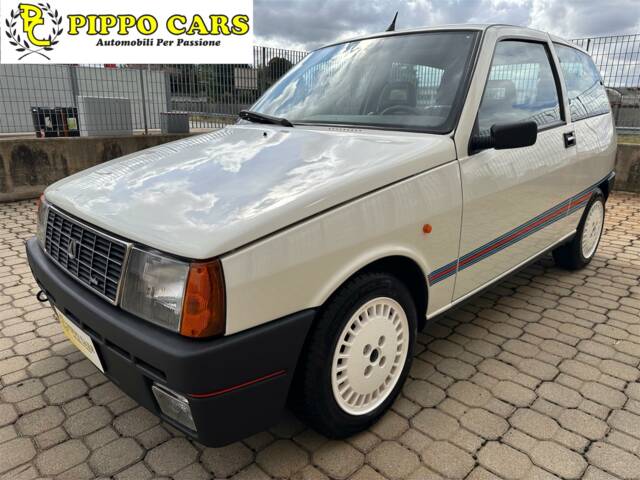
1987 | Autobianchi Y10 Turbo
AUTOBIANCHI Y10 TURBO MARTINI 1988 ONLY 6 ON THE WORLD

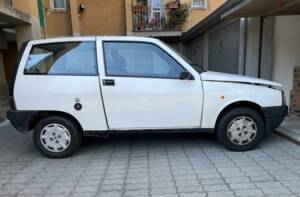
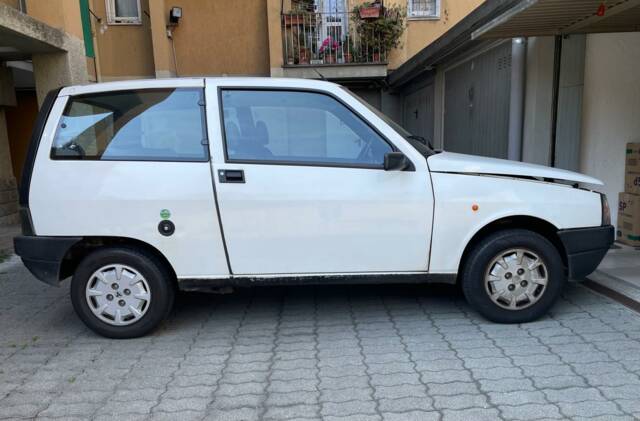
1989 | Autobianchi Y10 4WD
Vendo Y10 Fire del 1989 ottimo stato
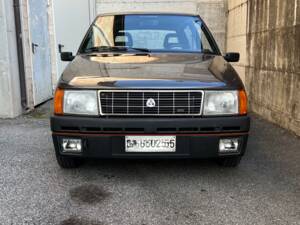
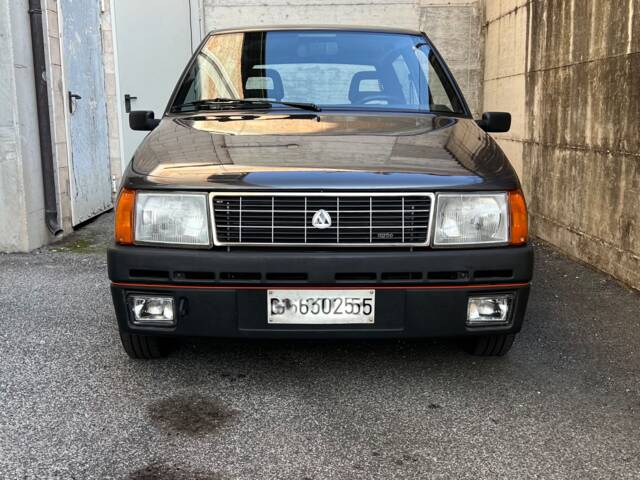
Autobianchi Y10 listing references from Classic Trader
Below you will find listings related to your search that are no longer available on Classic Trader. Use this information to gain insight into availability, value trends, and current pricing for a "Autobianchi Y10" to make a more informed purchasing decision.
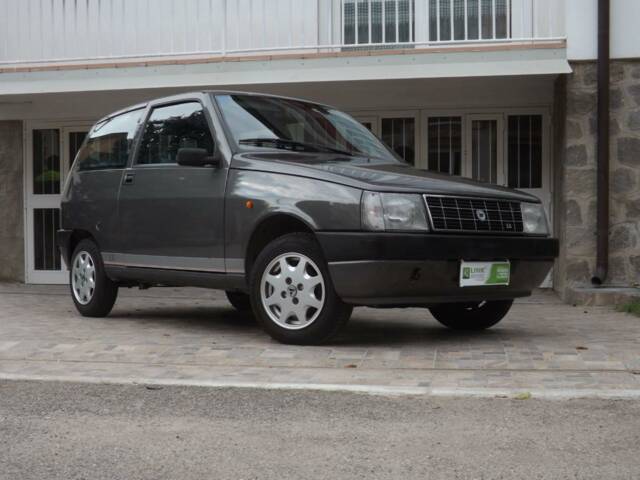
1989 | Autobianchi Y10 Fire
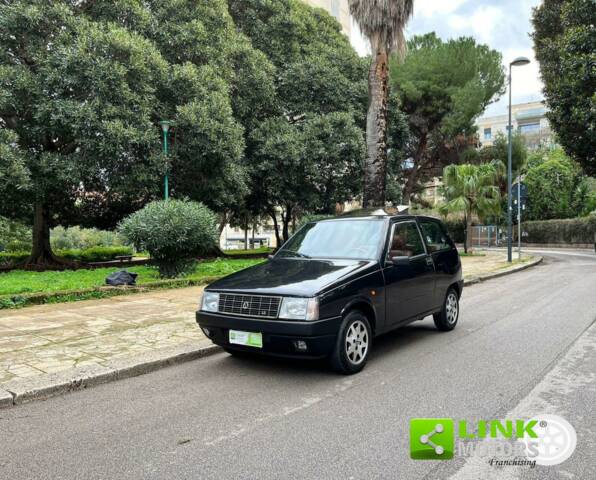
1991 | Autobianchi Y10
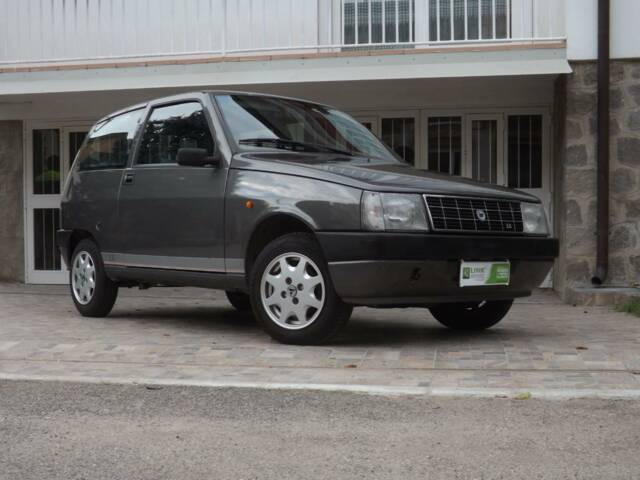
1989 | Autobianchi Y10 GT I.E.
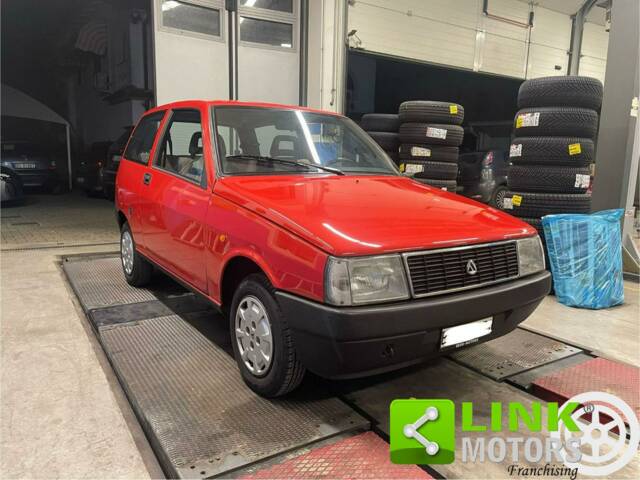
1989 | Autobianchi Y10 Fire
AUTOBIANCHI Y10 Fire 1.0
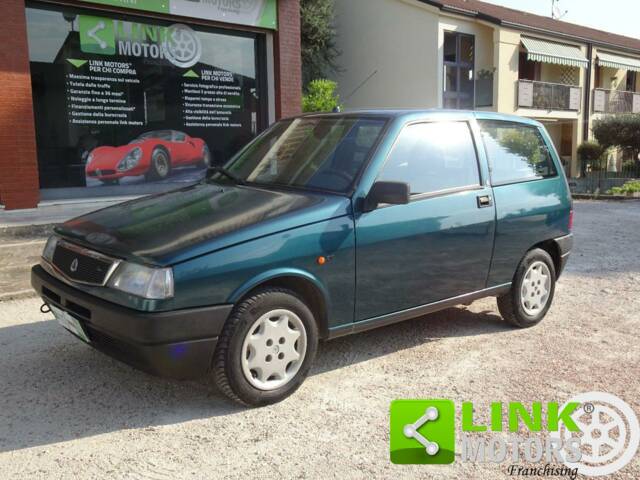
1995 | Autobianchi Y10
AUTOBIANCHI Y10 ASI
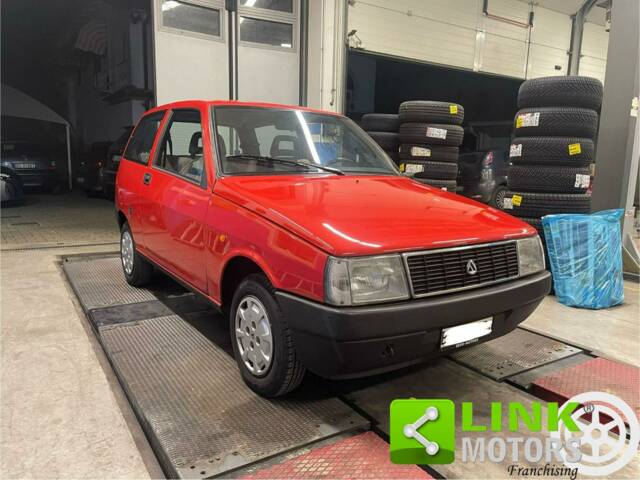
1989 | Autobianchi Y10 4WD
AUTOBIANCHI Y10 Fire 1.0
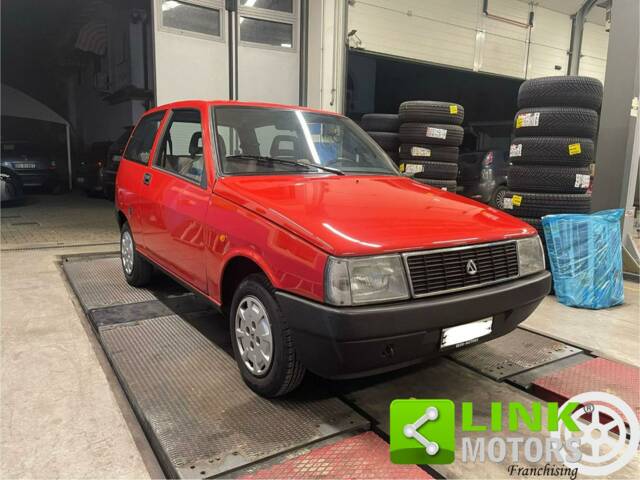
1989 | Autobianchi Y10 Fire
AUTOBIANCHI Y10 Fire 1.0
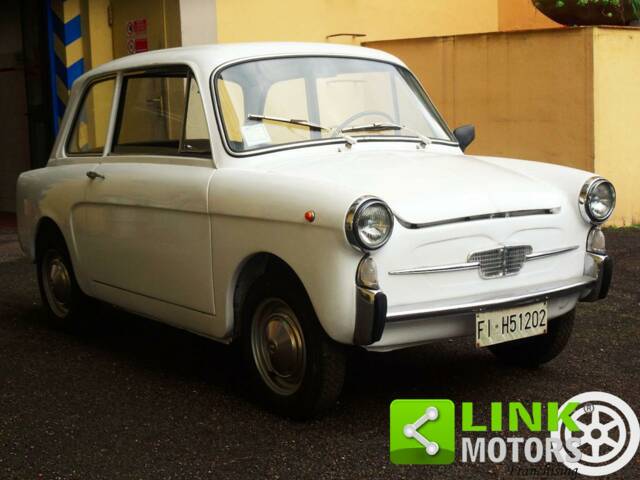
1988 | Autobianchi Y10 4WD
AUTOBIANCHI Bianchina BERLINA
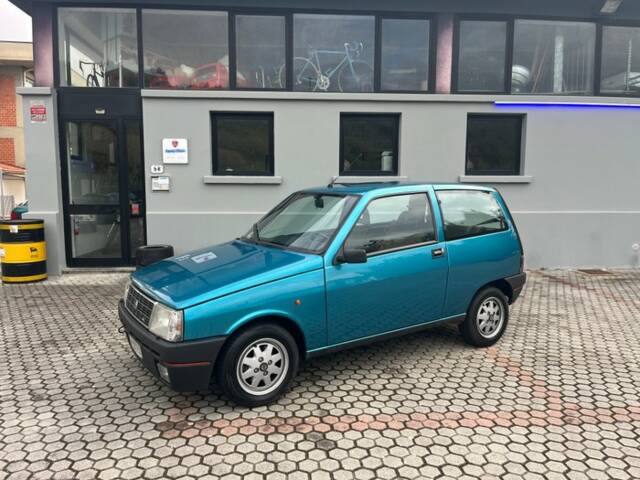
1986 | Autobianchi Y10 Turbo
Autobianchi - Y10 Turbo - 1986

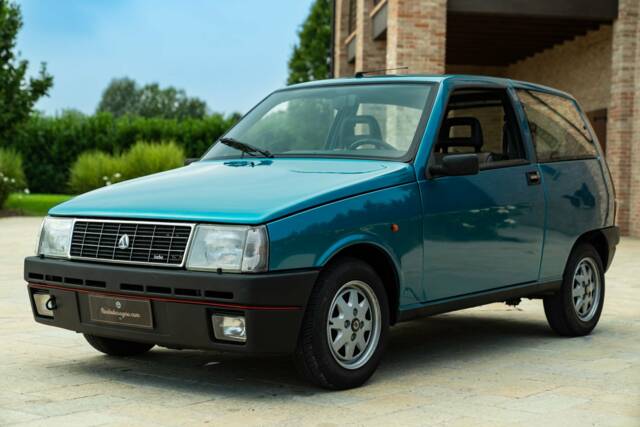
1986 | Autobianchi Y10 Turbo
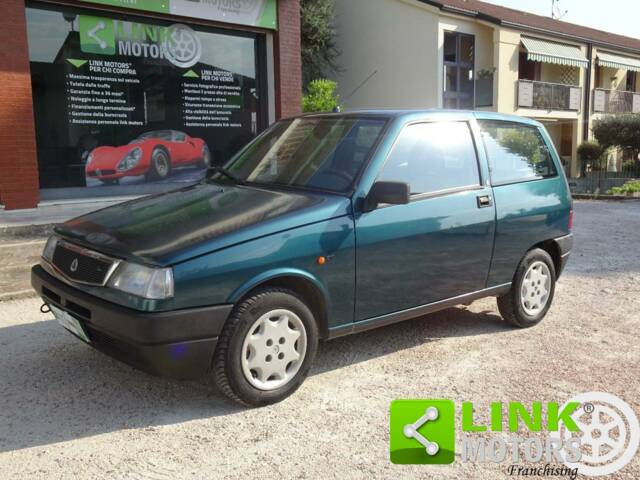
1995 | Autobianchi Y10
AUTOBIANCHI Y10 ASI
Autobianchi Y10 Classic Cars: Prices & Market Values
Introduction and History of the Autobianchi Y10
Launched in 1985, the Autobianchi Y10 emerged as a modern supermini with an emphasis on comfort and innovation, produced at Fiat’s Desio plant and later in Arese. It served as a premium offering in its segment, often marketed under the Lancia name in export markets. The Y10 incorporated a novel rear rigid axle suspension and achieved a drag coefficient of just 0.31, impressive for its size. Production continued until 1995, with the car gaining a reputation for combining compact urban usability with features uncommon in its class.
Model History
The Y10 was Autobianchi’s answer to growing demand for superminis in the 1980s. It replaced the aging Autobianchi A112 and was designed to appeal to buyers seeking luxury and practicality in a small package. Throughout its production, the Y10 underwent two main series. The first series (I. Serie) debuted in 1985, followed by the second series (II. Serie), which brought refinements to both mechanical systems and interior equipment. The Y10’s production ended in 1995, with no direct successor under the Autobianchi name, as the brand itself gradually disappeared from the market.
Highlights of the Autobianchi Y10
The Autobianchi Y10 broke new ground for its class, offering electric windows, central locking, various roof types including sliding and coated designs, and a notably refined interior for its size. The rear suspension design helped improve both comfort and handling. Its efficient engines, low fuel consumption, and suitability as a classic driver with low running costs distinguish it from other city cars of the era.
Technical Data
Special Editions and Collectible Models
Among the Y10’s distinctive versions, the 4WD model stands out for its unique drivetrain and offbeat appeal. Special roof options, such as the sliding roof and coated roof, add to the variety. Limited editions with unique trim and equipment were periodically released, making certain production runs particularly interesting for collectors.
Weak Spots and Common Issues
While no severe recurring mechanical faults are noted, purchasers should check the usual supermini wear areas such as clutch, timing belt, and ignition system—these are simple and affordable to replace. Bodywork may show wear with age, particularly around the roof options. The ease of servicing and good parts supply contribute to low maintenance costs.
Engine and Performance, Transmission and Handling
The Y10 is engineered primarily for urban mobility and short journeys. Engine sizes typically range from sub-1-litre to 1.1-litre units, with manual gearboxes and a responsive driving character. The rear rigid axle suspension set the Y10 apart from contemporaries, offering stability and ride comfort. The rare 4WD version adds further interest for enthusiasts.
Popular models:
- Y10 1100 i.e. Cat Fire (1994): 1.1-litre engine, Euro 1, low running costs, especially fuel efficient at around 5l/100km.
- Y10 4WD: All-wheel-drive for improved traction and handling in poor conditions or on rural roads.
- Basic Y10 City versions: Reliable, easy to service, and ideally suited for urban environments. undefined
Interior, Comfort, Exterior and Design
Distinctive for its era, the Y10’s compact exterior was paired with a surprisingly refined interior. Special features included patterned upholstery, unique dashboard design, and class-leading comfort levels for small car standards of the 1980s and 1990s. The car was available with standout features such as sliding roofs or rubber-coated tops, contributing both to practicality and character. Electrically operated windows and available central locking underscored a premium approach for the size class.
Other relevant features
As a classic, the Y10 benefits from historic registration options, potentially reducing running costs and taxes. Its small footprint makes it practical for modern city environments, and the accessible spare parts market ensures continued usability even for daily classic car drivers.
Summary
The Autobianchi Y10 unites urban practicality, unusual technical features, and unexpectedly premium equipment for a supermini, making it a distinguished choice among city classics. Today, both series attract significant attention, with the first series in particular standing out for its popularity and market demand.