- Car
- Autobianchi
- Autobianchi Primula (1 offer)
Autobianchi Primula classic cars for sale
The Autobianchi Primula, produced between 1964 and 1970, stands as a real turning point in small car engineering with its transverse front-wheel drive layout and advanced technical features. Its influence on later European compact cars is unmistakable. Models are rare on today’s market but possess unique technical and historical interest.
Search results
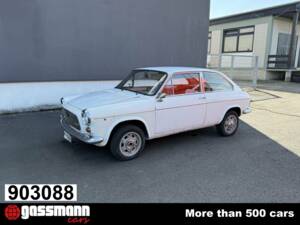
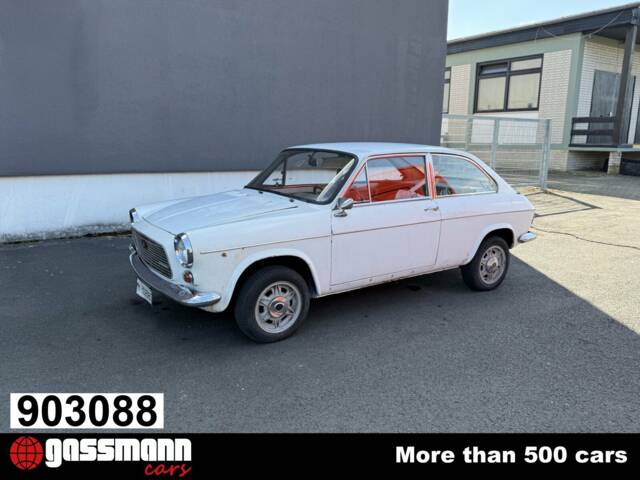
1968 | Autobianchi Primula Coupe
Primula Coupe S - Restaurierungsobjekt

Autobianchi Primula listing references from Classic Trader
Below you will find listings related to your search that are no longer available on Classic Trader. Use this information to gain insight into availability, value trends, and current pricing for a "Autobianchi Primula" to make a more informed purchasing decision.
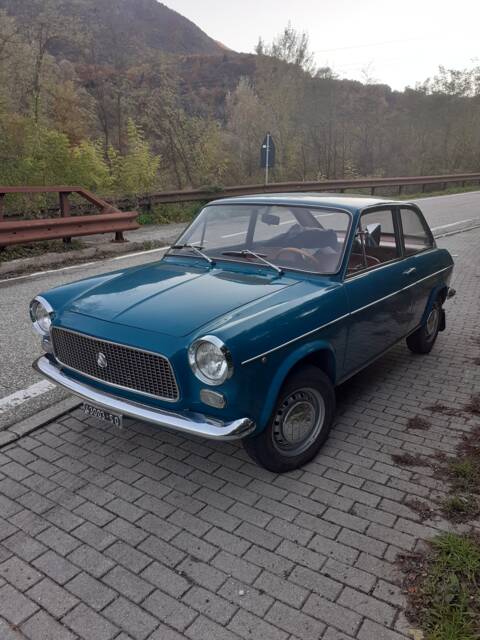
1968 | Autobianchi Primula Coupe
PRIMULA COUPE'S 1438 cc. 75 cv

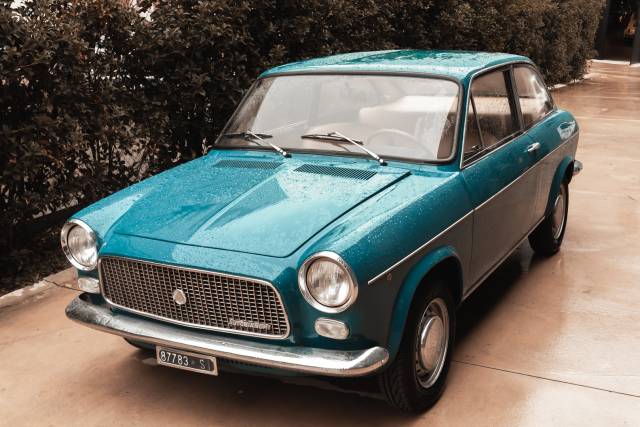
1968 | Autobianchi Primula Coupe
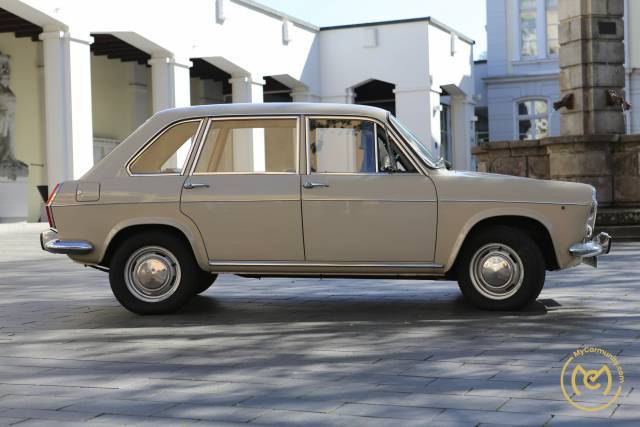
1969 | Autobianchi Primula
Primula 65C, Last series, Original condition, H-approval
1969 | Autobianchi Primula Coupe
Lancia Primula 65 C 1969 als ein neues Auto

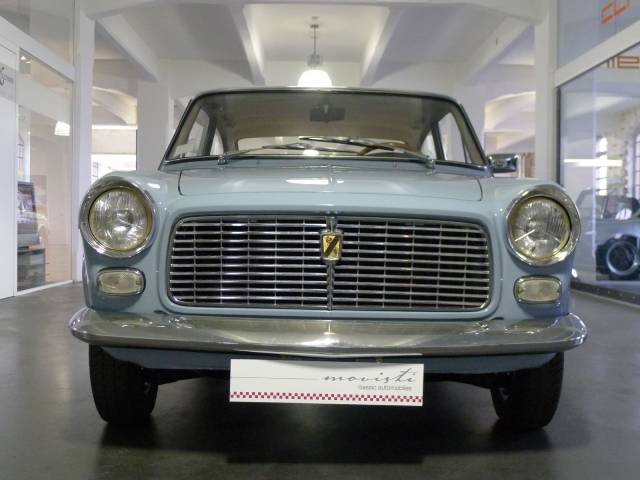
1966 | Autobianchi Primula Coupe
Autobianchi Primula Coupé
Autobianchi Primula Classic Cars: Prices & Market Values
History of the Autobianchi Primula
Introduced at the 1964 Turin Motor Show, the Autobianchi Primula marked a milestone for Fiat’s experimentation with innovative drivetrain concepts. Designed by Dante Giacosa, Fiat’s renowned engineer, the Primula featured an entirely new approach for the era: a front-mounted, transverse four-cylinder engine mated to a manual four-speed steering column shift, driving the front wheels. Rack-and-pinion steering, disc brakes on all wheels, and a practical hatchback body further separated it from the competition.
This technical leap wasn’t just for show: the Primula served as Fiat’s testbed for new technologies that would ultimately filter down to mainstream models, notably the Fiat 128 and 124. With just under 75,000 units built at the Autobianchi factory in Desio, its production lasted until 1970, cementing its status as a cornerstone in compact car development.
Model History
The Primula debuted in various body styles, including two- and four-door hatchbacks, saloons, and a coupé. Early variants employed the trusty 1.2-litre four-cylinder engine sourced from the Fiat 1100 D. By 1968, with the facelifted Primula 65C (MK2), the car received the more modern 1.2-litre engine from the Fiat 124 and additional enhancements, such as improved brakes and suspension.
The coupé models were given a more powerful 1.4-litre engine, offering a sportier driving experience. While there was no direct successor, the mechanical concepts tested in the Primula went on to underpin later Fiat models like the 128 and even extended to the Autobianchi A111.
Highlights and Unique Features
The Autobianchi Primula distinguishes itself with technical innovations that reshaped the small car segment. Its transverse front-engine, front-wheel-drive configuration offered compact dimensions and optimal interior space—characteristics made possible by Giacosa's lateral gearbox placement. The car was also fitted with four-wheel disc brakes, an unusual feature for small vehicles of the era, and an advanced independent front suspension.
A further highlight was its versatility: available in hatchback and coupé forms, the Primula was suitable both as a family car and for more dynamic driving. The importance of its technical layout cannot be overstated; it essentially set the blueprint for later compact FWD cars across Europe.
Technical Data
Special Editions and Collectible Models
The facelifted Primula 65C, produced from 1968 to 1970, is notable as the most technically evolved version of the series, featuring side indicator lights and improvements to the braking and suspension systems. Coupé S models are also sought after due to their more powerful 1.4-litre engine and sportier character. Both variations represent the pinnacle of the Primula’s development and are rarer on today’s market.
Weak Spots and Common Issues
While no specific weak spots were reported in the sources provided, vehicles from this era generally require close inspection for rust in the body and undercarriage. Attention should also be paid to the condition of the brake system, hydraulic components, and original documentation, as originality and completeness greatly affect value. Given the unique drivetrain, specialist knowledge may be needed for transmission and front suspension work.
Engine, Performance, Transmission and Handling
The Primula’s advanced engineering delivered not just packaging benefits but also admirable handling for the period. The front-wheel-drive arrangement and independent front suspension provided stability and agility, while the four-wheel disc brakes allowed for secure stopping power. The 1.2-litre engine delivered 60 PS, well-matched to the car’s low kerb weight (830–885 kg), while coupé models with 1.4-litre engines offered even more responsive performance. The four-speed manual gearbox featured a column-mounted selector, contributing to a surprisingly refined driving experience in this class. 1. Autobianchi Primula 65C (1.2L, improved suspension/brakes) 2. Autobianchi Primula Coupé S (1.4L, 70 PS, sportier setup) Both models highlight technical advances and are especially attractive to enthusiasts due to rarity and performance.
Interior, Comfort, Exterior and Design
Dante Giacosa’s design brought distinctive Italian flair, most notable in the Primula’s fins at the rear and clean, pragmatic hatchback silhouette. Interior trims included striking black faux leather upholstery and available headrest options for the driver. The column-shifted gearbox allowed for a spacious bench-style front seat. Optional documentation and manuals add to the period charm. Special exterior colours and materials were available at launch and facelift, and the variety of body types—including two- and four-door hatches, and coupé—bolstered the car’s versatility and appeal.
Other Relevant Features
The use of an electrically driven radiator fan regulated by thermostat was ahead of its time for a small car and typifies the forward-thinking engineering that characterises the Primula. Its drivetrain and suspension architecture directly influenced the design of the Fiat 128 and other Fiat Group vehicles, making original technical solutions highly relevant for collectors seeking technical milestones.
Summary
The Autobianchi Primula is a pivotal vehicle in the story of European compact cars. Its innovative technical layout, impressive handling for its time, and rarity make it a fascinating acquisition for knowledgeable collectors. All current classic Autobianchi listings focus on this model, reflecting both its historical importance and unique position in the market.