Triumph TR 3 Classic Cars for Sale
Produced between 1955 and 1962 in Coventry, the Triumph TR3 is known among classic car enthusiasts as a raw, performance-oriented British roadster. Its direct steering, 4-cylinder engine, and disc brakes on the front axle turned it into a benchmark for 1950s open sports cars. With a lightweight body and distinctive design cues, it remains a beloved choice for historic motoring events.
Search results
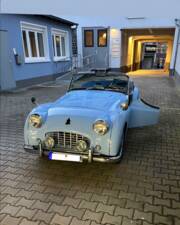
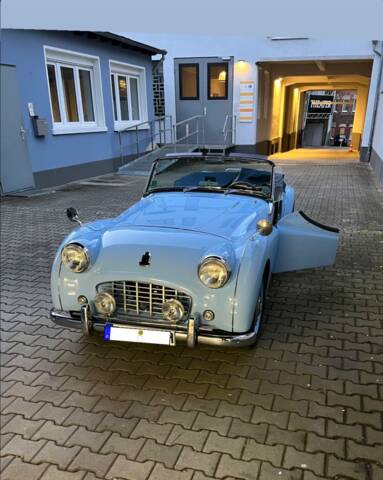
1956 | Triumph TR 3
Mille Miglia eligible

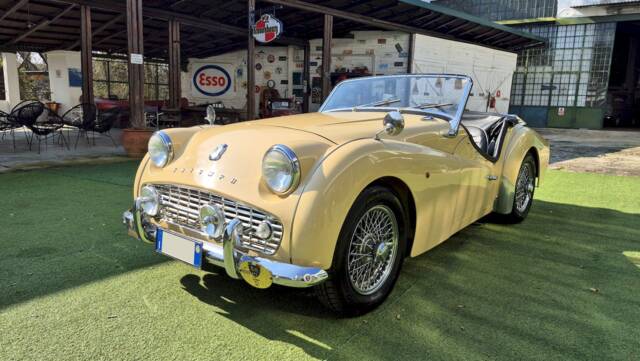
1960 | Triumph TR 3A
Triumph TR3A – 1960

Auctions ending soon

Loading…
Loading…
Loading…
Loading…
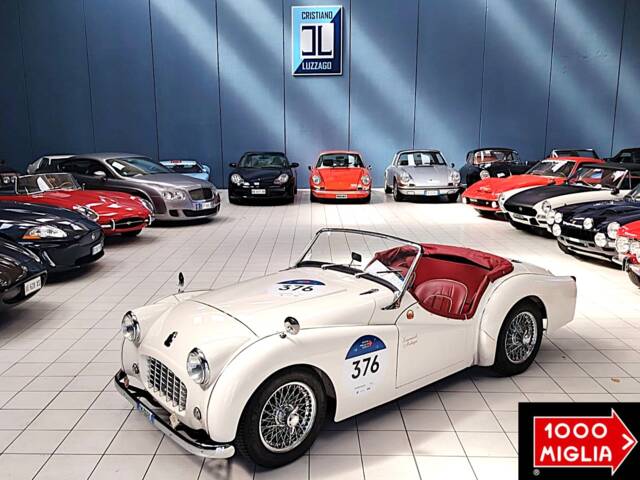
1955 | Triumph TR 3
1955 TRIUMPH TR3 SPORT – 1000 MIGLIA ELIGIBLE
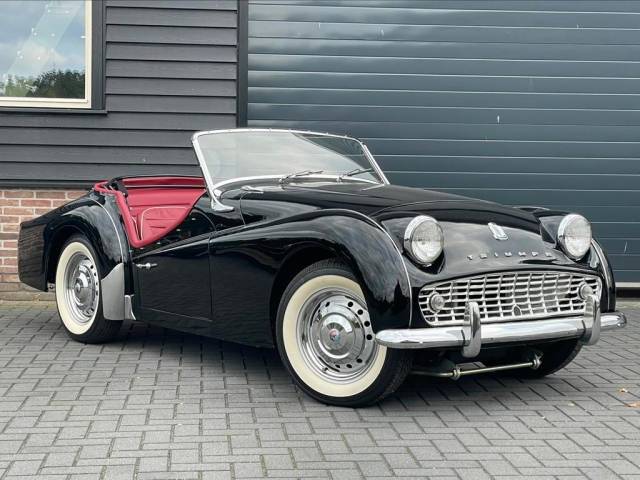
1960 | Triumph TR 3A
Truimph TR3 A completely body-off restored

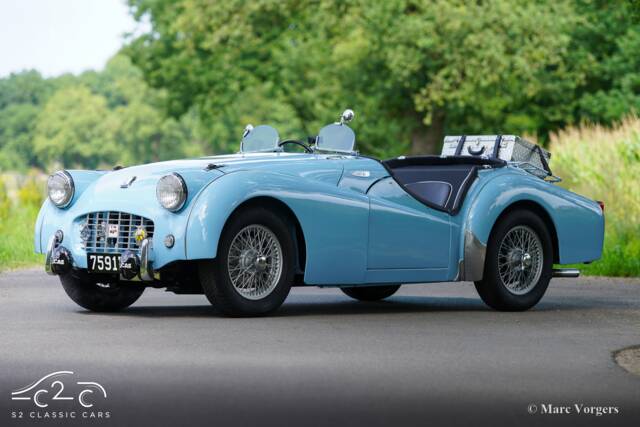
1957 | Triumph TR 3
1000 Miglia eligible, Restauration in 2017-2018, Recent work done
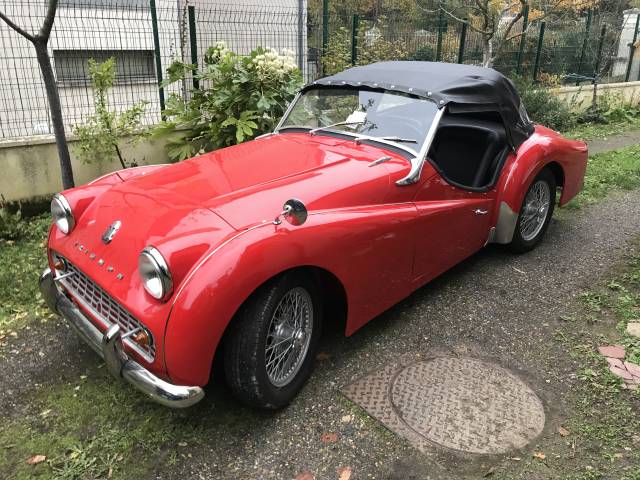

1961 | Triumph TR 3A
Veicolo di interesse storico e collezionistico ASI
1961 | Triumph TR 3A
1961 Triumph TR3A Roadster – An Authentic British Classic
1959 | Triumph TR 3A
Extensively upgraded

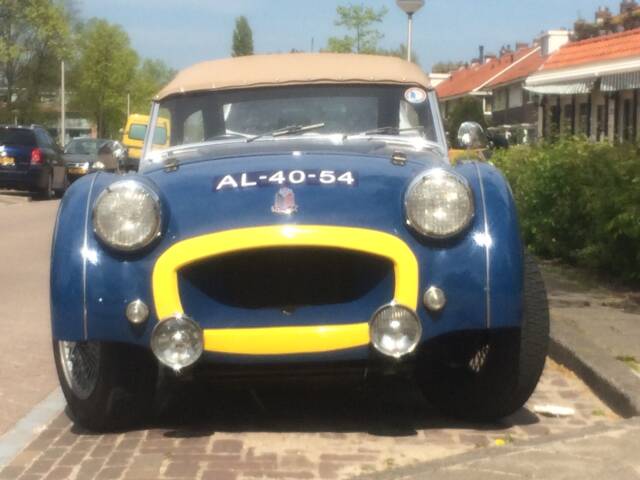
1957 | Triumph TR 3
Drivers TR3 (small mouth) for sale
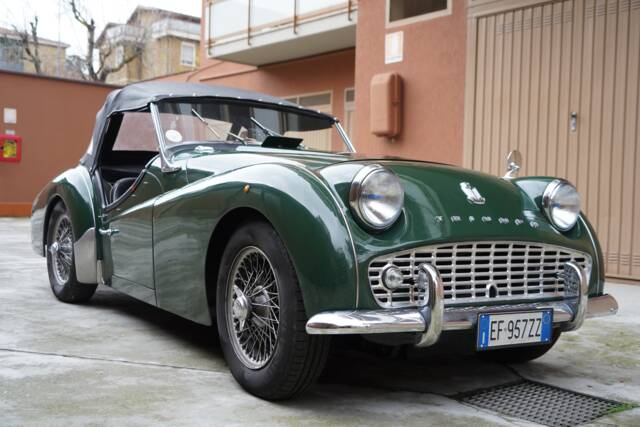
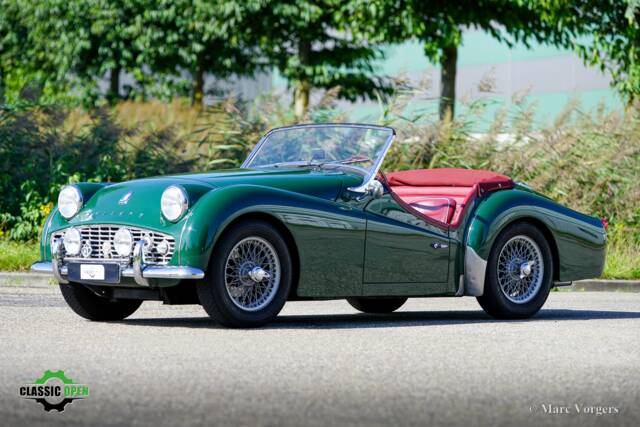
1961 | Triumph TR 3A
Overdrive
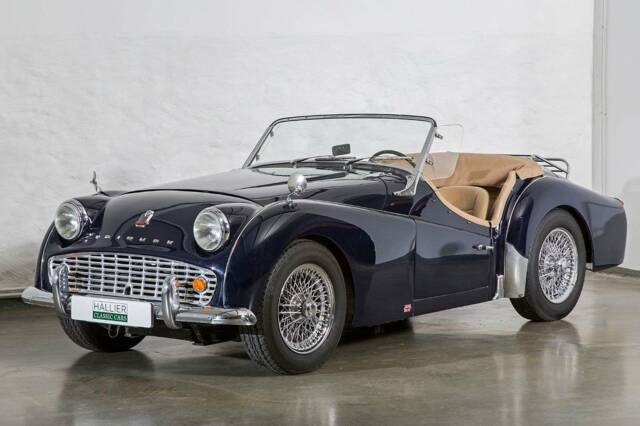
1958 | Triumph TR 3A
Triumph TR3
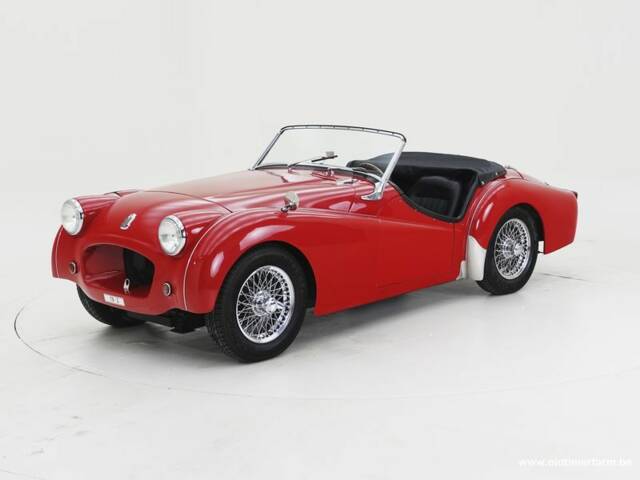
1957 | Triumph TR 3
1957 Triumph TR3 Small Mouth '57

Triumph TR 3 Classic Cars: Prices & Market Values
The market value of Triumph TR 3 classic cars is primarily determined by the specific manufacturer code and variant, as well as technical condition, originality and mileage. Additional factors include rarity, history and documentation. A well-maintained, largely original vehicle with low, verifiable mileage and complete history including appraisals and documentation typically achieves significantly higher prices than a comparable vehicle with deferred maintenance, many modifications or unclear provenance.
Triumph TR 3: Market Prices & Value Trends
Based on sales data from the Classic Trader marketplace, the Triumph TR3 / TR3A / TR3B market in Europe has been broadly stable to gently rising over the period from early 2021 to mid-January 2026, with most recent asking prices clustering in the mid-€30,000s to low-€40,000s. Across the dataset, the realistic market range for well-presented, road-ready cars typically sits at around €28,000–€45,000, while a small number of low-priced project or incomplete cars (often under €15,000) and occasional high-priced outliers (above €60,000) should not be treated as representative. Recent examples include several 1957–1961 TR3A listings around €32,500–€44,750, suggesting steady demand for correctly restored cars with strong provenance. UK ads show similar positioning in £ terms, reflecting local supply and right-hand-drive appeal. For buyers, this points to a firm market where condition, originality and documented restoration work remain the key drivers of value, helping these 1950s–early 1960s Triumphs hold their prices.
History of the Triumph TR3
The Triumph TR3 marked a significant chapter in British sports car engineering when it debuted in September 1955. Building on the foundation of the TR2, it introduced larger SU carburettors, bumping power output by 5 PS. The 1956 update included a revised cylinder head, further boosting performance. Notably, the TR3 was the first series production car equipped with front disc brakes—setting new standards for safety in its era. A total of 13,377 units were built, with the majority sold in the United States, reflecting Triumph’s export success. Initially priced around £650 in the UK, the TR3 set ambitious benchmarks for performance and affordability within its segment, consuming around 10 litres of petrol per 100 kilometres.
Model History
The TR3 family includes three notable versions. The original TR3 ran from 1955 to 1957, followed by the face-lifted TR3A from 1957 onwards—featuring a wider front grille, external door handles, and a lockable glovebox. Though never an official factory designation, 'TR3A' became the term used by enthusiasts, especially as most cars were delivered to the US. Approximately 58,236 TR3A units were produced, and it remains the best-known variant today. The TR3B, an interim update introduced in 1962, was aimed squarely at the American market and featured the fully synchronised gearbox and 2.2-litre engine from the TR4. Around 3,334 TR3Bs were built before TR4 production fully took over. Special-bodied versions, like the Triumph Italia, used TR3A or TR3B chassis clothed in bespoke Italian coachwork, with around 300 units moving to Italy.
Highlights and Notable Features
The Triumph TR3 stands out as the first mass-produced British car fitted with front disc brakes (from September 1956), offering superior braking for its class. Distinctive features include the removable sidescreens, minimalistic interior with Jaeger instrumentation, and a robust, separate chassis. The car’s sporting orientation was underlined by success in motorsport disciplines such as rallies and circuit racing. The TR3 is also Mille Miglia-eligible, which enhances its desirability among event participants.
Technical Data
Special Editions and Collectible Models
The Triumph TR3B, produced from 1962, is notable for its combination of the TR4’s 2138 cc engine and fully synchronised gearbox within the TR3’s classic shape, marking it as unique among the series. Additionally, the Triumph Italia special edition emerged from a collaboration with Italian coachbuilders, resulting in 300 units with distinctive styling and bodywork—highly sought after for their blend of British mechanics and Italian design flair.
Weak Spots and Common Issues
Potential buyers should be aware of traditional issues such as the worm and peg steering box, known for its heaviness and play, and susceptibility to rust in both body and chassis structures. Other notable issues can include inefficient original heaters and capricious electrics. Many TR3s have been upgraded with TR4 rack-and-pinion steering, electronic ignition, or improved cooling systems. Restoration projects should pay special attention to corrosion, especially around the chassis and floor panels. Mechanical simplicity ensures parts are still widely available, and dedicated specialists support ongoing maintenance.
Engine, Transmission and Handling
The TR3 delivers spirited driving dynamics thanks to its light body, direct steering (albeit with room for improvement in standard form), rear-wheel drive, and brisk engine. Overdrive-equipped cars are particularly suited for higher-speed touring, while front disc brakes provide strong stopping power by the standards of the 1950s. The minimalistic cockpit, firm suspension setup, and low weight make it a rewarding car for drivers seeking period-correct open motoring. Enthusiasts often opt for modifications like electronic ignition, sports seats, or upgraded suspension for regular rally or event participation. Popular models include the TR3A for its blend of usability and recognisable visual details such as the broader front grille and external handles, and the rarer TR3B, appreciated for its mechanical advancements.
Design, Interior and Accessories
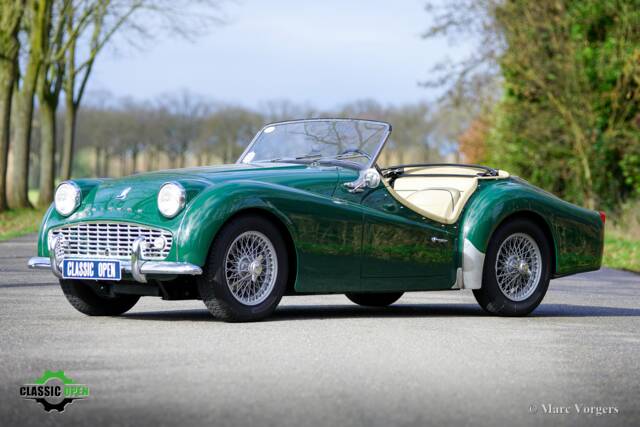
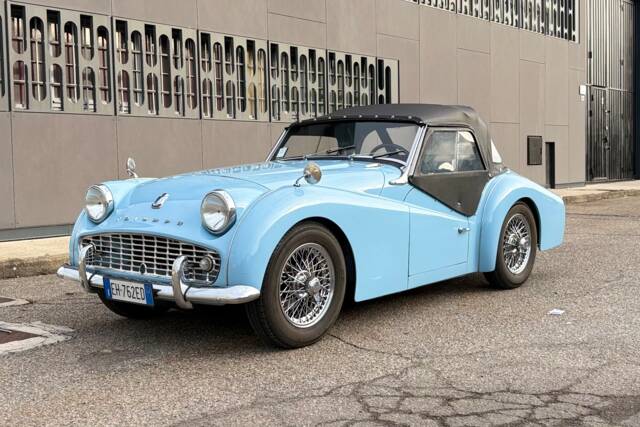
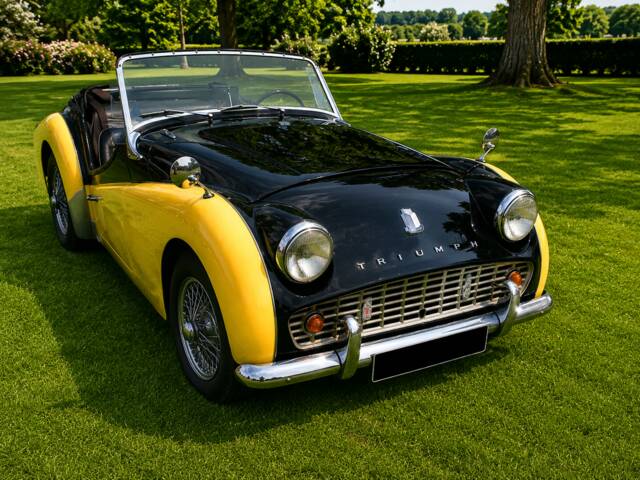
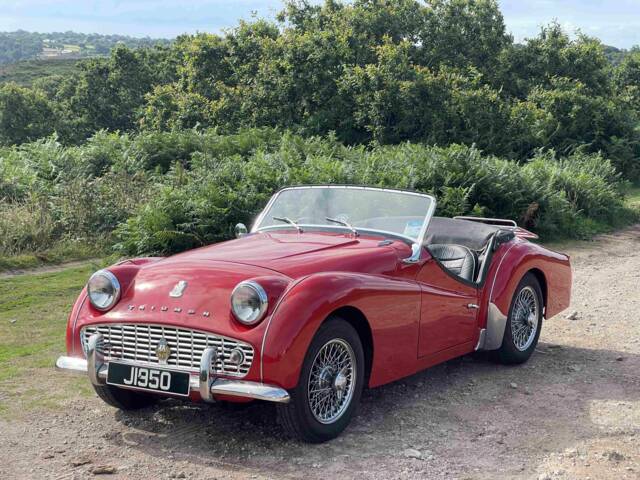
The Triumph TR3’s lines are defined by its wide front grille, cycle-style wings, and stubby tail. The interior is strictly functional: plenty of metal, simple dials, and occasional luxury with Jaeger clocks and leather seats. Sidescreens provide minimal protection, reinforcing its roadster ethos. From the factory, buyers could order wire wheels, a hardtop, or a rear ‘jump’ seat for occasional third passenger use. Factory-fitted and aftermarket accessories are common—period Moto-Lita wooden steering wheels, heated screens, additional cooling, and even bespoke luggage solutions add individual character. Available colour palettes included bold red, British Racing Green, and creamy whites, all paired with contrasting interiors, supporting countless restoration and customisation choices.
Additional Noteworthy Information
The Triumph TR3’s eligibility for renowned events like the Mille Miglia boosts its reputation among motorsport aficionados. Its mechanical layout—separate ladder frame and leaf-sprung rear axle—ensures classic driving appeal but also requires extra care when preserving originality. Ownership is supported by a strong network of clubs and specialists, making it straightforward to enjoy, maintain, or restore a TR3.
Summary
The Triumph TR3 encapsulates the post-war British roadster Formula: simple yet technically ambitious, robust yet lightweight, built for driving enjoyment. With a noteworthy motorsport pedigree, supply of parts, and strong club support, it’s a practical, historic entry-point for enthusiastic drivers and collectors alike.