Renault Clio Classic Car for Sale
The Renault Clio blends compact dimensions with French engineering, offering a diverse range of engines and trim levels since 1990. Its evolution from the practical hatchback to sought-after performance and luxury editions makes it an essential chapter of modern car history.
Search results
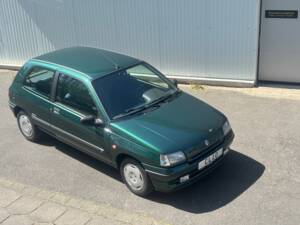
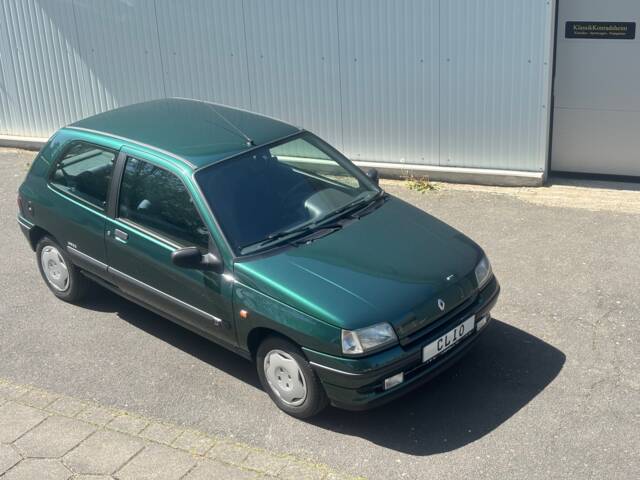
1995 | Renault Clio I 1.2
Clio 1,2 "Neuwagen" 4850km

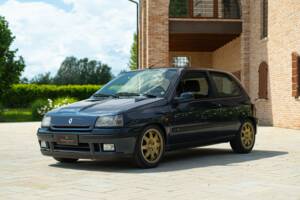
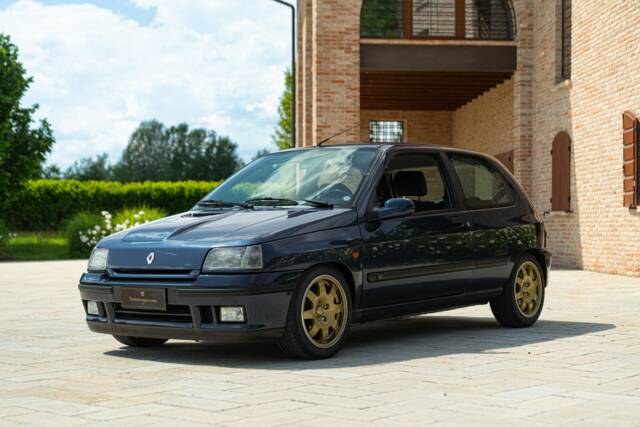
1994 | Renault Clio I Williams
Renault CLIO WILLIAMS 2.0 16V

Auctions ending soon

Loading…
Loading…
Loading…
Loading…
Renault Clio listing references from Classic Trader
Below you will find listings related to your search that are no longer available on Classic Trader. Use this information to gain insight into availability, value trends, and current pricing for a "Renault Clio" to make a more informed purchasing decision.
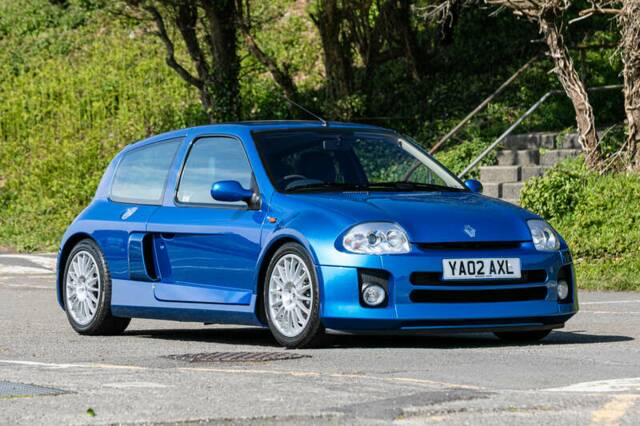
2002 | Renault Clio II V6
2002 RenaultSport Clio V6 Phase I - 2,456 Miles

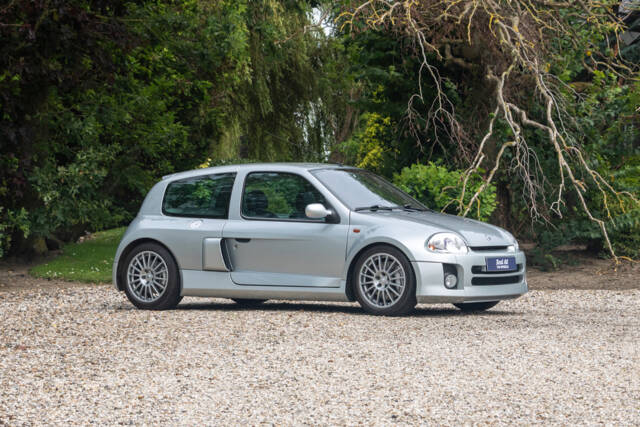
2001 | Renault Clio II V6
One of 1.631 examples produced


2015 | Renault Clio Grandtour 1.5 dCi 90
Renault Clio Estate 1.5 dCi ECO Night&Day
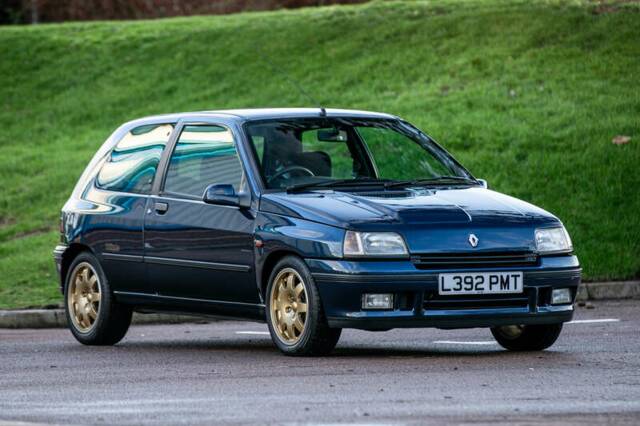
1994 | Renault Clio I Williams
1994 Renault Clio Williams (Phase 1) #372
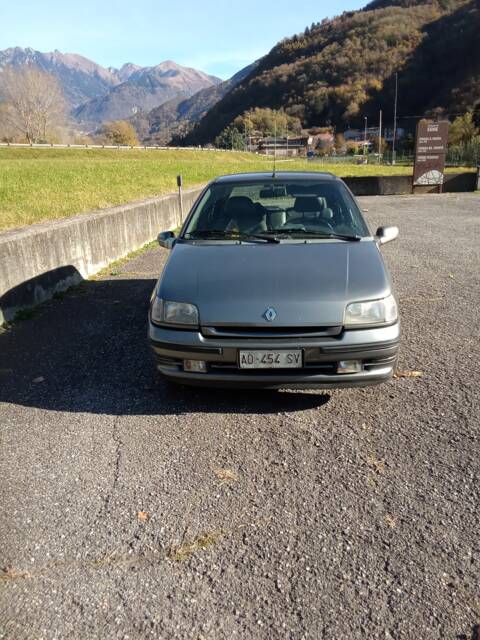
1994 | Renault Clio I 1.8 RSi
Renault Clio baccara 1.8, iscritta ASI, interni in pelle.
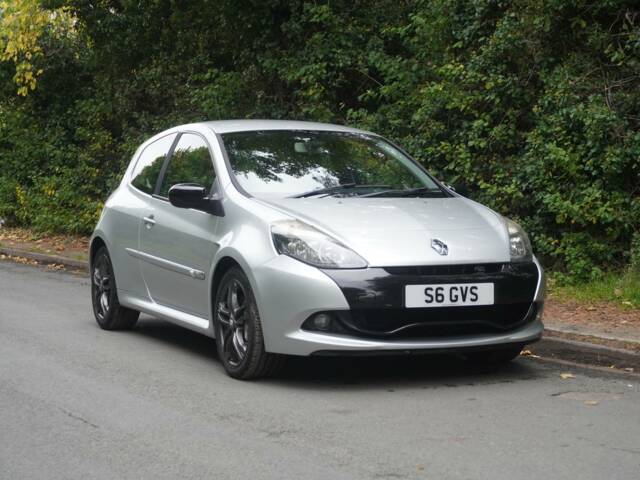
2010 | Renault Clio Gordini R.S.
2010 Renault Clio RS
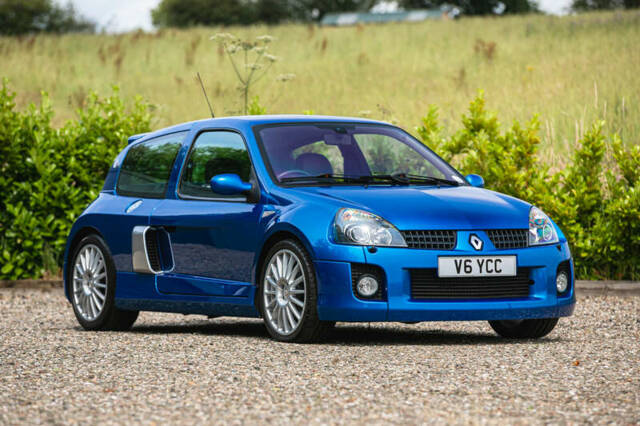
2003 | Renault Clio II V6
2003 RenaultSport Clio V6 255 (Phase 2)
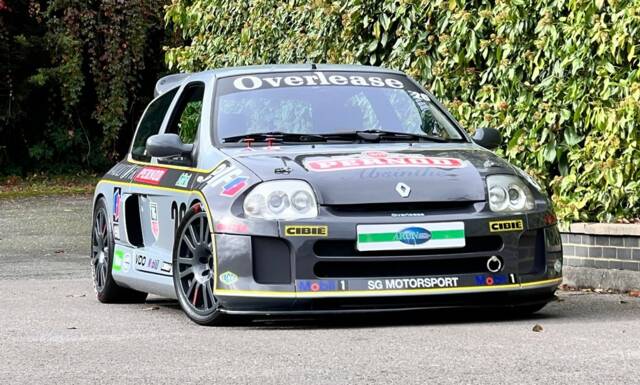
2002 | Renault Clio II V6
2002 Renaultsport Clio V6 (Phase 1)
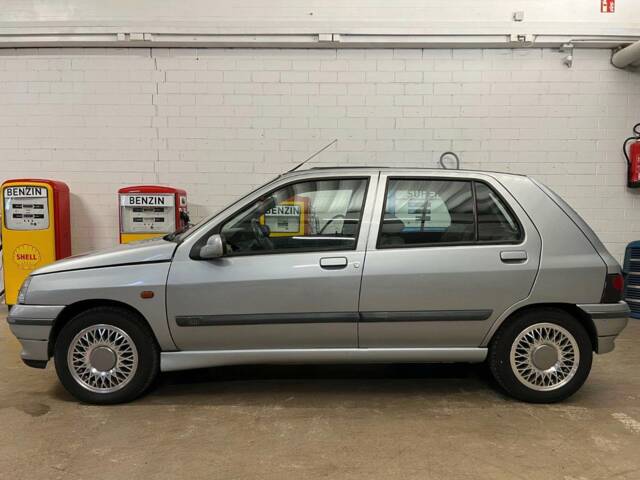
1995 | Renault Clio I 1.8 RSi
Renault Clio 1.8 Baccara
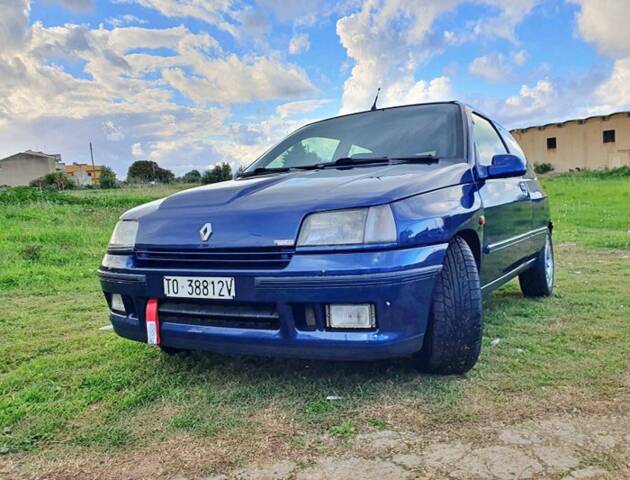
1993 | Renault Clio I 1.8 16V
Renault - Clio 16v - 1993
Renault Clio Classic Cars: Prices & Market Values
The market value of Renault Clio classic cars is primarily determined by the specific manufacturer code and variant, as well as technical condition, originality and mileage. Additional factors include rarity, history and documentation. A well-maintained, largely original vehicle with low, verifiable mileage and complete history including appraisals and documentation typically achieves significantly higher prices than a comparable vehicle with deferred maintenance, many modifications or unclear provenance.
Renault Clio: Market Prices & Value Trends
Based on sales data from the Classic Trader marketplace, Renault Clio classics show a clearly split market across Europe and the UK, with overall values looking stable to slightly rising at the top end. The data covers roughly February 2021 to January 2026 and highlights how strongly model choice drives pricing. At the entry level, ordinary Clio I/II variants and project cars appear from a few hundred euros up to around €6,000–€10,000, while well-presented Clio I 1.8 16V examples commonly sit in the €12,000–€16,500 bracket. The Renault Clio I Williams (1994–1995) has moved into recognised modern-classic territory, typically ranging from about €19,000 to €33,000, with UK asking prices also reaching into the low £30,000s. At the top, the Renault Clio V6 (2001–2005) dominates, with most real-world market activity clustering around €45,000–€85,000, reflecting rarity, collector demand and the model’s halo status. For buyers, this means the best Clio performance derivatives remain sought-after, while mainstream trims stay comparatively affordable.
History of the Renault Clio
The Renault Clio debuted in 1990 as a successor to the Renault 5. It marked a turning point for Renault, both commercially and in building its modern reputation. The Clio drew its name from Greek mythology and offered three- and five-door configurations, appealing to urban drivers and small families alike. Launched at the Paris Motor Show, the first-generation Clio brought forward design and engineering elements from the Renault 5 but redefined the segment. Its successive facelifts emphasized both practicality and comfort, further modernising Renault’s small car approach. In 1991, just a year after its launch, the Clio received the European Car of the Year award, exemplifying its significance in automotive circles across Europe.
Model Series Overview
The Clio spans multiple generations: Clio I (from 1990), Clio II (from 1998), Clio III (from 2005), and Clio IV (from 2012), with each bringing technical progress and new body styles. The first became known for its reliability and accessible maintenance, later variants such as the Clio II and III expanded the range with higher safety standards, new engine options (including efficient diesels), and the introduction of high-performance Renaultsport and luxury Baccara trims. The Clio's predecessors were the Renault 5, while successors remain ongoing with the Clio now in its fifth generation.
Highlights and Market Insights
The Clio range encompasses numerous petrol and diesel engines, featuring five or six-speed manual or automatic transmissions, front-wheel (and uniquely, mid-engined, rear-wheel drive in the V6) layouts. Standard safety kit grew to include airbags, ABS, and ISOFIX over the years. Particularly, the Clio Williams, RS, V6, and Trophy/Baccara editions stand out for performance, exclusivity, or luxury. Notably, special exterior colours, various alloy wheel designs, and practical options like split folding seats enhanced the Clio's appeal.
Technical Data
Special Editions and Collector Versions
Several Clio editions are particularly prized among enthusiasts. The Williams (with 1.8 16V engine and motorsport ties), RS Renaultsport variants (offering tuned chassis and powerful 2.0-litre engines), the extraordinary mid-engined V6 (derived from Renaultsport's racing experience), and premium Baccara models represent some of the most fascinating versions. Limited runs like the Clio Gordini, Trophy, and F1 Team celebrate achievements in motorsport or offer distinctive trims and features.
Weak Spots and Common Issues
No specific weak spots have been provided, but as with all classic superminis, buyers should inspect extensively for body rust, previous accident repairs, and check the functioning of technical features specific to each model generation. Wear to interior trim, suspension, brakes, and electricals (especially in earlier or high-spec versions) is not uncommon. Full-service history, including MOT/TÜV records, is valuable for assessing vehicle condition.
Engine, Performance and Handling
Standard Clio variants use front-wheel-drive with engine outputs from 75 to over 169 kW depending on variant, delivering 0–100 km/h in as little as 6.2 seconds (V6) or up to 16 seconds for basic trims. Peak models like the V6 (mid-engined, rear-wheel drive, 3.0L V6) and Renaultsport Cup, Trophy, and RS editions feature uprated chassis and brakes, making them notable for dynamic driving and track potential. Transmission options vary by year and model, with manual gearboxes predominant. - Clio Williams: 1.8 16V engine, motorsport stage heritage.
- Clio V6: Radical mid-engined layout, 3.0L V6, rear drive.
- Renaultsport 182/200: Compact, high-revving naturally aspirated performance.
- Baccara: Focus on leather and luxury equipment.
Interior, Comfort, Exterior and Design Features
Over its lifetime, the Clio introduced body-coloured bumpers, special wheel and spoiler options, and diverse colour choices (including striking metallics and signature shades). Inside, higher-spec models provide leather/alcantara trim, Recaro sports seats, and colour-contrasting dashboards on sportier versions. Accessories such as automatic climate control, trip computers, and unique sound systems were available, depending on the year and trim. The Clio V6 and Williams featured widened arches, distinctive wheels, and numbered plaques, underlining their exclusivity. Factory options included Recaro sports seats, special steering wheels, aluminium gear levers, and branded carpets.
Other Noteworthy Features
The Clio’s practicality is supported by a variable boot capacity (thanks to folding seats), compact overall length for ease of parking, and wide parts availability across generations. Safety improvements, energy efficiency class, and compliance with European emission norms are documented for major model updates.
Summary
Since 1990, Renault’s Clio has continually adapted to the needs of urban, practical, sporty, and luxury-oriented drivers alike. The diversity of engine options, body styles, and trims means there is a Clio to suit nearly every taste – from daily driver to high-performance enthusiast special. Strong supply and enduring demand, especially for early models and collector editions, ensure the Clio’s role as a touchstone in classic French motoring.