Mini Clubman Classic Cars for Sale
The Mini Clubman stands out among classic British cars, uniting distinctive design and practical features—especially with its extended body and split rear doors. Available as luxury variants, estates and high-performance versions, Clubman appeals to enthusiasts seeking both character and usability in their classic Mini experience.
Suchergebnisse
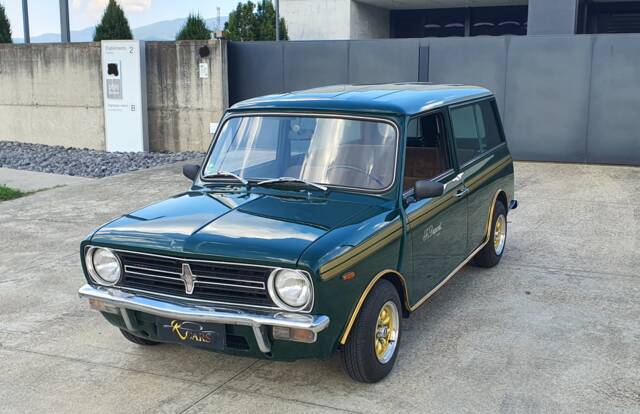
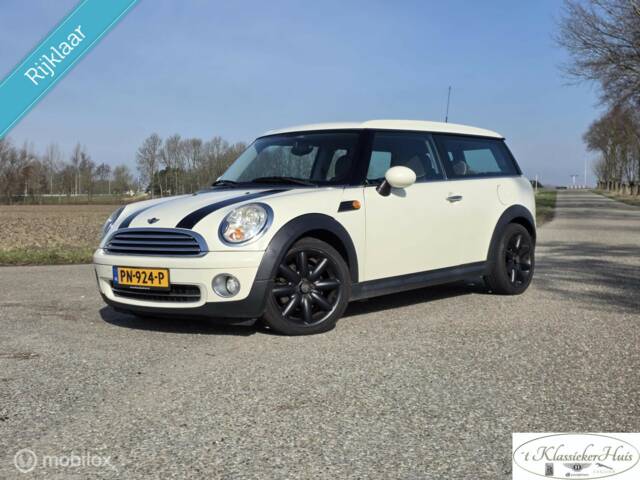
2008 | Mini Cooper Clubman
Mini Clubman 1.6 Cooper Chili automaat ++

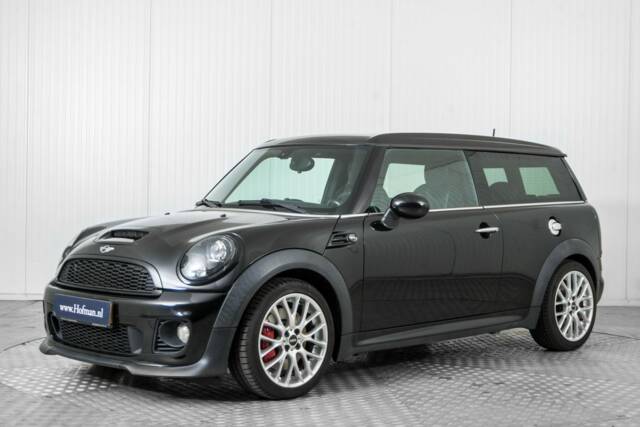
2012 | Mini Cooper S Clubman
MINI Mini Clubman S 1.6 John Cooper Works R55
Mini Clubman listing references from Classic Trader
Below you will find listings related to your search that are no longer available on Classic Trader. Use this information to gain insight into availability, value trends, and current pricing for a "Mini Clubman" to make a more informed purchasing decision.
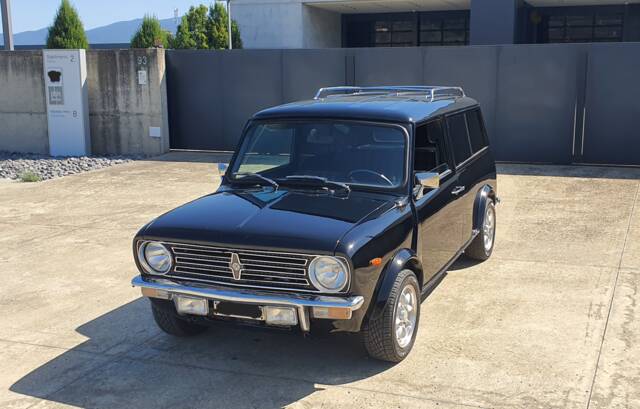
1981 | Mini Clubman
EXCELLENT !!
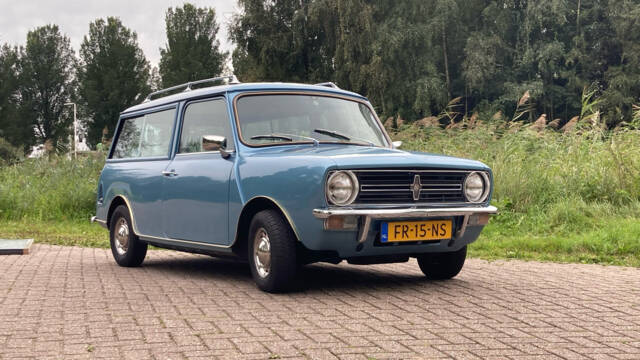
1979 | Mini Clubman
Estate: a rare classic in original condition – ready for summer!
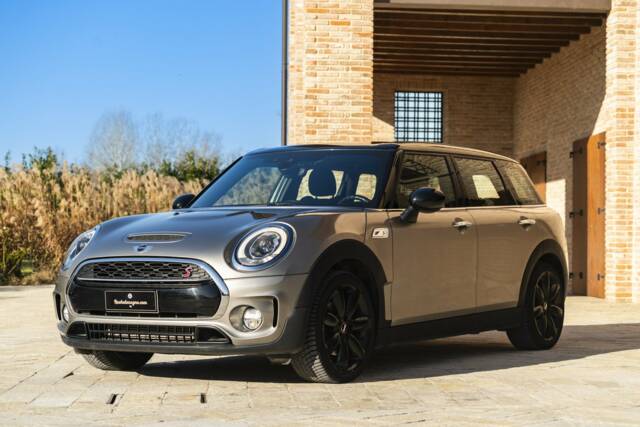
2016 | Mini Cooper S Clubman
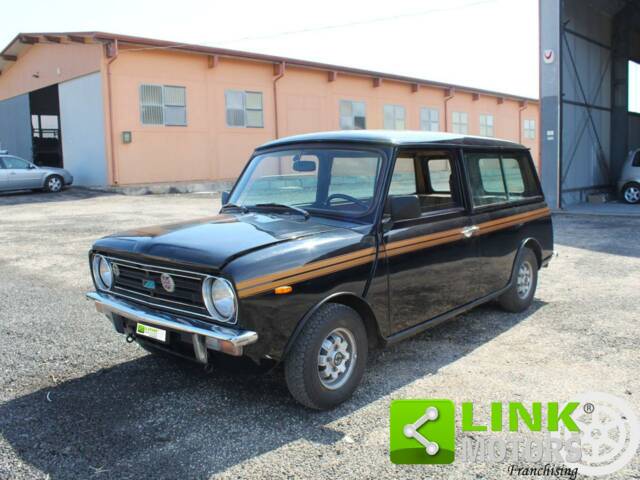
1981 | Mini Clubman
AUSTIN Estate Mini Clubman / Targata RM / Iscritta ASI
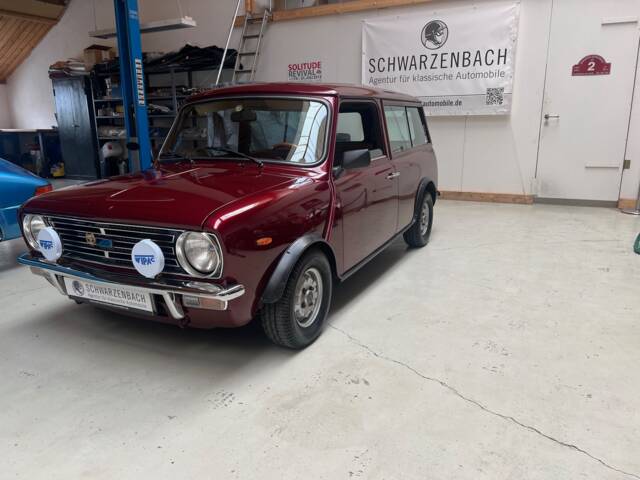
1981 | Mini Clubman
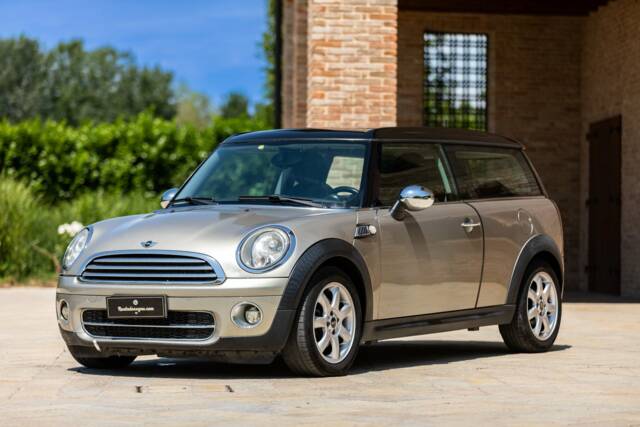
2010 | Mini Cooper D Clubman
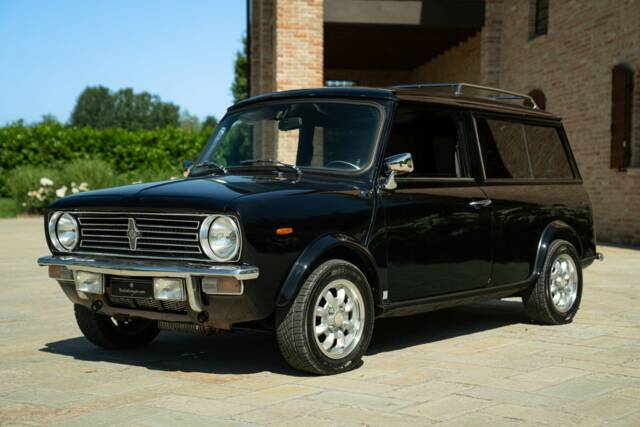
1981 | Mini Clubman

2019 | Mini Cooper S Clubman
Mini Clubman John Cooper Works
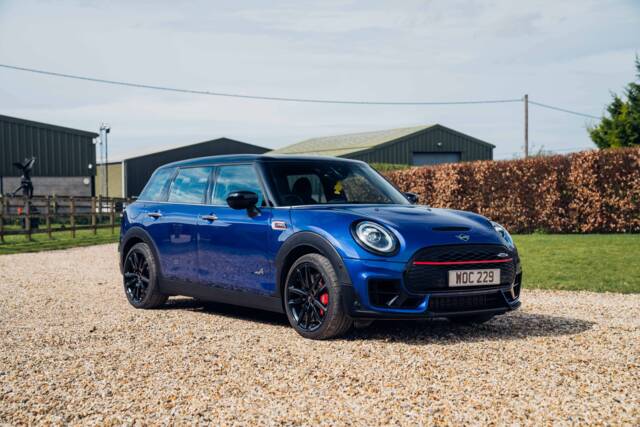
2019 | Mini Cooper S Clubman
Brilliantly Specified – Very Low Mileage
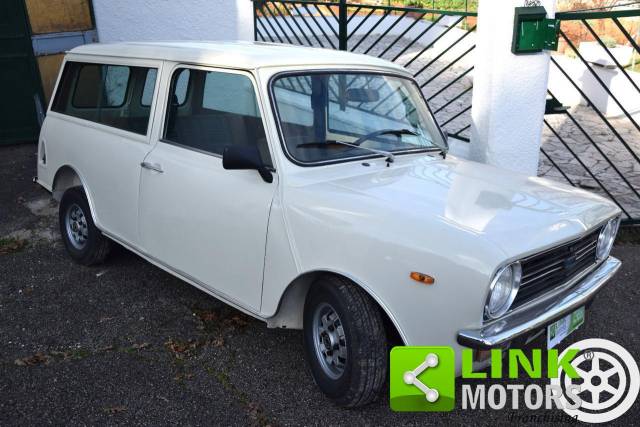
1982 | Mini Clubman
AUSTIN Estate MINI CLUBMAN ESTATE
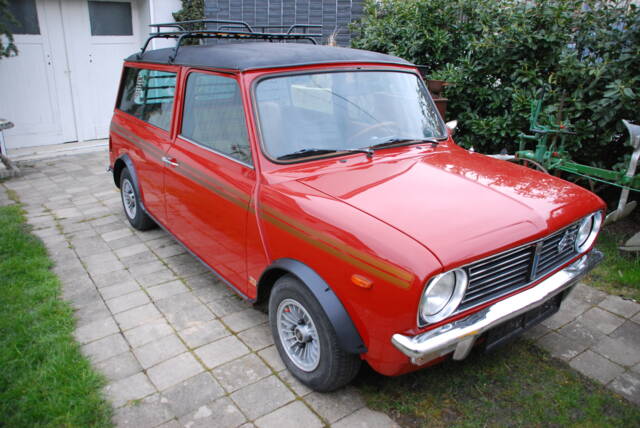
1981 | Mini Clubman
Bepi Koelliker
Mini Clubman Classic Cars: Prices & Market Values
History of the Mini Clubman
The Mini Clubman was introduced in 1969 as part of a significant update to the original Mini range, with design work led by Roy Haynes. Unlike the rounded front of the traditional Mini, the Clubman featured a squared-off nose, creating a new visual identity. This shift occurred as British Leyland sought to expand Mini's appeal beyond its utilitarian roots, targeting customers looking for more refinement. The Estate version followed the tradition of the earlier Traveller models, offering an extended rear section and dual rear doors—features that made it both functional and distinctive in the Mini lineup. The Clubman range remained in production until 1980, with nearly 584,000 units built, leaving a lasting mark as both an everyday car and an enthusiast favourite.
Model Evolution and Variants
After the standard Mini's launch in 1959, the Clubman arrived in 1969 as a luxury and more spacious alternative. The Clubman replaced the Riley Elf and Wolseley Hornet in the model catalogue and soon established its own following. The estate version, Mini Clubman Estate, borrowed styling from the earlier Traveller but modernised it with new trim and materials. Across the years, the Clubman range grew to include the performance-oriented Clubman GT—with a 1275cc engine and a single carburettor—taking over the sporting role formerly held by the Mini Cooper. Production continued until 1980, after which the classic Mini line underwent further updates and eventually gave way to the modern BMW-developed Mini range. The Clubman name returned in 2007 on the R55 generation, this time with four doors (including the distinct rear 'barn doors'), front-wheel drive, and modernised technical features.
Highlights and Notable Features
Distinctive features of the Mini Clubman include its extended body compared to the regular Mini saloon, split 'barn-style' rear doors for the Estate models, and a blend of functional luxury with decorative wood trim. Clubman estates were renowned for offering greater versatility and luggage capacity while retaining Mini's compact charm. Throughout its history, the Clubman became synonymous with practical daily usability and technical simplicity. Its front-wheel-drive layout and transverse engine maximised interior space, a hallmark of all classic Mini designs.
Technical Data
Special Editions and Collectible Models
The Mini Clubman GT stands out as the most renowned special edition, featuring a 1275cc engine and unique performance tuning. Luxury versions of the Clubman Estate included decorative wood panels—originally real, later replaced by vinyl or stickers. Modern R55 John Cooper Works editions push power to 210 hp, combining the historic Clubman silhouette with high performance and bespoke trim. Limited runs of classic Clubmans, along with region-specific variants such as the Morris Mini Clubman in Australia, are particularly valued for their rarity and distinct character.
Weak Spots and Common Issues
No known typical faults or weak spots were reported in the supplied data. Classic Minis in general can be prone to rust, electrical gremlins, and drivetrain wear given their age, but Clubman-specific vulnerabilities are not detailed in the references provided.
Engine, Driving Dynamics, Transmission, Handling
Mini Clubman models from the classic era are defined by their small-displacement, transversely-mounted four-cylinder engines, which prioritise responsive handling over outright speed. Clubmans equipped with the 998cc or 1275cc engine noticeably benefit from greater torque than earlier 848cc versions. The Estate bodies add practicality with only a minor impact on agility. Modern R55s introduce refined ride quality and safety, thanks to improved chassis design and optional six-speed transmissions—either manual or automatic. - Clubman GT: 1275cc, ~58 hp, single carb, sporty chassis—distinctive for its performance pedigree.
- R55 John Cooper Works: Up to 210 hp, aggressive styling, praised for dynamic handling.
- Classic Estate: With wood trim and split rear doors, notable for increased cargo space and practicality.
Interior, Comfort, Exterior and Design
The Clubman's design departs from the regular Mini with a square-cut nose and, for the Estate, unique split rear doors that set it apart visually and functionally. Interiors in early models made use of wooden applications and updated seat upholstery fabrics, ranging from simple vinyl to more luxurious offerings. Exterior features, especially on estates, included decorative wood or wood-look elements, contrasting roof colours, and optional roof bars for luggage. Modern Clubmans incorporate new materials and trims while echoing many classic cues, such as the wraparound dash design and bold colour choices. Notable extras include original alloy wheels, sport steering wheels, comfortable sports seats, and a classic-style roof rack.
Other Features and Trivia
Clubman models were assembled in various countries beyond the UK, including Australia (as the Morris Mini Clubman), Spain, and South Africa. The Clubman forms part of Mini's versatile platform history, which also included saloon, van, pickup and even buggy versions. The wood trim found on classic Estates is purely decorative and not load-bearing. The Mini platform's success in international motorsport, particularly the Cooper's rally wins, helped legitimize even the more comfort-oriented Clubman among enthusiasts.
Summary
The Mini Clubman delivers a unique blend of practicality, distinct design and technical innovation within the Mini lineage. Whether as a classic 1970s estate with dual rear doors or in its high-performance Clubman GT and modern John Cooper Works forms, it offers variety for collectors and enthusiasts alike. Its enduring popularity is reflected in high market supply and even greater demand, especially for well-preserved examples. With thoughtful engineering and versatile body styles, the Clubman remains both a curiosity and a useful classic driver.