Lancia Thema classic cars for sale
The Lancia Thema, produced from 1984 to 1994, is notable for its mix of Italian engineering, understated design, and advanced technology for its era. With configurations ranging from refined saloons to high-performance models featuring a Ferrari V8, the Thema is a unique choice for classic car enthusiasts seeking comfort, innovation and rarity.
Search results
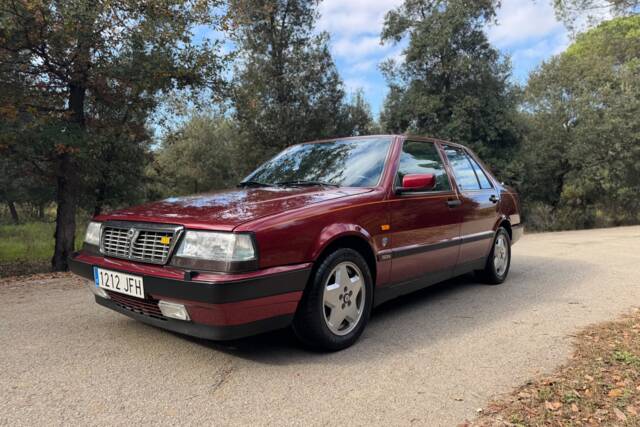
1991 | Lancia Thema 8.32
LANCIA THEMA V8

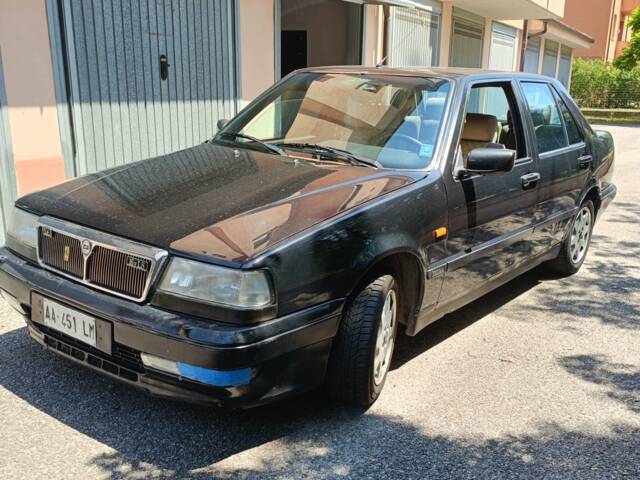
1994 | Lancia Thema I.E. Turbo 16V
Lancia Thema | 1994 | Route 66 Auctions - For sale by auction. Estimate 4500 EUR

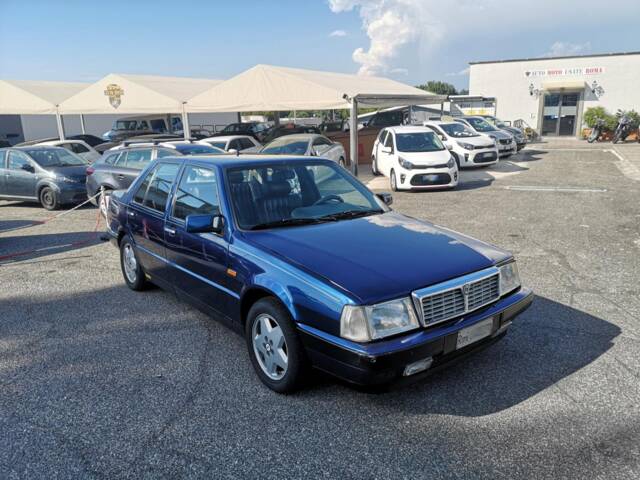

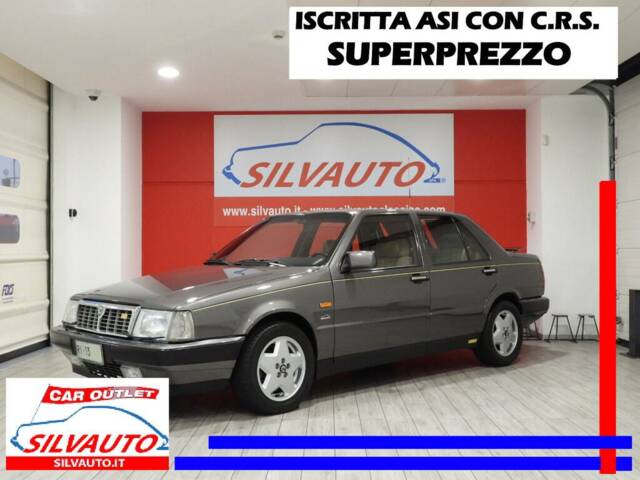
1987 | Lancia Thema 8.32
LANCIA THEMA 8.32 “FERRARI” 215CV I^ SERIE - ISCRITTA ASI CON C.R.S. – RARA – SUPERPREZZO (1987)
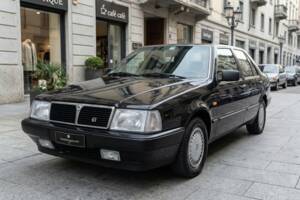
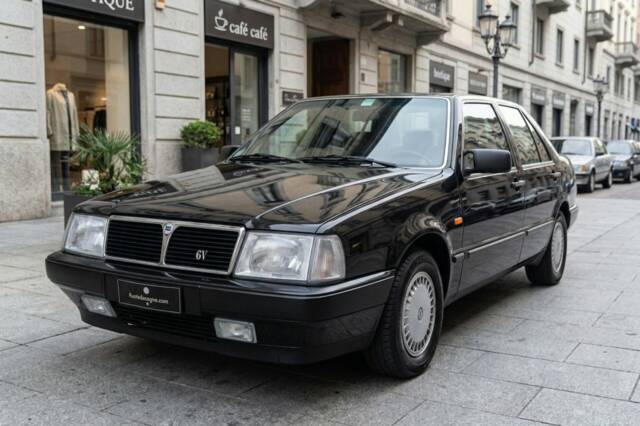
1985 | Lancia Thema 6V
Lancia THEMA 6V
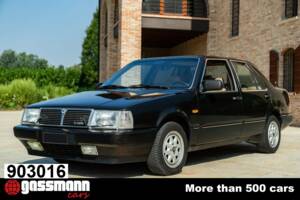
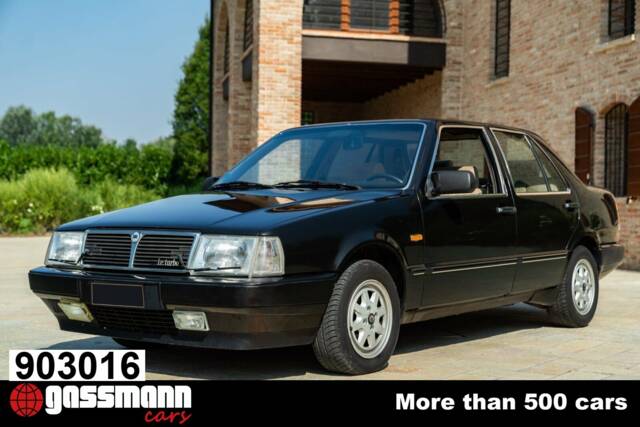
1986 | Lancia Thema I.E. Turbo
Thema i.e. Turbo Limousine - 834

Lancia Thema listing references from Classic Trader
Below you will find listings related to your search that are no longer available on Classic Trader. Use this information to gain insight into availability, value trends, and current pricing for a "Lancia Thema" to make a more informed purchasing decision.
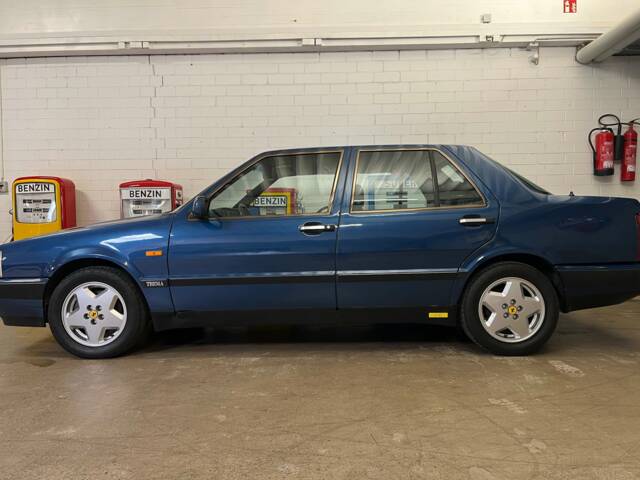
1988 | Lancia Thema 8.32
Lancia Thema
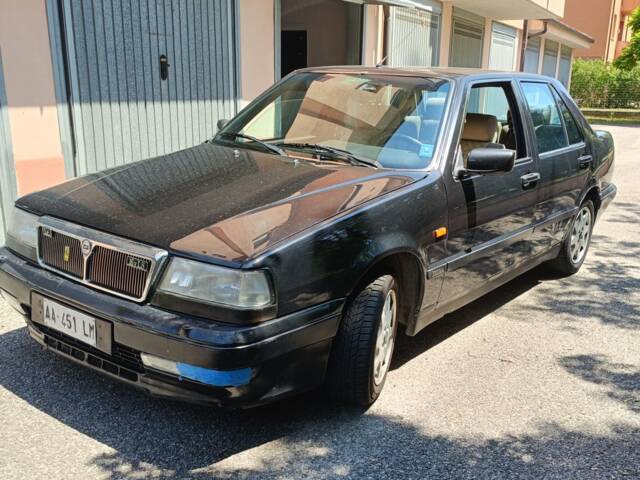
1994 | Lancia Thema I.E. Turbo 16V
Lancia Thema | 1994 | Route 66 Auctions - For sale by auction. Estimate 4500 EUR
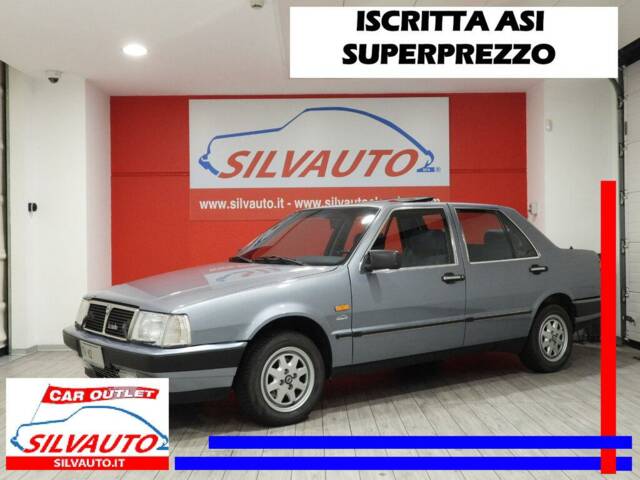
1989 | Lancia Thema I.E. Turbo 16V
LANCIA THEMA i.e. TURBO TIPO 834C (1989) ISCRITTA ASI – CONSERVATO
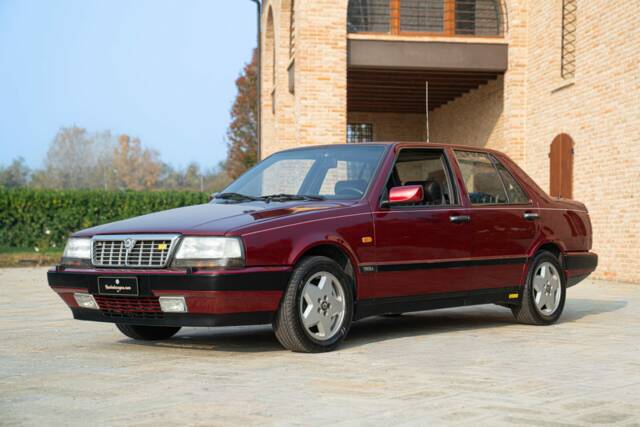
1989 | Lancia Thema 8.32
Lancia THEMA 8.32
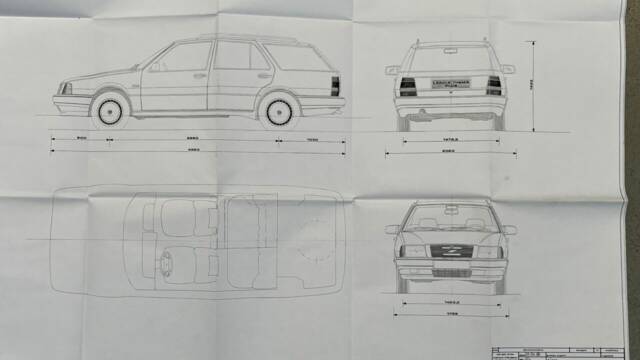
1985 | Lancia Thema Station Wagon Turbo DS
Thema Plus Zagato, 1 von 2, Prototyp
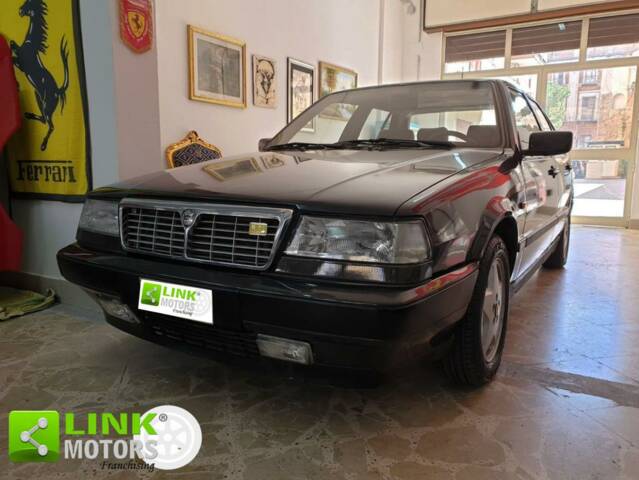
1989 | Lancia Thema 8.32
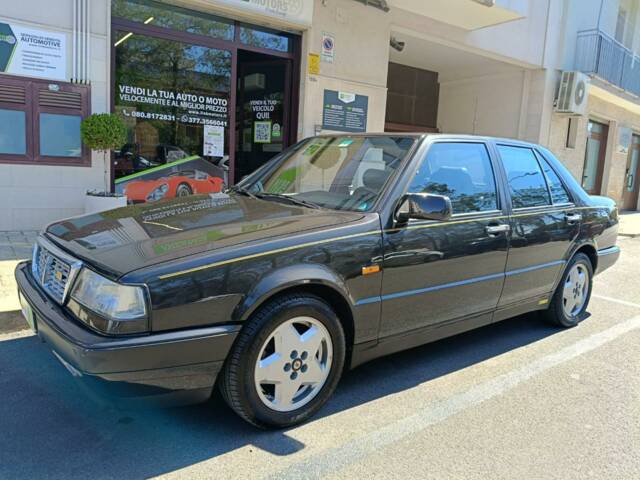
1988 | Lancia Thema 8.32
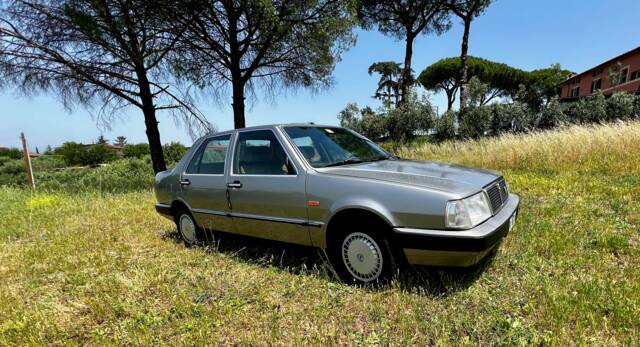
1986 | Lancia Thema I.E.
Gehörte einem Arzt und Freund des Sängers Lucio Dalla
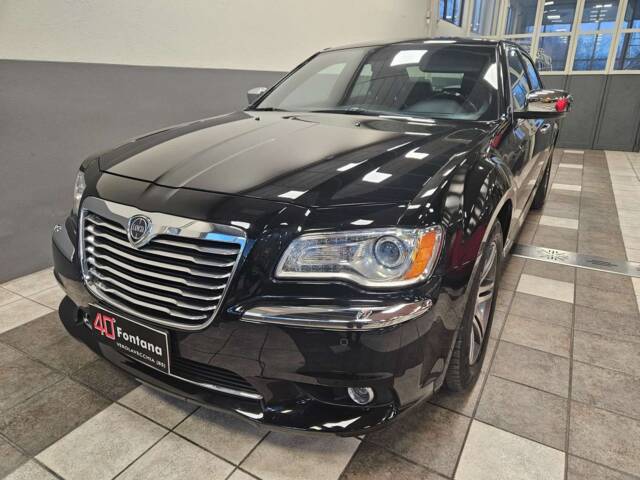
2013 | Lancia Thema 3.0 V6 MultiJet
Lancia Thema Classic Cars: Prices & Market Values
The market value of Lancia Thema classic cars is primarily determined by the specific manufacturer code and variant, as well as technical condition, originality and mileage. Additional factors include rarity, history and documentation. A well-maintained, largely original vehicle with low, verifiable mileage and complete history including appraisals and documentation typically achieves significantly higher prices than a comparable vehicle with deferred maintenance, many modifications or unclear provenance.
Lancia Thema: Market Prices & Value Trends
Based on sales data from the Classic Trader marketplace, the Lancia Thema market in Europe has been broadly stable to slightly firmer over the period from January 2021 to December 2025, with the biggest price separation driven by model and rarity rather than short-term swings. The headline car is the Thema 8.32 (typically 1987–1991), which repeatedly appears in the mid-to-high €20,000s, suggesting a realistic current market range of roughly €20,000–€30,000 for presentable examples, with better cars occasionally pushing beyond that. More mainstream Thema I.E., 16V and Turbo variants tend to sit much lower, commonly around €3,500–€10,000, while well-specified Turbos and estates can move into the teens. A handful of very low figures (such as a €1,200 entry) look like condition-related outliers and should not be treated as representative. Overall, buyers are paying for the 8.32’s Ferrari V8 connection, low supply and growing collector interest, while the broader Thema range remains a value-led, condition-sensitive segment.
History of the Lancia Thema
Introduced at the Turin Motor Show in 1984, the Lancia Thema marked Lancia's ambitious return to the executive segment. Developed on the Type Four platform with partners Alfa Romeo, Fiat, and Saab, the Thema succeeded the Beta and Gamma, offering both practicality and style. Italian designer Giorgio Giugiaro shaped its form, bringing a restrained but modern aesthetic. Initial versions were powered by a 2.0-litre twin-cam engine; later updates included turbocharged and V6 options to boost appeal across European markets. Lancia collaborated closely with Pininfarina for the estate (Station Wagon) variant. Facelifts in 1988 and subsequent years brought improvements, such as variable induction systems for better torque and revised interior and exterior features, ensuring the Thema remained competitive until production ended in 1994. After its discontinuation, the Thema was replaced by the Lancia Kappa.
Model range and evolution
The Thema’s lifecycle spans three generations:
- First generation (1984–1988): Initially offered as a four-door saloon with 2.0-litre engines, manual or automatic transmissions, and a growing list of comfort features.
- Facelift and expansion (1988–1992): A facelift brought updated styling, interior improvements, new 2.0-litre and V6 engines, and the debut of turbo and Station Wagon variants. Notably, the Thema Turbo and Thema 8.32 received critical and enthusiast attention for their distinctive performance.
- Final update (1992–1994): Technical upgrades included the addition of variable induction for smoother torque delivery and enhanced equipment. The exclusive 8.32 remained the range highlight. Production concluded in 1994, with the Kappa succeeding the Thema in the executive class.
Special features and market highlights
The Lancia Thema stands out for its advanced equipment levels, including Poltrona Frau leather interiors, electrically adjustable accessories, digital instrumentation in early models, and sophisticated suspension for its time. The Thema 8.32, fitted with a Ferrari-derived 3.0-litre V8, set the benchmark for luxury and performance in a subtle package. The estate version, styled by Pininfarina, combined Italian design with everyday practicality. Notably, tooling and build quality were considered strong for the era, while in 8.32 models, rare features included a retractable rear spoiler and unique wheels.
Technical data
Special editions and collectible models
The Thema 8.32 is the acknowledged flagship, equipped with a cross-plane Ferrari V8, producing up to 215 PS and achieving 0–100 km/h in under 7 seconds. A further collector’s highlight, the limited German-edition 8.32 (32 units, all in non-metallic Ferrari Red), features unique numbering inside the ashtray. Various trims (LS, LX, Executive) and limited interior packages added further exclusivity to certain chassis, with the Poltrona Frau leather interior available in multiple shades for discerning buyers.
Weak spots and common issues
Potential owners should inspect for rust, especially on body panels, as corrosion protection can fail with time. Electrical systems are complicated, leading to age-related issues and malfunctions, particularly in earlier series or highly equipped models. Sourcing some parts, particularly for special editions and luxury features, can be challenging. High-powered versions such as the 8.32 incur significantly higher maintenance costs due to engine complexity and Ferrari-sourced consumables. Later Thema models (2011–2014) inherit American-style soft suspension and higher running costs due to greater vehicle mass, and can lack brand-typical identity.
Engine, transmission and handling
The Thema covers a broad performance spectrum. Base 2.0 models balance refinement and efficiency, while turbo variants provide strong acceleration and motorway pace. The Thema 8.32 delivers genuine sports saloon credentials with a powerful V8, unique exhaust note, and brisk acceleration. Suspension tuning emphasizes comfort, though the chassis remains responsive. Most cars use a five-speed manual or optional automatic, with later models benefiting from improved traction and ABS. - Thema 2.0 Turbo: 2.0-litre turbo four-cylinder, up to 181 PS, recognised for lively performance and reliability.
- Thema 8.32: 3.0-litre Ferrari-derived V8, 215 PS, 0–100 km/h in 6.8–7 seconds, 235 km/h top speed.
- Thema Station Wagon: Pininfarina-styled estate, combines space with Italian engineering.
Interior and exterior design, comfort, and equipment
Styled by Giugiaro, the Thema captures the reserved, angular look of the era, prioritizing space and comfort. Interiors are a highlight, featuring Poltrona Frau leather or Alcantara, wood trim, digital or analog instrument clusters, and refined acoustic insulation. Accessories include electric sunroof, automatic climate control, heated seats, and for the 8.32, extensive leather coverage extending to the dashboard. Unique paint finishes (e.g. metallic grey, ‘Winner’ red, pearl white) and distinctive alloy wheels are signature features. Vehicle specialities include a fully variable rear spoiler (8.32) and premium original audio systems, such as Nakamichi.
Further noteworthy features
Many Thema examples come with complete documentation, including the original handbook and toolkits. The vehicle enjoys historic status with ASI (Italy), FIVA, and can be registered as a classic in numerous markets. The 8.32 is particularly prized in collections for provenance and originality, and is especially rare in right-hand drive due to minimal UK imports.
Summary
The Lancia Thema stands apart for its integration of comfort, Italian design, and advanced engineering. With its strong focus on well-equipped interiors, diverse powertrains, and especially the Ferrari-engined 8.32, the Thema occupies a singular niche among executive classics. Scarcity of well-preserved examples and documented vehicles make it a compelling choice for those valuing individuality, mechanical sophistication, and understated luxury.