FIAT 501 Classic Cars for Sale
The FIAT 501, produced from 1919 to 1925, stands as a fascinating representative of early Italian automotive engineering. Notable for its spartan design and reliability, this model was built for export and was widely appreciated for its mechanical simplicity, build quality, and distinctive design features.
Search results
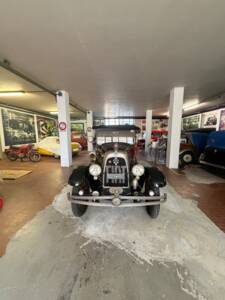
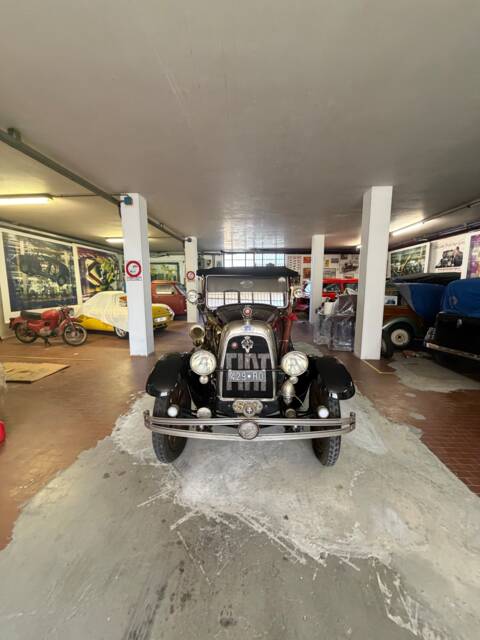
1919 | FIAT 501
Professional concours restoration

FIAT 501 listing references from Classic Trader
Below you will find listings related to your search that are no longer available on Classic Trader. Use this information to gain insight into availability, value trends, and current pricing for a "FIAT 501" to make a more informed purchasing decision.
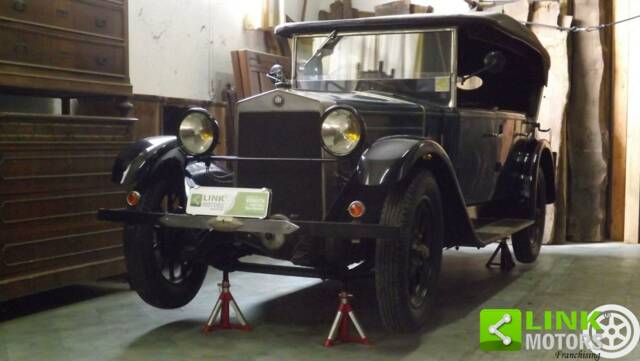
1924 | FIAT 501
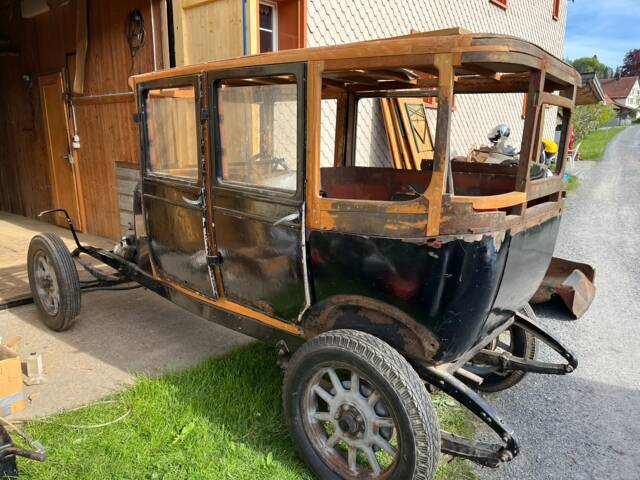
1924 | FIAT 501
FIAT 501 Limousine, Baujahr 1924 – Originaler Schweizer Scheunenfund

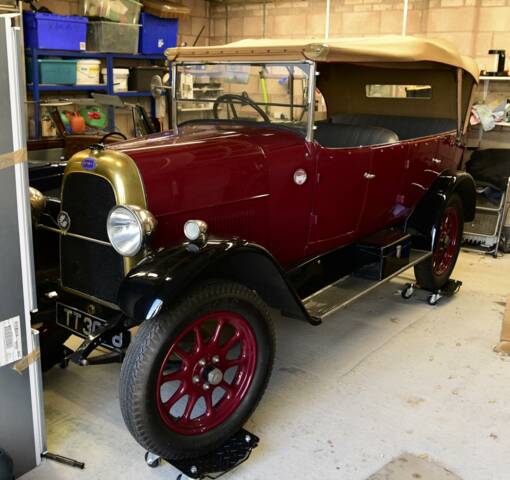
1925 | FIAT 501

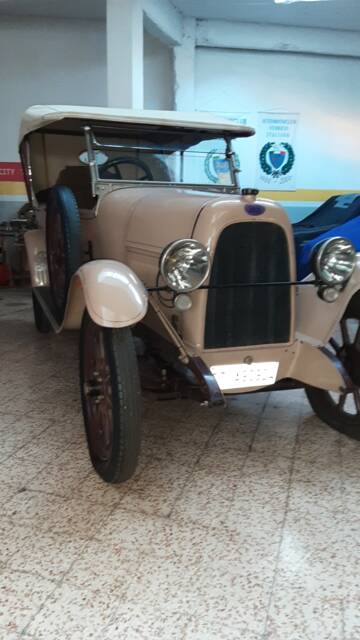
1922 | FIAT 501
Australian phaeton
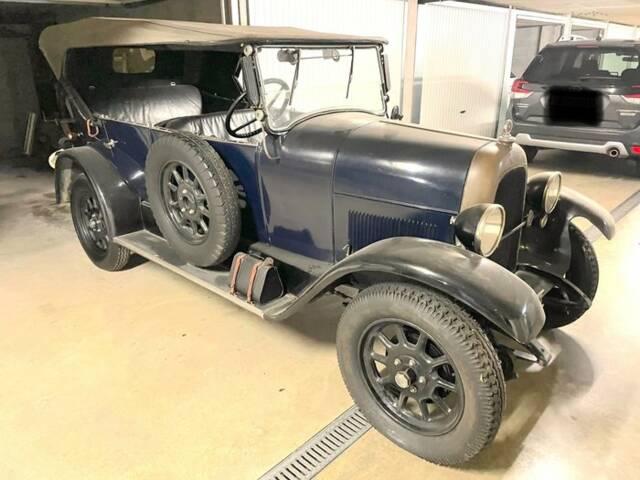
1924 | FIAT 501
Fiat - 501 Torpedo - 1924

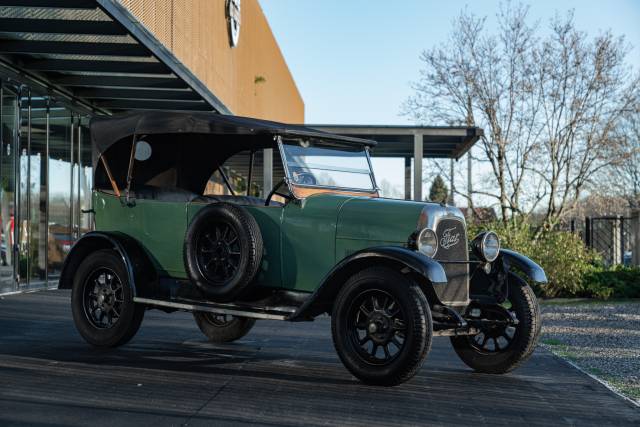
1929 | FIAT 501
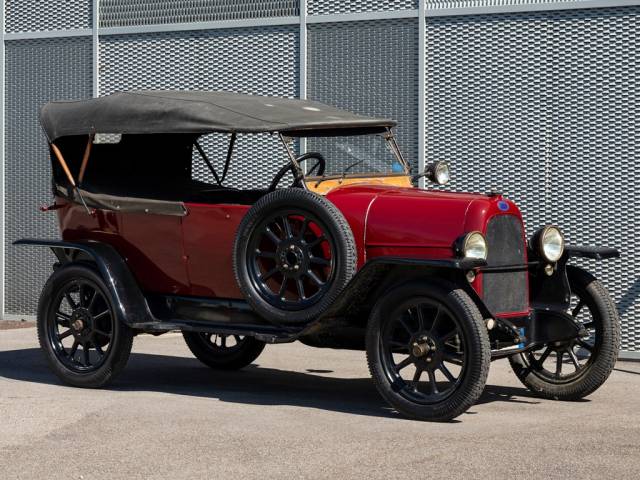
1920 | FIAT 501
1920 Fiat 501 Tourer
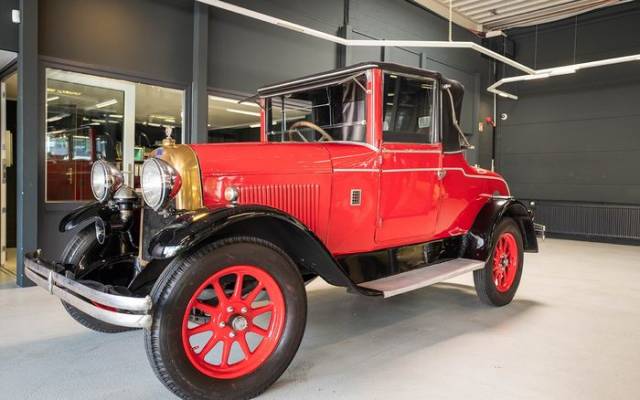
1924 | FIAT 501
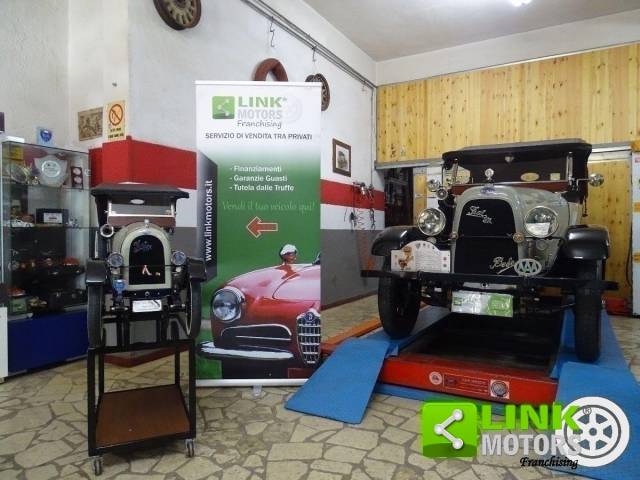
1922 | FIAT 501
Fiat 501 Torpedo del 1922 ASI
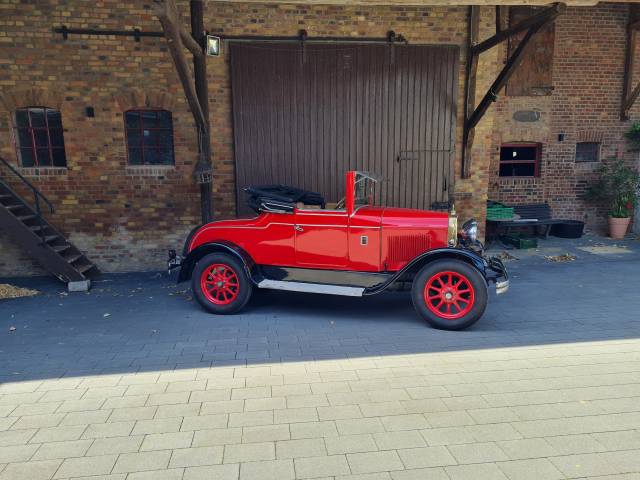
1924 | FIAT 501
Fiat 501 Sport Cabriolet Spider

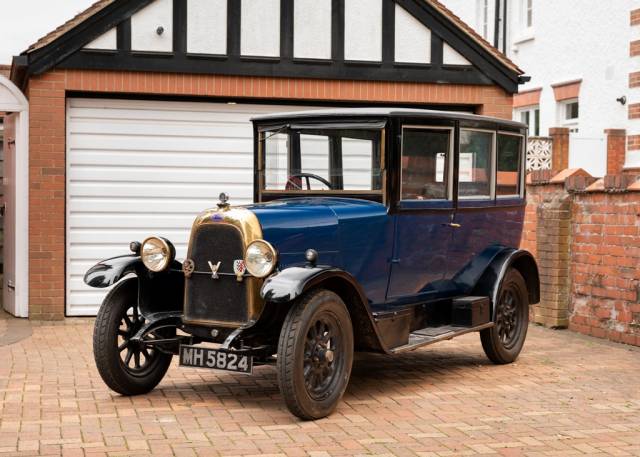
1925 | FIAT 501
Fiat 501 Saloon
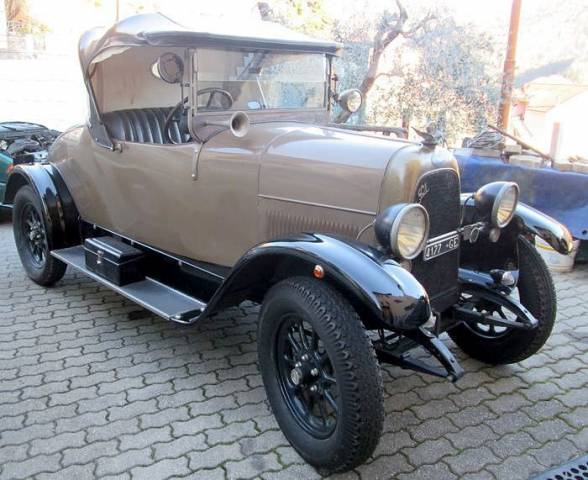
1925 | FIAT 501
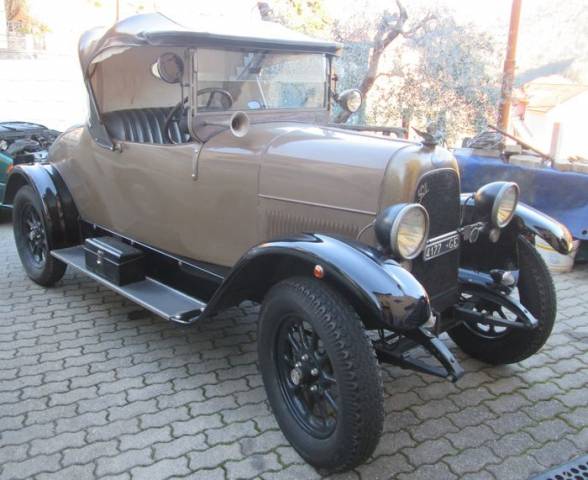
1925 | FIAT 501
FIAT 501 Classic Cars: Prices & Market Values
History of the FIAT 501
The FIAT 501 marked a new era for the Turin-based manufacturer following the First World War. As the successor to the FIAT 70, the 501 was launched in November 1919, aiming to provide an affordable yet robust solution for private mobility. With close to 70,000 units produced over six years, the 501 quickly established itself as FIAT’s staple model in the immediate post-war period. Designed by Carlo Cavalli, the 501 was developed in the iconic Corso Dante factory in Turin and was conceived specifically as a reliable export model. Its success also owed much to its simplicity and versatility, being suitable for both city driving and long-distance touring.
Model History of the FIAT 501
The lineage of the FIAT 501 began with the FIAT 70 as its predecessor and concluded with its own evolution via several variants. Notably, the 501B introduced significant improvements—most importantly, the addition of front drum brakes in 1924. Initially, the model was available exclusively as a 3/4 Torpedo with doors, eventually embracing other configurations such as Spider and Sport, reflecting growing demand for convenience and sporty motoring.
Highlights and Special Features
Key features of the FIAT 501 include a four-cylinder side-valve engine (Tipo 101) with 1,460 cc displacement and 23 hp at 2,600 rpm, resulting in a top speed of approximately 70 km/h—remarkable for its era. The body styles available ranged from the hand-built Sport Spider to the practical Torpedo, each featuring early-1920s hallmark design touches like the split windscreen and aerodynamic fenders. The car is recognised for its curved radiator grille, prominent FIAT badging, and unique decorative 'net feet - protect fender' embellishments on the rear wings. Velour upholstery and metal 'Sankey' wheels were standard, underlining a blend of comfort and durability. Many 501 models are eligible for prestigious historical events such as the Mille Miglia. Statistically, the FIAT 501 accounts for 100% of our FIAT listings in this vintage segment, underlining its rarity and focus within our classic inventory.
Technical Data
Special Editions and Collectible Models
The FIAT 501B, introduced from 1924 onwards, is of particular interest among enthusiasts; it was the first in this series to feature drum brakes on the front axle. Additionally, some Fiat 501 units were delivered with hand-built 'artigianale sport spider' bodies, marking them as rare, collectible variants, as well as Mille Miglia-eligible examples that enhance the car's historic appeal.
Engine and Performance, Transmission and Handling
The FIAT 501’s engine, identified as Tipo 101, is known for its reliable side-valve operation and robust design, providing 23 hp at moderate revolutions. Its three-speed manual transmission supports smooth gear changes, while the original absence of front brakes on early versions requires extra anticipation during driving. The addition of front drum brakes in the 501B significantly improved stopping power. The chassis layout supports spirited driving typical of 1920s touring cars, while the car's light curb weight aids agility. Popular 501 models include the early Torpedo and Spider versions, as well as the later 501B, distinguished mainly by the important safety upgrade of front drum brakes. Each variant is valued for its period-correct engineering and unique mechanical features.
Interior, Comfort, Exterior and Design
FIAT 501s display distinctive interwar-era Italian styling, featuring curved radiator grilles with the signature 1920s FIAT logo. The Torpedo body design incorporates aerodynamic fenders and a three-door configuration, with doors lacking external handles for a clean appearance. Interiors typically employed velour upholstery, contributing to an unexpectedly plush ambience for a car of its time. Paint options were diverse, ranging from striking 'rosso corsa' to understated sand-metallic finishes with brown frames. Accessories such as wooden-structure convertible roofs and the eye-catching split windscreen with strong rake are also notable period details.
Other Relevant Features
The FIAT 501 was produced almost entirely at the FIAT Corso Dante plant in Turin and targeted the international export market with a focus on reliability and ease of maintenance, paving the way for the Italian brand's global reach. Many surviving examples remain eligible for historical events and demonstrate the enduring appeal of 1920s Italian engineering.
Summary
The FIAT 501 stands as a milestone in Italian automotive history, embodying the technical ingenuity and practical design of its time. With nearly 70,000 units produced, unique period features, and Mille Miglia eligibility, it continues to fascinate classic car enthusiasts and collectors worldwide. Its blend of reliability, historical significance, and distinctive styling guarantee its continued presence at the forefront of pre-war Italian motoring heritage.