Ferrari Testarossa Classic Cars for Sale
The Ferrari Testarossa, produced between 1984 and 1996, stands out with its remarkable flat-12 engine, nearly 2-metre-wide silhouette and instantly recognisable side strakes. Known for technical brilliance and a design by Pininfarina, the Testarossa became synonymous with high performance and media presence, notably as a Miami Vice star. Read more to discover the engineering, model evolution and what to look out for in this iconic V12 mid-engine masterpiece.
Search results
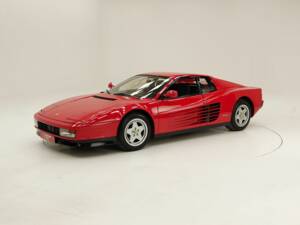
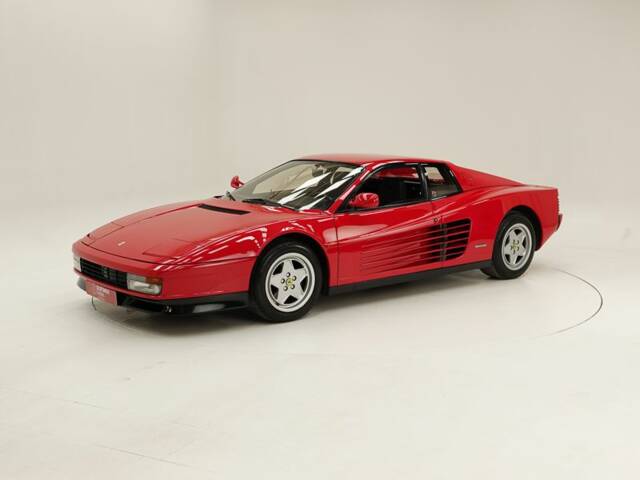
1991 | Ferrari Testarossa
1991 Ferrari Testarossa '91

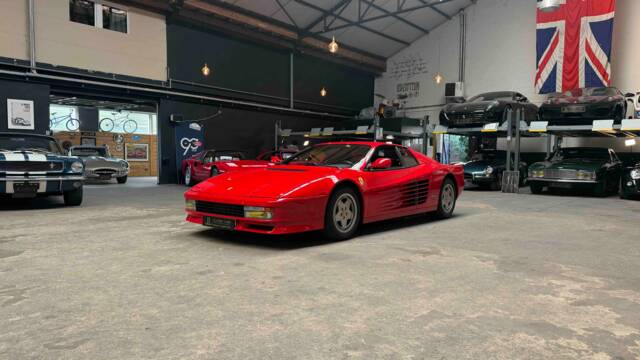

Auctions ending soon

Loading…
Loading…
Loading…
Loading…

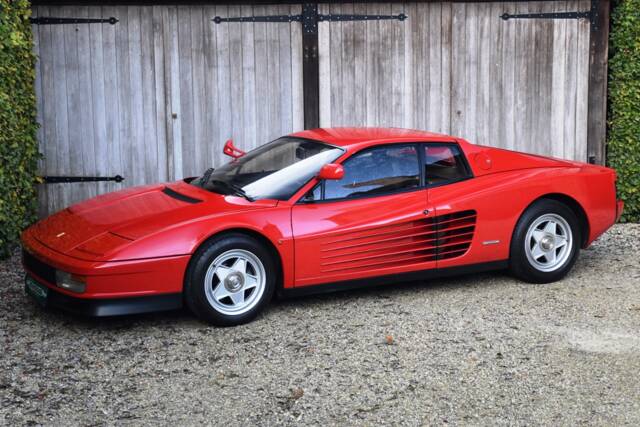
1986 | Ferrari Testarossa
An early Testarossa with the very rare option of two flying mirrors.
Newsletter
The best Ferrari listings, straight to your inbox
Get hand-picked Ferrari listings, plus the best of cars, motorbikes, and auctions on Classic Trader — all in one place.
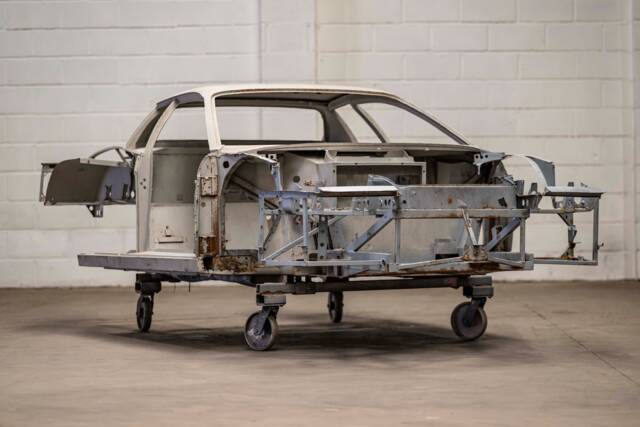
1987 | Ferrari Testarossa
Chassis & Spare Parts Only

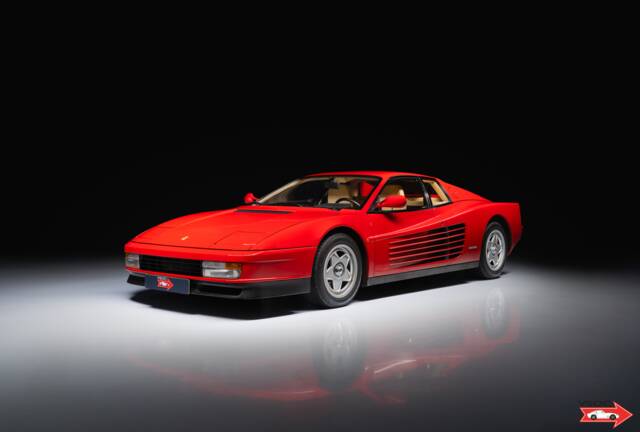
1987 | Ferrari Testarossa
'Rosso Corsa' - Single Bolt or Monodado model. Servicebook. Swiss origin.

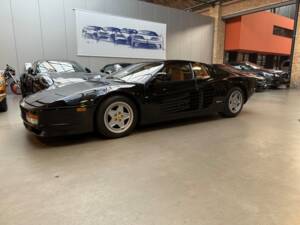
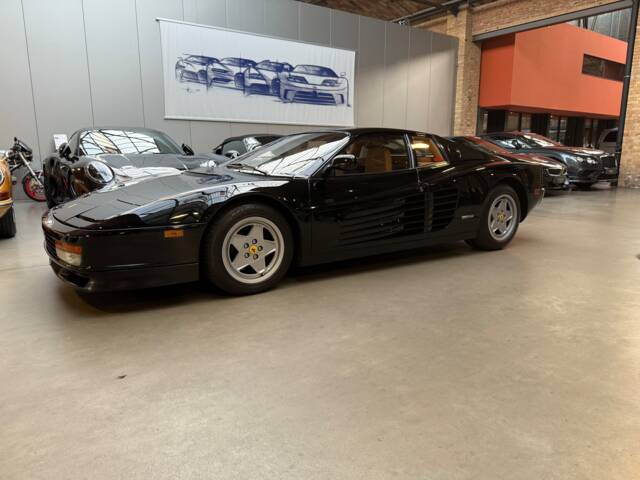
1989 | Ferrari Testarossa
Nero/Beige

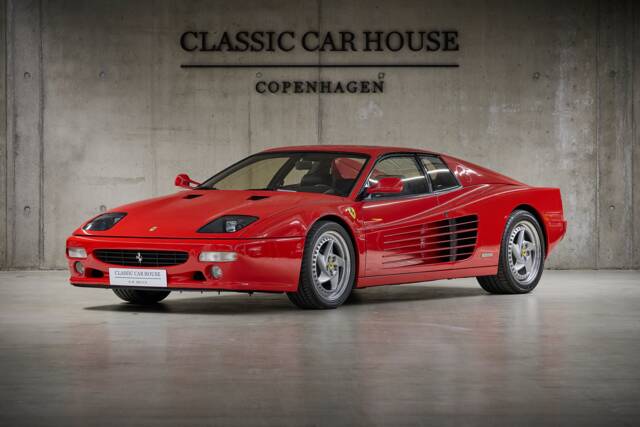
1995 | Ferrari F 512 M
Immaculate Ferrari Classiche-certified F512 M

1990 | Ferrari Testarossa
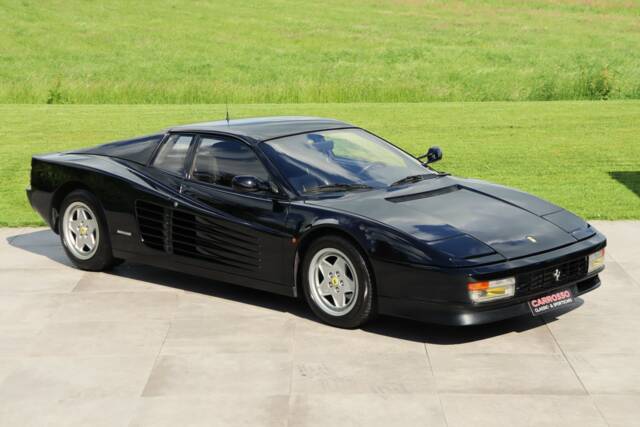
Ferrari Testarossa | Recent Extensive Serviced
1996 | Ferrari 512 TR
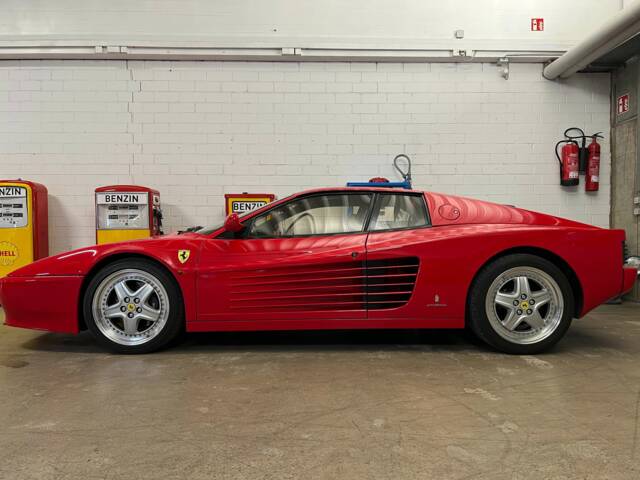
Ferrari 512
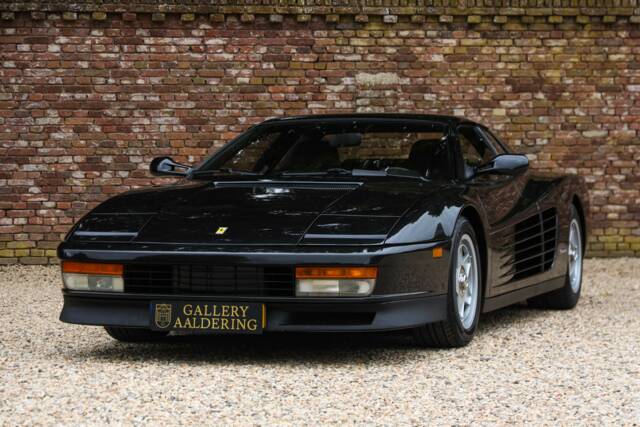
1987 | Ferrari Testarossa
Ferrari Testarossa "Nero Metallizzato with Koenig interior" Maroon-Black seats and center console by Koenig, The Monodado version, “Koenig Specials” - The ultimate embodiment of the excessive '80s style,Premium Nero Metallic factory color, Well documented by the owners,Schedoni leather document pouch with the booklets present, Completely refurbished in the Netherlands by the last owner,
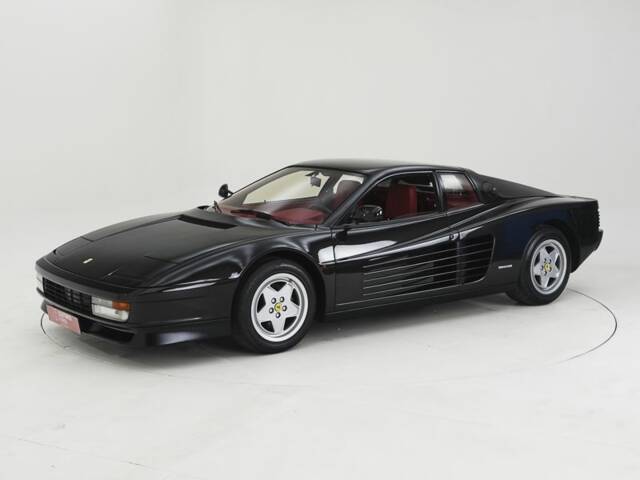
1990 | Ferrari Testarossa
1990 Ferrari Testarossa '90
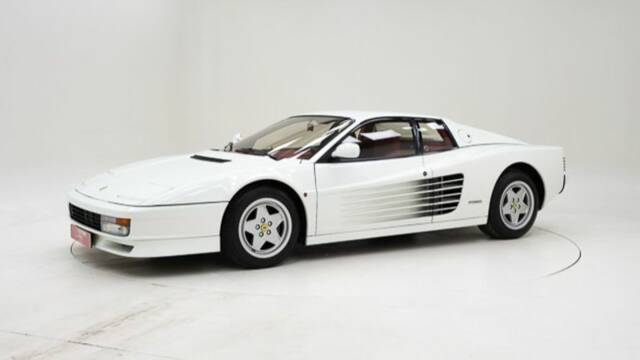
1989 | Ferrari Testarossa
1989 Ferrari Testarossa '89
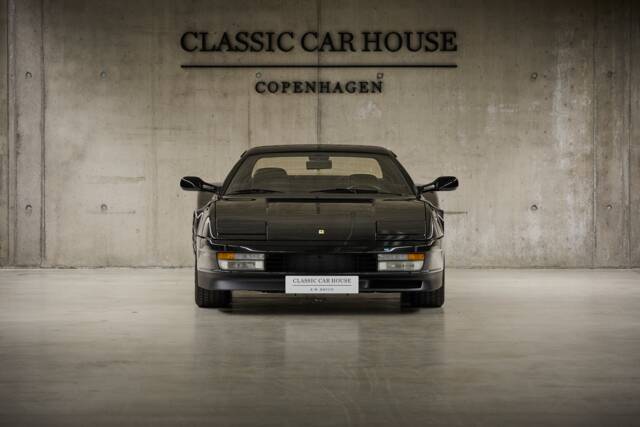
1989 | Ferrari Testarossa
28.000 km non-Rosso Testarossa
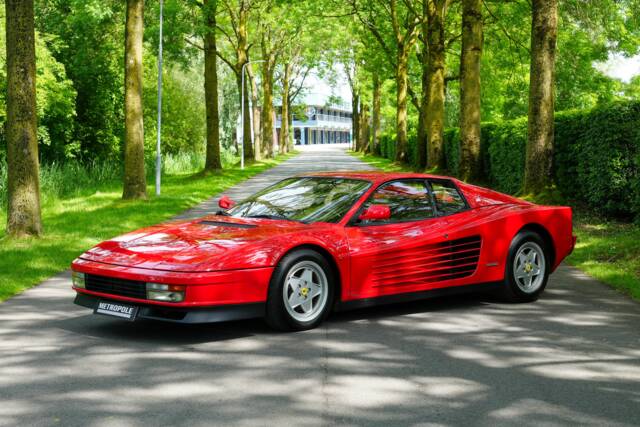
1990 | Ferrari Testarossa
Ferrari Testarossa M1113
Ferrari Testarossa Classic Cars: Prices & Market Values
The market value of Ferrari Testarossa classic cars is primarily determined by technical condition, originality and mileage, as well as rarity, history and documentation. A well-maintained, largely original vehicle with low, verifiable mileage and complete history including appraisals and documentation typically achieves significantly higher prices than a comparable vehicle with deferred maintenance, many modifications or unclear provenance.
Ferrari Testarossa: Market Prices & Value Trends
Based on sales data from the Classic Trader marketplace, the Ferrari Testarossa family (Testarossa, 512 TR and F 512 M) shows a generally firm to rising market across the period from early 2021 to mid-January 2026, with the strongest uplift at the top end for later, rarer derivatives. In Europe, most recent asking prices for “standard” Testarossa examples (typically 1985–1991, around 390 hp) cluster in a realistic band of roughly €130,000–€210,000, with cheaper entries appearing but often looking like condition-led outliers. The 512 TR (1992–1996) tends to sit higher, commonly around €190,000–€260,000, reflecting the updated drivetrain and desirability. The F 512 M commands a clear premium, frequently advertised from about €300,000 to €430,000+, and should be treated separately from the core Testarossa market. For buyers, this means well-documented, original cars are holding value, while sellers of average-condition cars face a more price-sensitive audience; provenance, servicing and mileage remain the key price drivers.
History of the Ferrari Testarossa
The Ferrari Testarossa succeeded the 512 BB/BBi and debuted at the 1984 Paris Motor Show, targeting both technical improvement and market appeal amid the 1980s wave of performance cars. Its name, meaning 'red head', pays homage to Ferrari's successful sports racers from the late 1950s and 1960s, referencing the red-lacquered cam covers of the 12-cylinder engine. Designed by Pininfarina's Leonardo Fioravanti, the Testarossa addressed cockpit temperature issues of its predecessor by channelling air through dramatic side strakes, which also defined its width and stance. Poster car of the era, it entered public consciousness through media, such as Miami Vice, and became a pop culture symbol while setting a new benchmark for everyday usability and comfort in a supercar—unusual for Ferrari of the time.
Model History
The Testarossa lineage began in 1984, running until 1991, before evolving into the 512 TR (1992–1994) and finally the F512 M (1994–1996). Around 7,177 Testarossa, 2,261 512 TR, and 501 F512 M units were produced. The 512 TR introduced upgraded cylinder heads and larger valves, pushing output to 428 PS. Ergonomics and braking received significant attention, while the F512 M received further performance tweaks, titanium engine components, fixed headlights, ABS, and the highest output at 446 PS. The series was concluded in 1996, replaced by the front-engined 550 Maranello. Early Testarossa variants ('Monospecchio' and 'Monodado') are considered especially rare, and right-hand-drive models are limited. The Testarossa’s production was rooted in Maranello, with Scaglietti handling bodywork.
Highlights and Noteworthy Features
A distinctive hallmark is the horizontally straked side intakes, known in enthusiast circles as 'egg slicers,' serving the crucial purpose of channelling cooling air to rear-mounted radiators. The Testarossa was Ferrari's first production V12 with four valves per cylinder and employed dry sump lubrication. Early units had a single 'flying mirror', later models two. Interiors feature Connolly leather and electrical amenities notable for an 80s Ferrari.
Technical Data
Special Editions and Collectible Models
Distinctive editions include the early 'Monospecchio' (single mirror, pre-1987) and 'Monodado' (centre-lock wheels) cars, as well as the extremely limited Testarossa Spider (produced by commission for Gianni Agnelli). The F512 M represents the technical zenith with ABS, fixed headlights and enhanced power. Factory or rare colour combinations, as well as Schedoni matched luggage, further distinguish collectible variants.
Weak Spots and Common Issues
The flat-12 engine requires annual servicing or every 6,000–7,000 miles, with a timing belt change every three years or 15,000 miles—entailing engine removal and considerable cost. Water pumps in pre-1989 cars are prone to early failure; verify factory updates. Ageing or perished rubber seals, hoses, especially within the AC system, are common. Suspension and bushings wear rapidly given the Testarossa's weight. Early versions with Michelin TRX wheels and tyres present sourcing challenges. The gearbox is known for difficult second gear engagement until warm; worn synchros are a frequent issue. Interior switches and outdated electronics (alarms, immobilisers) are potential headaches. Replacement trim is rare, and brittle interior plastics age poorly. Comprehensive Ferrari service records and accident-free histories support investment—incomplete provenance or deferred maintenance can result in high ongoing costs, with annual maintenance often cited between €10,000–€20,000.
Engine, Transmission and Handling
The Testarossa's flat-12, mid-mounted engine delivers a powerband suited for both touring and high-speed performance, offering immense torque (up to 501 Nm in later models). The five-speed gated manual provides mechanical engagement, though early cars have notoriously recalcitrant second gears until reaching operating temperature. Later 512 TR and F512 M models benefit from improved transmissions, stiffer chassis, and updated brakes, reflecting Ferrari's progressive development focus. Steering is unassisted and direct in earlier models, with servo assistance added later. Thanks to the wide rear track and the weight over the driven wheels, traction and composure at speed are superior to earlier Berlinetta Boxers, though drivers must respect throttle application mid-corner, as there are no electronic aids (traction control only appears with F512 M ABS). Dry weight and 40/60% front/rear bias influence road behaviour—a rewarding experience for drivers seeking authentic, undiluted feedback. • Testarossa 'Monospecchio' and 'Monodado': Early, single-mirror and centre-lock variants, highly prized for originality and rarity. • 512 TR: Improved power (428 PS), ergonomics, and chassis—considered the sweet spot for regular use. • F512 M: Last, most powerful (446 PS), ABS, and distinctive exterior—rarest standard production variant.
Interior, Comfort, Exterior and Design
Testarossa styling is the collaborative work of Pininfarina’s Leonardo Fioravanti, translating aerodynamic efficiency into aesthetic statement. The wedge profile, wide stance, and dramatic 'egg slicer' strakes define its presence. Early cars stand out with left-side 'flying mirrors' and central, single-nut wheels. Interiors are generously appointed for the era, featuring Connolly leather in classic hues like beige and black, but also in rare special colours. As expected, the cabin is spare on infotainment but is built around the driver, with Veglia instruments and purposeful switchgear. Options included Schedoni custom luggage, bespoke upholstery, and upgraded audio. The F512 M’s fixed headlights and clear taillights give it a unique end-of-series signature.
Other Relevant Features
The Testarossa was frequently seen in contemporary media and in the collections of celebrity owners including Michael Jordan, Elton John, Rod Stewart, M.C. Hammer and Mike Tyson. Its status as a 1980s automotive reference includes television (Miami Vice) and appearances in music and cinema. Fuel consumption of 15–16 l/100 km matches period supercar averages, and its luggage accommodation (with available Schedoni set) underlines usability by supercar standards. Right-hand-drive models are exceptionally rare and command premium values.
Summary
The Ferrari Testarossa blended technical supremacy, comfort and daring design, establishing itself as an instantly recognisable figure on the road and screen. With nearly 10,000 produced across all series, it remains highly visible in the market, and its 100% share in both Classic Trader's listed supply and demand underscores ongoing popularity. Key maintenance considerations, evolving model features, and specific collectible variants make due diligence imperative for buyers. The Testarossa continues to offer a unique entry into Ferrari's V12 mid-engine era, with every model year providing its own blend of the era’s fascination for power, presence, and Italian style.