- Car
- Autobianchi
- Autobianchi Bianchina (16 offers)
Autobianchi Bianchina classic cars for sale
The Autobianchi Bianchina blends Italian engineering and elegance in a microcar package, standing apart from its Fiat 500 sibling with bespoke bodywork, stylish two-tone paint, and a variety of configurations. The Bianchina is treasured for its mechanical simplicity paired with upscale features, making it a refined yet accessible collectable from Italy’s economic boom era.
Search results
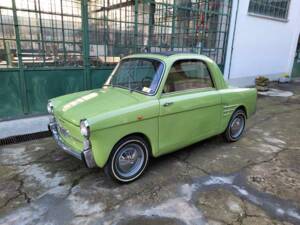
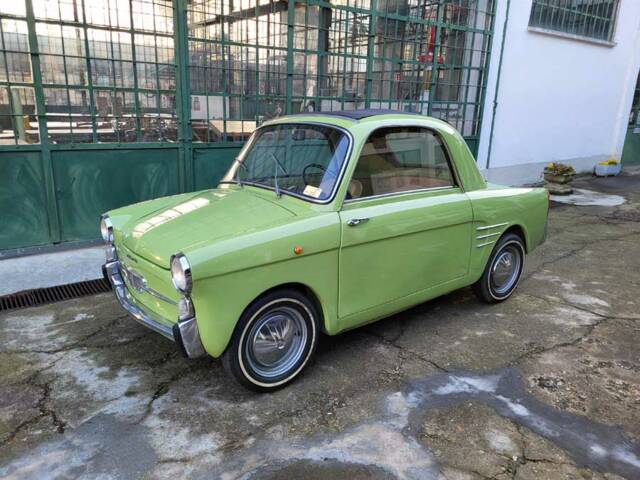
1961 | Autobianchi Bianchina Trasformabile
SUMMER PRICE 2026 @ CITY MOTORS

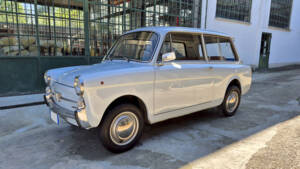
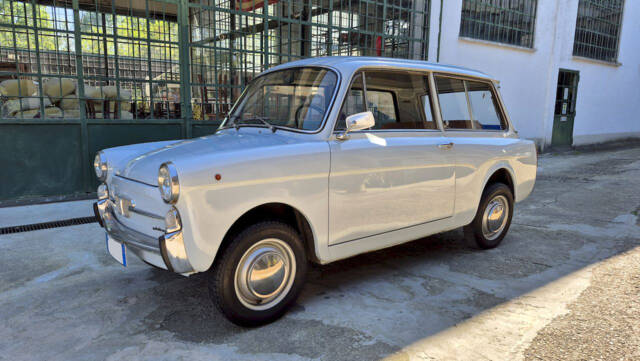
1969 | Autobianchi Bianchina Panoramica
SUMMER PRICE 2026 @ CITY MOTORS
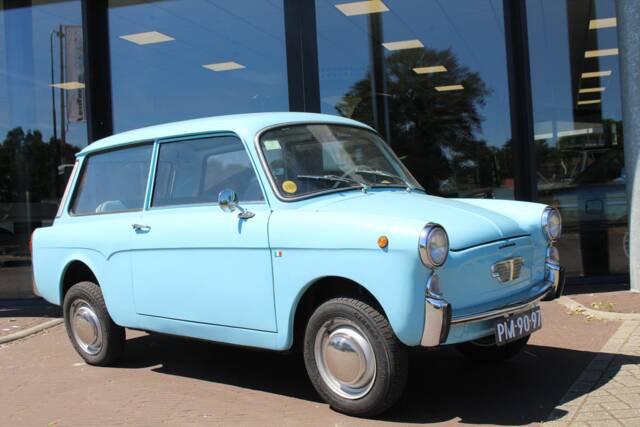
1964 | Autobianchi Bianchina Panoramica
Autobianchi Bianchina Panoramica | 1964 | Route 66 Auctions - For sale by auction. Estimate 7500 EUR

Newsletter
The best Autobianchi listings, straight to your inbox
Get hand-picked Autobianchi listings, plus the best of cars, motorbikes, and auctions on Classic Trader — all in one place.
1969 | Autobianchi Bianchina Panoramica
Autobianchi Panoramica
1966 | Autobianchi Bianchina
Well-maintained classic car for enthusiasts

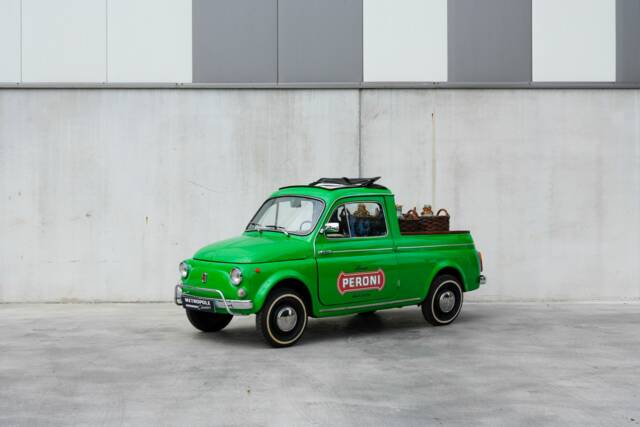
1969 | Autobianchi Bianchina Panoramica
Autobianchi BIANCHINA Pick-up M1218
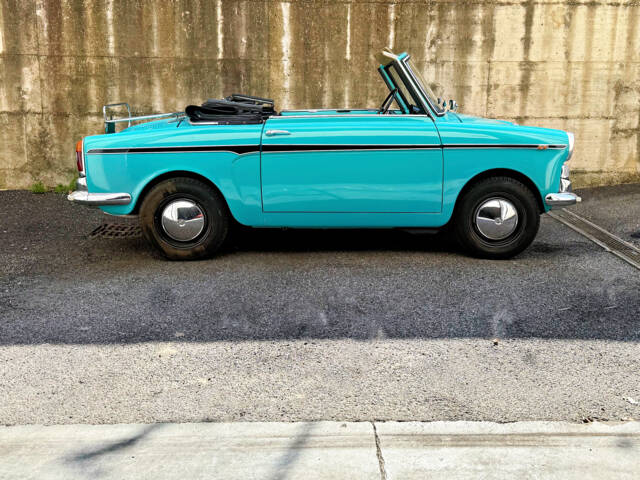
1961 | Autobianchi Bianchina Convertible
1961 II Serie
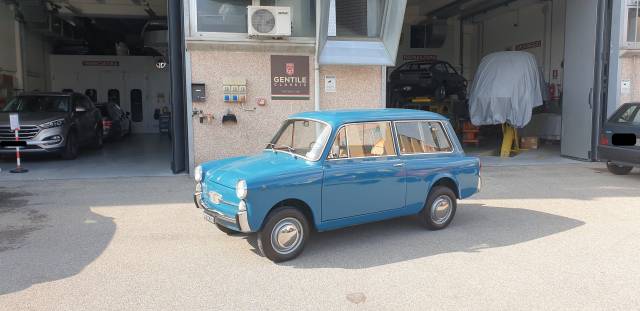
1968 | Autobianchi Bianchina Panoramica
AUTO ECCEZIONALE ORIGINALE CONSERVATA.
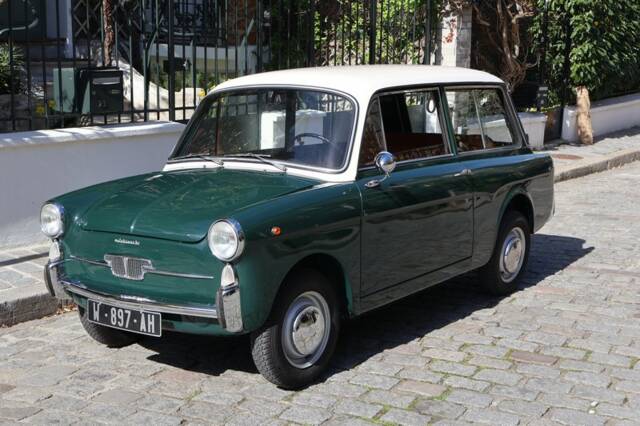
1967 | Autobianchi Bianchina Panoramica
Voiture complétement restaurée… !

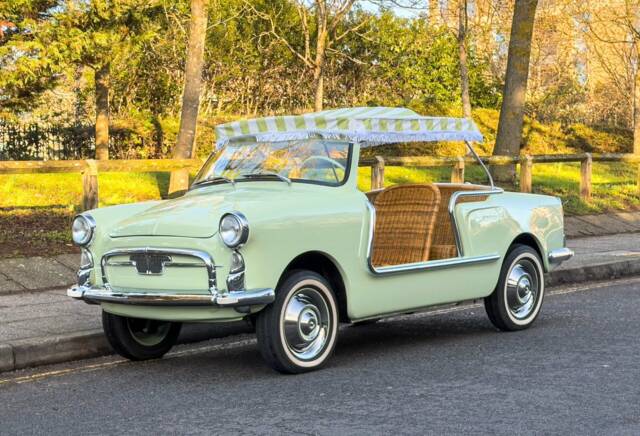

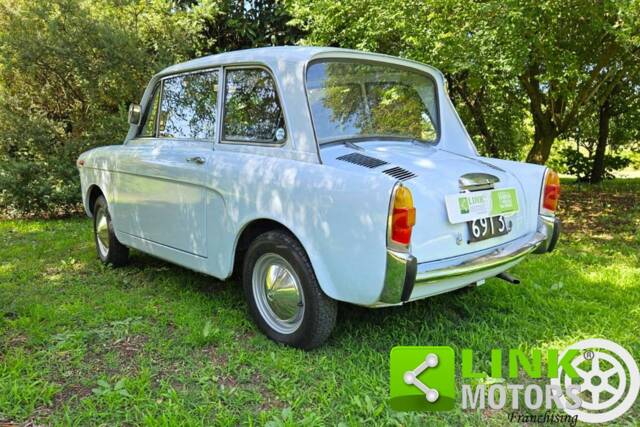
1967 | Autobianchi Bianchina
AUTOBIANCHI Bianchina Berlina / ASI / Targata TO / Originale
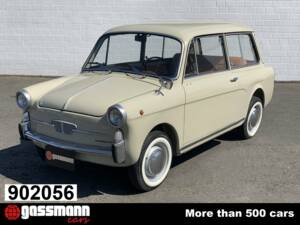
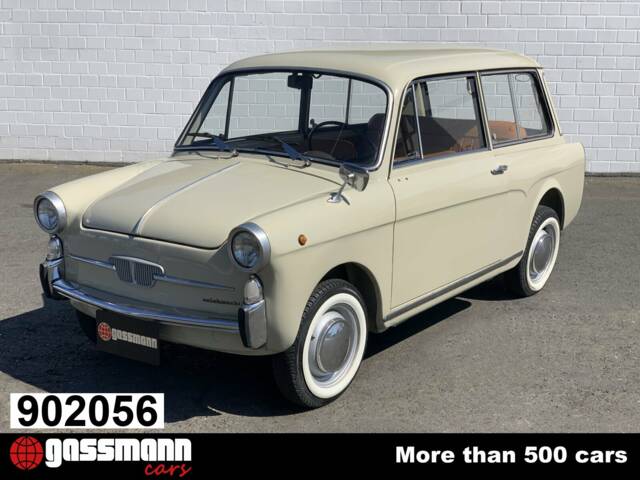
1967 | Autobianchi Bianchina Panoramica
120B Autobianchi Bianchina Panoramica
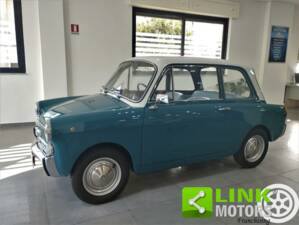
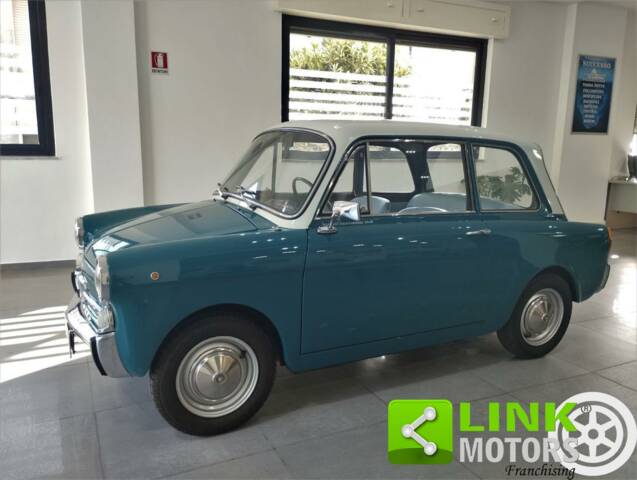
1968 | Autobianchi Bianchina
AUTOBIANCHI Bianchina BERLINA 110 FB
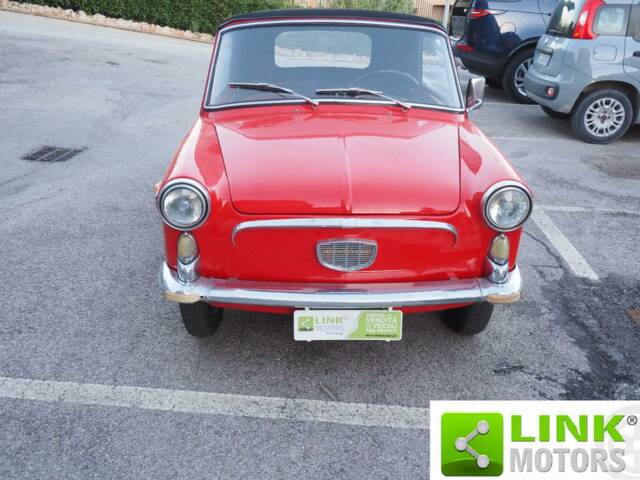
1966 | Autobianchi Bianchina Convertible
AUTOBIANCHI Bianchina PRENOTATA
Autobianchi Bianchina Classic Cars: Prices & Market Values
The market value of Autobianchi Bianchina classic cars is primarily determined by the specific manufacturer code and variant, as well as technical condition, originality and mileage. Additional factors include rarity, history and documentation. A well-maintained, largely original vehicle with low, verifiable mileage and complete history including appraisals and documentation typically achieves significantly higher prices than a comparable vehicle with deferred maintenance, many modifications or unclear provenance.
Autobianchi Bianchina: Market Prices & Value Trends
Based on sales data from the Classic Trader marketplace, the Autobianchi Bianchina market in Europe has been broadly stable to gently firming over the period from 2021 to January 2026, with strong price dispersion driven mainly by body style and condition rather than short-term swings. Most Classic Trader examples are 1950s–1970s cars (often Bianchina Panoramica, Giardiniera and Trasformabile/Convertible variants), and the bulk of realistic asking prices cluster in the mid-single to low-teens. A sensible current market range for typical, usable cars is around €5,000–€13,000, where many Panoramica and standard saloon-style Bianchinas sit. Well-presented Convertibles/Trasformabile models commonly push into €18,000–€28,000, reflecting their greater desirability and lower supply, while very low-priced ads (around €1,000–€3,600) and high outliers (above €35,000) should be treated cautiously as they may represent projects, duplicates, or exceptional provenance. For buyers, this points to a market that rewards originality and good restoration; for sellers, strong presentation and documentation remain key value drivers.
History of the Autobianchi Bianchina
Launched on 16 September 1957 at the Museum of Science and Technology in Milan, the Autobianchi Bianchina was conceived through the Autobianchi joint venture, combining the expertise of Bianchi, Fiat, and Pirelli. While sharing its mechanicals with the Fiat 500, the Bianchina introduced custom coachwork by Luigi Rapi, positioning the car above the standard city car in both appearance and finish. Initially offered as the two-seater Trasformabile with a landau roof and compact dimensions, the model quickly diversified, with new configurations like the Cabriolet, Panoramica estate, Berlina saloon, and Furgoncino van tallied to satisfy emerging urban transport demands. Throughout the 1960s, production continued to respond to consumer needs, with the Bianchina maintaining a close technical relationship with the Fiat 500 series but always boasting exclusive styling and richer appointments. The Bianchina remained in production until 1969, with the Giardiniera estate and van derivatives continuing until 1977.
Model History and Evolution
Built at Autobianchi’s Desio plant, the Bianchina debuted as the Trasformabile – a two-seat coupe featuring a partial soft top and suicide doors, replaced in 1962 by the more practical, four-seat Berlina. In 1960, the Cabriolet and the Panoramica estate joined the range, followed by the van-like Furgoncino in 1965. Mechanical updates closely followed the evolution of the Fiat 500, with engine displacements moving from 479cc (15 hp) to 499cc variants offering up to 21 hp in sportier models. Special editions and nomenclature differences were seen for export markets; for example, the Cabriolet became the Eden Roc in France. By the early 1970s, the Giardiniera saw the Bianchina’s concept transition into a pure estate, featuring more interior space and the now-classic Fiat 499cc engine layout. Successor to the Bianchina was the Autobianchi A112, marking the end of the compact rear-engined era.
Distinctive Features and Market Standing
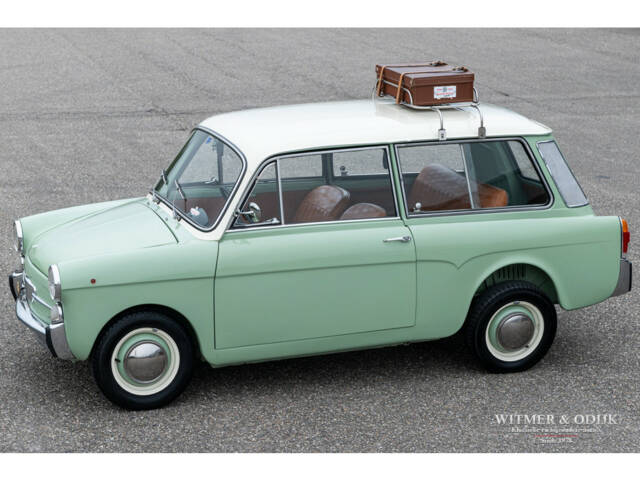
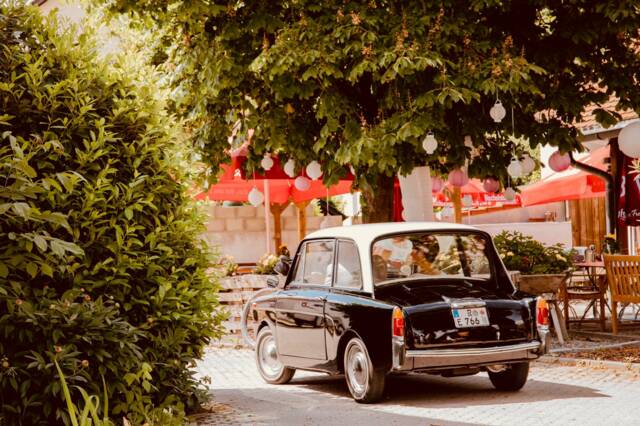
The Bianchina’s sophisticated look is immediately set apart by its two-tone paintwork, brightwork detailing, and bespoke body lines, which also allowed for an unusually broad range of model variants. Inside, the Bianchina was trimmed to a higher level than its Fiat relative, featuring vinyl interiors, elegant trim, and, in some cases, rare accessories like Borrani wire wheels or period radios. Air-cooled two-cylinder engines and lightweight construction gave the Bianchina agile city manners, while rare editions like the Trasformabile with suicide doors or Cabriolet with full canvas tops became collector favourites.
Technical Data
Special Editions and Collectible Models
Exceptionally collectible versions include the Trasformabile Special with 499cc and 21 hp, Cabriolet ‘Eden Roc’ for the French market, and Panoramica F with unique production records. In certain markets, models wore different badges: the Berlina as Lutèce and Familiare as Texane in France. The Cabriolet ranked as one of the smallest convertibles ever produced, while luxurious two-tone paint, special interior colours (such as beige/red, light blue/beige, or cream), and factory sliding roofs further distinguish high-value editions.
Engine, Performance, and Handling
The Bianchina’s performance reflects its minimal weight and compact engine layout. Typical models offer modest output—15 hp for early 479cc models, increased to 17.5–22 hp in later 499cc and Sport versions. With curb weights often below 550 kg, they reach top speeds between 90–105 km/h depending on specification. Handling is nimble, accentuated by the rear-engine, rear-drive layout and simple suspension setup. The four-speed manual gearboxes, sometimes operated via column shifter, facilitate lively acceleration in city driving, though more suited to urban than highway speeds. Noise insulation, engine vibrations, and handling at the limit all bear the signature of the microcar segment, but mechanical parts remain largely shared with the robust Fiat 500, simplifying upkeep. Key Bianchina models of note include:
- Trasformabile Special: 499cc engine, 21 hp, suicide doors, partial canvas roof.
- Panoramica F: Top production numbers, hallmark estate body, 17.5 hp.
- Cabriolet (Eden Roc): 499.5cc engine, Weber carburettor, top speed 105 km/h, rare soft-top construction.
- Berlina F: Four-seater practicality, produced in larger numbers (33,500 units), offering 18–21 hp.
Interior, Comfort, Exterior and Design
Designer Luigi Rapi’s work brought an elevated sense of style to the Bianchina, with sleek, rounded lines and a distinctive Italian flair, offset by chrome detailing and distinctive colour combinations. Notable features across models include two-tone external paint schemes, soft-top ('Tetto Apribile') options, and well-finished interiors—often in two-tone vinyl or fabric combinations. In-cabin comfort is basic but enhanced by thoughtful trim, while unique dashboard layouts and period switchgear typify the brand’s character. The Cabriolet remains famed for being one of the world’s smallest drop-tops. Accessories such as original radios, Borrani wheels, period-correct mats, and original Italian documentation (papers, plates) further differentiate high-quality examples.
Other Features and Historical Notes
The Bianchina is widely recognised by enthusiasts for its period charm and collectability, with many cars registered with Automotoclub Storico Italiano (ASI) or the Registro Storico Italiano Bianchina. French and US-market cars feature unique namings and badging reflecting their destinations. Survivors often retain original paperwork and restoration documentation—a detail appreciated in the classic car scene.
Summary
Autobianchi’s Bianchina distinguished itself from the microcar crowd with Fiat reliability underpinned by unique, upmarket bodywork and trim. Its range—from the rare Cabriolet to practical estate—caters to a breadth of collector preferences. With strong presence and demand in classic car listings, the Bianchina appeals to those seeking a refined, historically significant Italian city car with authentic period detail.