Abarth SE 025 Classic Cars for Sale
The Abarth SE 025, better known as the Formula FIAT Abarth 2000, is a rare race car from the late 1970s and 1980s, boasting lightweight construction, a mid-mounted four-cylinder engine, and outstanding performance figures. With its featherweight glass fibre-reinforced plastic body and finely engineered chassis, the SE 025 is a distinct presence in motorsport history.
Search results
Currently, there are no matching listings for your search.
Create search alert
Let yourself be notified as soon as a listing is published that matches your search filters.
Create listing
Do you have a Abarth SE 025 that you want to sell? Then create a listing now.
Create listingAbarth SE 025 listing references from Classic Trader
Below you will find listings related to your search that are no longer available on Classic Trader. Use this information to gain insight into availability, value trends, and current pricing for a "Abarth SE 025" to make a more informed purchasing decision.
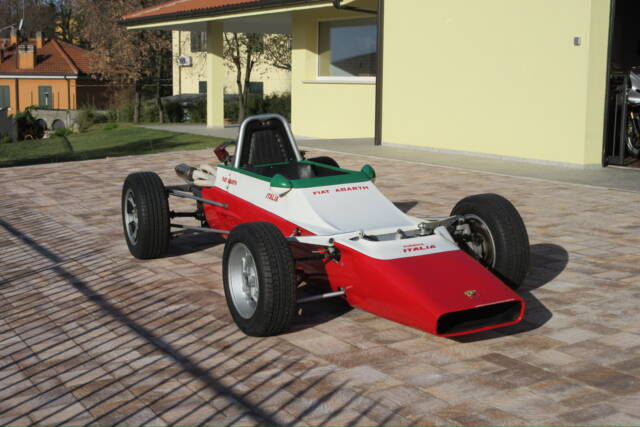
1972 | Abarth SE 025 Formula Italia
+++ online Auction +++
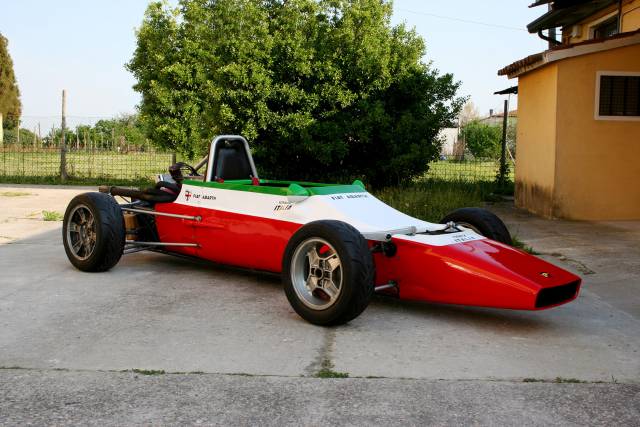
1971 | Abarth SE 025 Formula Italia
Alles Originalauto wie von 1972
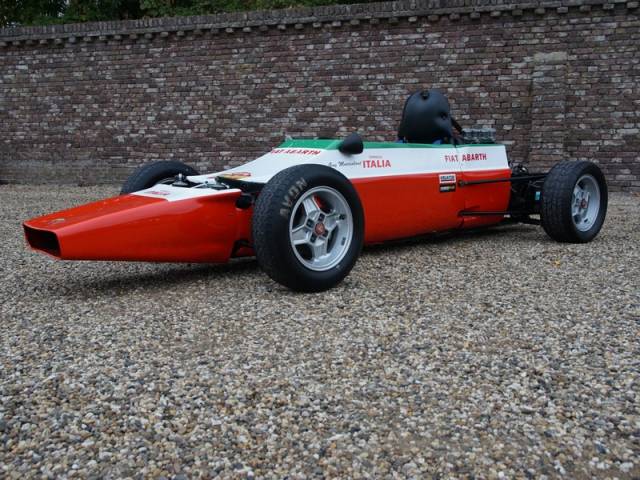
1974 | Abarth SE 025 Formula Italia
Fiat SE025 Formula Italia single seater race car
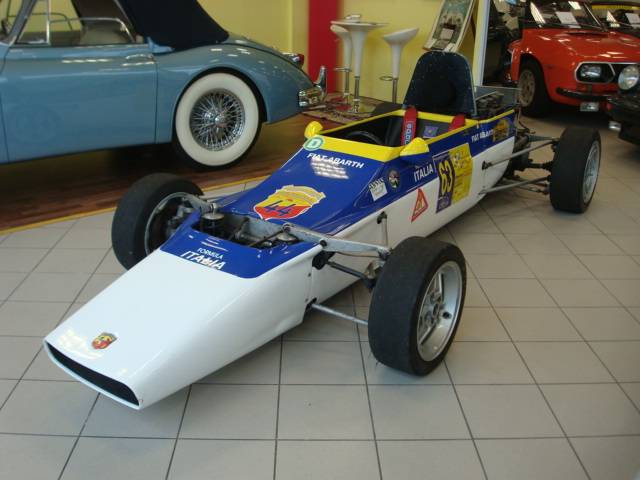
1971 | Abarth SE 025 Formula Italia
ABARTH SE 025 FORMULA ITALIA
Create search alert
Let yourself be notified as soon as a listing is published that matches your search filters.
Create listing
Do you have a Abarth SE 025 that you want to sell? Then create a listing now.
Create listingAbarth SE 025 Classic Cars: Prices & Market Values
History of the Abarth SE 025
The Abarth SE 025 emerged in 1979 as a purpose-built Formula car for up-and-coming racers in the Fiat Abarth 2000 series. Built until 1987, the SE 025 reflects an era where cost-effective yet sophisticated machines allowed drivers direct access to racing. Developed by Abarth, one of Italy’s most revered motorsport names, the car was designed to be both accessible for entry-level racing and a serious contender on the track. Its technical foundation combined a central monocoque with a tubular rear subframe, a hallmark of competition cars from the period. The dominance of lightweight materials like GRP (glass fibre reinforced plastic) for the bodywork further underscores its racing roots.
Model History
The SE 025 sits among a celebrated line of Abarth racing machines, continuing the company's tradition of high-revving, agile, and technically advanced vehicles. It followed a lineage of lightweight, small-displacement race cars that started with earlier Abarth Formula models. The series was succeeded by increasingly advanced racing cars, as regulations and technologies evolved through the 1980s.
Highlights of the Abarth SE 025
The key features of the Abarth SE 025 include a mid-mounted, 2-litre four-cylinder engine producing between 135 and 140 hp, a dry weight of only 530 kg, and an advanced chassis for its class. The 5-speed transmission and electronic ignition reflect a period-correct but modernising approach to engineering. Large Pirelli tyres on lightweight alloy rims ensure optimum grip, while double wishbone suspension front and rear guarantees sharp handling. The bodywork in GRP enhances rigidity and keeps mass to a minimum. The car could reach a top speed of approximately 230 km/h, exceptional for its displacement and weight class.
Technical Data
Special Editions and Collectible Models
No separate special editions of the SE 025 are documented. Each car was generally built to a common specification to comply with the Formula Fiat Abarth 2000 series, although small details and set-up variations were often owner- or team-specific.
Weak Spots and Common Issues
No explicit data on chronic issues is available within the current sources. However, as with many race cars of the era, prolonged track use can lead to fatigue cracks in chassis components, and the GRP bodywork may show stress if not handled correctly. Routine checks of the cooling system and carburation are essential given the engine’s high specific output and spirited use.
Engine and Performance, Transmission and Handling
The Abarth SE 025 delivers strong, rev-happy performance via its twin-cam, 2-litre engine, paired to a 5-speed gearbox optimised for track ratios. The light kerb weight of 530 kg gives the car a striking power-to-weight ratio, resulting in swift acceleration and credible top speed for a Formula car of its class. The refined double-wishbone suspension ensures agile and predictable handling, crucial for competitive racing. Large, sticky Pirelli tyres maximise lateral grip and stability through high-speed bends. As this car represents the core offering in the Formula Fiat Abarth 2000 sphere, variants differ mainly by specific racing context or owner’s modifications, rather than factory model differentiation.
Interior, Comfort, Exterior and Design
The SE 025’s aesthetics and proportions are pure function: a low slung body, enveloping the driver with minimal cockpit space and strict focus on ergonomics for racing. The car’s striking exterior comes from the GRP bodywork’s fluidity and its gleaming alloy wheels. Seating, switches, and steering wheel are all uncompromisingly race-bred. The use of specialised lightweight materials and slimline shapes contributes to both aerodynamic efficiency and speed, characteristics that have influenced similar open-wheel racers. Factory accessories were nearly irrelevant for the competition market, but bespoke steering wheels or special gauge packages were sometimes fitted for teams or individual drivers.
Other Features and Information
Some cars were modified by teams or private owners with bespoke technical tweaks, but all SE 025s on the market retain the basic mechanical and design recipe developed by Abarth. There are rarely exact duplicates; minute detail differences reflect motorsport reality.
Summary
With a production window from 1979 to 1987, and featuring a committed technical approach typical of Carlo Abarth’s philosophy, the Abarth SE 025 provides a tangible piece of racing history. Rare and perfectly tailored for classic track enthusiasts, it stands as a benchmark for accessible yet sophisticated Formula racing machines from Italy’s golden motorsport era.