- Motorcycle
- Piaggio
- Piaggio Bravo (0 offers)
Piaggio Bravo classic vehicles for sale
The Piaggio Bravo stands as a renowned moped series, widely recognised for its straightforward Italian engineering, lightweight design, and reliability. Its timeless presence in the European two-wheeler scene makes the Bravo a popular choice for riders seeking functional simplicity and enduring value.
Search results
Currently, there are no matching listings for your search.
Create search alert
Let yourself be notified as soon as a listing is published that matches your search filters.
Create listing
Do you have a Piaggio Bravo that you want to sell? Then create a listing now.
Create listingPiaggio Bravo listing references from Classic Trader
Below you will find listings related to your search that are no longer available on Classic Trader. Use this information to gain insight into availability, value trends, and current pricing for a "Piaggio Bravo" to make a more informed purchasing decision.
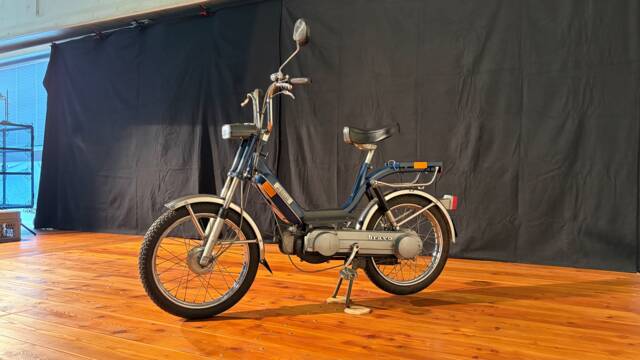
1981 | Piaggio Bravo
Classic moped from the early 1980s

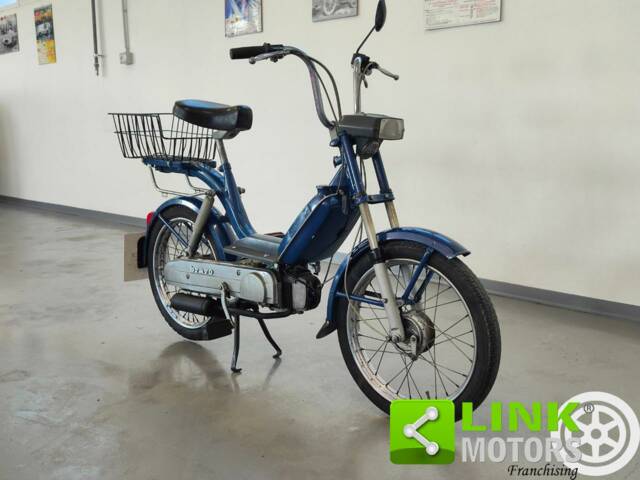
1979 | Piaggio Bravo
PIAGGIO Bravo 50 1979

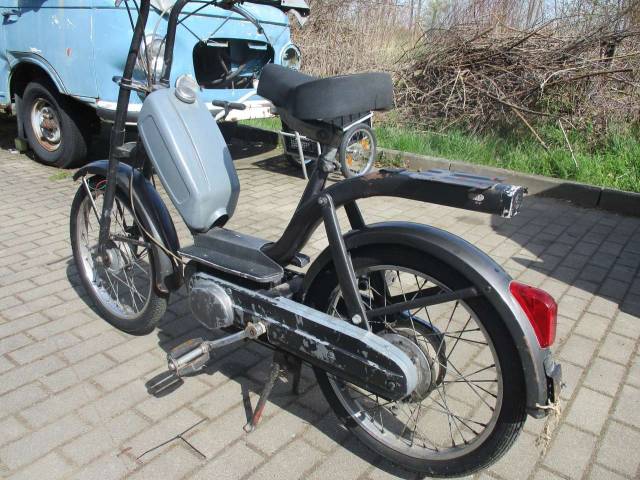
1974 | Piaggio Bravo
Piaggio Bravo

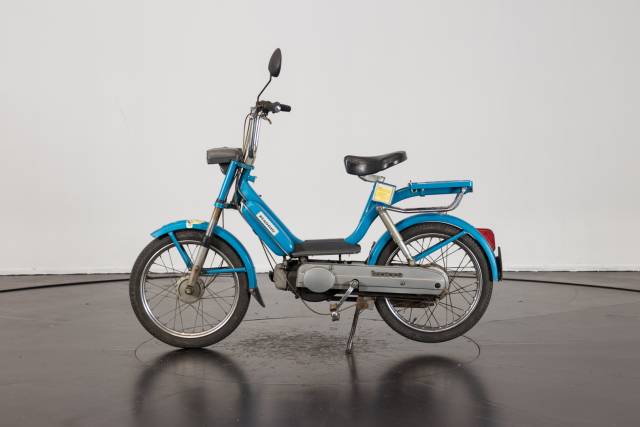
1975 | Piaggio Bravo
-
Create search alert
Let yourself be notified as soon as a listing is published that matches your search filters.
Create listing
Do you have a Piaggio Bravo that you want to sell? Then create a listing now.
Create listingPiaggio Bravo Classic Motorbikes: Prices & Market Values
The market value of Piaggio Bravo motorcycles is primarily determined by technical condition, originality, and mileage, as well as rarity, history, and documentation. A well-maintained, largely original vehicle with low, verifiable mileage and a complete history including expert reports and documentation generally achieves significantly higher prices than a comparable vehicle with deferred maintenance, extensive modifications, or an unclear provenance.
Piaggio Bravo: Market Prices & Value Trends
Based on sales data from the Classic Trader marketplace, the Piaggio Bravo (typically 3 hp, model years shown here from 1973–1980) has moved from a long period of very stable entry-level pricing into a more divided market in the most recent year. Across the dataset (May 2022 to October 2024), repeated asking values around £434 dominate, suggesting many standard, rider-condition Bravos have been trading at a consistent level. However, several October 2024 adverts sit markedly higher at about £1,388–£1,649, indicating that better-presented, earlier examples (such as 1973–1974) or more collectible finishes can command a premium. Excluding these higher-priced outliers, a realistic current market range is roughly £400–£1,000, with top-condition or more desirable years pushing beyond that. For buyers, this means good-value projects still exist, but clean, original-looking Bravos are increasingly priced as nostalgic classics rather than cheap mopeds, which supports gradual appreciation.
History of the Piaggio Bravo
The Piaggio Bravo debuted in the 1970s amid a growing demand for affordable, lightweight personal transport in Europe. Developed by the Italian manufacturer Piaggio, already an established name thanks to its Vespa scooter, the Bravo positioned itself as a utilitarian moped. Offering a minimalist approach, it quickly became popular among city dwellers and young riders. Its focus lay on practicality: a robust frame, reliable two-stroke engine, and parts availability ensured low running costs and ease of maintenance. The Bravo contributed to a surge in small-displacement mopeds during its production years, marking a significant chapter in Piaggio's expansion into everyday two-wheel mobility.
Model History
The Piaggio Bravo evolved from Piaggio’s earlier Ciao moped, integrating platform updates like telescopic suspension and improved ergonomics. While the Ciao laid the groundwork for Piaggio’s moped range, the Bravo introduced enhanced comfort features and a stronger frame. Successive iterations of the Bravo included minor adjustments to lighting, brakes, and carburettor configuration to meet changing emissions and safety regulations. Production of the model continued through to the late 1980s, after which the demand for mopeds shifted and newer models replaced it in the Piaggio lineup.
Highlights & Market Statistics
The Piaggio Bravo’s defining features include its lightweight step-through frame, ease of use, and the low-maintenance two-stroke engine. Its pedal-assisted start system and simple manual transmission give it a charm hard to find in modern alternatives.
Technical Data
Special Editions and Collectible Models
Several regional or dealer-specific editions may exist, often differentiated by colour schemes, badges, or accessory kits such as racks or unique saddle designs. However, on the broader international market, most Bravos adhere to a consistent technical and visual specification.
Weak Spots and Common Issues
The Bravo’s basic mechanics provide straightforward maintenance, but buyers should check for age-related wear like corroded fuel lines, clogged carburettors, and decayed rubber parts. The variomatic transmission should be checked for belt and pulley wear. Chassis corrosion can occur in areas exposed to dampness if the bike was not stored properly.
Engine and Performance, Transmission and Handling
The two-stroke Bravo engine is tuned for urban mobility, offering responsive acceleration for a moped and an approachable top speed suitable for city roads. Handling is nimble due to the low weight (approx. 40kg), and the suspension setup copes well with typical city surfaces. The Bravo’s pedal start and variomatic transmission keep the controls simple, making it approachable even for novices. The Bravo S and Bravo Luxe models featured enhanced saddles and lighting, appealing to riders prioritising comfort and better visibility.
Interior, Comfort, Exterior and Design
The Bravo’s pared-down lines, exposed frame, and practical application of Italian design present a distinct character. Classic colour options include Piaggio blue, red, and silver. The large and accessible luggage racks, as well as optional weather shields and lights, underline its use as a utilitarian daily commuter. The Bravo’s saddle design, upright seating position, and full mudguards further enhance rider comfort in the urban environment.
Other Noteworthy Features
The Piaggio Bravo is well-suited to customisation, with many enthusiasts opting for period accessories or subtle upgrades. The large aftermarket ensures continued parts availability, making Bravo ownership sustainable for long-term use.
Summary
The Piaggio Bravo remains a standard in the small-displacement moped class. Its simple mechanics, timeless design, and practical reputation make it a sensible choice for both enthusiasts and commuters seeking a dependable entry into classic two-wheelers.