- Motorcycle
- Montesa (2 offers)
Buy Montesa Motorbike
Montesa built motorcycles with a clear purpose: win trials, endure hard use, and reward riders who value balance over brute force. For Australian buyers, that makes a classic Montesa a rare and satisfying find.
Search results
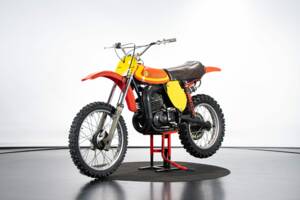
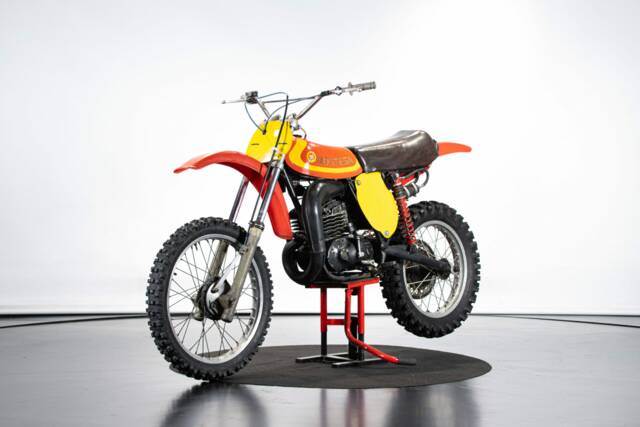

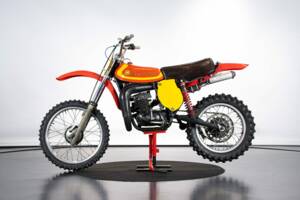
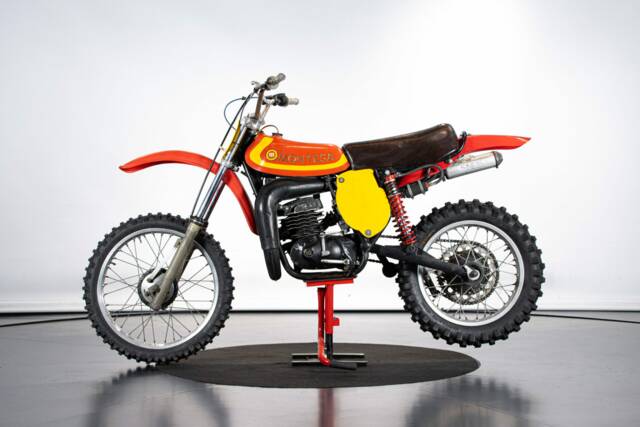
1978 | Montesa Cappra 360 VB
Montesa CAPPRA 360 VB
Montesa listing references from Classic Trader
Below you will find listings related to your search that are no longer available on Classic Trader. Use this information to gain insight into availability, value trends, and current pricing for a "Montesa" to make a more informed purchasing decision.
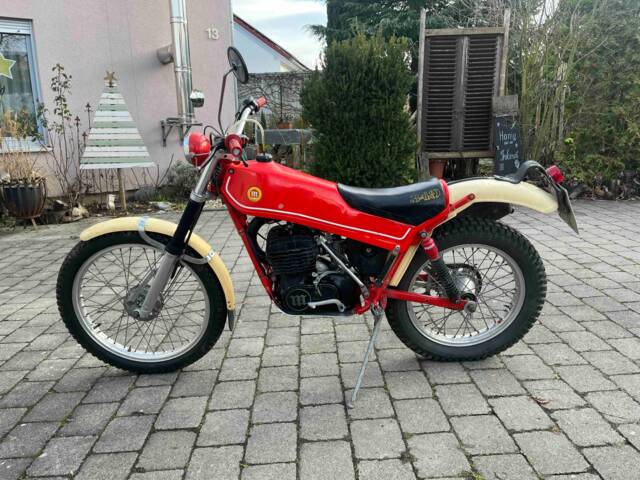
1980 | Montesa Cota 349 Trial
Motesa Cota 349 Trail historisches Liebhaberfahrzeug

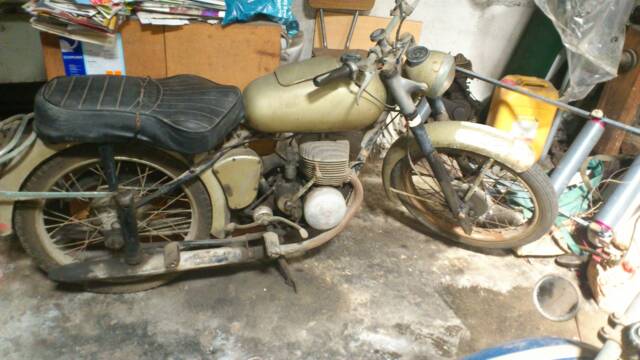
1956 | Montesa Brio 80
montesa brio 81

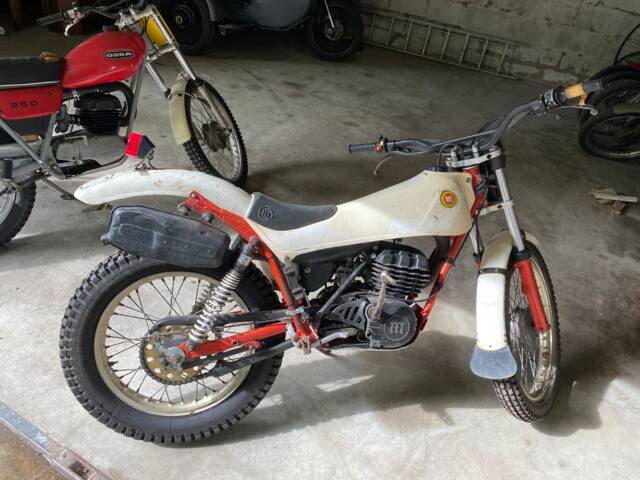
1983 | Montesa Cota 349 Trial
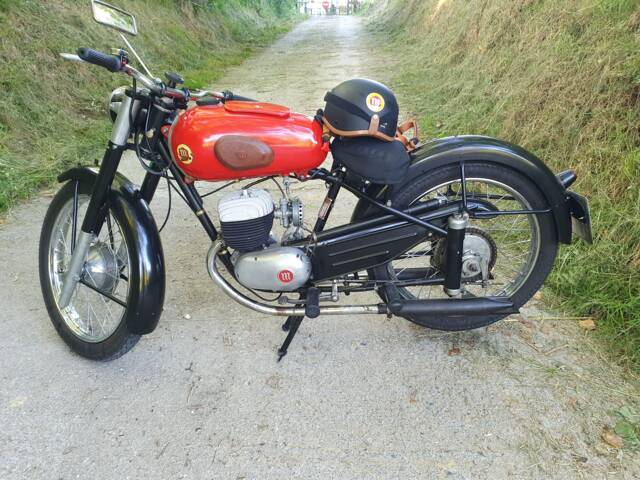
1956 | Montesa Brio 80
Montesa Brío Original Restaurada
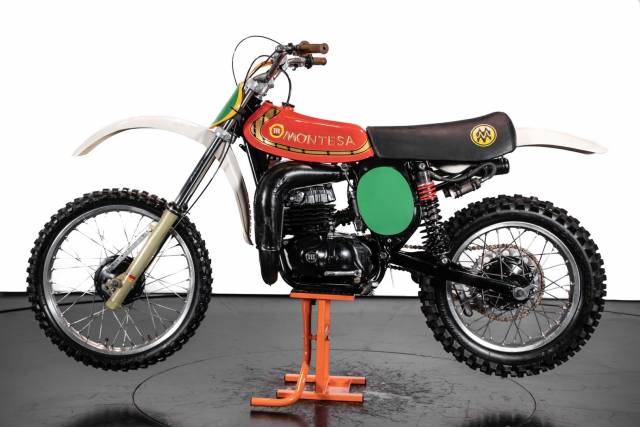
1976 | Montesa 250 Enduro
CAPPRA 250 VB
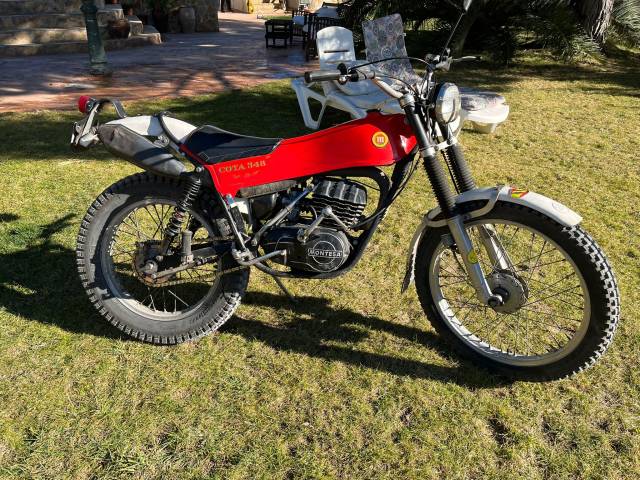
1976 | Montesa Cota 349 Trial
Montesa Cota 348 – Edición Malcom Rathmell ’76
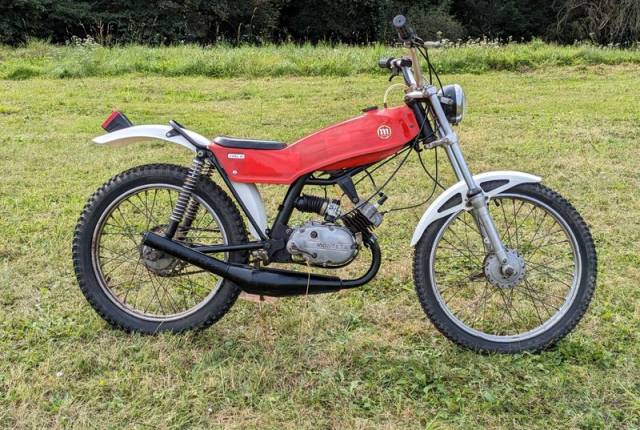
1972 | Montesa Cota 25
c.1972 Montesa Cota 49cc

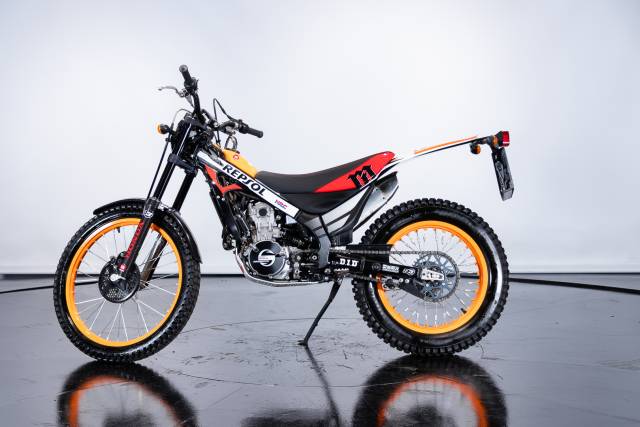
2018 | Montesa Cota 4RT 260
-
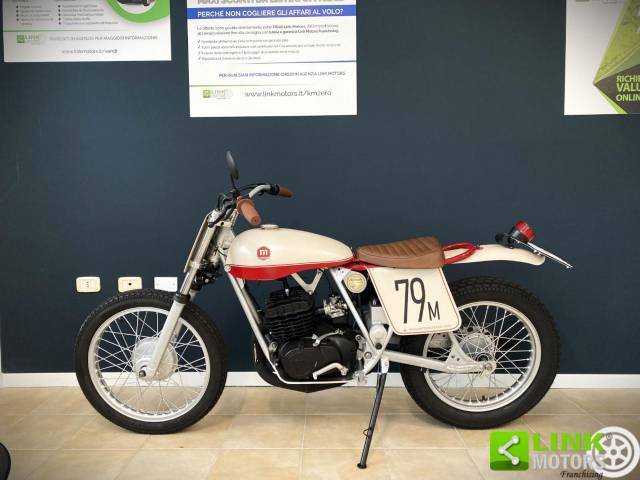
1985 | Montesa Cota 349 Trial
MONTESA Cota 350 HONDA MH 349
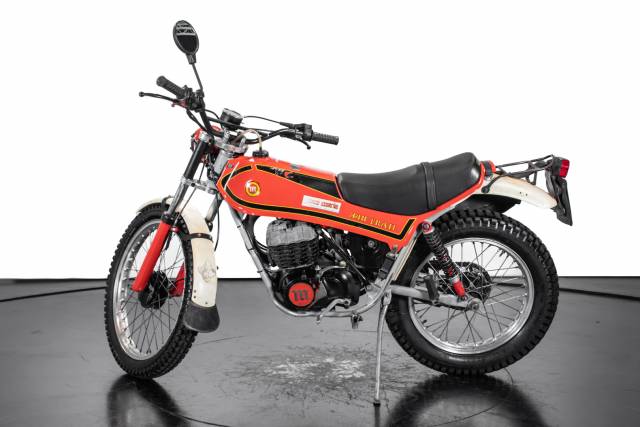
1983 | Montesa Cota 349 Trial
-
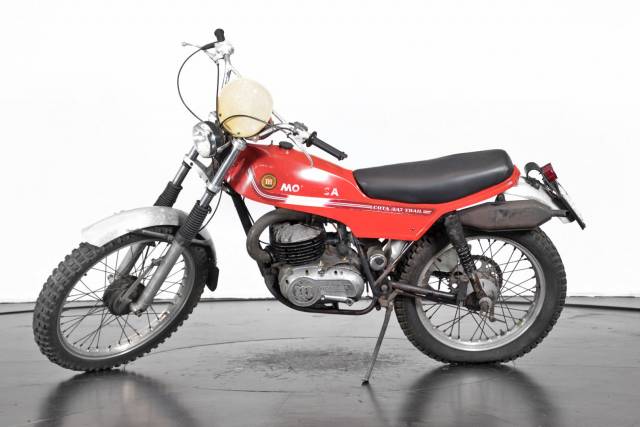
1977 | Montesa Cota 247
History & Heritage
Montesa is one of the most distinctive names in Spanish motorcycling history, and for Australian collectors it offers something a little different from the usual British, Japanese, or Italian classics. The brand was born in Barcelona in the mid-1940s, at a time when Spain’s motor industry was rebuilding itself with limited resources and a strong appetite for competition. That background matters, because Montesa never became a mass-market brand in the sense of producing endless road bikes for the suburbs. Instead, it built a reputation on light weight, clever chassis design, and a hard-edged sporting identity that made sense in trials paddocks, motocross grids, and on rough back roads.
For buyers in Australia, Montesa’s appeal is partly technical and partly cultural. The technical side is obvious: many classic Montesas are simple air-cooled two-strokes with compact dimensions and manageable weight, which makes them attractive to riders who want a bike that can still be used. The cultural side is just as important: Montesa sits in the same broad collector conversation as Bultaco, Ossa, and early Sherpa-era Spanish off-road bikes, but it has its own following and its own look. That gives it a niche that is big enough to matter, yet still rare enough to feel special.
Montesa’s key story is really a story of focus. In the 1960s and 1970s, the brand moved from road-going machines such as the Impala into more specialised off-road territory. The Impala was the elegant all-rounder, the Cota line became the defining trials family, and the Cappra range brought sharper motocross intent. Later variants such as the Cota 348, Cota 349, and Cota 247 gave the brand a deep bench of collectible models for different tastes and budgets. That breadth is one reason Montesa remains interesting today: buyers can chase a restored show bike, a patinated rider, or a project with honest original parts.
In modern terms, Montesa is also unusual because the name never vanished. The company later became linked with Honda, and the current Montesa trial machines still carry that heritage forward. For classic buyers, that continuity reinforces confidence in the marque: it is not a forgotten badge with no support network, but a living brand with a long memory.
Highlights & Features
What sets classic Montesas apart is not just what they were built to do, but how they do it. These are motorcycles with compact proportions, clean lines, and a purposeful feel. Even the road models look lean. The trials bikes look almost sculpted around the idea of losing weight everywhere possible without sacrificing control.
The Cota 247 is probably the best known classic Montesa for many Australian enthusiasts. It sits at the sweet spot where vintage trials style, practical size, and recognisable Spanish character all meet. The bike is light, narrow, and easy to place in tight sections. It is also one of the models most likely to attract both serious collectors and riders who want something they can actually take to a club trial or a casual twinshock event.
The Cota 348 and Cota 349 are especially attractive to buyers who want a more developed chassis feel than the earlier 247, while still staying within the classic two-stroke trials world. They represent the maturity of the Montesa formula: simple, athletic, and mechanically honest. If you want a machine that feels like it was built by people who understood real terrain, these are the bikes to watch.
The Cappra models offer a different energy. They are not for riders who want smoothness and delicacy; they are for people who want the rawer side of 1970s motocross. In Australia, that matters because VMX and pre-1980 motocross culture is strong, and rare European two-strokes have real appeal at show-and-go events. A Cappra is the sort of bike that can look right at home in a shed, on a display stand, or thumping around a vintage meet with the right setup.
Another Montesa strength is proportion. Many classic Japanese bikes of the same era were competent but visually busier. Montesa usually kept things tighter and cleaner. The result is a make with a strong silhouette: slim tank, compact engine cases, simple seat unit, and a look that says function first. That honesty has aged well.
Technical Data
Classic Montesas share several traits that buyers should understand. Most use simple carburettor-fed two-strokes, period drum brakes, steel frames, and suspension that prioritises lightness over plushness. That makes them straightforward to service if the bike is complete, but it also means condition matters more than shiny paint.
The best surviving bikes usually have three things in common: correct frame and engine numbers, sensible restoration quality, and an intact parts trail. On a Montesa, originality is valuable, but so is evidence that the bike has been rebuilt using the right internal parts rather than the cheapest available substitutes. A neat restoration with poor mechanical work is far less appealing than a clean rider with a strong engine and honest cosmetics.
Market Overview & Buying Tips
The Australian market for classic Montesa motorcycles is small, but that is exactly why the best examples stand out. Prices are not as inflated as for some British icons, but they are not bargain-bin machines either. A decent Montesa can be found without paying exotic-money, yet rare models and properly sorted restorations can climb quickly once the right buyers notice them.
Recent Australian listings and sales show the market clearly. A 1973 Montesa Cota 247 has appeared around A$4,300, while other Australian listings have shown project or rider-level bikes in the A$2,300–A$4,000 band, depending on completeness and running condition. A Cota 348 has been listed around A$4,000, and a restored or well-finished Cappra 250 can push higher, especially if the bike includes paperwork, spares, or documented work.
For buyers in Australia, that means you should think in tiers:
- Projects / incomplete bikes: roughly A$2,000–A$3,500
- Running rider-quality bikes: roughly A$3,500–A$6,000
- Correct, restored, or rare examples: roughly A$6,000–A$12,000+
The top end depends heavily on model rarity. A tidy Cota 247 with provenance can justify strong money. A rare Cappra, especially one with documentation and period-correct parts, may attract collectors from across the country. Meanwhile, an Impala in original condition can appeal to buyers who want a more road-focused Spanish classic rather than a pure trials machine.
Australian buyers should also think beyond the sticker price. Parts shipping from Spain to Australia can be expensive enough to change the economics of a project. Small orders are manageable, but bulky items, tanks, rims, exhausts, and complete engine assemblies add freight fast. Depending on packaging, courier choice, and customs handling, a modest parts parcel can land comfortably in the low hundreds of AUD once freight and fees are included. Larger or awkward shipments may cost much more. That is why completeness matters: a missing carburettor, ignition cover, or side panel is not just a sourcing problem, it is a shipping problem too.
The upside is that the Montesa parts scene is still active. Spanish specialists, classic trials dealers, and online sellers regularly move consumables, engine internals, decals, and cycle parts. Australian buyers often rely on a mix of local vintage trials networks and overseas suppliers. If you are buying a Montesa here, it is wise to confirm that the hard-to-find pieces are either present on the bike or readily available before you commit.
Buyers should inspect these points closely:
- Engine numbers and frame stamps — check that the numbers are present, legible, and consistent with the bike’s story.
- Cases and welds — repairs around mounts, swingarm points, and footpeg areas can reveal hard use or poor restorations.
- Top-end wear — two-strokes that sit for years often need fresh rings, seals, and bearings, even if they look fine.
- Carburettor condition — corrosion and poor jetting are common after storage.
- Wheels and hubs — rim corrosion, bent spokes, and worn bearings can quickly add cost.
- Documentation — Australian buyers should value import paperwork, ownership trail, and any old registration evidence.
If the bike is being imported from Spain, duty and GST may apply depending on value and classification, plus freight, insurance, customs brokerage, and any biosecurity cleaning. For a classic buyer, that means the landed price can be materially higher than the seller’s asking price. Use that as a negotiating tool, not a surprise.
Performance
Riding a classic Montesa is about precision, not drama for drama’s sake. The best bikes feel nimble, direct, and unusually small in the best possible way. On a trials loop, that matters more than outright horsepower. The bike should let you place a wheel exactly where you want it, recover balance without fighting the chassis, and crawl at low speed with enough engine feel to inspire trust.
The Cota family is where Montesa’s riding character really makes sense. These bikes reward smooth inputs. They are not the sort of machines that want to be hustled like a modern enduro bike. Instead, they like body position, clutch control, and throttle finesse. For Australian club riders this is a big advantage, because twinshock and classic sections are often set up to reward flow and control rather than outright aggression.
The Cota 247 feels especially approachable. Its lighter capacity and compact geometry make it a popular entry point into vintage trials. The Cota 348 and 349 bring a more settled engine note and often feel a little more relaxed when traction gets tricky. Riders who enjoy technical terrain will appreciate how little the bikes demand from the suspension and how much they return in feedback.
By contrast, the Cappra range is more elemental. These are not lazy bikes. They come alive when ridden with commitment, and they reward riders who understand period motocross timing. On a fast vintage track or grass track, a Cappra has enough character to make every lap memorable. It may not be the easiest classic to live with, but that is part of the charm.
For Australian conditions, the lighter Montesas make sense on tight bush trails, club trials, and sandy or rocky terrain where balance matters. They are less about long-distance comfort and more about immediate response. That is why many owners keep them for events, not commuting. A Montesa is not trying to be modern. It is trying to be exact.
Design
Montesa design is appealing because it is disciplined. There is little excess on the classic bikes, and that restraint gives them strong visual identity. The brand’s best-known models balance simple tanks, slim side panels, and clean frame lines with a practical Spanish sporting aesthetic.
The Impala introduced a more elegant road-bike language, while the Cota and Cappra families leaned into utility. On the Cota range, the tank shape, seat line, and overall compactness are key. Nothing looks overdrawn. Everything looks chosen. That makes these bikes attractive not just to trials riders, but also to collectors who appreciate industrial design.
Colour also matters. Montesa’s red-and-white identity is part of its recognition value, and many restorations are judged by how well they capture that look without going overboard. Too much gloss can spoil the period feel. Correct decals, black seat trim, period-style controls, and sensible tyres all help preserve the right atmosphere.
For Australian collectors, design has practical consequences too. A well-presented Montesa usually sells faster than a mechanically similar bike with tired cosmetics. That said, over-restoration can work against the bike if it removes evidence of age or replaces original character with generic modern parts. The sweet spot is a tidy, authentic machine that still looks like a classic, not a replica of a classic.
Other
Australia has a strong classic trials culture, and Montesa fits neatly into it. Events run by state clubs, local trials groups, and national vintage bodies give owners a place to ride, swap parts, and compare notes. The AMCA Australia scene is especially relevant for older machines, and state-based trials clubs keep twinshock and classic categories alive across Queensland, New South Wales, Victoria, South Australia, and Western Australia.
That community support matters because classic Montesas are the sort of bikes people talk about before and after events just as much as during them. Owners share jetting tips, sourcing leads, and restoration advice. A bike that might be rare on the street can still feel familiar in the paddock.
If you are buying from Spain, remember the logistical realities. Shipping a motorcycle or major parts order to Australia typically means crating, export paperwork, sea freight, and arrival-side handling. The safest route is usually a specialist motorcycle shipper or import agent. In practical terms, that may mean several weeks of lead time, plus the need to plan for customs clearance, biosecurity inspection, and storage costs if paperwork is incomplete. For a classic Montesa, the goal is not just to get the bike here, but to get it here cleanly and legally.
For Spanish-registered bikes, the import conversation should also include title history, matching numbers, and any local registration records that prove the machine’s identity. The cleaner the paper trail, the easier life becomes at the Australian end. If the seller cannot explain the history clearly, assume extra work and extra cost.
Summary
Montesa classics are a strong fit for Australian buyers who want something light, purposeful, and a little more unusual than the mainstream choices. The Cota 247, Cota 348, Cota 349, Cappra 250, Cappra 360, and even the road-going Impala each offer a different route into Spanish motorcycling history.
If you are looking to Buy a Montesa motorbike in Australia, focus on originality, completeness, and paperwork first, then condition, then cosmetics. Good bikes are out there, but the best ones move quickly and rarely get cheaper after landing in Australia.
Whether you want a trials bike for club use, a VMX machine with attitude, or a well-kept collector piece, Montesa rewards informed buyers. Find the right one, budget for freight and parts, and you will end up with a classic that still feels alive.
Find your Montesa on Classic Trader and discover now.