- Car
- Volkswagen
- Volkswagen Type 4 (0 offers)
Volkswagen Type 4 Classic Cars for Sale
The Volkswagen Type 4, produced between 1968 and 1974, stands out as Wolfsburg’s upmarket answer for families. Available as the 411 and 412 models in saloon and Variant estate forms, the Type 4 is remembered for its air-cooled boxer engines, roominess, and unmistakable styling, attracting enthusiasts looking for originality and a true 1970s driving feel.
Search results
Currently, there are no matching listings for your search.
Create search alert
Let yourself be notified as soon as a listing is published that matches your search filters.
Create listing
Do you have a Volkswagen Type 4 that you want to sell? Then create a listing now.
Create listingVolkswagen Type 4 listing references from Classic Trader
Below you will find listings related to your search that are no longer available on Classic Trader. Use this information to gain insight into availability, value trends, and current pricing for a "Volkswagen Type 4" to make a more informed purchasing decision.
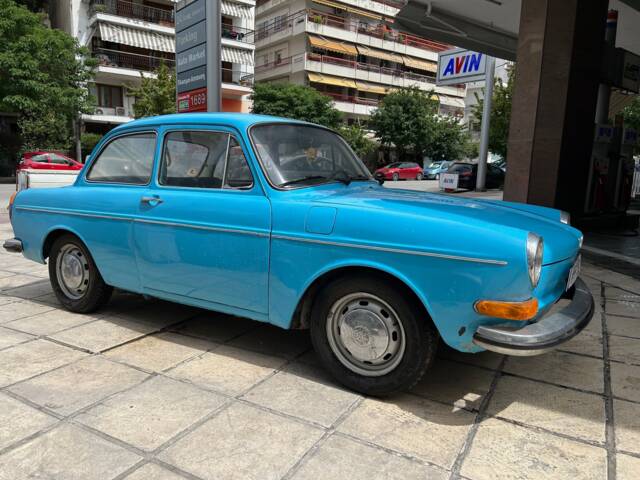
1973 | Volkswagen 412
Volkswagen 1600 L Notchback | 1973 | Route 66 Auctions - For sale by auction. Estimate 5500 EUR

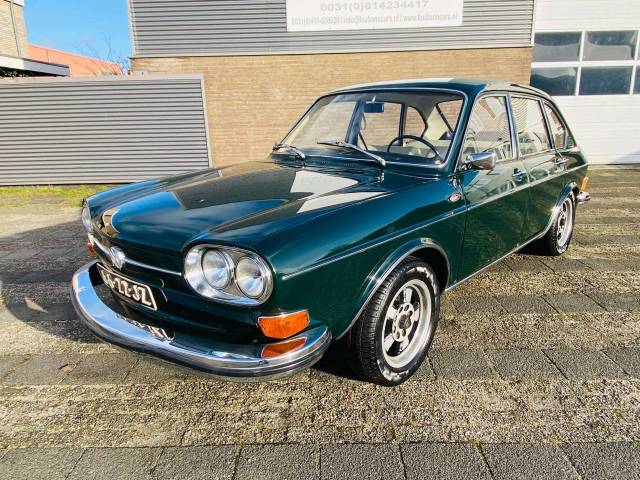
1969 | Volkswagen 411
Volkswagen 411 1969
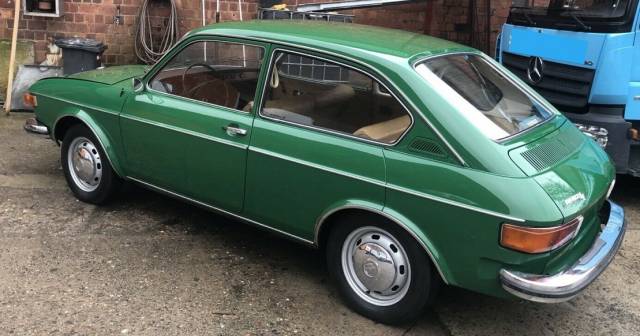
1973 | Volkswagen 412 E
Originaler 412 LE Nasenbär, 1. Hd. mit H-Zulassung, TÜV neu ohne Mängel

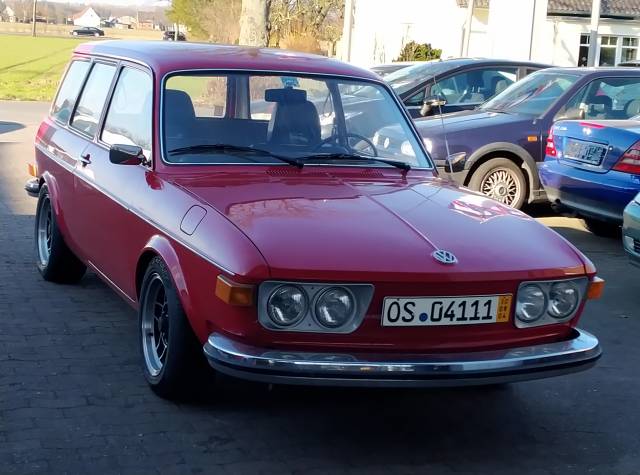
1974 | Volkswagen 412 Variant
H-Kennzeichen vorhanden
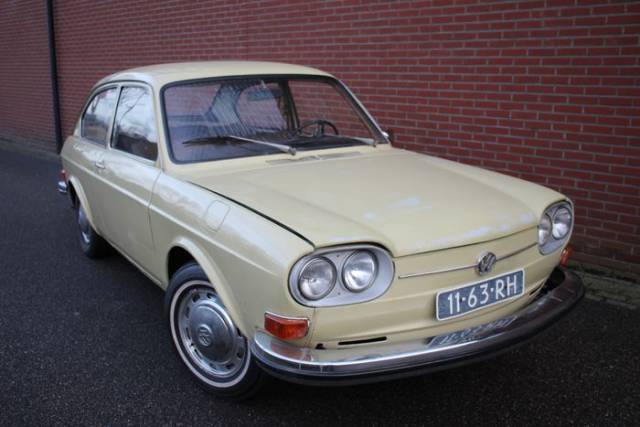
1972 | Volkswagen 411 E
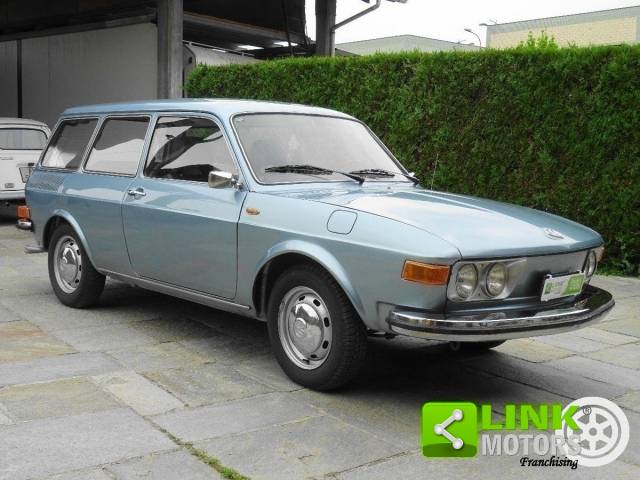
1972 | Volkswagen 412 E Variant
VOLKSWAGEN 412 E VARIANT - RARA 1.8 DA VEDERE!

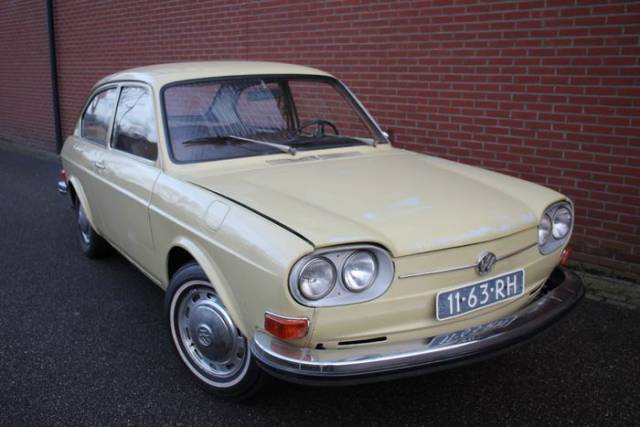
1972 | Volkswagen 411 E
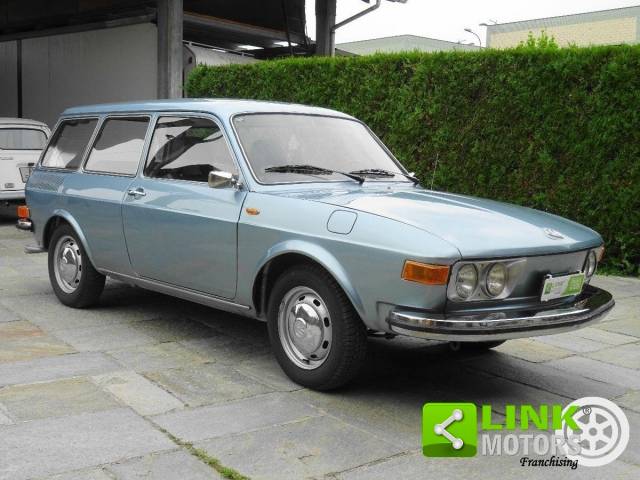
1972 | Volkswagen 412 E Variant
VOLKSWAGEN 412 E VARIANT - RARA 1.8 DA VEDERE!
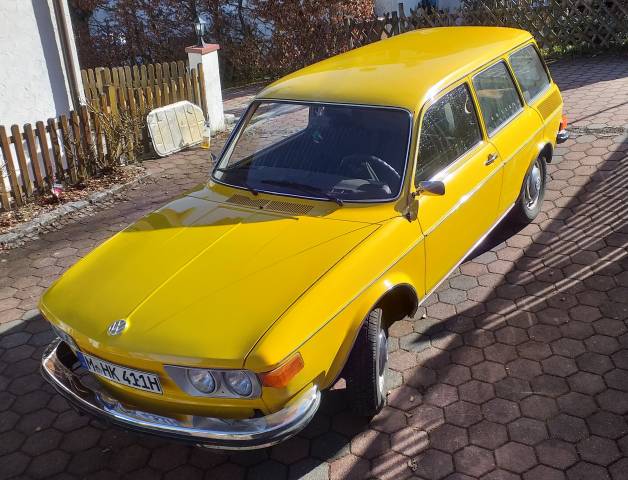
1973 | Volkswagen 412 Variant
412L Automatik
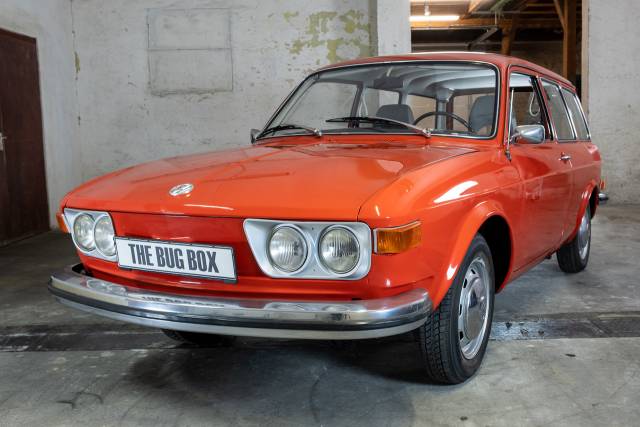
1972 | Volkswagen 412 E Variant
Exceptional condition
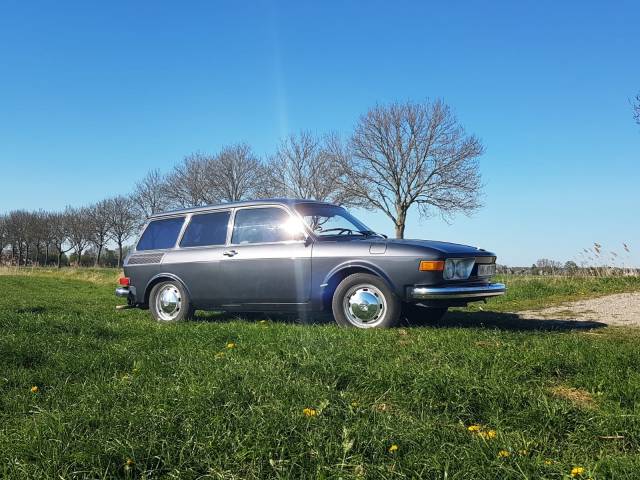
1973 | Volkswagen 412 S Variant
Echte Rarität "Nasenbär"
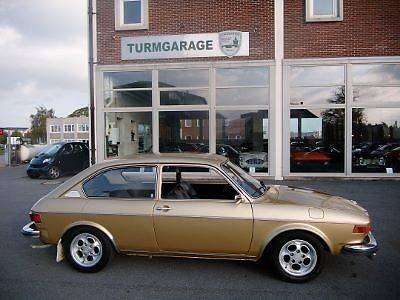
1973 | Volkswagen 412 E
412 LE
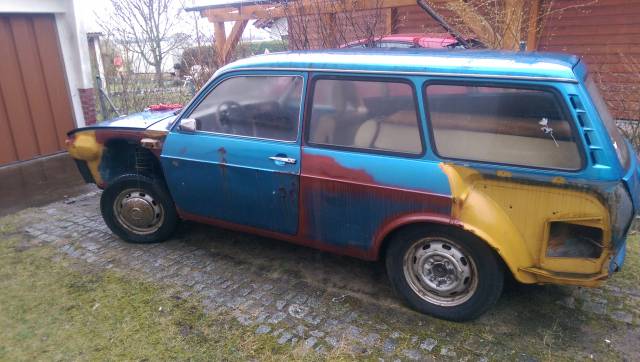
1974 | Volkswagen 412 S Variant
Volkswagen Nasenbär VW 412 Variant
Create search alert
Let yourself be notified as soon as a listing is published that matches your search filters.
Create listing
Do you have a Volkswagen Type 4 that you want to sell? Then create a listing now.
Create listingVolkswagen Type 4 Classic Cars: Prices & Market Values
History of the Volkswagen Type 4
The Volkswagen Type 4 marked VW’s entry into the midsize segment, introducing a distinct departure from its utilitarian roots. Debuting in 1968 as the 411, the car was designed to address the needs of families requiring more space without sacrificing the iconic air-cooled, rear-engine architecture. Innovations included independent suspension with torsion bars, a lower boot floor thanks to a horizontally mounted engine, and a well-sorted ventilation system. In an era dominated by saloon cars, the Type 4 found its audience in those valuing reliability, practicality, and distinctive German engineering. A major update in 1972 created the 412, introducing improvements to styling, cabin trim, and mechanical upgrades, until production ceased in 1974.
Model History: 411 and 412
The Type 4 started as the 411 in 1968, available as a 2- or 4-door sedan, followed by the Variant (estate version). The earliest models used a 1.7-litre air-cooled flat-four with twin carburettors and later adopted electronic fuel injection for increased output. In 1972, the range was refreshed and rebranded as the 412, featuring twin round headlamps, revamped bumpers with rubber inserts, and further cabin enhancements. Engine options evolved to include a 1.8-litre unit with up to 85 hp. The 412 offered both carburettor and fuel injection setups before fuel injection was dropped late in production, with all models ultimately being phased out in 1974.
Highlights and Market Relevance
A signature trait of the Type 4 is its unconventional engineering for the class: air-cooled boxer engines, torsion bar suspension, and rear-wheel drive—unique for a family car of its era. Features like the flat engine layout enabled a particularly low rear load floor. Options such as factory-fitted auxiliary heaters and original paperwork add to the car’s appeal today. The Type 4 is nicknamed "Nasenbär" (coati) due to its distinctive front end. Estate (Variant) models are particularly sought after for their practicality and preservation rates.
Technical Data
Special Editions and Collectible Models
The 411 LE introduced electronic fuel injection—a technical innovation in its time. The 412 "L" trim line included enhanced interior and exterior trim, with some limited production runs for certain markets. Appreciated today are examples in factory-original paint or with original steel wheels and period accessories such as standheating, tow bars, or rare upholstery. Value is often attached to cars with traceable provenance, such as those from first ownership or with full documentation.
Weak Spots and Common Issues
Typical age-related wear on the Type 4 includes rust on door bottoms, wheel arches, and underbody sections. As with many classic Volkswagens, items like the battery, clutch, and brakes are regular service points. Front suspension springs may require replacement due to sagging over time. Many cars have undergone resprays, and mileage records may not always be verifiable. Despite these points, the air-cooled engines usually start easily and run smoothly if regular maintenance is observed. Original parts are generally available, with aftermarket support and documentation (including VW certificates and condition appraisals) accessible for historic registration (H plate in Germany, similar options elsewhere).
Engine and Performance, Transmission and Handling
Performance, even for the era, was modest: the earliest 411 managed 68 hp and a top speed near 150 km/h, and later 412 models edged up to 85 hp (with the 1.8-litre engine) and 154 km/h. The relatively heavy build and focus on comfort penalised acceleration, but the suspension and low centre of gravity contributed to stable, safe handling. Most models feature a 4-speed manual, though automatics were available. Today, many appreciate the car's effortless highway cruising, easy maintenance, and unmistakable air-cooled soundtrack. - VW 412 (Type 412): Most popular among buyers per Classic Trader statistics, representing nearly 60% of listings.
- VW 411 (Type 411): Early model, less common in demand but valued for originality. Both available as saloon and Variant estate.
Interior, Comfort, Exterior, and Design
The Type 4 is notable for its utilitarian yet comfortable interior, combining durable seat upholstery, straightforward instrumentation, and good seating space for its class. The exterior’s design, especially post-1972 with twin round headlamps and robust bumpers, sets the 412 apart. Attention to luggage compartment usability—both in front and rear—was a highlight. Factory accessories such as standheating, tow bars, or period-correct radios enhance appeal. Surviving cars may still wear their original paint or boast era-defining colours ranging from subtle greens to vibrant oranges. The 412 “L” trim stands out for extra chrome and improved interior materials.
Other Notable Features
Many examples feature rare period accessories, including steel or alloy wheels (such as 5.5 x 15 ET 36), original documentation, and auxiliary heating. Historic registration is commonplace, and a number of providers offer expert appraisals and VW certificates. Vehicles delivered new for European markets are most common. Long-term private ownership is prevalent, and many cars come with proof of their history.
Summary
The Volkswagen Type 4 offers a distinctive package in the classic car market: mature engineering, practical body styles, and a unique air-cooled driving feel. The strong demand for the 412 series, paired with robust parts support and the potential for historic registration, underlines its viability as a classic family vehicle with character. Sought after for originality, usability, and engineering, the Type 4 is a compelling contender for those seeking something different from Wolfsburg’s back catalogue.