- Car
- Ultima (2 offers)
Buy Ultima Classic Cars
Ultima combines a British spaceframe chassis, mid-mounted power and low-volume construction in a car that feels much closer to a competition machine than a conventional supercar. For Australian buyers, the right car is defined by its build file, engineering history and registration status as much as by its engine output.
Search results
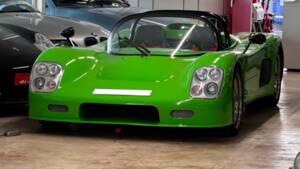
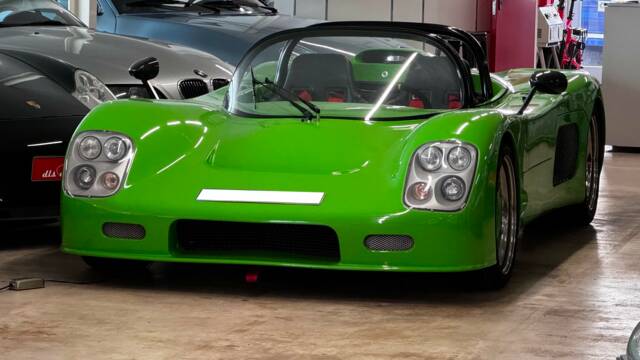
2011 | Ultima Can-Am
ULTIMA CanAm Spider 427V8-LS7 // LHD // road legal with german registration!

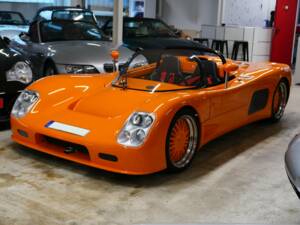
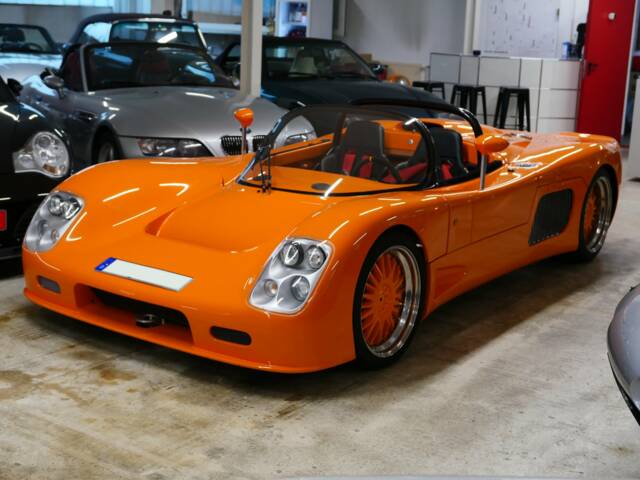
2010 | Ultima GTR 427-LS7
ULTIMA CanAm Spider 427V8-LS7 // LHD // road legal with german registration!
Ultima listing references from Classic Trader
Below you will find listings related to your search that are no longer available on Classic Trader. Use this information to gain insight into availability, value trends, and current pricing for a "Ultima" to make a more informed purchasing decision.
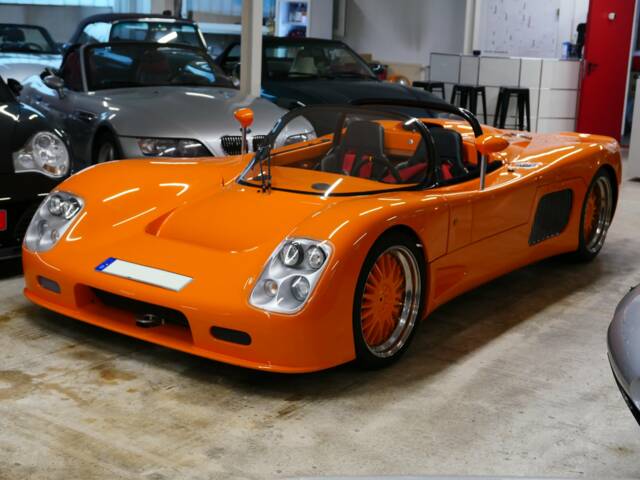
2010 | Ultima GTR 427-LS7
ULTIMA GTR CanAm Spider 427V8-LS7 // LHD // road legal with german registration!
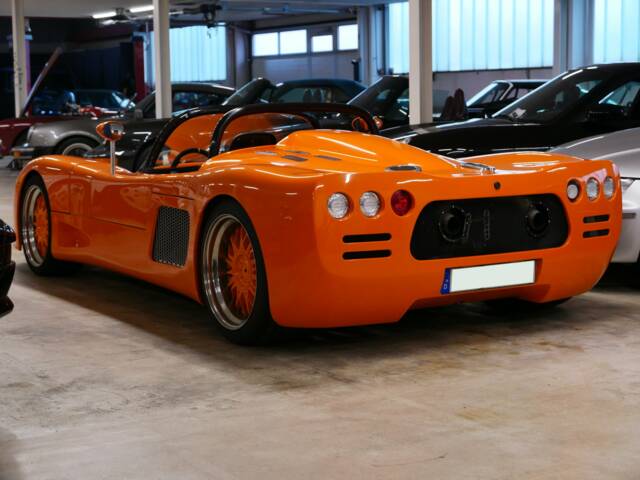
2010 | Ultima GTR 427-LS7
ULTIMA GTR CanAm Spider 427V8-LS7, LHD mit deutscher Straßenzulassung!
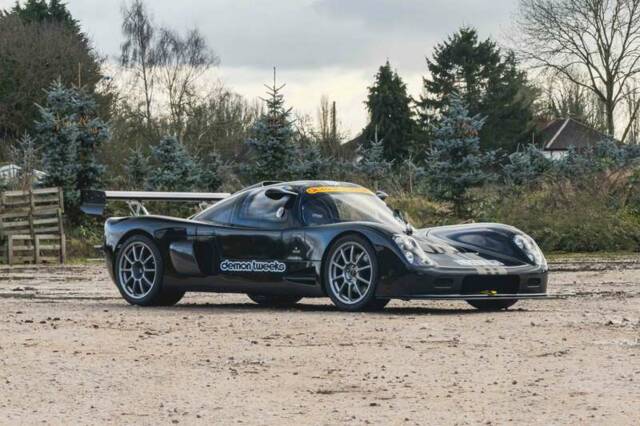
2017 | Ultima GTR 500
**Regretfully Withdrawn**2017 Ultima Evolution LS7

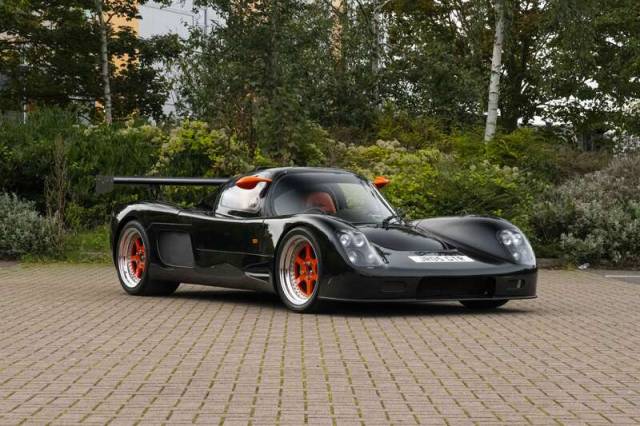
2005 | Ultima GTR
2005 Ultima GTR
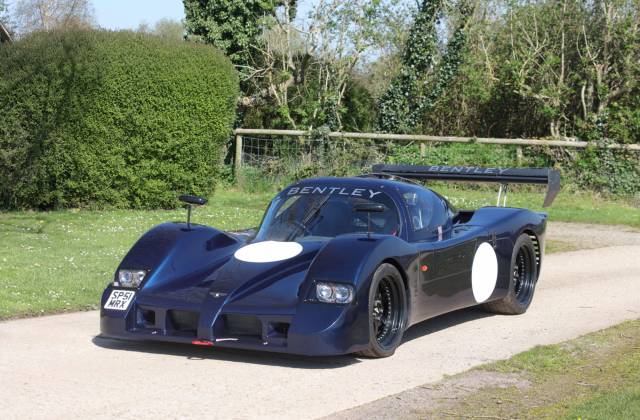
2002 | Ultima GTR
2002 Ultima GTR
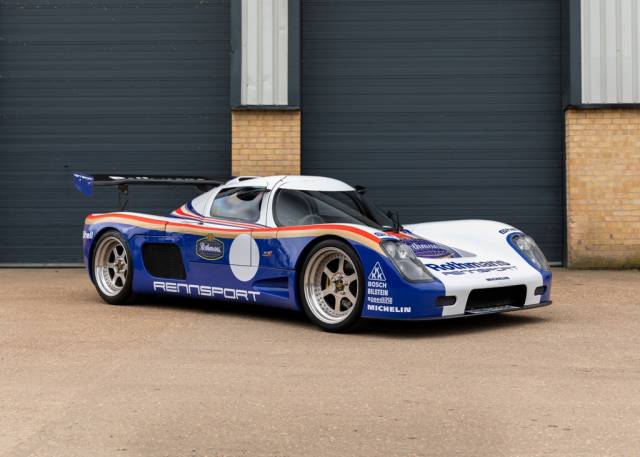
2017 | Ultima GTR
Ultima GTR
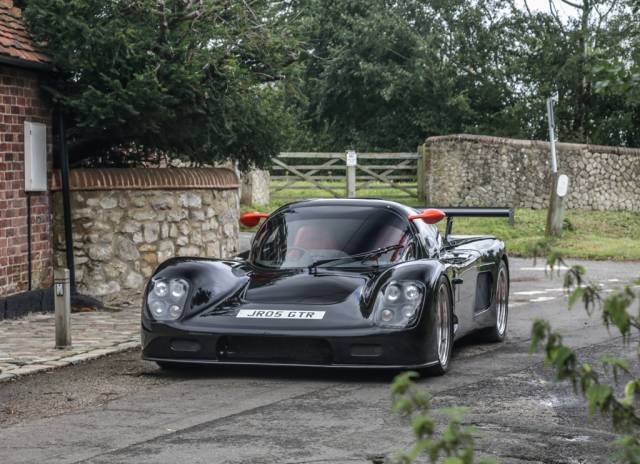
2005 | Ultima GTR Sports
Ultima GTR
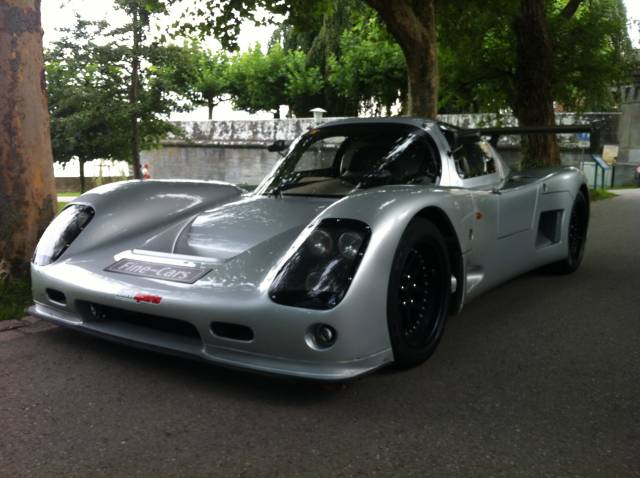
1999 | Ultima GTR
Mit McLaren-Motor 1999, Flügeltüren
History and development of Ultima
The first Ultima was created in 1983 by Lee Noble, before his later Noble marque made its name with production sports cars. Noble Motorsports built the original low, mid-engined coupé around a tubular steel chassis and a glass-reinforced-plastic body. It was an uncompromising idea: put mass between the axles, keep the structure light, use race-derived suspension geometry and leave room for an owner to select the mechanical specification. The Mk1 was a one-off; the Mk2 and Mk3 developed the theme through the 1980s. Contemporary accounts put Mk2 production at only 13 cars, a reminder that these were specialist machines rather than a series-built alternative to a Porsche or Ferrari.
Ted and Richard Marlow acquired the rights in 1992 and established Ultima Sports. Their first generation was marketed as the Ultima Sport, with the open Spyder following shortly afterwards. The company supplied component packages and, in some periods and markets, completed cars. That distinction matters today. An Ultima may have left the factory as a carefully specified turnkey vehicle, as a kit assembled by a professional, or as a long-term home build. Two cars carrying the same badge and registration year can therefore have radically different engines, gearboxes, wiring systems and standards of finish.
The GTR introduced in 1999 gave the marque its most recognisable silhouette. It was not merely a Sport with new panels: Ultima described a comprehensively revised chassis, body, cooling and aerodynamic package. The canopy-like roof, butterfly doors, pronounced wheel arches and rear wing gave it an unmistakable endurance-racer character. The open Can-Am, introduced in 2001, used the same general philosophy with a windscreen rather than a fixed roof. GTR and Can-Am deserve individual consideration when choosing a car, but they are examples of the broader Ultima story rather than substitutes for the marque as a whole.
During the GTR era, Chevrolet V8s became the usual choice, initially small-block engines and later LS-family units. Porsche G50 and Getrag transaxles appear frequently, while other installations exist. Ultima altered chassis details and supplied new component options through the years, including developments intended for later Porsche transmissions. By 2015 the Evolution succeeded the GTR and Can-Am, followed by the more extensively redesigned RS. The continuity lies in the layout rather than a fixed catalogue specification: a light, rear-wheel-drive British supercar whose final character is determined by the person who specified and assembled it.
What makes an Ultima special
An Ultima is built around a tubular steel spaceframe, double-wishbone suspension, GRP bodywork and a central engine position. It is a refreshingly direct formula. The body is not carrying the loads; the frame, suspension pick-up points and their welding quality are. That makes an Ultima unusually revealing on the road. A well-built car can feel compact, planted and remarkably immediate, while a poorly aligned, poorly cooled or loosely finished one will quickly lose its appeal.
The component-car heritage is central to that appeal, not an embarrassment to be glossed over. A knowledgeable builder could choose an engine, gearbox, brake package, dampers, wheels, seats and electronics to suit touring, sprints or circuit work. It also means a claimed figure such as “700 hp” tells a buyer very little by itself. The useful questions are: which engine, who built it, what is the compression ratio and fuel system, how is it cooled and lubricated, what torque can the transaxle handle, and does the documentation support the specification? A modestly powered, well-sorted car with a complete engineering file can be the much better purchase.
The spectacular performance claims attached to the GTR 640 and GTR 720 helped make the name familiar internationally during the 2000s. Those factory-associated record cars should not be treated as a specification sheet for every GTR. Many Australian cars have been built, developed or changed locally, often with locally sourced Chevrolet parts and specialist fabrication. A buyer should treat every Ultima as an individual vehicle and test its evidence, not its advertising vocabulary.
For an Australian enthusiast, that individuality also has practical value. A GTR or Can-Am with a clear Australian compliance or engineering trail can be far easier to enjoy than an apparently cheaper UK car whose approval route has not been established. Conversely, a track-only Ultima can be an excellent circuit purchase, but it must never be priced or insured as though road registration is automatic.
Technical data and model overview
The table below summarises typical period information. It is not a specification for every Ultima: engine, transmission, output, mass and even completion date vary substantially between individual cars.
A period GTR with a 5.7-litre Chevrolet V8 was quoted with 345 hp, a five-speed manual gearbox and approximately 990 kg kerb weight. Its published dimensions were about 4,000 mm long, 1,850 mm wide and 1,070 mm high. Even that entry-level context produces serious acceleration because there is so little mass to move. An LS3, LS7 or stroked small-block installation can offer a completely different experience, but demands corresponding evidence for brakes, tyres, drive shafts, clutch and transaxle.
When checking a listing, distinguish the age of the chassis from the date it was first registered, the age of the engine and the date of an upgrade. A 2014-registered Ultima might contain an earlier kit, a later replacement engine and modifications completed in several stages. VIN or chassis number, engine number, registration papers and invoices should form a coherent story. If they do not, pause before assuming the difference is harmless.
Market overview and buying tips
The Australian Ultima market is small, so condition and legal status matter more than a simple model-year guide. Historic my105 records list Australian GTR advertisements between A$119,000 and A$175,000, while a recent Can-Am listing was advertised at A$185,000. These are asking-price and archived-listing references, not an index or a valuation. They do, however, show why a locally registered and engineered example can command a meaningful premium over a rolling chassis, incomplete kit or competition-only car.
International results provide useful context but cannot be converted directly into an Australian price. A 2014 GTR sold through Collecting Cars for £57,000 in February 2024, a 2022 GTR sold in the United States for US$91,600 in March 2024, and a documented 2020 RS sold for £127,000. Each had its own specification, location, sale method and history. Freight, insurance, broker charges, wharf handling, cleaning, compliance work and state registration can change the landed result markedly. Treat overseas sales as individual comparisons, then price the Australian car in front of you.
Importing before buying: an imported road vehicle requires the appropriate Australian Government import approval before shipment. The Department of Infrastructure uses the ROVER system, and its process advises buyers to allow for approval, customs, biosecurity, modification, testing and state or territory registration. A vehicle more than 25 years old may fit the older-vehicle concessional RAV-entry pathway if it meets the relevant criteria, but a newer Ultima does not gain that pathway merely because its design looks like an older racing car. A new replica or a project needing major work should not be assumed eligible under the older-vehicle concession.
An import approval is not registration. Depending on the vehicle and pathway, approval conditions may call for compliance evidence, modifications, testing or entry on the Register of Approved Vehicles (RAV). State and territory authorities then apply their own registration and engineering processes. A component-built or significantly altered Ultima should be discussed with an accredited engineer and the intended registration authority before money changes hands. Ask for written guidance based on the exact chassis, build date, engine and destination state; advice given for another Ultima, another engine or another era is not a guarantee.
Budget the landing costs separately: Australian Border Force says Customs clearance can involve duty, 10 per cent GST, Luxury Car Tax where applicable, import-processing and logistics charges. GST is generally calculated on the taxable importation value, not simply on the auction hammer price. Luxury Car Tax applies to qualifying passenger vehicles over the applicable threshold; the 2026–27 threshold is A$80,809 and the rate is 33 per cent on the amount above it. Eligibility, customs classification and exemptions are fact-specific, so a customs broker should calculate the actual liability before bidding. Pre-shipment cleaning, freight insurance, storage, delivery, asbestos checks where relevant, broker fees and biosecurity inspection or treatment can all add to the total.
Clean the car thoroughly before it leaves overseas. Australian biosecurity attention can be triggered by soil, plant material, insects and contamination around wheel arches, undertrays, radiators, interior carpets and the container itself. A spotless underside and photographic pre-shipment record are inexpensive protection against avoidable delay and cleaning charges. If the Ultima has air conditioning, confirm the refrigerant system and any import requirements early rather than discovering an issue at the port.
Chassis and body: inspect the spaceframe with the underbody panels and removable trim opened where practical and agreed with the vendor. Look for corrosion in lower rails, suspension pick-up areas, bulkhead, front cooling structure and rear frame; distorted tubes, fresh powder coating and unrecorded weld repairs deserve expert assessment. The GRP body can hide star cracks, stress fractures, poorly feathered accident repairs and heat damage. Uneven panel gaps are not automatically fatal on a hand-built car, but need an explanation. Check the condition and mounting of the doors, screens, hinges, latches and front splitter as well.
Engine and cooling: establish the exact engine identity instead of accepting “Chev V8”. A carburetted small-block, LS1, LS3, LS7 and supercharged LSX pose different questions. Request build invoices, ECU calibration details, dyno records and evidence of oil changes. Observe a genuine cold start, oil pressure, idle stability and coolant temperature in traffic, not only a brief drive. Examine radiators, fans, pipes running through the chassis, expansion tank, fuel lines, tank, filters and heat shielding. On a high-output car, a dry-sump system and its hose routing deserve especially close attention.
Transmission, suspension and brakes: Porsche G50, later Porsche-family and Getrag transaxles are expensive assemblies. Listen for rumble, crunching, difficult selection and clutch slip once hot, and check the adaptor and driveshaft arrangement. Inspect wishbones, rose joints, bushes, dampers, spring seats, wheel bearings and tyres for age and clearance. A road-registered car should have brakes appropriate to its actual power and mass, with a credible record for calipers, discs, master cylinders, hoses and balance. Competition harnesses, seats, fire systems and cages are assets only when their installation, expiry and road legality are understood.
Documents and provenance: the most reassuring file includes the chassis number, overseas registration history if applicable, Australian approval and engineering documents, registration papers, receipts for major components, builder photographs, wiring diagrams and service invoices. For a car already registered in Australia, compare the current engine and lighting configuration with the paperwork. Confirm whether its registration is current and transferable, and whether modifications made after approval were signed off. Insurance should be approached before settlement: agreed-value cover, usage, storage and track-day exclusions can be more consequential than for a mainstream classic.
Parts supply is mixed. Chevrolet engine consumables can be accessible in Australia, but the specific sump, headers, ECU, bellhousing, clutch, cooling layout and wiring loom may be one-off choices. Body, chassis and Ultima-specific trim parts require contact with Ultima or established specialists. A detailed parts list and the builder's contact network are tangible value, particularly for a car assembled many years ago.
Driving an Ultima
An Ultima makes its point before the engine starts. You sit low between wide sills, see the front wheel arches and look through a narrow, purposeful cabin. Controls vary by builder: one car may have a relatively civil road interior, another an aluminium-lined cockpit with competition switches and very little sound insulation. The engine is immediately behind the seats, so mechanical noise, heat and vibration are part of the experience rather than faults to be entirely eliminated.
On a properly aligned car, the steering feels immediate and the low centre of gravity makes direction changes strikingly crisp. A long wheelbase and broad track can give stability at speed, but huge torque in a light, rear-drive vehicle requires mature inputs. The reward is connection: throttle response, brake pressure and tyre load are communicated without many layers of electronic filtering. A Sport or Spyder with moderate power can be deeply satisfying on a winding road; a heavily developed GTR or Can-Am asks more of its driver and generally has less tolerance for neglected set-up.
Try the practical parts of ownership during an inspection. Check sight lines, pedal spacing, steering-wheel position, turning circle, clutch weight, cabin ventilation, ground clearance and the ability to enter a driveway without damaging the nose. Australian summer traffic will test cooling and cockpit heat more honestly than a short winter demonstration. The right Ultima is not necessarily the quickest one; it is the one whose driving position, thermal management and mechanical behaviour match the trips its next owner will actually make.
Design and construction
Ultima design follows airflow, cooling and packaging rather than nostalgia. The early Mk cars were severe, compact shapes; the Sport and Spyder made the concept more usable without diluting the mid-engine proportion. The GTR then made the functional elements highly visible: low nose, large intake openings, pronounced rear haunches, side cooling paths and a tail built around aero assistance. The Can-Am removes the roof but retains that deliberate, prototype-influenced stance.
Under the GRP surface, construction quality separates the exceptional cars from the merely dramatic ones. Good panel fit, tidy hose and cable runs, securely fabricated brackets and accessible service work are signs of thoughtful assembly. A gleaming paint finish should never distract from the chassis, fluid lines and electrical installation beneath it. In this marque, the best cars are as convincing on a hoist as they are at the kerb.
Summary
An Ultima classic car suits an Australian buyer seeking a British specialist machine with authentic mid-engine architecture and unusually direct performance. Mk3, Sport, Spyder, GTR, Can-Am, Evolution and RS all express the same core values of low mass, strong structure and individual specification.
Buy the documented car, not the biggest claimed power figure. Australian registration or a thoroughly verified import and engineering route, a sound spaceframe, a matched drivetrain and a comprehensive build file are the foundations of a rewarding Ultima. With those in place, it can be a distinctive road and track companion rather than an expensive unfinished compliance exercise.