Toyota Cressida classic cars for sale
The Toyota Cressida, produced from 1976, stands for refined mid-size engineering paired with reliable Japanese technology. This model series is known for its characteristic design, advanced comfort features for its era, and notable durability. Well maintained examples are appreciated by those seeking understated class and robust engineering in a classic sedan.
Search results
Currently, there are no matching listings for your search.
Create search alert
Let yourself be notified as soon as a listing is published that matches your search filters.
Create listing
Do you have a Toyota Cressida that you want to sell? Then create a listing now.
Create listingToyota Cressida listing references from Classic Trader
Below you will find listings related to your search that are no longer available on Classic Trader. Use this information to gain insight into availability, value trends, and current pricing for a "Toyota Cressida" to make a more informed purchasing decision.
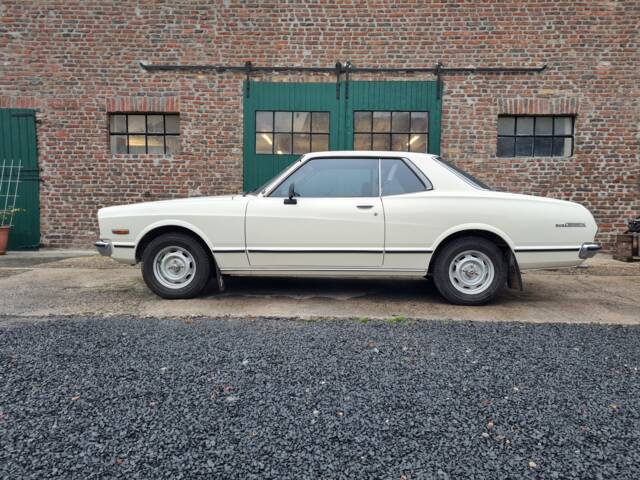
1977 | Toyota Cressida
Toyota Cressida Coupé RX30 from collection

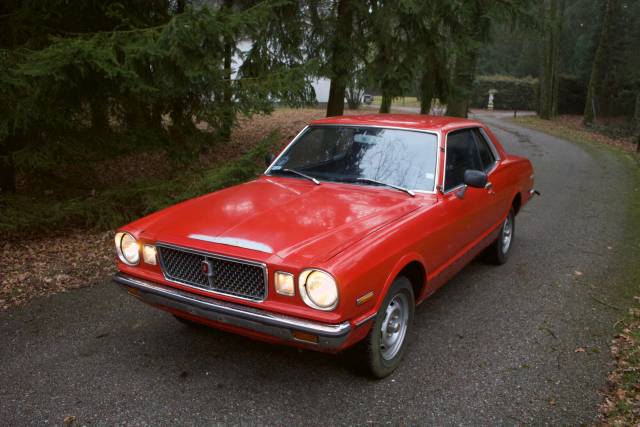
1978 | Toyota Cressida

Create search alert
Let yourself be notified as soon as a listing is published that matches your search filters.
Create listing
Do you have a Toyota Cressida that you want to sell? Then create a listing now.
Create listingToyota Cressida Classic Cars: Prices & Market Values
History of the Toyota Cressida
The Toyota Cressida was introduced in 1976 as an export version of the Toyota Mark II, marking Toyota’s ambition to carve out a space in the segment for well-equipped, mid-size sedans internationally. While the Mark II nameplate remained in Japan, the Cressida ran through four generations until 1992, always assembled with meticulous care at the Motomachi plant in Aichi, Japan, with some later models made in Toyota Motor Kyushu and select overseas locations. Rooted in rear-wheel-drive architecture, the Cressida was aimed at offering a comfortable ride combined with advanced mechanical durability, turning it into a popular option for those seeking longevity and quiet elegance in daily use. After the final generation, the Cressida left the US market, with the Toyota Avalon taking its place, signaling a shift to front-wheel-drive platforms in Toyota’s international lineup.
Model history of the Toyota Cressida
Across its lifespan, the Cressida evolved from the RX30 series launched in 1976 to later generations, each iteration incrementally adding refinements and new engine technologies. The RX30 series was produced until 1980 and is especially noted for its distinctive lines and superior comfort features for its class. Notably, the Cressida’s coupé variant attracted enthusiasts due to its blend of sporting character and daily drivability. The Cressida’s roots are in the Toyota Corona Mark II, which paved the way for the sedan’s enhanced comfort and higher-grade equipment when it launched. The last Cressidas retained rear-wheel drive before Toyota shifted this size segment to front-wheel drive with the Avalon.
Highlights and Particularities of the Toyota Cressida
The Toyota Cressida distinguished itself with several noteworthy features. It combined understated styling with advanced cabin features—power windows, plush upholstery, and smooth inline-six engines were characteristic of upper trims. Its engineering focused on long-lasting reliability and a smooth, quiet ride. Particular attention was given to suspension comfort, facilitating an almost floaty ride quality appreciated by those valuing travel comfort.
Technical data for the Toyota Cressida
Special editions and collectible Toyota Cressida models
The Cressida coupe, particularly from the RX30 series, stands out for its blending of sporty dynamics and daily usability. While not commonly available in all export markets, this body style is especially valued by collectors seeking a rare variant with a unique character. Limited editions and performance-focused trims, where offered, were characterised by distinctive upholstery, alloy wheels and additional convenience features.
Engines, Performance, Transmission and Handling
Performance was one of the Cressida’s quieter strengths: straight-six engines offered smooth, linear power delivery and were praised for their refinement rather than outright performance. Handling was geared towards longitudinal stability and ride comfort, benefitting from rear-wheel drive chassis engineering developed over generations of Toyota sedans. Gearboxes ranged from robust automatics to precise manuals, though most customers opted for the former due to its suitability for comfortable daily driving. The Cressida’s effortless cruising manners make it particularly appealing as a relaxed, period-correct sedan for longer trips. Standout models include the RX30 coupé for enthusiasts prioritising lines and rarity, and the final-generation Cressida sedans for refined mechanicals and comprehensive equipment
Design, interior and exterior highlights
The Cressida’s design is all about subtle elegance, with clean geometric lines and proportions that reflect late 70s and 80s Japanese tastes for understated statement. The RX30 generation, for example, is instantly recognised for its straight-edged silhouette and finely detailed chrome accents. Interiors featured soft-touch materials—a relative novelty for the time—alongside optional wood trim and plush velour seats. The dashboard was ergonomically oriented, catering for comfort over all-out flair. Special equipment often included air conditioning, power steering and for higher trims, generous instrumentation with analog displays. Uncommon paint colours and two-tone options further added to the Cressida’s period charm.
Summary of the Toyota Cressida classic car
As a used classic, the Toyota Cressida stands out thanks to its reputation for lasting reliability, unflashy sophistication and advanced comfort features for its era. Its all-rounder qualities, from comfortable ride to straightforward mechanicals, make the Cressida an attractive choice among Japanese sedans with an international history. Current market activity highlights strong supply and demand for the model within our inventory, underscoring its continued appeal among classic car buyers.