Toyota Carina classic cars for sale
The Toyota Carina stands out as a Japanese classic seldom seen on UK roads, notable for its range of body styles and robust engineering. Produced between 1970 and 2001 and available in versions from the simple saloon to rare coupés, the Carina offers a distinctive blend of reliability and individuality. Genuine examples regularly feature original interiors, unique trims, and period-typical features such as moosgreen paintwork or factory radios—elements highly valued by collectors.
Search results
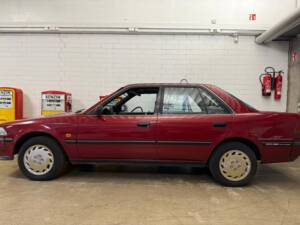
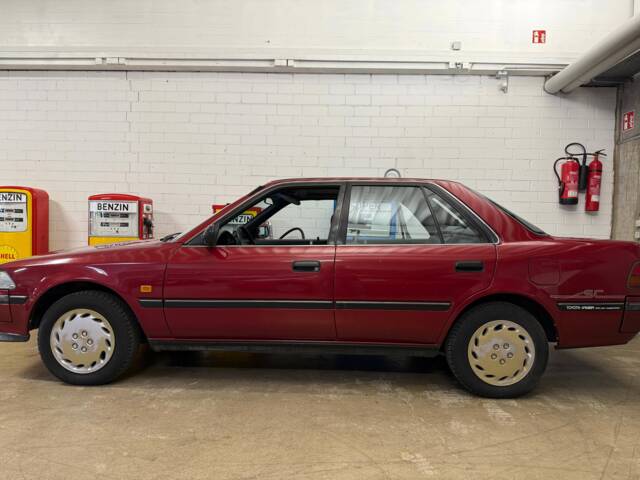
1992 | Toyota Carina 2
Toyota Carina

Toyota Carina listing references from Classic Trader
Below you will find listings related to your search that are no longer available on Classic Trader. Use this information to gain insight into availability, value trends, and current pricing for a "Toyota Carina" to make a more informed purchasing decision.
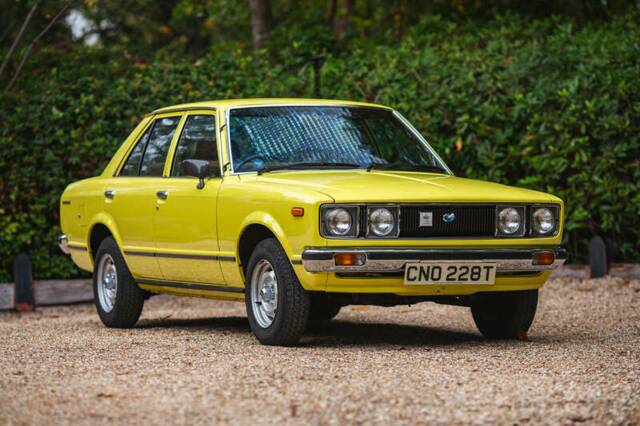
1978 | Toyota Carina
1978 Toyota Carina - 22,697 Miles

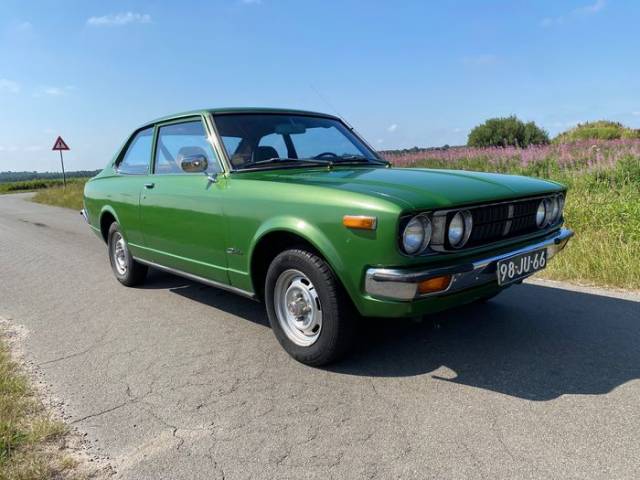
1976 | Toyota Carina

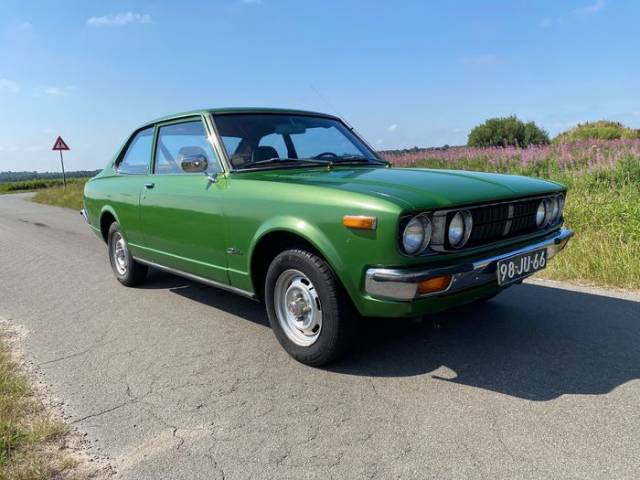
1976 | Toyota Carina
Toyota Carina Classic Cars: Prices & Market Values
History of the Toyota Carina
The Toyota Carina first rolled off the production lines in December 1970, aimed at the Japanese youth market as the sedan sibling to the sporty Celica, with which it initially shared a platform. The early generations were characterised by their angular styling and a focus on rear-wheel-drive performance. Unlike many contemporaries, the Carina evolved through several significant changes during its three-decade lifespan, including shifts to the Corona platform and, eventually, a move to front-wheel drive in later models. In Japan, sales remained exclusive to Toyota Store dealerships, and the Carina was never officially marketed in the United Kingdom—adding to its mystique among European enthusiasts. Replacement by the Toyota Allion in Japan and by the Avensis in Europe marked the end of the Carina line in 2001.
Model history
The Carina's first generation (A12, 1970–1975) set its tone, available as two- and four-door models with 1.4 to 2.0-litre petrol engines. The second generation (A14, 1975–1977) reduced the sportiness and offered revised styling, as well as a lengthened wheelbase. The third generation (A4, 1977–1982) introduced estate versions, and in 1980, a five-speed gearbox was added. The fourth generation (A4, 1982–1988) was distinguished by sharper lines and improved mechanicals, with options for diesel engines and, for Europe, the introduction of the Carina II (T15) with front-wheel drive and a liftback body style. The T17 (1988–1992) offered higher-output engines and catalysed variants, culminating in the larger Carina E for Europe, available with both petrol and diesel engines. The model's coherence across decades is reflected in mechanical interchangeability and consistent reliability.
Highlights and unique features
The Carina presents a set of features that mark it out in the Japanese classic market: factory-fitted air conditioning (rare in its class), four-link rear suspension for improved handling, and combinations like disc brakes up front with rear drums for balanced stopping power. Many cars survive with unique interior trims, dealer stickers, and original radios—the kind of provenance collectors seek. Options such as the deluxe trim ('Carina de Luxe') provided additional comfort and stylish details. Original accessories, including hard-to-find bumper trims and side mouldings, are often present on well-kept examples. Restoration projects benefit from decent parts availability, especially for core mechanicals.
Technical data
Special Editions and Collectible Models
Coupé versions, as well as models in rare colourways such as moosgreen or specific limited 'de Luxe' trims, are particularly sought after, as well as Japanese Domestic Market (JDM) imports never officially sold in the UK. Cars with original documentation, dealer stickers, and unique original accessories such as the Carina de Luxe and early liftbacks maintain extra appeal among collectors seeking authenticity and rarity.
Weak spots and common issues
The Carina is renowned for solid engineering and straightforward maintenance, with good parts availability for mechanical wear components like brake pads, shock absorbers, and rubber mounts. Owners should, however, closely inspect the chassis for rust—despite factory corrosion protection, additional underbody treatments (such as Dinitrol) are recommended. The interiors, although often well-preserved, may show wear on original textiles and seat covers; replacements are generally possible. Electronics, such as horn, wipers and lights, are relatively robust but can suffer from ageing connections. Some models lack power steering and advanced safety systems, reflecting their period origins.
Engine and Performance, Transmission and Handling
Most Carinas are powered by dependable inline-four petrol engines, with displacements from 1.4 to 2.0 litres, offering usable torque and reliable running. Early A12 models deliver between 79hp and 86hp, while later T19 versions offered up to 121hp, with specific two-litre and lean-burn units available in the last generations. Gearbox options included a smooth-shifting five-speed manual or, less commonly, an automatic, both contributing to surprisingly lively handling for the class. Rear-wheel drive dominates in classic examples, delivering balanced driving characteristics enhanced by the four-link rear suspension. Later European Carinas with the T19 code, which account for the bulk of current demand, feature more refined engines and increased comfort. Diesel options and liftback versions also exist, providing a broad choice within the range. 1. Toyota Carina T19: 84.7% of listing views, reflects strongest market interest. 2. Toyota Carina A12: Early, collector-targeted with 15.3% of demand.
Notable specifications: 1.6L to 2.0L petrol engines, rear-wheel drive, air conditioning, classic interior trims.
Interior, Comfort, Exterior and Design
Early Carinas feature clean, angular exterior lines distinguished by chrome bumper bars, ornamental side mouldings, and classic wheel covers. Interiors often retain original fabric upholstery with period seat patterns and matching headlining. Several survivor cars display well-kept dashboard trim and classic instrument clusters, often accompanied by the factory radio. Regional distinctions include Japanese Domestic Market configurations and the occasional rare coupe body. Optional extras include air conditioning, unique paint finishes—such as Electric Blue as an aftermarket respray—plus rare dealer and country-specific accessories. Restoration and originality are highly regarded, with NOS (new old stock) trim and original surface finishes enhancing collectibility. Interior features such as textile seat covers, factory steering wheels, and period electronic accessories round out the appeal for enthusiasts.
Other relevant features
Original documentation, including manuals, service records, and historic invoices, frequently accompany well-preserved Carinas and are crucial for verifying originality. Many cars retain original dealer advertising decals, and the vehicle identification number enables precise model identification. The robust mechanicals allow the Carina to keep pace in modern traffic, and replacements—such as alternative engines or gearboxes—are not uncommon, particularly in ongoing restoration projects. Some vehicles may be found as right-hand-drive Japanese imports or sourced from European markets, especially the Netherlands.
Summary
The Toyota Carina series delivers a mix of rare Japanese heritage, mechanical durability, and period-specific design, reflected in sustained collector interest and strong demand for T19 models. Buyers seeking authenticity should look for original interiors, factory features, and good historical documentation. While rust protection and the condition of interiors deserve attention, the Carina remains one of the more accessible and practical classic Toyotas for enthusiasts in the European market.