Toyota 4Runner Classic Cars for Sale
The Toyota 4Runner merges off-road capability with everyday usability, combining robust mechanics, a flexible interior, and a distinctively rugged look. Explore a model that evolved from a Hilux-based shell into a stand-alone SUV legend, available both as daily drivers and sought-after veteran off-roaders.
Search results
Currently, there are no matching listings for your search.
Create search alert
Let yourself be notified as soon as a listing is published that matches your search filters.
Create listing
Do you have a Toyota 4Runner that you want to sell? Then create a listing now.
Create listingToyota 4Runner listing references from Classic Trader
Below you will find listings related to your search that are no longer available on Classic Trader. Use this information to gain insight into availability, value trends, and current pricing for a "Toyota 4Runner" to make a more informed purchasing decision.
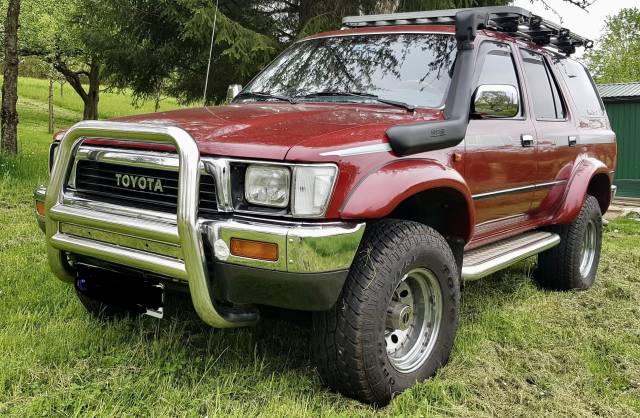
1991 | Toyota 4Runner
H-Kennzeichen, PRINS Gasanlage

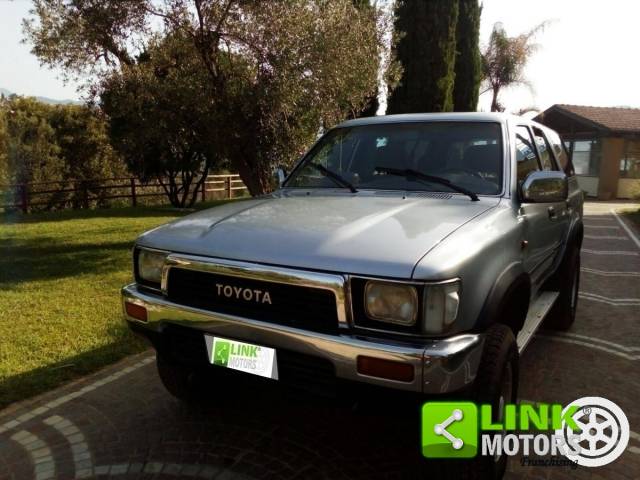
1991 | Toyota 4Runner
Toyota 4 Runner 2.4 Turbodiesel 5 Porte UNICO PROPRIETARIO!!!

1991 | Toyota 4Runner
Toyota 4 Runner 2.4 Turbodiesel 5 Porte UNICO PROPRIETARIO!!!
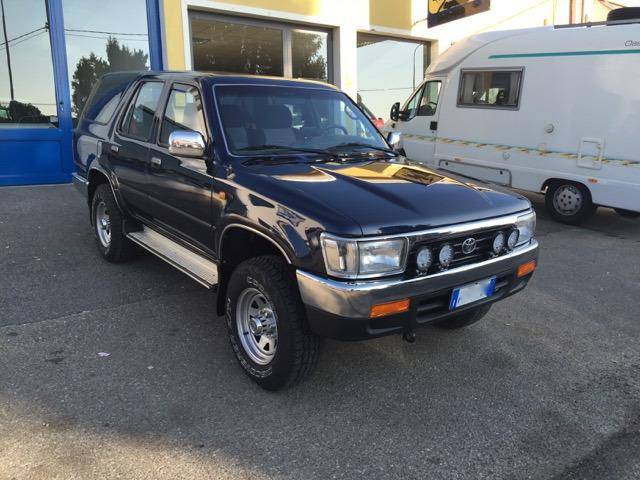
1993 | Toyota 4Runner
Toyota 4-Runner 2.4 turbodiesel 5 porte
Create search alert
Let yourself be notified as soon as a listing is published that matches your search filters.
Create listing
Do you have a Toyota 4Runner that you want to sell? Then create a listing now.
Create listingToyota 4Runner Classic Cars: Prices & Market Values
History of the Toyota 4Runner
Toyota launched the 4Runner in 1984, originally as a practical adaptation of the Hilux pickup. Early models featured a removable fibreglass rear shell, clearly revealing their pickup origins. Over the years, the 4Runner developed its own identity, evolving into a true SUV. Built exclusively in Japan—at Toyota’s Tahara, Aichi, and Hino’s Hamura facilities—the 4Runner quickly gained recognition for combining Japanese reliability with genuine off-road credentials. While the model was marketed globally, Japanese domestic sales under the "Hilux Surf" badge ended in 2009. Through its generations, the 4Runner consistently delivered all-terrain prowess and everyday practicality, creating a loyal following among off-road enthusiasts and families alike.
Model Series Evolution
The first 4Runner generation (from 1984) was based closely on the Toyota Hilux, making use of nearly identical mechanicals and a simple body-on-frame construction. Over subsequent generations, the 4Runner transformed—progressing from its origins as a compact, utilitarian SUV into a mid-sized, more refined vehicle. Major changes included upgrades to interior quality, improved safety features, enhanced all-wheel-drive systems, and the introduction of features such as power windows, central locking, and sunroofs. Although newer generations offered greater comfort and technology, the core appeal of robust off-road capability and versatile usability remained.
Special Features and Market Statistics
The 4Runner is distinguished by its selectable four-wheel-drive system, strong ladder frame chassis, and the ability to fit a range of practical accessories—from tow bars and roof rails to specialised suspension set-ups like OME. With durable engines, five-seat configurations, up to five doors, and options such as electrical adjustables and central locking, the 4Runner offers flexibility not only for adventure but also for daily use.
Technical Data
Special Editions and Limited Runs
Within the 4Runner line-up, special editions often revolve around unique equipment packages or regional variations, such as models pre-equipped with accessories (roof racks, front bars, off-road wheels). Collector attention may also focus on trim packages specific to a year or export market, but documentation about fully factory-sanctioned limited editions is limited in Europe. Some highly-equipped variants—such as those with OME suspension, DELTA front bars, or special wheel packages—are particularly sought after by enthusiasts.
Weak Spots and Common Issues
While Toyota’s reliability reputation largely holds, common points to inspect on classic 4Runners include corrosion (especially on chassis and underbody), wear on suspension components (particularly if used off-road), and the condition of original electronics such as window motors and central locking. Petrol engines are robust but may have issues with oil leaks or high mileage consumption if not properly maintained. Check for rust behind wheel arches, at mounting points for roof accessories, and at drainage seams under the rear shell.
Engine, Transmission, and Road Manners
The 4Runner’s strengths lie in its capable off-road driving, enabled by robust selectable all-wheel drive and a sturdy 5-speed manual transmission. Models with factory or aftermarket suspension kits (such as OME) provide improved clearance for tougher terrain. On the road, power steering lightens the driving effort, but expect a classic SUV feel: functional, upright seating, more body roll than modern cars, and moderate engine performance—especially from petrol units. Later engines improved ease of use and fuel efficiency, with LPG conversions possible for reduced running costs. Current listings are dominated by the N130 generation, which remains the most prominent among enthusiasts due to its transition from basic Hilux derivatives to a more dedicated SUV format. These models balance simplicity for maintenance with sufficient capability, attracting both classic 4x4 aficionados and collectors.
Exterior, Interior, and Special Equipment
The 4Runner retains classic 80s and 90s angular SUV aesthetics, highlighted by bold wheel arches, strong fender flares, and the option for striking chrome wheels. Interiors typically use hardwearing fabric in shades like grey and often come with central locking, power windows, and an original Toyota-branded radio. Special accessories like roof racks (African Outback), side skirts (DELTA), front bull bars, and fitted tent-ready roof racks reflect the model’s adventurer ethos. Genuine spares and owners’ manuals are widely available, supporting practical restoration projects.
Other Notable Features
Many 4Runners are already set up for towing and camping, with fixed tow bars and pre-installed wiring for roof tents and drawers. Their body-on-frame construction makes them particularly suited for custom upgrades, long-distance expeditions, and overlanding conversions. Toyota’s broad support for spare parts and existing workshop manuals simplifies ongoing upkeep for long-term owners.
Summary
The Toyota 4Runner, especially in the N130 form, stands out thanks to its mix of Japanese durability, off-road talent, and adaptability for classic 4x4 enthusiasts. With 100% of local supply and demand focused on this manufacturer code, the model has secured a unique space among those seeking a reliable, modifiable and truly usable classic SUV. Supported by strong parts availability and years of continuous production, the 4Runner offers a compelling package for drivers who value mechanical integrity and adventure-ready practicality.