Toyota Sports 800 Classic Car for Sale
The Toyota Sports 800 stands as Toyota’s pioneering production sports car, celebrated for its lightweight construction, innovative engineering, and undeniable rarity. Nicknamed the "Yota-Hachi" in Japan, it offers a unique driving experience and a crucial chapter in Toyota’s performance heritage.
Search results
Currently, there are no matching listings for your search.
Create search alert
Let yourself be notified as soon as a listing is published that matches your search filters.
Create listing
Do you have a Toyota Sports 800 that you want to sell? Then create a listing now.
Create listingToyota Sports 800 listing references from Classic Trader
Below you will find listings related to your search that are no longer available on Classic Trader. Use this information to gain insight into availability, value trends, and current pricing for a "Toyota Sports 800" to make a more informed purchasing decision.
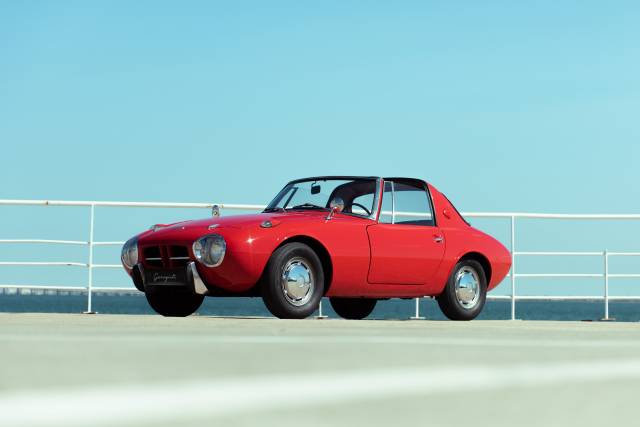
1968 | Toyota Sports 800
Left Hand Drive - 1 of 300

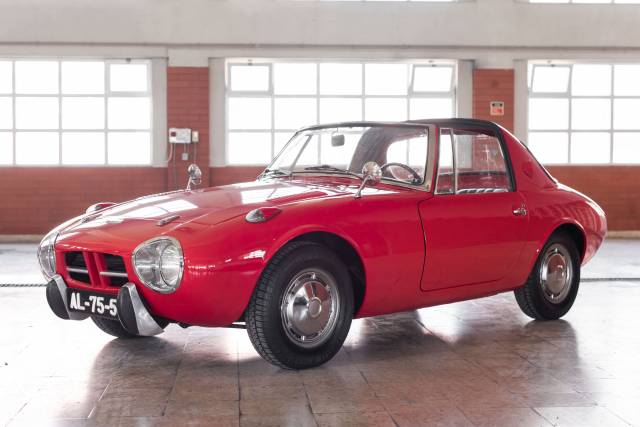
1968 | Toyota Sports 800
Left Hand Drive (1 of 300)
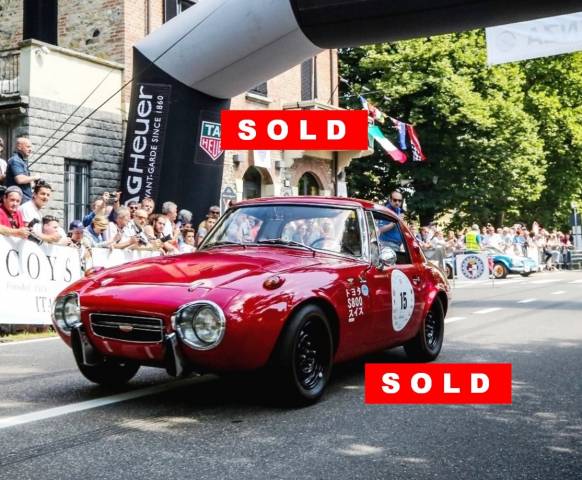
1966 | Toyota Sports 800
Ein Auto mit Seltenheitswert


1968 | Toyota Sports 800
1968 Sports 800 S800 / Linkslenker 1 von 300

Create search alert
Let yourself be notified as soon as a listing is published that matches your search filters.
Create listing
Do you have a Toyota Sports 800 that you want to sell? Then create a listing now.
Create listingToyota Sports 800 Classic Cars: Prices & Market Values
History of the Toyota Sports 800
Unveiled as the Publica Sports prototype at the 1962 Tokyo Auto Show, Toyota’s foray into sports cars began audaciously. Borrowing the powertrain from the Publica 700, the prototype introduced futuristic design elements, including a distinctive sliding canopy. By April 1965, Toyota launched the Sports 800, forging a new path in the company’s engineering story as their first production sports model, sharing showroom space with the economical Publica at Toyota Publica Stores in Japan.
Model History
The Sports 800 (chassis code UP15) was derived directly from the Toyota Publica, a compact car designed for the Japanese market. There was no direct predecessor in Toyota’s lineup for a sports car of this nature; the model filled a gap and inspired later performance icons like the Toyota 2000GT and the Celica. Its exclusivity and specialized design distinguished it from mainstream Toyotas of the era.
Highlights and Special Features of the Toyota Sports 800
The Sports 800 marked the debut of several advanced features for its time: extremely low weight, thanks to aluminium body panels; outstanding aerodynamics; and a sliding roof panel that typified 1960s space-age optimism. Its engineering focus on efficiency showcased Toyota’s ability to balance fun and frugality in a compact sports package.
Technical Data
Special Editions and Collectible Models
There is no record of special factory editions of the Sports 800; its standard form was itself a niche product, produced in relatively low numbers for the Japanese market. Its unique combination of engineering, design, and limited production makes every Sports 800 a collector’s piece.
Weak Spots and Common Issues
No specific weaknesses are listed for the UP15 Sports 800. With its age and unique construction, potential buyers should be attentive to corrosion on aluminium and steel body sections, and ensure the rare engine and transmission components are complete. Finding replacement parts may involve specialist suppliers due to its scarcity.
Engine and Performance, Transmission and Handling
The Sports 800’s boxer engine delivered modest power, yet its lightweight body (around 580 kg) enabled agile and responsive handling, especially on twisty roads. Minimal mass and a low centre of gravity contributed to spirited cornering. The transmission was designed to extract maximum performance from the compact engine, delivering an engaging drive that belied its small displacement. The only version is the UP15, with all units sharing the same fundamental layout and powertrain, making each one a valuable example of Toyota’s early sports engineering.
Interior, Comfort, Exterior and Design
Designed with space-age flourish, the Sports 800 boasted a low-profile silhouette, semi-fastback rear, and a distinctive targa-style sliding roof. The lightweight aluminium panels reduced overall mass. Inside, the cockpit was spartan but purposeful, featuring driver-centric gauges and simple seating befitting its sporty mission. Unique features included the manually operated canopy and minimalist instrument panel, underscoring the car’s intent as an accessible sports machine rather than a luxury tourer.
Other Relevant Features
The nickname "Yota-Hachi" speaks to its cultural impact in Japan, and its connection to the Publica Store points to an era when Toyota was defining its identity in the sports car market. Enthusiast communities value authentic restoration and maintenance of original features due to the vehicle’s rarity.
Summary
The Toyota Sports 800 offers a distinct chapter in automotive history: from its 1962 concept debut to limited-production runs that made it a rare presence even in Japan. As Toyota’s first production sports car, its impact is measured not by speed or sales, but by innovation, scarcity, and the start of a sporting tradition for a company now world-renowned for its performance vehicles.