Renault Estafette classic cars for sale
The Renault Estafette is a hallmark of French light commercial vehicle engineering produced from 1959 to 1980. Used as a van, minibus and camper, the Estafette stands out for its front-wheel drive, flexible body styles and robust reliability, making it a versatile choice for enthusiasts seeking originality and practicality.
Search results
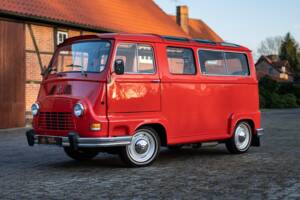
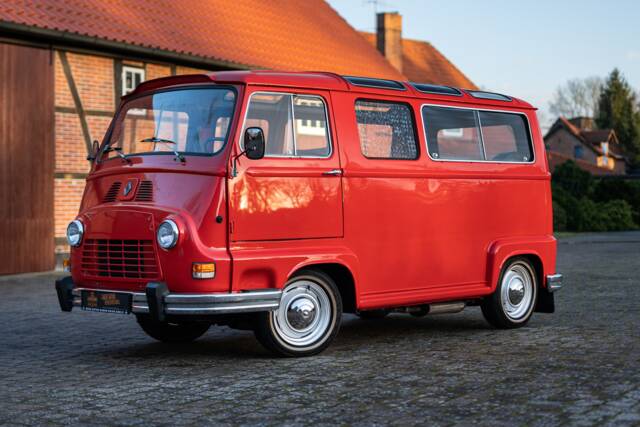
1977 | Renault Estafette
Seltener 9 Sitzer Panoramabus

Renault Estafette listing references from Classic Trader
Below you will find listings related to your search that are no longer available on Classic Trader. Use this information to gain insight into availability, value trends, and current pricing for a "Renault Estafette" to make a more informed purchasing decision.
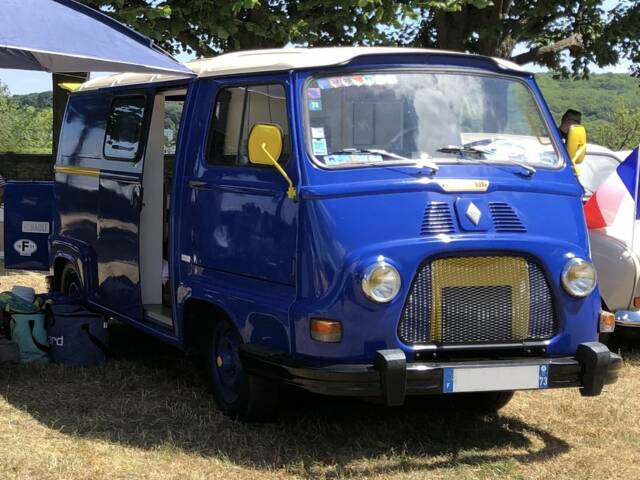
1971 | Renault Estafette Etalmobil
Renault Estafette 800 | 1971 | Route 66 Auctions - For sale by auction. Estimate 11500 EUR

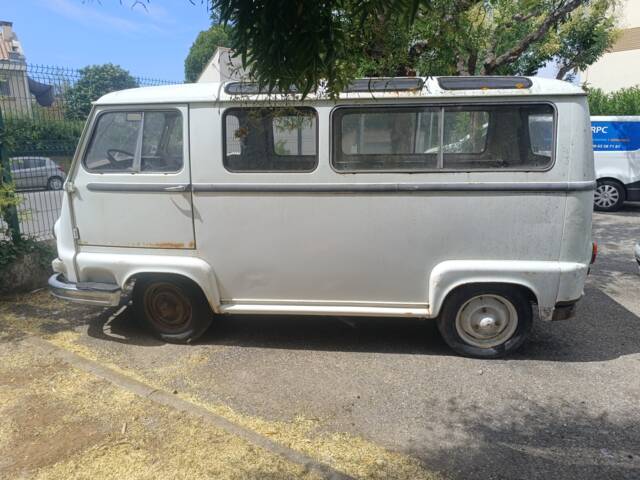
1974 | Renault Estafette
Estafette microcar ou microbus rarissime

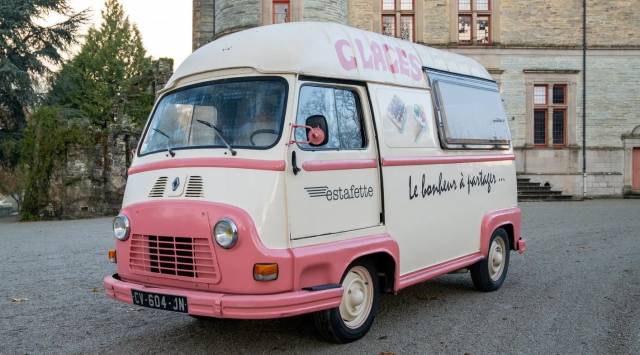
1980 | Renault Estafette
Classic French Ice Cream Truck - Unique Opportunity!
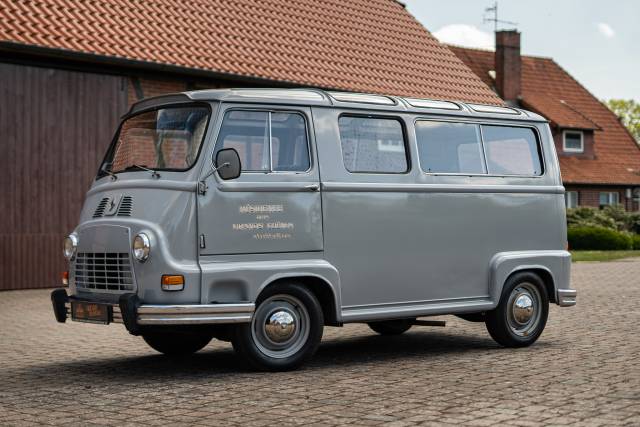
1975 | Renault Estafette
Der französische Sambabus
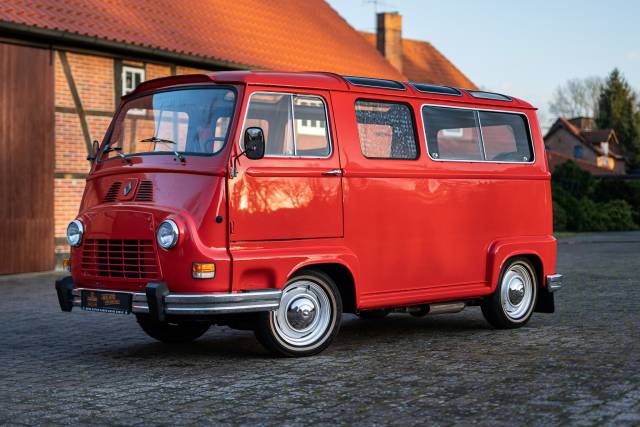
1977 | Renault Estafette
Microbus Luxe, der französische Samba-Bus
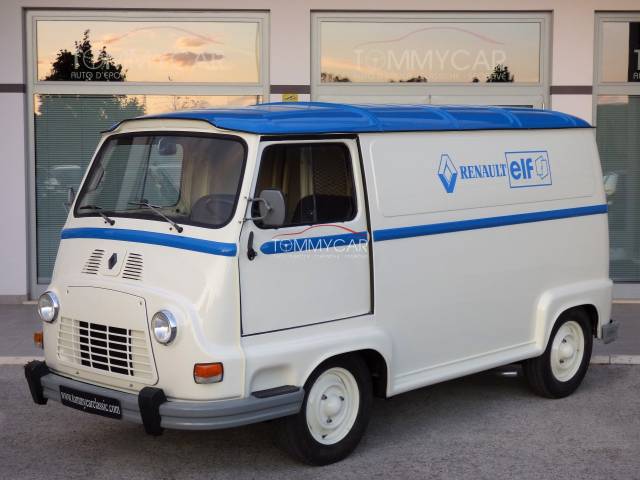
1979 | Renault Estafette
Rarità - Ideale per pubblicità

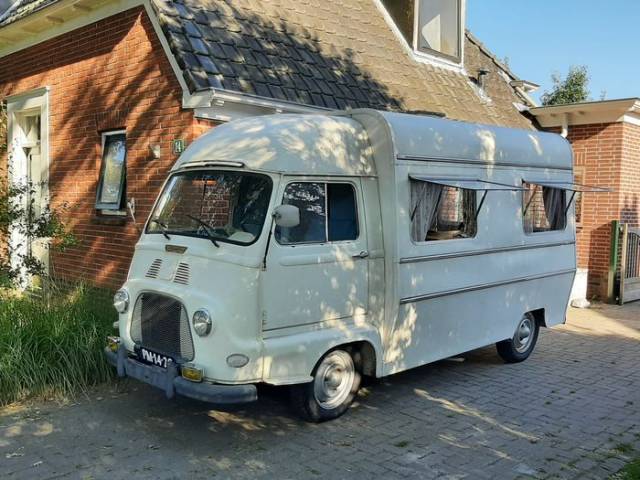
1963 | Renault Estafette 800
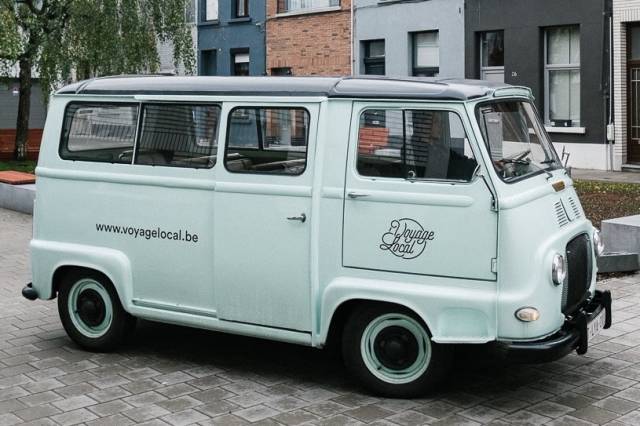
1963 | Renault Estafette 800
Volledig gerestaureerde oldtimer bus for 8 personen + bestuurder

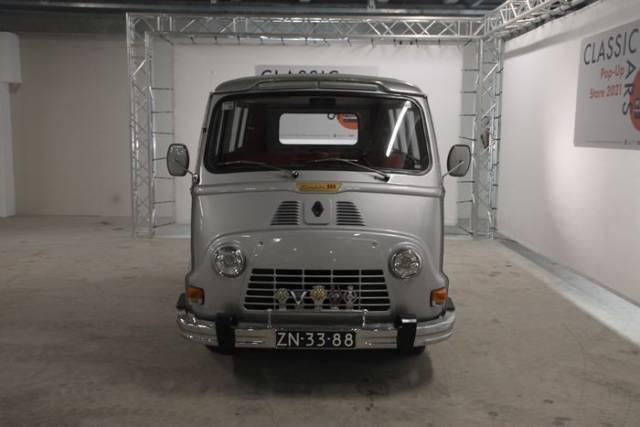
1969 | Renault Estafette
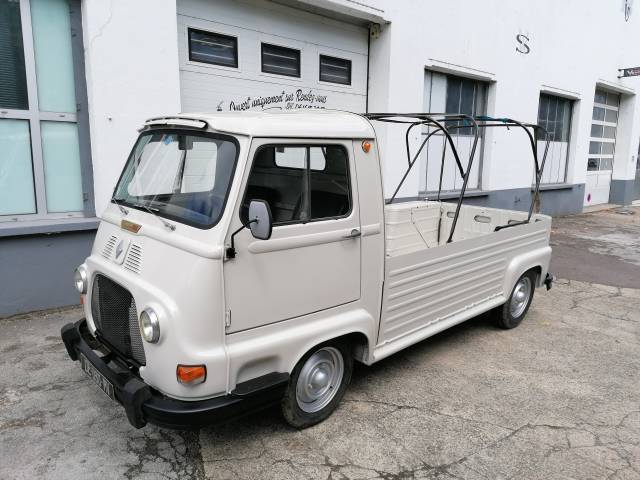
1970 | Renault Estafette
ESTAFETTE PLATEAU R2137
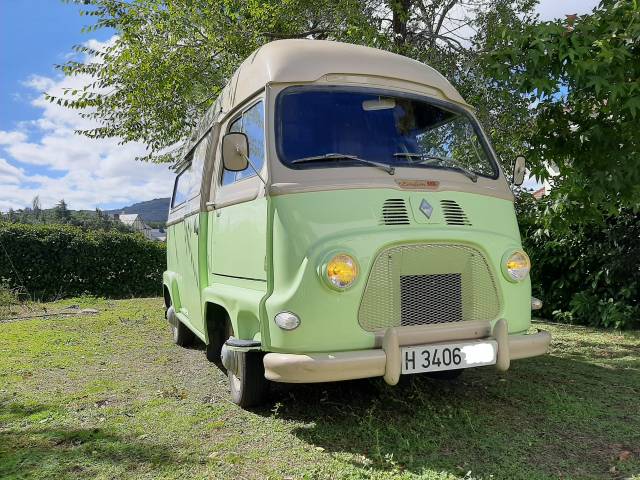
1967 | Renault Estafette 800
Original and approved.

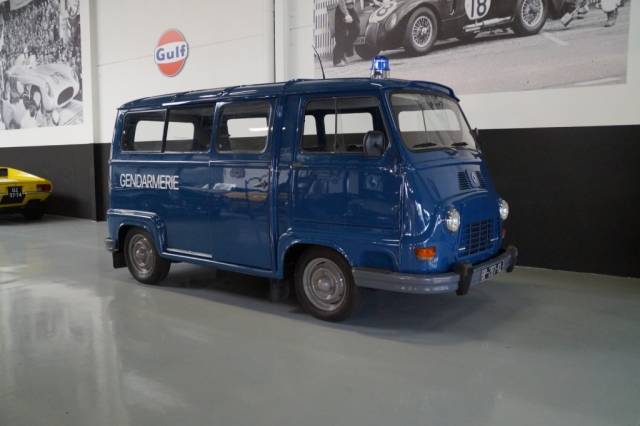
1980 | Renault Estafette
RENAULT Estafette Police van (1980)
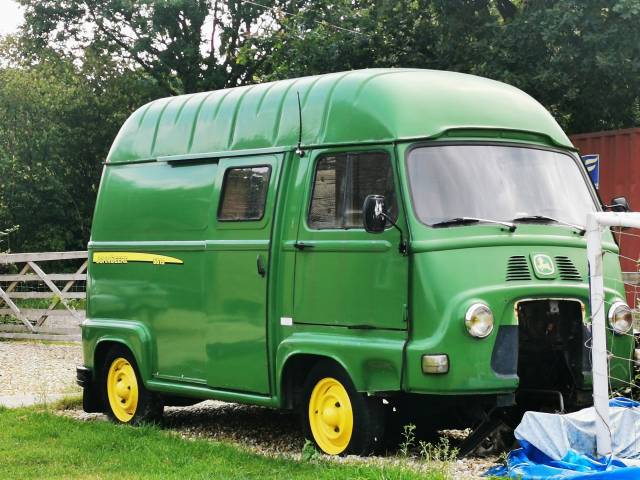
1979 | Renault Estafette
John Deere Campervan

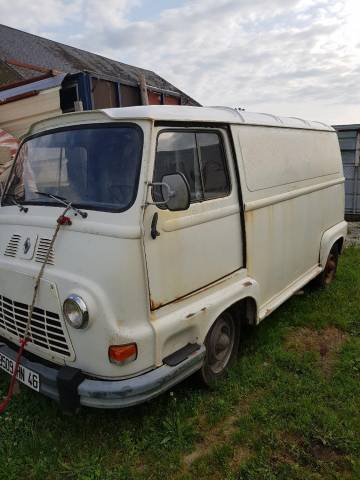
1977 | Renault Estafette
Renault Estafette Classic Cars: Prices & Market Values
History of the Renault Estafette
Renault unveiled the Estafette in 1959 as a response to the growing demand for compact, agile vans within France and across Europe. Designed with front-wheel drive—a rare feature for commercial vehicles at the time—the Estafette quickly became a fixture among tradespeople, emergency services, and local authorities. Its appeal lay in its adaptability: from deliveries to serving as a base for camper conversions, the Estafette’s simple, reliable design won over countless users throughout its two decades of production. A variety of body types, including microbus, panel van, food truck, and purpose-built police or fire variants, underline its eager versatility. Production ended in 1980 when the Renault Trafic succeeded it, but the Estafette’s presence persists in vintage vehicle scenes across Europe.
Model History
The Estafette’s production spanned over 21 years, with several key evolutions. Early models featured the Renault Ventoux engine, later replaced by the updated Cléon-Fonte unit. Subsequent versions included the R2132/33/34/35, as well as the more prevalent R2136/37, which accounted for nearly 85% of listings. Preceding the Estafette, Renault’s lineup lacked a true small commercial van; its post-1980 replacement, the Renault Trafic, followed in the Estafette’s footsteps with modernised engineering. Model variants reflect the range of uses: classic cargo vans, buses, and increasingly popular camper conversions. Left-hand drive configurations dominate, and many surviving Estafettes retain original period details, with some cleverly updated for today’s usage.
Highlights of the Renault Estafette
A defining feature is the Estafette’s front-wheel drive layout—uncommon among commercial vans of its era—which allows for a low, flat load floor and impressive internal space for its compact exterior. Strong coachwork flexibility enabled uses from delivery van to fire engine. Highly modular, these vehicles frequently served as the base for campervan conversions, some outfitted with kitchenettes, bespoke cabinetry, and sleeping solutions. The Estafette could be ordered with special paint finishes for police or fire service, and many vehicles feature panoramic roofs, bespoke livery, or unusual equipment. From today’s market statistics: the R2136/37 variant constitutes 84.6% of supply and attracts 56% of user demand within the Estafette series. Camper and special edition versions are particularly sought after for their unique character and usability.
Technical Data
Special Editions and Collectible Models
Special factory versions included police and fire brigade vehicles, often marked with unique colours, sirens, or period equipment. Campervan conversions—from basic sleeping compartments to fully-fitted motorhomes with stoves, sinks, and custom cabinetry—are especially notable. These came with details like gas hobs, fridges, water tanks, and convertible seating. The Panorama model, distinguished by its large roof windows, offers an open, airy feel prized by collectors and travel enthusiasts alike.
Engine and Performance, Transmission and Handling
The Estafette’s front-wheel drive provides excellent traction and a flat load floor, unusual in its class at launch. While performance figures are modest by modern standards, the 1289cc engines' 39 hp suffice for city driving and gentle touring. The manual gearbox is robust, with simple mechanicals for straightforward maintenance. Handling is aided by a relatively low centre of gravity and balanced weight distribution. Maximum comfort comes from a compliant suspension, though the commercial origins are apparent over rougher surfaces. - R2136/37: 1289cc petrol engine, 39 hp, manual gearbox
- Campervan conversions feature additional weight but retain drivability due to the platform’s versatility
- Notable for adaptable chassis and utility-focused design
Interior, Comfort, Exterior and Design
Estafette interiors vary from utilitarian cargo setups to lovingly finished camper vans with original or period-correct materials. Standard microbuses use Renault-sourced seats, while campers often feature custom woodwork, fold-out beds, and integrated kitchen modules. Some versions include panoramic glass roofs; camper interiors benefit from creative layouts with lots of storage. Exteriors are straightforward and robust, easily recognisable by the split rear doors, steel/aluminium panels, and often colourful or purpose-specific paint schemes. Accessories such as period-style luggage racks, bespoke signage, or rare original paperwork, like French maintenance booklets, enhance value and authenticity.
Other Information
In some countries, vehicle age and engine configuration allow for exemptions from inspections or road use restrictions, benefitting classic vehicle owners. Spare parts availability and restoration services are strong due to the enduring collector community and the Estafette’s relative mechanical simplicity. Many surviving vehicles are adapted for modern uses such as food trucks, coffee vans, or mobile shops, making them highly visible at events and markets. International transport and sourcing for restoration projects is common, supported by specialist knowledge and supply chains.
Summary
The Renault Estafette remains a staple for classic commercial vehicle enthusiasts, valued for its forward-thinking engineering, adaptability, and authentic 1960s–1970s French style. Whether as a classic delivery van, unique camper, or creative promotional vehicle, the Estafette’s practical engineering and versatility continue to fascinate, sustained by a robust community dedicated to maintenance, restoration, and creative adaptation.