Renault Type DG classic cars for sale
The Renault Type DG stands as a rare example from the pioneering days of motoring, offering a direct connection to early 20th-century French automotive engineering. With limited availability and historical significance, it captivates collectors seeking authentic pre-war craftsmanship and robust mechanical design.
Search results
Currently, there are no matching listings for your search.
Create search alert
Let yourself be notified as soon as a listing is published that matches your search filters.
Create listing
Do you have a Renault Type DG that you want to sell? Then create a listing now.
Create listingRenault Type DG listing references from Classic Trader
Below you will find listings related to your search that are no longer available on Classic Trader. Use this information to gain insight into availability, value trends, and current pricing for a "Renault Type DG" to make a more informed purchasing decision.
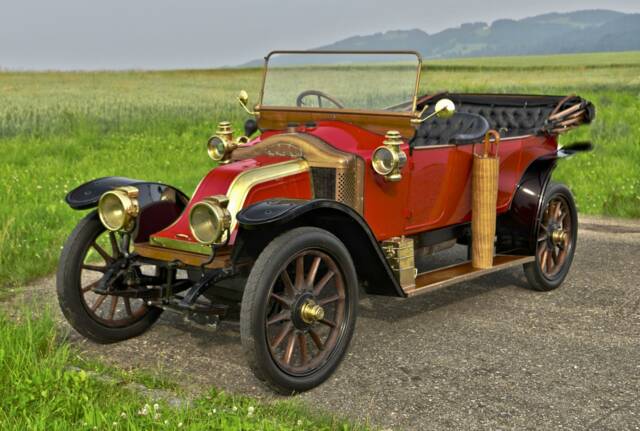
1913 | Renault Type DG

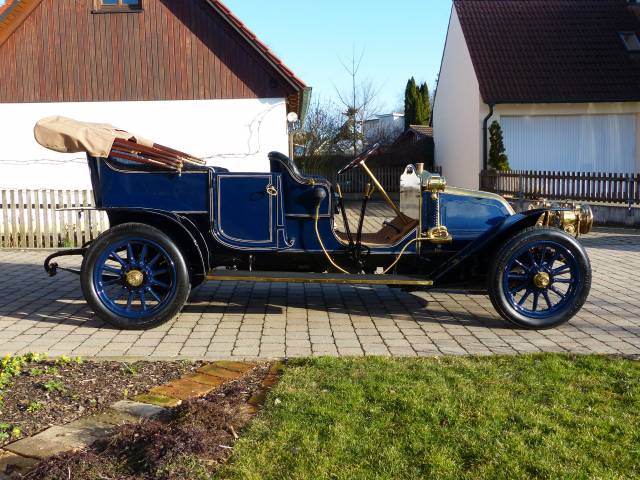
1913 | Renault Type DG
Doppelphaeton, Karosserie "Vedrine", spanische Ausl., bekannt aus "Titanic"

Create search alert
Let yourself be notified as soon as a listing is published that matches your search filters.
Create listing
Do you have a Renault Type DG that you want to sell? Then create a listing now.
Create listingRenault Type DG Classic Cars: Prices & Market Values
History of the Renault Type DG
Introduced in the early 1910s, the Renault Type DG emerged during a transformative period for both Renault and the wider automotive industry. Positioned as a high-powered touring car, it was equipped to meet the demands of affluent clients in an era when automobiles symbolised technological progress and social status. Renault's focus on reliability and performance helped solidify its reputation among early adopters and contributed to the Type DG's appeal on domestic and international markets.
Model Lineage and Development
The Type DG belongs to Renault’s series of ‘voiture de luxe’ produced before World War I. As part of the 12 CV lineage, it replaced older models with lower engine output and paved the way for more advanced vehicles post-1918. Each Renault Type designation marks a step forward in mechanical refinement, with the DG specifically representing an evolution towards greater engine displacement and improved chassis durability. Its successors continued to carry forward Renault’s reputation for mechanical robustness and touring comfort.
Highlights and Unique Features
The Renault Type DG is notable for its four-cylinder engine with a 12 CV rating, representing a focus on power and long-distance comfort rarely matched in its era. The robust ladder-frame chassis, signature upright radiator, and striking hand-built bodywork distinguish the DG from both its competitors and other Renault models of the time.
Technical Data
Special Editions and Collectible Variants
No documented special editions of the Renault Type DG are currently known, due to the very limited production of bespoke luxury models during the period. Each example, often coachbuilt to order, may display unique variations in body style and trim depending on client preference.
Weak Spots and Known Issues
No specific common weak spots or frequently reported issues are currently available for the Renault Type DG. Given the age and relative rarity of these vehicles, a detailed check of the chassis for fatigue, engine internals for wear, and the original transmission’s mechanical condition is recommended when considering any restoration or preservation project.
Engine, Transmission, and Driving Experience
The Type DG’s four-cylinder engine paired with a manual transmission offered smooth, torquey power delivery suitable for long-distance touring. The period’s engineering placed emphasis on sturdy construction and ease of repair, rather than high-speed capability. The steering is geared for stability over rough surfaces, echoing the road conditions of its time. Braking systems remain primitive compared with post-1920s vehicles, requiring anticipation and careful handling.
Popular technical details:
- Four-cylinder, 12 CV engine
- Manual gearbox (typically 3-speed)
- Shaft drive
- Steel ladder chassis undefined
Interior, Comfort, and Exterior Design
The Renault Type DG’s design blends practicality with the attention to detail typical of the Belle Époque. Buyers frequently commissioned bespoke coachwork, so interiors vary, but commonly feature plush leather upholstery, polished wood trim, and external storage compartments. The upright radiator and gently rounded fenders reflect Renault’s distinctive early styling. Period accessories include carbide headlamps, folding windshields, and elaborate exterior roof structures, depending on the chosen body style.
Other Notable Characteristics
Given its era, surviving examples of the Renault Type DG may feature period-specific adaptations, restorations, or local bodywork details unique to the region of original sale. These can include local supplier badges, tools, or custom luggage solutions to suit touring clients of the 1910s.
Summary
The Renault Type DG 12 CV stands as a testament to the brand’s early dedication to comfort, durability, and tailored craftsmanship. Its relative rarity, historical importance, and distinct mechanical layout make it an important consideration for dedicated collectors of pre-war automobiles focused on authenticity and engineering heritage.