Porsche 959 Classic Cars for Sale
The Porsche 959 stands as the German manufacturer’s technological showcase from the 1980s, setting benchmarks for both performance and innovation. Conceived as a Group B rally car and developed into one of the most advanced road cars of its time, the 959 combined high-tech all-wheel drive, lightweight composites, and extraordinary power. Its rarity and impact make it a captivating piece of automotive history.
Search results
Currently, there are no matching listings for your search.
Create search alert
Let yourself be notified as soon as a listing is published that matches your search filters.
Create listing
Do you have a Porsche 959 that you want to sell? Then create a listing now.
Create listingPorsche 959 listing references from Classic Trader
Below you will find listings related to your search that are no longer available on Classic Trader. Use this information to gain insight into availability, value trends, and current pricing for a "Porsche 959" to make a more informed purchasing decision.
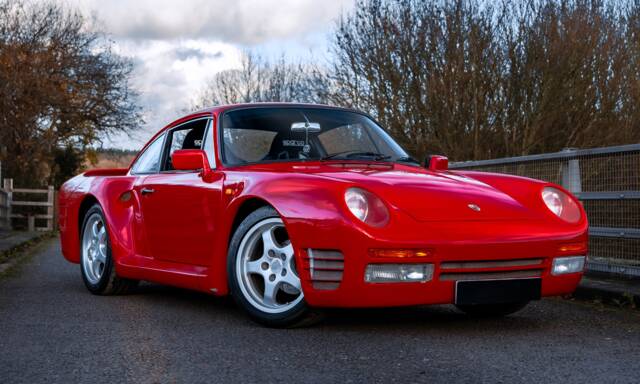
1966 | Porsche 959
1966 Porsche 959 Evocation

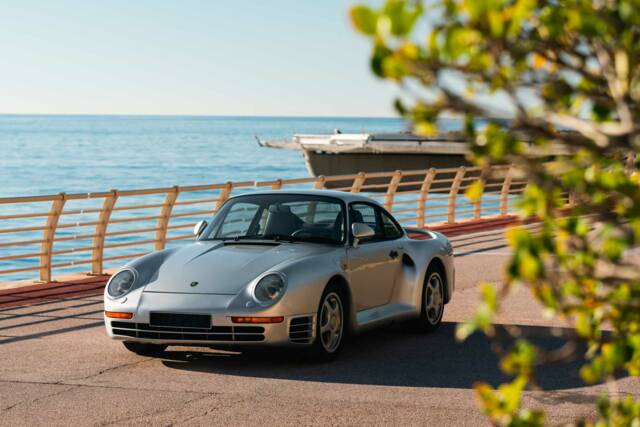
1987 | Porsche 959
Komfort | TWO OWNERS, 17,500 MILES, UNRESTORED
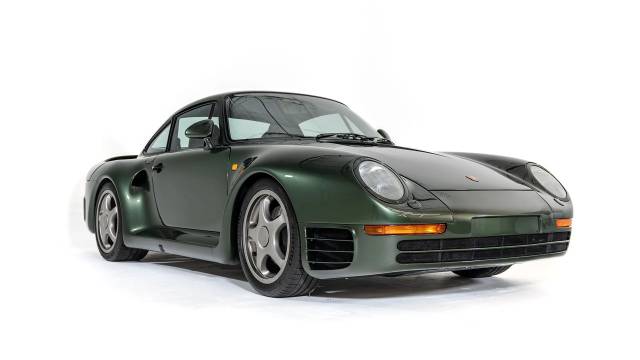
1988 | Porsche 959 SC
1988 Porsche 959 SC Reimagined by Canepa
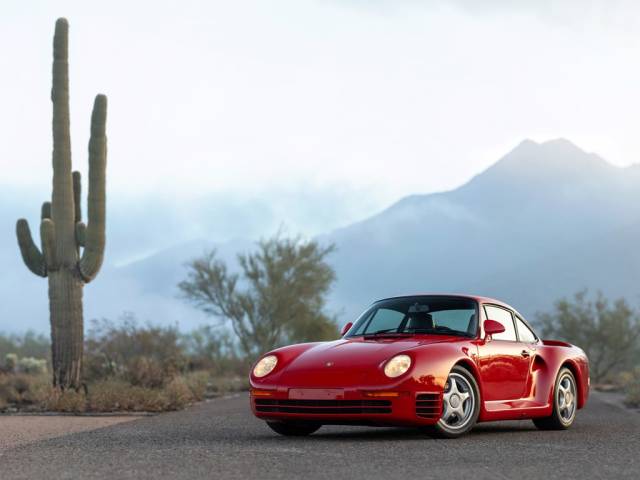
1987 | Porsche 959
1987 Porsche 959 Komfort
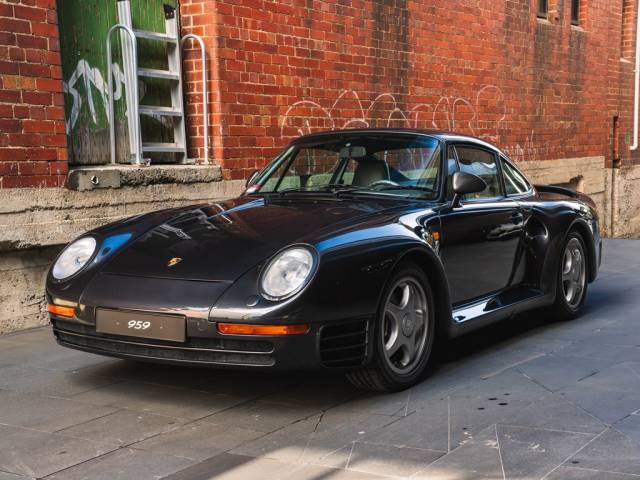
1988 | Porsche 959
1988 Porsche 959 'Komfort'
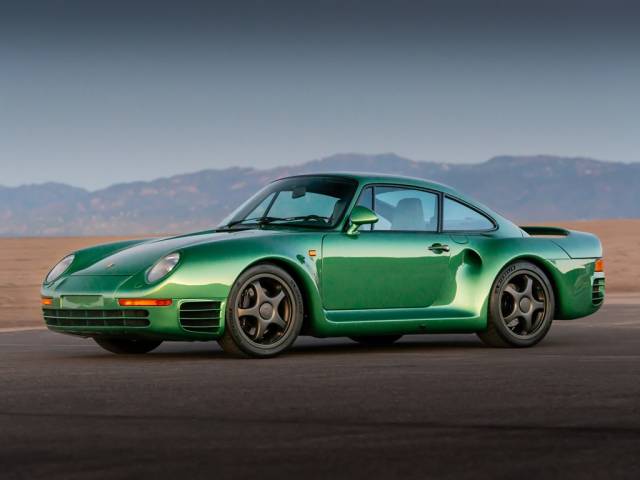
1988 | Porsche 959 SC
1988 Porsche 959SC Reimagined by Canepa
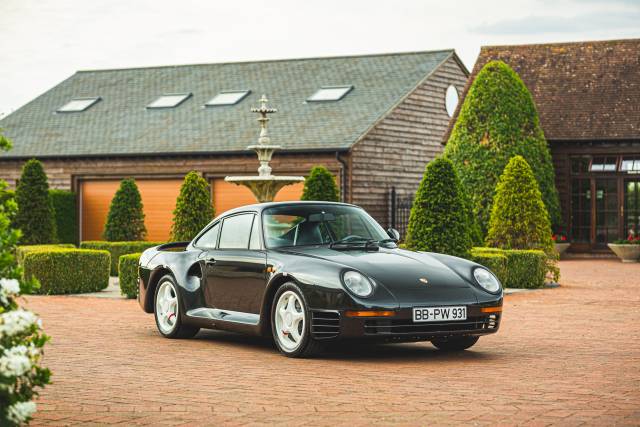
1985 | Porsche 959 S Prototype
One of the three F-series Porsche 959 Sport prototypes
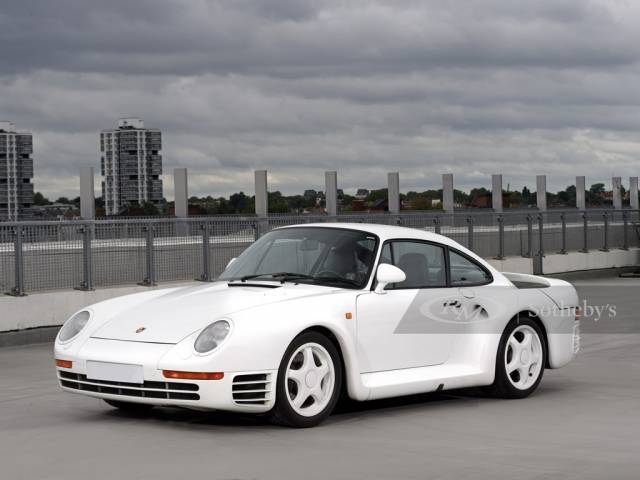
1987 | Porsche 959
1987 Porsche 959 Komfort
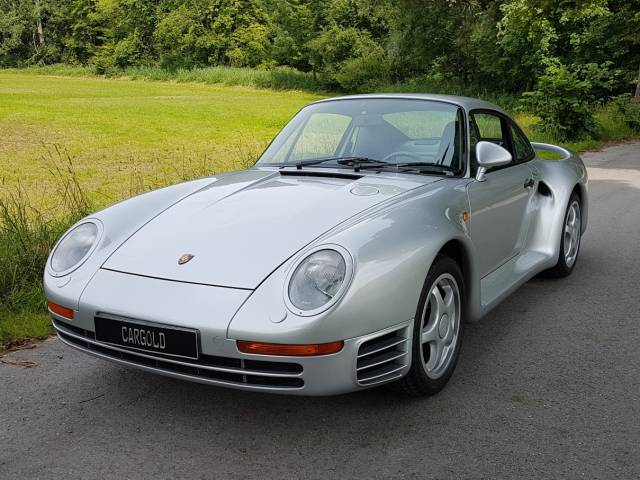
1988 | Porsche 959
Werksmodifikation - 515 PS

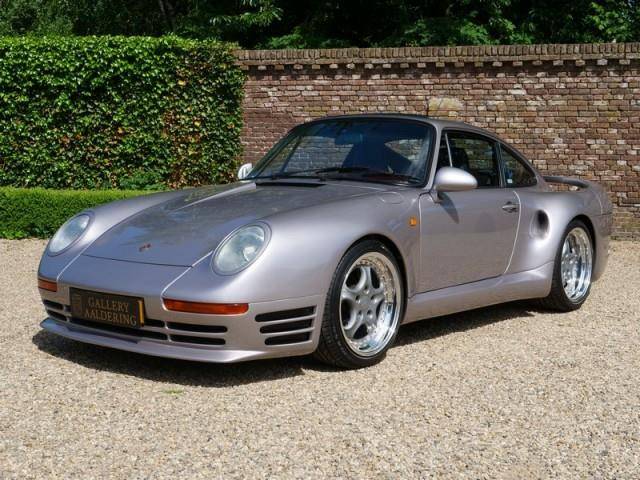
1988 | Porsche 959
Porsche 959 Folger Umbau, based on 911, RS engine, German / Du

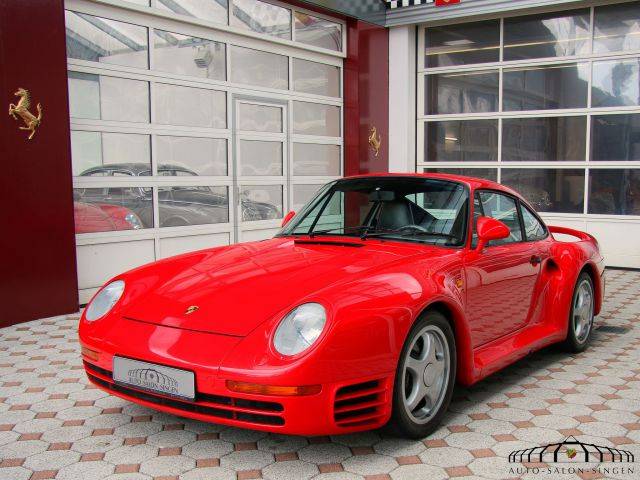
1988 | Porsche 959
Deutsche Auslieferung
1988 | Porsche 959
Deutsche Auslieferung
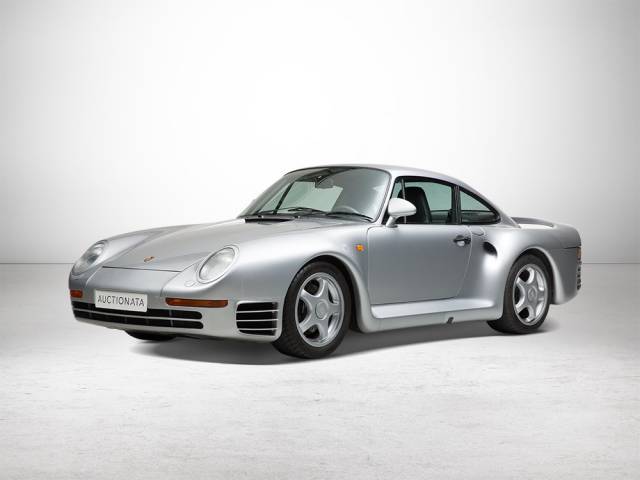
1988 | Porsche 959
Porsche Only Auction on Dez 12, 2015
Create search alert
Let yourself be notified as soon as a listing is published that matches your search filters.
Create listing
Do you have a Porsche 959 that you want to sell? Then create a listing now.
Create listingPorsche 959 Classic Cars: Prices & Market Values
History of the Porsche 959
Development of the Porsche 959 began in 1981, spurred by Porsche’s ambition to dominate both endurance circuit racing and the rising Group B rally scene. The project stemmed from earlier success with the Porsche 911 at Le Mans and was announced to the public at the 1983 Frankfurt Motor Show as a prototype based on the 911. Originally crafted for the FIA’s Group B regulations, the 959’s advanced technology was also aimed at showcasing what was possible for a road-legal supercar. Delay in development, caused largely by its innovative construction and technological complexity, postponed customer deliveries until 1987. Despite initial setbacks in rally competition, the 959 scored a double victory at the 1986 Paris-Dakar Rally and showcased its strength at events like the Pharaonen Rally. Group B’s tragic end meant the 959 pivoted from competition to road use, yet its impact on Porsche's and the wider industry's technology roadmap remains profound.
Model Series History
The Porsche 959 does not have a direct predecessor but evolved from 911-based prototypes developed in the early 1980s, specifically the 911 4x4 (also known as the 953) which achieved success in the Paris-Dakar Rally. After the cancellation of Group B, Porsche created the 961 for the GTX racing class, drawing heavily on the 959 platform. The direct successor in terms of spirit and technology is the Porsche Carrera GT and, later, the Porsche 918 Spyder—both continuing the marque’s tradition of technological flagships. The 959’s short production span (1986–1988, with a few special editions produced in the early 1990s) further underscores its unique status in the Porsche lineup.
Highlights and Unique Features
The Porsche 959 introduced an array of technologies that were groundbreaking in the mid-1980s: intelligent all-wheel drive with variable torque distribution, an electronically controlled, height-adjustable adaptive suspension, tyre pressure monitoring system, four-channel ABS, and lightweight construction featuring aluminium, kevlar, and composite plastic panels. Sequential twin-turbocharging delivered 450 hp from 2.85 litres displacement, allowing a 0-100 km/h time of approximately 3.7 seconds and a top speed over 317 km/h. Superlight magnesium wheels with hollow spokes and a high emphasis on comfort and safety (air conditioning, leather, sound insulation) made the car usable on a daily basis, an unusual trait for a supercar of its era.
Technical Data
Special Editions and Collectible Variants
Two primary variants were available: the 'Komfort' with full luxury appointments (air conditioning, leather, plush trim, advanced insulation, adjustable suspension) and the lighter 'Sport' model, which shed about 100 kilograms, had minimal comfort features, and was even faster—only 29 units of the latter were produced. In 1992, Porsche assembled another eight highly improved 'Komfort' versions using remaining parts, which feature incremental technical and functional updates, further enhancing their exclusivity. There are individualised paint-to-sample colour schemes known from factory records, adding to the uniqueness of certain cars.
Engine, Performance, Transmission and Handling
The flat-six engine combines air cooling for the cylinders and water cooling for the heads, adopting motorsport-derived solutions for reliability at intense loads. A pair of sequential KKK turbochargers ensures power delivery is progressive yet forceful, giving the 959 ferocious acceleration paired with outstanding all-wheel-drive traction. The six-speed manual allowed precise gear changes. On the road, the computer-controlled suspension and variable torque distribution ensured supreme stability and control under all conditions. The car could accelerate from 0 to 100 km/h in 3.7 seconds and reach a maximum speed of 317 km/h. Notably, the ultra-light three-piece magnesium wheels and advanced ABS provided unmatched braking and lateral performance for its era. - Porsche 959 Komfort: Full equipment, focus on comfort and advanced driving aids.
- Porsche 959 Sport: Reduced weight, minimal comfort features, more track-focused.
- Porsche 959 (1992 Special Series): Final eight, incremental technical improvements.
Interior, Comfort, Exterior and Design
Styled by Porsche’s design studios, the body shape reflects aerodynamic focus without abandoning the 911’s distinctive language. Materials such as Kevlar and aluminium set new industry standards for lightweight construction. The cabin, especially in the Komfort version, is trimmed in high-grade leather, fitted with a range of advanced equipment for its time: air conditioning, power windows, electronically adjustable suspension controls, and insulation for everyday usability. Exterior options included a spectrum of factory colours, as well as custom paint-to-sample orders on request. Iconic details include the integrated rear wing, flared arches, and aerodynamic undertrays, all functional components dictated by the 959’s performance requirements. Accessories offered included special lightweight magnesium wheels, optional stereos, and export-market-specific items.
Other Notable Features
The Porsche 959 was not officially certified for the US market at launch due to Federal safety standards. Importation only became possible under the "Show or Display" law starting in 1999. Throughout its life, the 959 introduced features—such as all-wheel drive and adaptive suspension—that later became common in high-performance road cars. Notably, celebrities including Bill Gates, Jerry Seinfeld, and Boris Becker owned examples, highlighting the exclusivity of the ownership experience.
Summary
The Porsche 959 represents the zenith of German automotive engineering in the late 20th century, bridging rally heritage, groundbreaking road technology, and everyday usability. With only 292 examples built, including a handful of later special editions, it stands apart for its technical sophistication, raw performance figures, and lasting influence on subsequent supercars. For collectors and Porsche enthusiasts, the 959 remains a benchmark in performance, design, and innovation.