Porsche 936 classic cars for sale
The Porsche 936 is one of the most successful Group 6 sports prototypes of the 1970s and early 1980s, renowned for its technical innovations, outstanding competition record at Le Mans, and powerful turbocharged engine. A rare opportunity for true motorsport connoisseurs.
Suchergebnisse
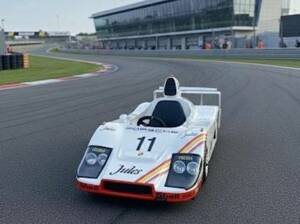
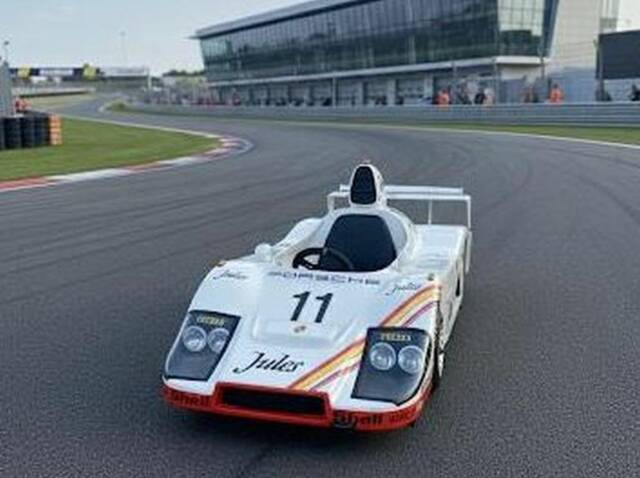
1981 | Porsche 936 Junior
Extrem rares Sammlerstück
Porsche 936 listing references from Classic Trader
Below you will find listings related to your search that are no longer available on Classic Trader. Use this information to gain insight into availability, value trends, and current pricing for a "Porsche 936" to make a more informed purchasing decision.
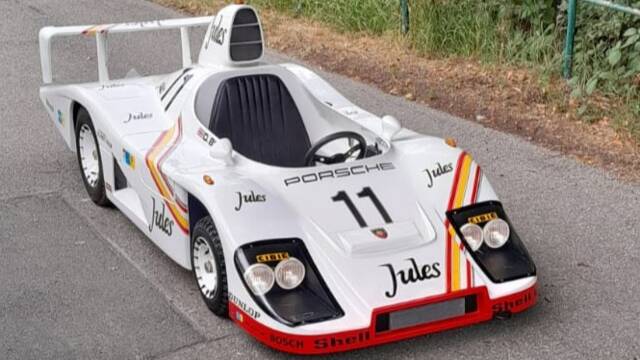
1981 | Porsche 936 Junior
Extremely rare, fully functional & exceptionally well maintained!
Porsche 936 Classic Cars: Prices & Market Values
History and Introduction of the Porsche 936
Unveiled in 1976, the Porsche 936 was engineered specifically for endurance racing under FIA Group 6 regulations, emerging as a successor to iconic Porsche prototypes like the 917 and 908. Born out of necessity when factory support for previous models ended, the 936 quickly demonstrated competitive dominance. Its debut was crowned by immediate victories, including the 24 Hours of Le Mans, a race the 936 would go on to win three times (1976, 1977, 1981). The car’s engineering was aimed solely at performance and reliability over long distances, forming an integral chapter in Porsche’s illustrious racing history.
Model History
The Porsche 936’s lineage links directly to the 917 and 908, two of Porsche’s most influential racing machines. The 936 debuted at the 1976 Nürburgring 300 km, clinching both the World Sportscar Championship and Le Mans in its first year. Upgrades followed with turbocharging enhancements and later, in 1978, a switch to a four-valve cylinder head configuration allowed power figures to soar. Development continued into the 1980s, culminating with the 936/81 using a 2,650 cc Type-935/82 engine and producing up to 620 hp. Throughout its competitive life, private entries—often with factory endorsement—continued to update and run the 936 in major events until its final race in 1986, where it finished creditably against the newer 956 and 962.
Highlights of the Porsche 936
Distinctive for its aluminium monocoque inspired by the 908 and oversized central airbox for improved intercooler and turbocharger airflow, the 936 signalled a leap in Porsche’s racing aerodynamics and turbocharged engine technology. The vehicle’s adaptability allowed significant developmental leaps, such as the twin-turbo conversion in 1977 and the 4-valve cylinder head upgrade in 1978. Its flexibility and competitiveness were proven by success with both factory and private teams, as well as by its longevity on track.
Technical Data
Special Editions and Collectible Models
Special versions of the Porsche 936 emerged through ongoing racing upgrades and privateer customisations. Notably, Joest Racing created a 936 coupé derivative (936-004), and Kremer Racing later introduced its Kremer-Porsche CK5 reinterpretation. These evolutions, often recognised by chassis numbers or unique aerodynamic configurations, are highly regarded for their authenticity and competitive records.
Engine and Performance, Transmission and Handling
The Porsche 936’s driving experience is defined by its turbocharged 6-cylinder prowess: initial models backed 520 hp, increasing to 540 hp with twin small turbos (1977) and peaking at 640 hp with advanced 4-valve technology (1978). The engine sits in a highly rigid aluminium monocoque, ensuring efficient power transmission and reliable high-speed handling. Reworked turbochargers and the move to four-valve heads allowed the car to outpace its contemporaries, particularly in sustained high-speed circuit racing. Transmission reliability and aerodynamic stability were mainstays of the 936’s race performance. • Porsche 936/77 – Major updates in 1977 included refined turbocharging for Le Mans dominance. • Porsche 936/78 – Introduction of the 4-valve head for a dramatic power increase. • Porsche 936/81 – Fitted with a Type-935/82 2.65L engine, producing up to 620 hp—instrumental in the 1981 Le Mans win.
Interior, Comfort, Exterior and Design
The 936 cockpit is uncompromising, with a focus on essential controls for endurance racing efficiency. Aluminium and lightweight composites predominate throughout the structure. Externally, the 936’s most recognisable feature is its towering airbox above the driver, designed for maximum airflow to the turbo system. The low, streamlined body was continually refined for downforce and speed, while special liveries—particularly the striking factory colours—enhanced its visual impact. Options for specific race events included unique aerodynamic elements and equipment tailored for Le Mans.
Other Features
The Porsche 936 not only contributed significant technological advancements to motorsport, but also fostered innovation in customer racing. Its flexible architecture and robust reliability allowed private teams significant scope for customisation and competitive participation at the highest levels.
Summary
The Porsche 936 stands as a testament to focused engineering for endurance racing. It blends turbocharged performance, adaptable chassis design, and race-proven reliability. With an unmatched record at Le Mans and a legacy of continuous innovation, the 936 remains a touchstone for collectors and motorsport aficionados seeking the ultimate classic sports prototype.