Porsche 718 classic cars for sale
Purpose-built for motorsport, the Porsche 718 is a benchmark for innovation and competition engineering. With only 34 units built between 1957 and 1959, each example features advanced chassis technology, the legendary Fuhrmann four-cam engine, and a design optimised for endurance and hillclimb racing.
Search results
Currently, there are no matching listings for your search.
Create search alert
Let yourself be notified as soon as a listing is published that matches your search filters.
Create listing
Do you have a Porsche 718 that you want to sell? Then create a listing now.
Create listingPorsche 718 listing references from Classic Trader
Below you will find listings related to your search that are no longer available on Classic Trader. Use this information to gain insight into availability, value trends, and current pricing for a "Porsche 718" to make a more informed purchasing decision.
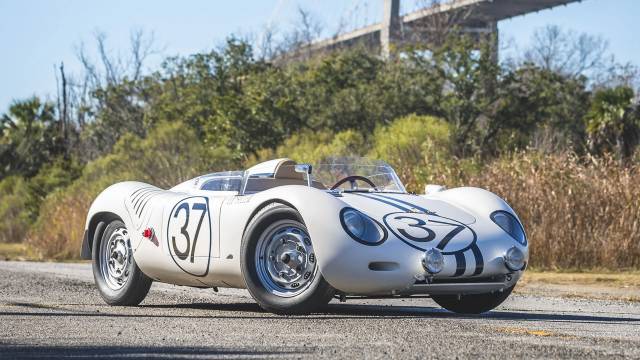
1959 | Porsche 718 RSK 1600 Spyder
1959 Porsche 718 RSK Spyder "Lucybelle III"

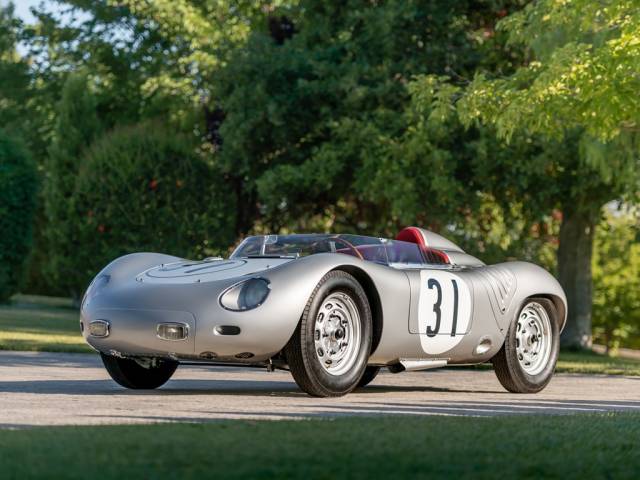
1959 | Porsche 718 RSK 1600 Spyder
1959 Porsche 718 RSK Werks Spyder
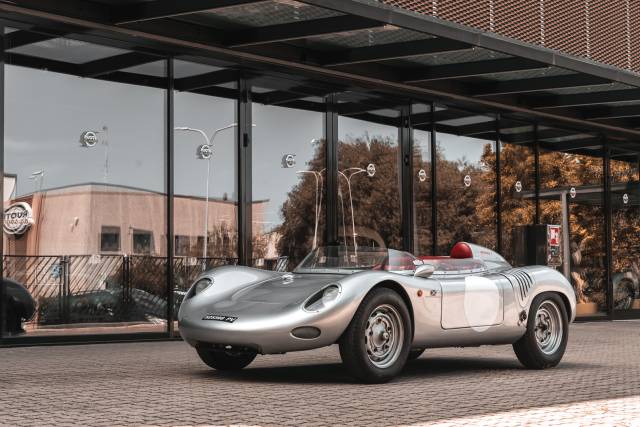
1976 | Porsche 718 RSK 1600 Spyder

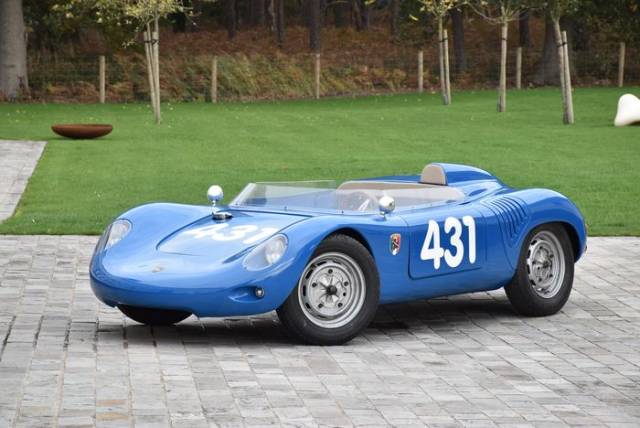
1966 | Porsche 718/2 Monoposto

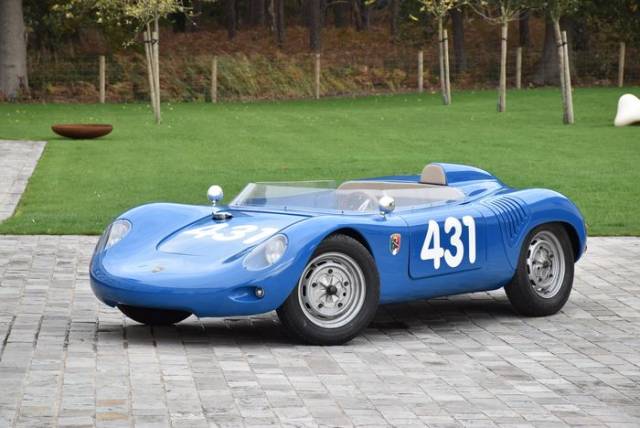
1966 | Porsche 718 RSK 1600 Spyder
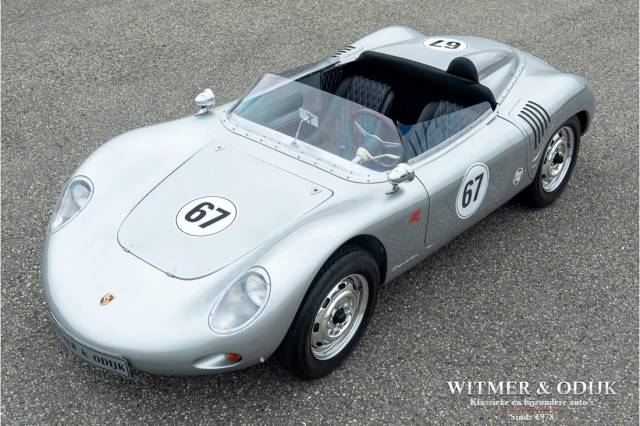
1960 | Porsche 718 RSK 1600 Spyder
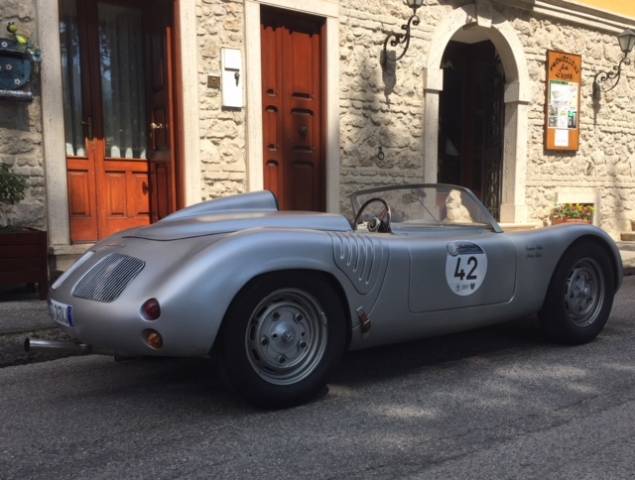
1966 | Porsche 718 RSK 1600 Spyder
718 replica
Create search alert
Let yourself be notified as soon as a listing is published that matches your search filters.
Create listing
Do you have a Porsche 718 that you want to sell? Then create a listing now.
Create listingPorsche 718 Classic Cars: Prices & Market Values
History of the Porsche 718
Introduced in 1957 as Porsche's answer to increasingly stiff motorsport competition, the 718 was a direct successor to the 550A and brought crucial improvements in chassis dynamics and bodywork. Developed with a focus on endurance, the 718 debuted at the 24 Hours of Le Mans, a race that highlighted its commitment to durability and speed. The tubular spaceframe chassis and aluminium bodywork—mostly by Wendler—provided both exceptional stiffness and a total weight of around 563 kg.
The 718 incorporated double wishbone rear suspension and coil springs, a major advancement for the brand and a template for later Porsche racing cars. Competing successfully not only in endurance classics like Sebring, Nürburgring, and Le Mans, but also in the Targa Florio and European hillclimb championships, the 718 became a fixture on international podiums through the late 1950s and early 1960s.
Model History and Variants
The 718 emerged as an evolutionary leap from the Porsche 550 Spyder, reflecting engineering lessons from previous models. The earliest ten examples were factory prototypes dedicated to development and racing by Porsche's works drivers, while the remaining 24 were constructed for privateer customers. Key variants included the 718 RSK, RS60, RS61, and W-RS, each with specific upgrades targeting different classes and racing formats.
Open-wheel single-seater versions of the 718 were adapted for Formula 2 (1957) and Formula 1 (1961), underlining the versatility of the platform. Every chassis was individually finished, often differing in technical detail, reinforcing the 718's reputation as a tailored machine rather than a uniform series.
Highlights and Unique Features
The Porsche 718 distinguishes itself through a combination of technical refinement, limited production, and an unrelenting focus on competition. Core highlights include:
- Ultra-light construction: 563 kg kerb weight
- Aluminium bodywork by Wendler
- Double wishbone rear suspension (a first for Porsche)
- Four-cam Fuhrmann engine (Type 547), with 150–170 bhp
- Top speed up to 256 km/h (160 mph)
- 82-inch wheelbase, tubular spaceframe chassis
- Upgrades for aerodynamic efficiency and reliability, such as auxiliary oil coolers
- Authentic period details: Marchal spotlights, hand-stitched Acela Bast interior, and textile soft tops on some cars
Statistically, the supply and demand for the 718 in our database both stand at 100% for the Porsche make and 718 model series, confirming the extreme rarity and specialist focus of this model within the classic Porsche segment.
Technical Data
Special Editions and Collectible Models
The Porsche 718 model family includes several rarities: the RS60, RS61, W-RS, and the 718 GTR Coupé, each reflecting adaptations for shifting rules and competition focus. Limited production, usually aligned with factory competition needs, ensured that almost every car is unique. Open-wheeler 718 derivatives for Formula 2 and Formula 1 increased the model's motorsport credentials, while the core RSK Spyders remain the most sought after for their road and track versatility.
Weak Spots and Common Issues
Maintenance of a Porsche 718 demands specialist knowledge. The air-cooled four-cam engine, especially the intricate Type 547, requires precise setup and regular attention—valve adjustment and timing are critical. ZF gearboxes and aluminium welds should be checked for wear and aging. Originality is a major value factor; verifying frame, body number, and motorsport history is essential. Sourcing period-correct spares like Marchal lamps, original soft tops, or Acela Bast upholstery can be challenging due to their rarity.
Engine, Performance, Transmission and Handling
The 718's Fuhrmann four-cam set a new standard for mid-century racing engines with its responsive power delivery and robust output relative to displacement. With a power band peaking between 150 and 170 bhp in racing trim, the car accelerates swiftly, benefitting from a featherweight chassis and advanced (for the time) rear suspension setup. The five-speed ZF gearbox provides precise ratios optimised for varying circuits and climbs, while the limited-slip differential enhances grip under heavy acceleration.
Period test drivers frequently commented on the 718's neutral, predictable handling—a direct result of both the centre-mounted engine and the widespread use of double wishbones. Large vented drum brakes, although soon outdated by discs, delivered solid stopping power given the car's mass.
Popular models:
- 718 RSK (most successful in endurance racing, equipped with the 1.5L Fuhrmann engine)
- RS60 and RS61 (further evolutions with improved chassis setup and homologation for new race regulations)
- 718 W-RS (final evolution with larger displacement and reinforced for longer events)
- Formula 2/1 single-seaters (adapted for top-level open-wheel competition) undefined
Interior, Comfort, Exterior and Design
The 718’s exterior retained an evolutionary silhouette from the 550, but introduced lengthened, more aerodynamic lines and the FIA-compliant high windscreen. Most bodies left Wendler’s shop in silver metallic, yet period racing saw a handful in contrasting liveries for identification. Extensive use of aluminium kept weight down, while details like the Marchal fog lamps and unique aero mirrors contributed to both functionality and visual distinction.
Interiors were strictly functional, trimmed in Acela Bast or exposed aluminium, with seats designed for comfort over long stints and quick driver change. Some cars featured rare textile soft tops, and all carried original Porsche-supplied tool rolls and jacks—rare finds today. Wheels combined steel centres and riveted alloy rims, underscoring the motorsport brief.
Special accessories: Original Terneplate fuel and oil tanks and other bespoke components, often unique to each chassis.
Other Notable Details
Each Porsche 718 was assembled to unique specifications, often with deviations in technical details to suit the race or customer. The authenticity of a given car—frame, bodywork, race entries, factory driver provenance, and technical build—plays an outsized role in valuation and historical interest.
Summary
With ultra-low production, unmatched competition pedigree, and engineering advances that defined a racing era, the Porsche 718 remains a reference point for collectors of historic sports cars. Every example’s individual build, traceable race record, and mechanical sophistication ensure its status at the top of classic Porsche motorsport.