Pontiac Ventura classic cars for sale
The Pontiac Ventura stands out as a distinctive full-size and later compact car, produced between 1960 and 1977. Renowned for its combination of Pontiac engineering, striking American styling, and a range of powertrains, the Ventura left a unique mark in the era of American motoring. Its reputation among classic car enthusiasts is reinforced by a solid supply on the market and notable interest among buyers.
Résultats de la recherche
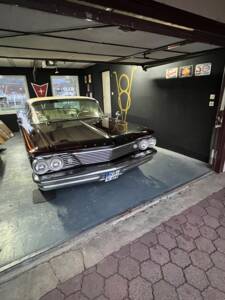
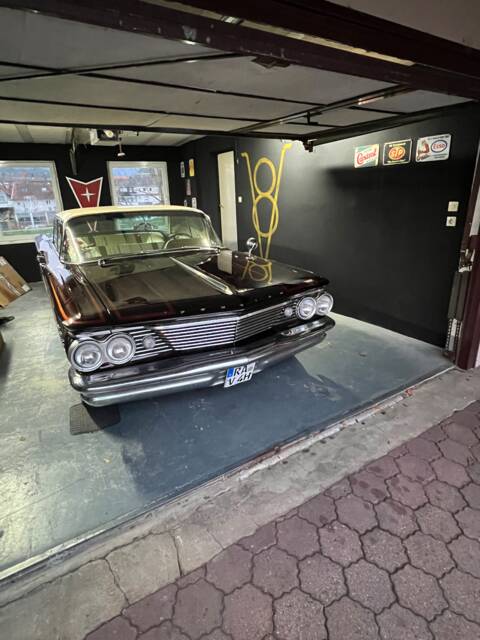
1960 | Pontiac Ventura Vista
Pontiac Ventura

Pontiac Ventura listing references from Classic Trader
Below you will find listings related to your search that are no longer available on Classic Trader. Use this information to gain insight into availability, value trends, and current pricing for a "Pontiac Ventura" to make a more informed purchasing decision.
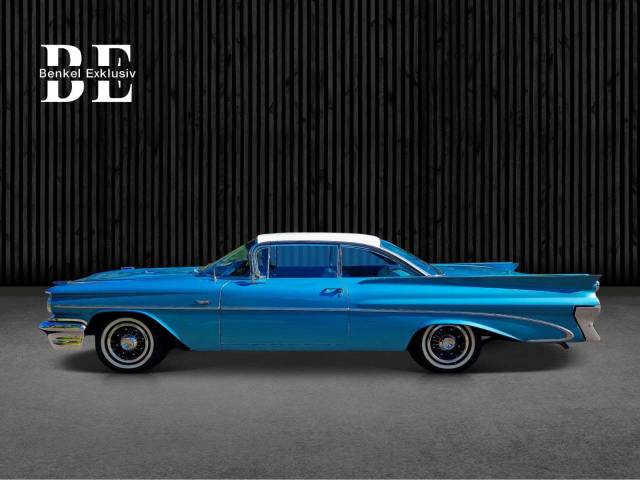
1959 | Pontiac Ventura Vista
Pontiac Catalina Coupé 2door [Serie21] [Traumzustand]
Pontiac Ventura Classic Cars: Prices & Market Values
History of the Pontiac Ventura
The Pontiac Ventura began its journey in 1960 as a premium trim version of the Pontiac Catalina. Initially offered as a full-size two-door hardtop, the Ventura featured upscale interior appointments, special trim, and a sporty character compared to its Catalina sibling. Over the years, it evolved, reflecting Pontiac’s ambition to bridge comfort, style, and performance. By the early 1970s, the Ventura name shifted to Pontiac's compact models, based on the GM X-body platform. This shift allowed Pontiac to target buyers seeking a smaller, more agile vehicle without sacrificing the brand’s trademark flair. The Ventura’s production concluded in 1977, but its unique combination of American power and Pontiac craftsmanship keeps the model remembered by enthusiasts.
Model History
The original Ventura was closely related to the Pontiac Catalina, debuting as an upscale alternative within the full-size lineup from 1960 to 1970. In 1971, the model took a new direction as a compact car, succeeding the Pontiac Tempest and sharing underpinnings with the Chevrolet Nova. This transition marked Ventura's adaptation to the changing automotive landscape of the 1970s, which demanded efficiency and new styling cues. Production continued until 1977, after which the model line evolved into the Pontiac Phoenix.
Highlights of the Pontiac Ventura
The Ventura’s standout features include a wide variety of available V8 and straight-six engines, robust GM mechanicals, and Pontiac-exclusive design touches such as split grilles and unique interior details. The 1970s compacts were particularly valued for their blend of manageable dimensions and classic American acceleration. Across both full-size and compact eras, the Ventura’s relatively limited production numbers compared to other Pontiac models foster a strong following among collectors.
Technical Data
Special Editions and Collectible Models
Notable Ventura variations include the 1972 Ventura II Sprint, a sportier version with performance-trimmed interiors and handling upgrades. In later years, the Ventura SJ package added cosmetic and mechanical enhancements, further distinguishing these models as desirable among collectors interested in period-correct muscle car features.
Weak Spots and Common Issues
While the Ventura benefits from GM’s robust engineering, buyers should check for typical issues such as chassis corrosion, especially on cars from rust-prone regions. Suspension bushings, brake components, and electrical systems on older cars may require thorough inspection or refreshing. Availability of replacement parts for both full-size and compact Venturas remains reasonable, but originality and rust-free condition significantly influence preservation and value.
Engine and Performance, Transmission and Handling
Ventura models with V8 engines deliver strong straight-line performance, particularly the early full-size versions with larger-displacement options. Compact 1970s Venturas share chassis fundamentals with the Chevrolet Nova, offering agility compared to larger American cars of the time. Manual and automatic transmissions allow for a range of driving experiences, from laid-back cruising to more spirited driving. Later compacts are especially popular with enthusiasts upgrading or restoring them for muscle car events. • Ventura II Sprint: Noted for its unique blend of style and enhanced handling updates. • V8-powered Ventura compacts (1971–1977): Preferred for their upgrade potential and classic muscle car appeal.
Interior, Comfort, Exterior and Design
Early Venturas featured luxurious seat trim, distinctive badges, and broad use of chrome accents, aligning with 1960s American design trends. As a compact, the Ventura retained Pontiac’s split-grille design and angular body lines, setting it apart from sibling models in GM’s X-body family. Special option packages offered vinyl roofs, upgraded upholstery, and additional instrumentation, popular among enthusiasts seeking originality. Factory accessories such as custom steering wheels and period-correct radios offer additional appeal to collectors today.
Other relevant features
The Ventura’s mix of accessible American muscle car engineering and mid-century Detroit style make it a favourite for DIY restorers and weekend cruise-ins alike. Its GM platform compatibility eases part sourcing and modification potential, supporting an active community of tuners and restorers.
Summary
The Pontiac Ventura spans a fascinating transition within the Pontiac line, from full-size luxury to compact performance. With robust mechanicals, distinctive styling, and a collectible heritage, the Ventura remains a significant entry in Pontiac and American automotive history—supported by its complete representation and focused interest in today's classic car market.