Pontiac Torpedo classic cars for sale
Produced between 1940 and 1948, the Pontiac Torpedo marked a shift for Pontiac towards more spacious, technically advanced saloons and coupés. With both 6- and 8-cylinder engine options, and three distinct lines from 1941 onwards, the Torpedo offered a wider, more comfortable ride and a variety of body styles to suit diverse tastes. From its panoramic windows to elegant trim details, every generation carried unique design progressions that distinguish the Torpedo among American full-size cars.
Search results
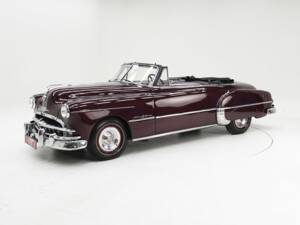
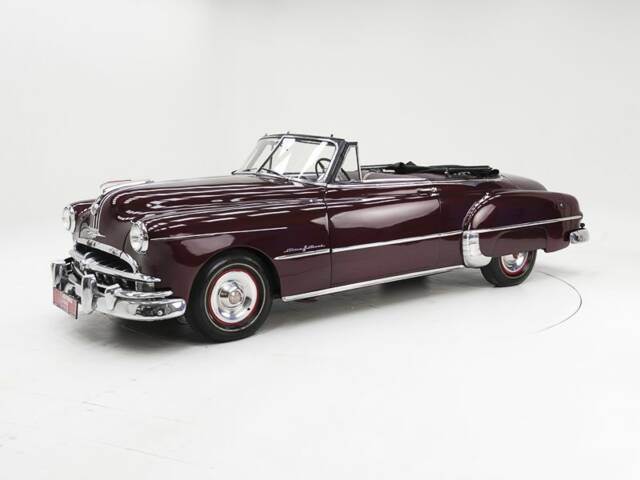
1949 | Pontiac Torpedo Silver Streak
1949 Pontiac Silver Streak '49

Pontiac Torpedo listing references from Classic Trader
Below you will find listings related to your search that are no longer available on Classic Trader. Use this information to gain insight into availability, value trends, and current pricing for a "Pontiac Torpedo" to make a more informed purchasing decision.

1948 | Pontiac Torpedo Silver Streak
Pontiac Streamliner Silver Streak 8 Luxe | 1948 | Route 66 Auctions - For sale by auction. Estimate 16500 EUR

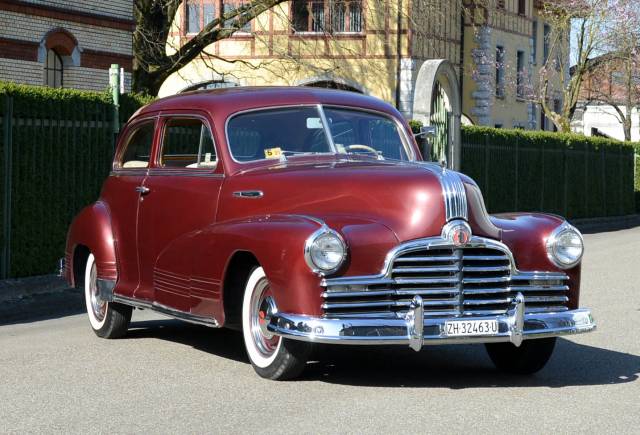
1946 | Pontiac Torpedo Silver Streak
Originales Fahrzeug, sehr seltenes Modell, ab Platz

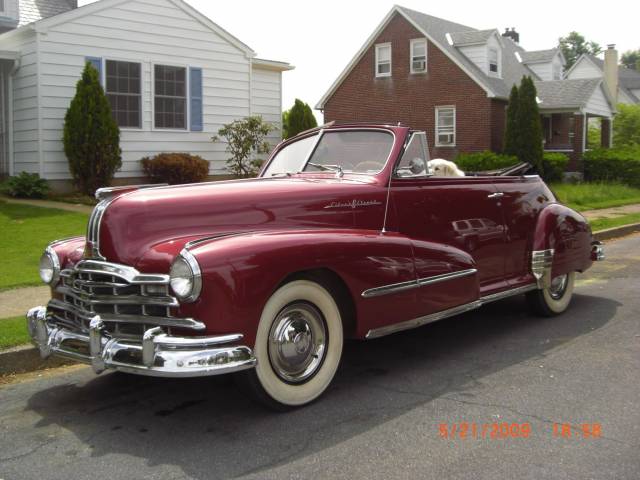
1948 | Pontiac Torpedo Silver Streak
Sellerie cuir et tissu d’origine.

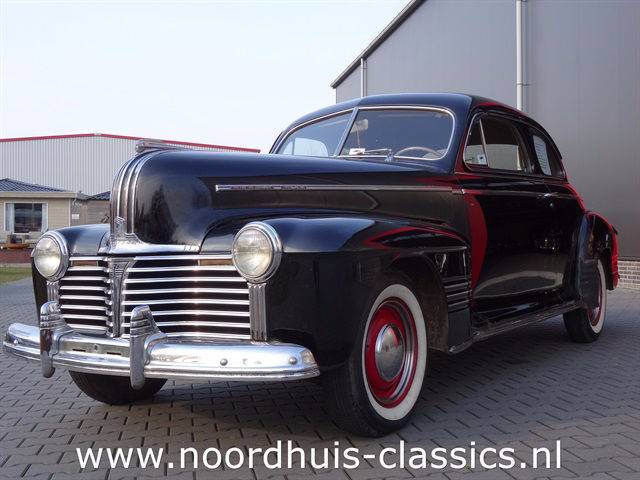
1941 | Pontiac Torpedo Silver Streak
Pontiac Pontiac Silver Streak 8 cilinder
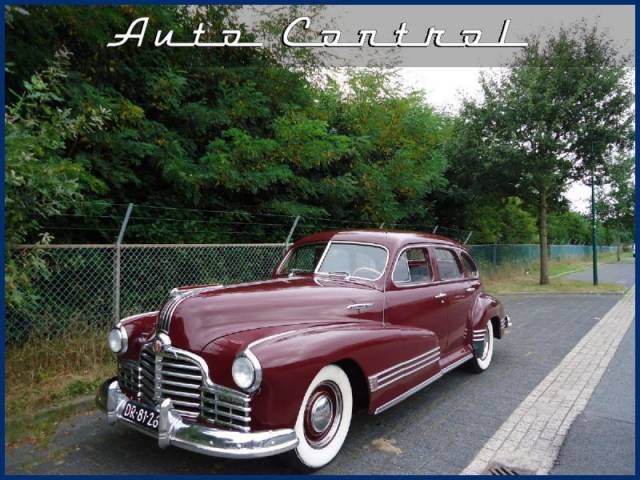
1947 | Pontiac Torpedo Silver Streak
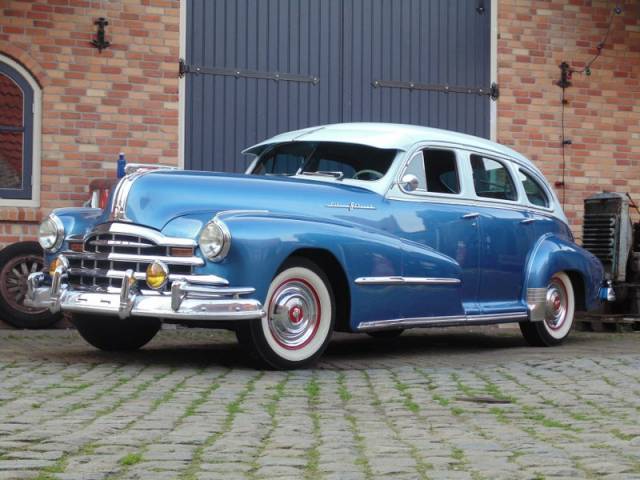
1948 | Pontiac Torpedo Silver Streak
Pontiac Torpedo Deluxe
Pontiac Torpedo Classic Cars: Prices & Market Values
History of the Pontiac Torpedo
Pontiac introduced the Torpedo in 1940 as its flagship model, built on the GM C platform. At launch, it set itself apart with broader dimensions and substantial standard equipment compared to other Pontiacs, including a sizeable interior capable of seating up to six adults comfortably. Throughout its production run, the Torpedo adapted to market and historical pressures—such as World War II austerity—gaining detail changes like gunmetal-finish trim. In 1941, the Torpedo designation expanded to cover all Pontiac lines, with Custom, Streamline, and DeLuxe trim levels. By 1942-48, the model focused on value as Pontiac’s base full-size offering before being succeeded by the Chieftain in 1949. The removal of exterior running boards and broadening of body width reflected broader trends in American automotive design, aiming for comfort and capacity.
Model History
The Torpedo’s roots trace to its 1940 debut atop the C-body, offering a substantial leap in scale and style for Pontiac. In 1941, the range diversified with A- and B-body variants, creating new choices for customers: the Custom Torpedo as the premium choice, the Streamline as mid-range, and the DeLuxe as entry level. The breadth of the Torpedo’s model family grew further with several body variants, including saloon, coupé, and cabriolet versions, the latter featuring electrically operated roofs. From 1942 onwards, Torpedo’s role narrowed to serving as the base model series, persisting as the mainstay until the introduction of the Chieftain for 1949.
Highlights of the Pontiac Torpedo
At its introduction, the Torpedo boasted panoramic windows and thoughtfully designed interior trim, such as metal window surrounds that visually slimmed the car’s ample profile. The 1940 models featured distinctive features like covered fuel fillers on the rear left wing and broad, curved seats. Through its lifetime, the Torpedo transitioned between streamlined pre-war looks and the more substantial post-war American style, including broader front ends with horizontally slatted grilles and integrated parking lights. Body options and trim were varied, with comfort and road presence at the forefront.
Technical Data
Special Editions and Collectible Models
The Torpedo line-up featured several variants tailored to diverse customer needs, including high-spec Custom models, Streamline mid-range cars, and base DeLuxe editions. Open-top cabriolets with electrically operated folding roofs emerged as sought-after configurations, particularly among enthusiasts seeking open-air comfort combined with full-size robustness. During wartime, some models received unique gunmetal finishes reflecting the national mood, offering a distinctive look for collectors.
Engine and Performance, Transmission and Handling
The Torpedo’s engine options—both inline-six and inline-eight—provided relaxed cruising characteristics, suited to American highways of the day. The 4.1-litre straight-eight, in particular, was prized for its smoothness and effortless torque delivery, making the Torpedo well-suited for long-distance motoring with family or passengers. Most cars were matched to three-speed manual transmissions, with rear-wheel drive typical for the era. While not engineered for sporting agility, the Torpedo was designed for stability and comfort over uneven road surfaces, reflecting post-war American roads and motoring habits. Popular configurations included the four-door saloon for its practicality and the convertible for its blend of style and engineering innovation. The eight-cylinder models remain a point of interest for collectors due to their added performance and historical importance as Pontiac’s most powerful options of the period.
Interior, Comfort, Exterior and Design
Early Torpedoes placed value on panoramic glass and gently tapered tails, visually lightened by metallic trim on window edges. Interiors provided three-abreast seating on both front and rear benches, facilitating genuine six-person transport. Optional extras included dedicated mechanical ventilation, electric cabriolet hood operation, and elegantly crafted dashboards. Grille design evolved to be more substantial and horizontal post-1942, with parking lamps integrated into the grille. Wartime models are notable for gunmetal colour schemes and more austere trim, while pre-war cars often featured richer surface detailing.
Summary
The Pontiac Torpedo, produced from 1940 to 1948, stands out as a technically advanced and spacious American classic car, distinguished by its progression of design, adaptable model range, and engineering innovations like the wide body and panoramic glazing. Its multiple engine choices, shifting body platforms, and comfort-focused appointments mark it as a significant entry in Pontiac’s full-size car history.