Pontiac Parisienne classic cars for sale
The Pontiac Parisienne stands out among classic full-size cars, renowned for its distinct blend of American styling and Canadian engineering. Produced from 1958 to 1986, the Parisienne shares much of its technology with the Chevrolet Impala and Caprice, offering a unique position in Pontiac's historic line-up. Enthusiasts value its rear-wheel drive B-body chassis, spacious design, and cross-market relevance, with versions assembled in Australia, New Zealand, and South Africa. This model remains of special interest to collectors seeking a classic large Pontiac with its own global story.
Résultats de la recherche
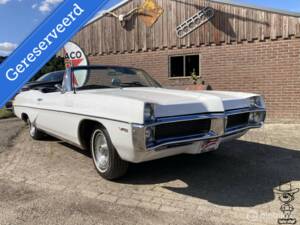
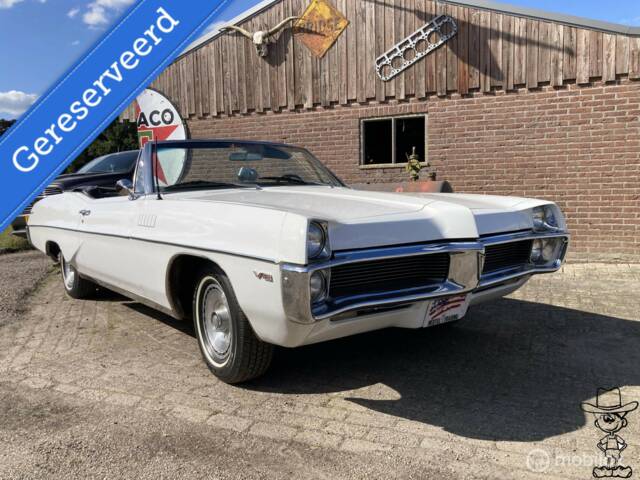
1967 | Pontiac Parisienne
Pontiac parisienne convertible
Pontiac Parisienne listing references from Classic Trader
Below you will find listings related to your search that are no longer available on Classic Trader. Use this information to gain insight into availability, value trends, and current pricing for a "Pontiac Parisienne" to make a more informed purchasing decision.
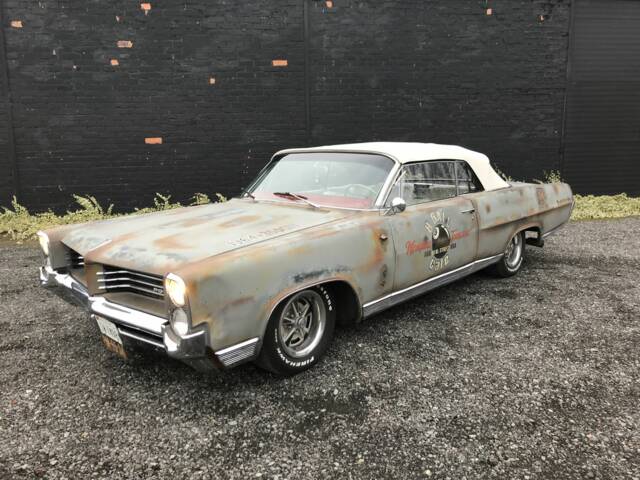
1964 | Pontiac Parisienne
Pontiac Parisienne Cabriolet | 1964 | Route 66 Auctions - For sale by auction. Estimate 14500 EUR
Pontiac Parisienne Classic Cars: Prices & Market Values
History of the Pontiac Parisienne
The Pontiac Parisienne was introduced to the Canadian market in 1958, filling the top-of-the-line full-size segment for Pontiac north of the border. Built on the GM B platform, the Parisienne capitalised on Canadian regulations and consumer preferences, offering local buyers a uniquely tailored Pontiac that, beneath its recognisable bodywork, shared much of its engineering with Chevrolet counterparts. The Parisienne's popularity led to right-hand drive production and assembly in Australia, New Zealand, and South Africa up to 1969. Its versatility and appeal across multiple continents underlined its position as a notable model in North American and international automotive history. After 1986, the Parisienne name continued on the station wagon under the Safari badge until 1989.
Model history
Initially launched as a range-leading version in the Canadian Pontiac line-up, the Parisienne followed the American Impala and Caprice mechanically, but retained Pontiac's distinctive branding and trim. Throughout its lifespan, body style options included sedans, coupes and station wagons. In 1983, the Parisienne was briefly made available in the United States, filling the space left by the discontinued Bonneville on the full-size rear-wheel drive platform for Pontiac. Production ceased in 1986, with wagons continuing for a short period under the Safari nameplate, ending definitive Parisienne production.
Highlights of the Pontiac Parisienne
Some of the most appealing aspects of the Parisienne include its seamless combination of American and Canadian traits, luxurious trim levels, and the fact that it served diverse international markets with right-hand drive production through the late 1960s. Its mechanical commonality with the Impala and Caprice ensures both availability of parts and a solid mechanical reputation among full-size GM aficionados.
Technical data
Special Editions and Collectible Models
Throughout its production, certain trims and limited edition versions, including high-spec luxury interiors and export right-hand drive variants for markets such as Australia and South Africa, command particular collector interest. These versions stand apart due to their rarity and market-specific adaptations.
Engine and Performance, Transmission and Handling
Thanks to its B-body platform and shared mechanicals with the Caprice and Impala, the Parisienne offers the solid, softly-sprung ride expected from large GM sedans of its era. V8 and six-cylinder engines were available, each known for their reliability and characteristically smooth running. Handling is relaxed and oriented for comfort over sharp responses, with spacious interiors making it ideal for long-distance cruising. The wide availability of engine and suspension parts—due to mechanical commonality with Chevrolet models—simplifies maintenance for classic owners. The Parisienne Brougham and Parisienne station wagons are especially noteworthy, featuring top-tier interiors and practical layouts. The export right-hand drive versions deserve recognition for their rarity outside North America.
Interior, Comfort, Exterior and Design
The Parisienne's body design closely mirrors Chevrolet’s full-size cars but incorporates unique Pontiac touches like bespoke grilles, badging, and interior trim upgrades. Top trims featured refined upholstery, wood-style accents, and full instrumentation aimed at competing with other luxury American full-size sedans. Subtle design cues distinguish export variants, particularly right-hand drive models for Australia and South Africa. Optional equipment included power windows, air conditioning, cruise control, and iconic North American luxury features of the period.
Other features
The Parisienne’s role as a bridge between American and Canadian automotive design, as well as its legacy as a globally-assembled classic GM car, gives it broad historic relevance. Surviving export models in right-hand drive form are particularly desirable among specialists and demonstrate GM’s international ambitions.
Summary
The Pontiac Parisienne stands as a fascinating example of transnational GM engineering, with unique Canadian, American, and international market significance. Its 100% share among listed classic Pontiacs and equal share of buyer interest underscores its central standing for enthusiasts looking for a full-size classic. Mechanical similarities to Chevrolet models ensure accessible ownership, while market-specific editions add to its collector appeal.